

Antique Glass Cup
An antique glass cup brings tangible history to the table, combining functional drinking vessels with centuries of decorative glassmaking artistry.
Antique Glass Cup
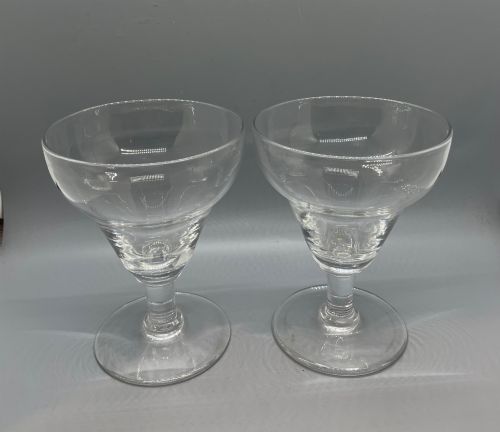
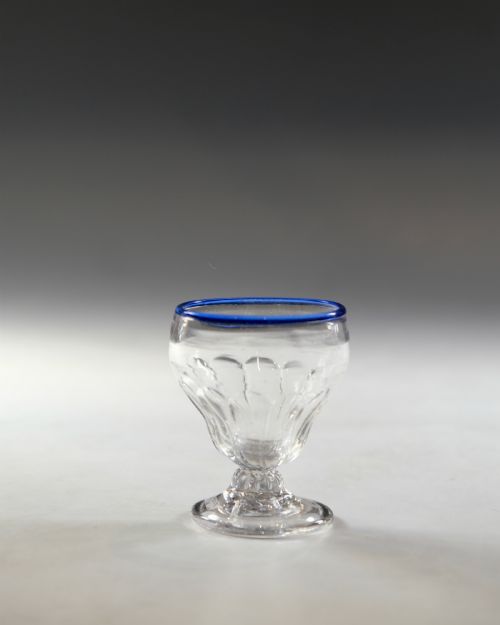
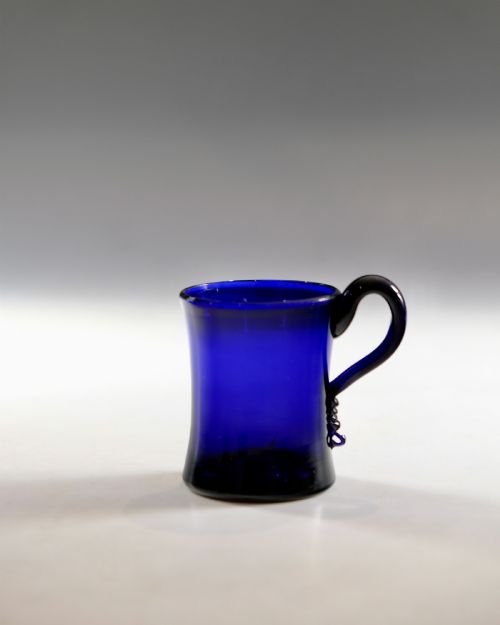
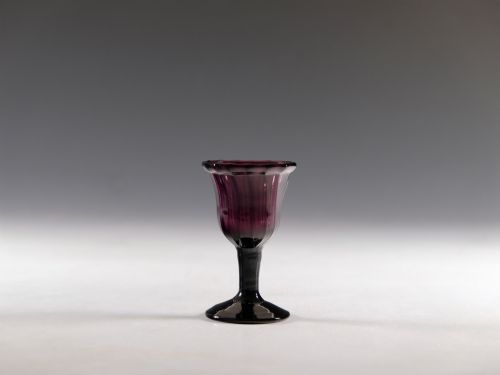
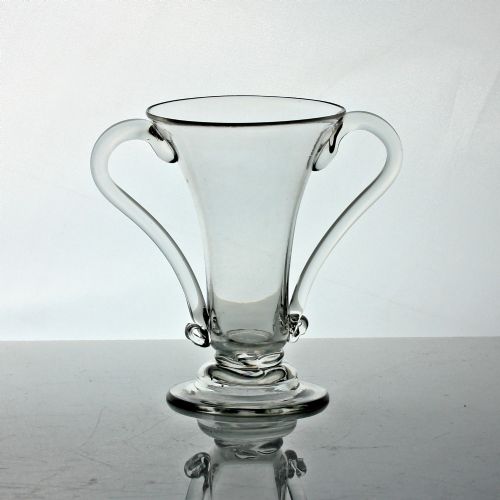
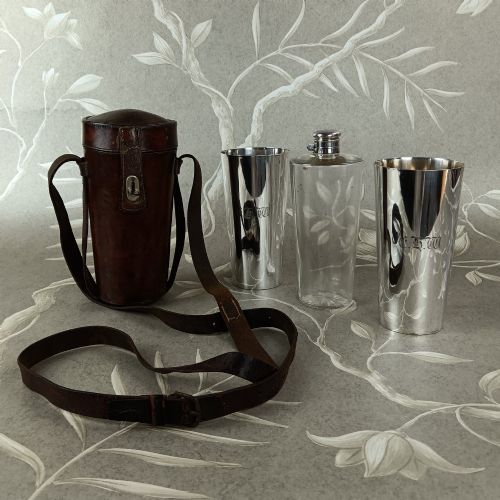
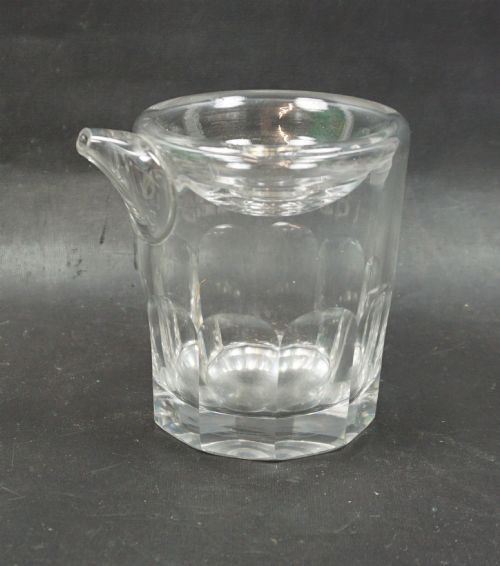
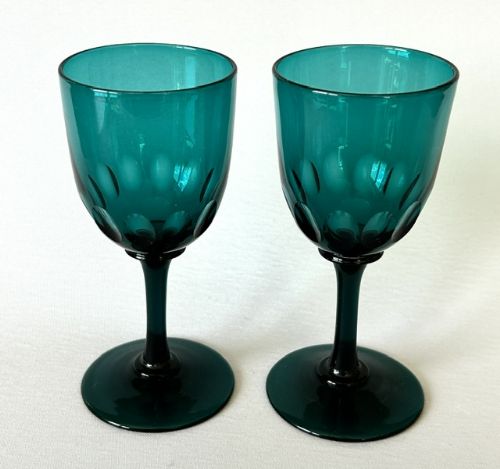
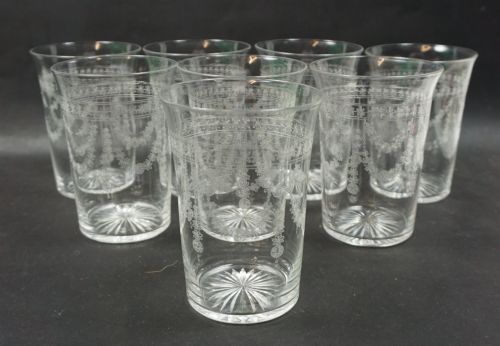
When searching for an antique glass cup, buyers encounter a diverse selection of drinking vessels spanning the Georgian, Victorian, and Edwardian eras alongside early twentieth-century designs. These items encompass delicate jelly and custard glasses, colourful wine glasses, and spirit flasks featuring removable silver cups.
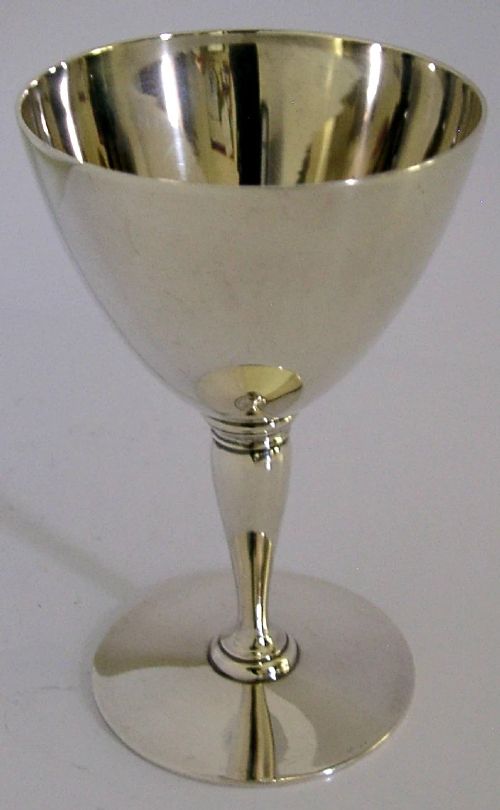
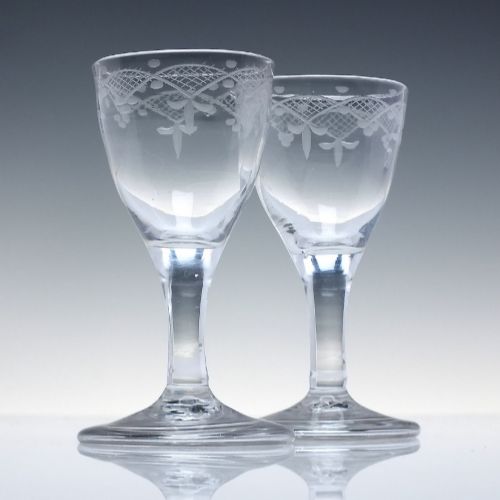
The assortment on this page ranges from eighteenth-century English lead glass dram glasses to Art Deco sterling silver cocktail goblets and Bohemian punch bowl sets. Everyday forms sit alongside commemorative items and functional barware, reflecting how drinking vessels evolved across different periods.
How they were made
Master artisans employed traditional techniques such as hand-blowing, panel moulding, and lead glass formulation to create vessels with clarity and weight. Many pieces incorporate decorative embellishments including acid etching, wheel engraving, and paste gilding applied directly to the glass surface.
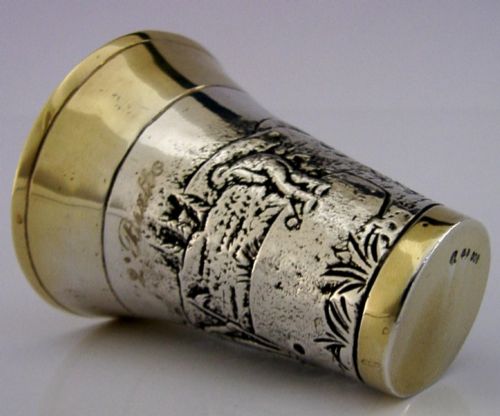
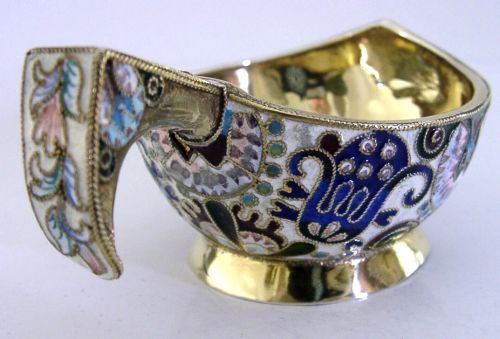
Metal components introduce contrasting materials, pairing clear, cobalt, ruby, or cranberry glass with sterling silver, silver plate, and solid silver gilt mountings. Techniques like hammering, enamelling, and fitted leather casing further distinguish these hybrid objects.
The listings span multiple centuries, uniting eighteenth-century Georgian jelly glasses with Art Deco silver cocktail goblets from the 1920s.
What varies in quality
Quality in these drinking vessels rests upon the clarity of the metal, the precision of the cutting, and the crispness of any engraved or etched decoration. Superior examples display balanced proportions, unblemished surfaces, and harmonious integration between glass bowls and precious metal mounts.
The sophistication of the ornamentation dictates the upper tiers of the range, where hand-painted enamels, complex facet cutting, or heavy parcel-gilt silver housings elevate standard utilitarian items into exceptional decorative works.
Tiffany & Co·James Dixon & Sons·John Millikin·Salviati
The Antique Glass Cup Glossary
- Lead glass
- A heavy, brilliant type of glass containing lead oxide, developed to improve clarity and suitability for deep cutting.
- Dram glass
- A small eighteenth-century drinking vessel specifically sized for a single measure of spirits such as whisky.
- Jelly glass
- A small, often handled glass vessel utilised historically for serving jellies and custards at formal dining tables.
- Rummer
- A capacious, heavy-stemmed drinking glass popular in the Georgian era for consuming ale, wine, or punch.
- Roemer
- A traditional European decorative wine glass typically characterised by a bulbous bowl and a stem wrapped in applied prunts.
Antique Glass Cup: Frequently Asked Questions
How were antique glass cups used?
These vessels served various dining and social functions, ranging from formal dessert courses holding custards and jellies to communal punch service and private spirit consumption.
Many smaller examples functioned as dram glasses for spirits, while silver-mounted iterations accompanied travellers on hunts or military campaigns as portable drinking gear.
How do I identify Georgian glass?
Georgian glass frequently exhibits heavier lead content, darker metal tones, and tactile pontil marks on the undersides where the blowing iron was detached.
Stylistic markers include folded feet on dram glasses, ribbed panel moulding, and simple yet deep wheel-engraved floral motifs.
Can I use these cups for daily dining?
While structurally sound, antique drinking vessels require careful handling and hand washing to preserve fragile historic glass and delicate gilded or enamelled decorations.
Most collectors choose to display them or reserve them for occasional toasts to protect their aged surfaces from modern dishwashers.
What is a spirit flask cup?
A spirit flask cup is a small, removable silver or silver-plated beaker that fits neatly over the base of a glass pocket flask.
This clever design allowed travellers to unscrew the cup and pour a measure of alcohol while on the move during the Victorian and Edwardian periods.