




Decorative Glass Vessel
When you search for a decorative glass vessel, you encounter a diverse gathering of vases, bowls, and centrepieces spanning the nineteenth and twentieth centuries.
Decorative Glass Vessel
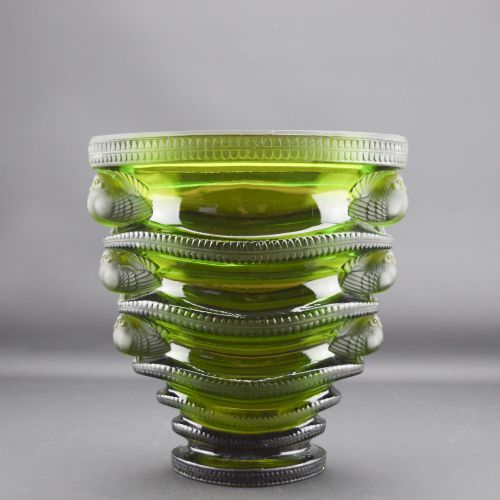
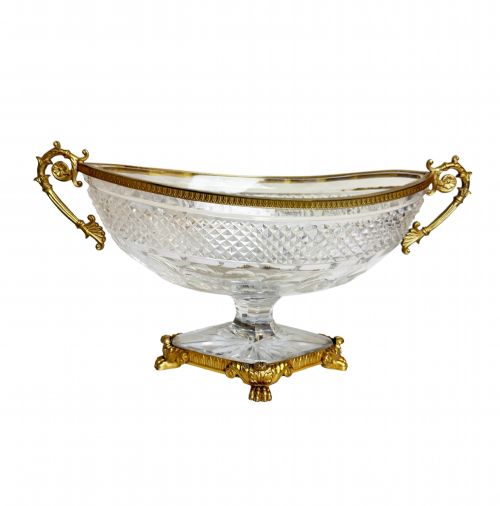
A decorative glass vessel takes many shapes across this selection, from tall apothecary carboys and slender vases to expansive centrepieces and decorative dishes. These objects originate from British, French, and Bohemian workshops, reflecting distinct domestic and display uses over successive decades.
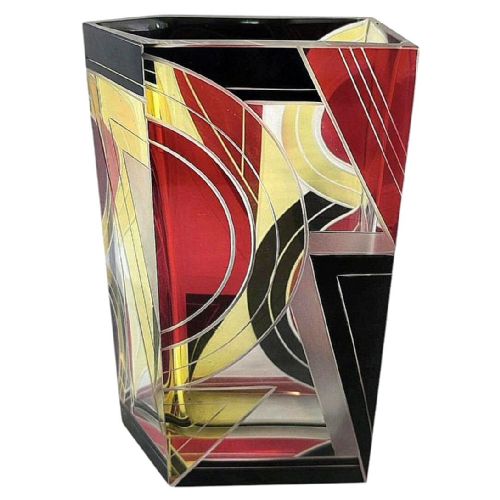
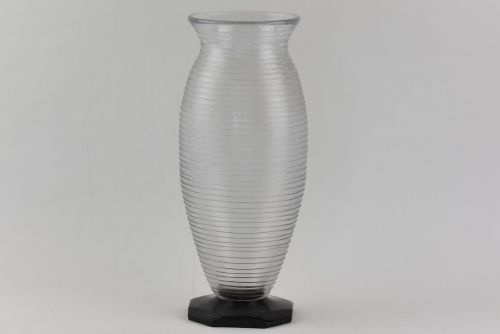
Vases dominate the available forms, ranging from organic Art Nouveau contours to rigorous Art Deco geometries. Alongside these stand utilitarian containers adapted for display, such as pharmacy carboys and snuff bottles.
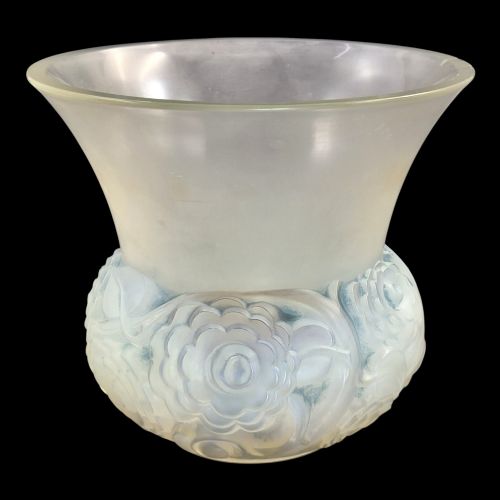
The periods represented stretch from Victorian and Edwardian examples through to mid-twentieth century pieces. Buyers frequently encounter nineteenth century blown glass alongside later opalescent and cameo creations from major continental houses.
Materials and Techniques
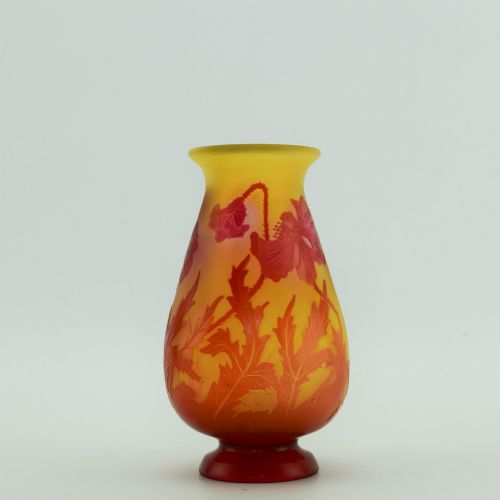
Makers utilised free-blowing, optical blowing, and mould-pressing to shape the molten material, often employing lead crystal or coloured glass as a base. Cameo glass vessels were achieved by layering different coloured glasses and carving away the surface to reveal contrasting designs.
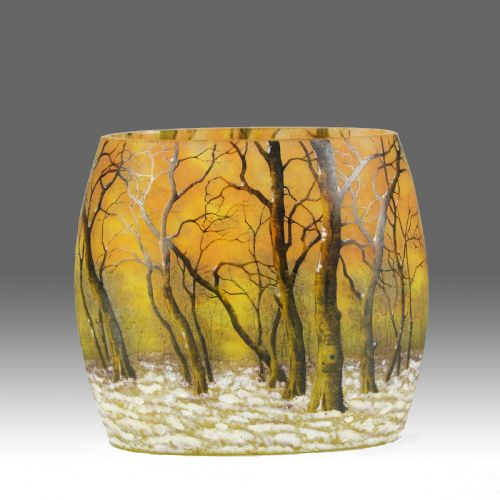
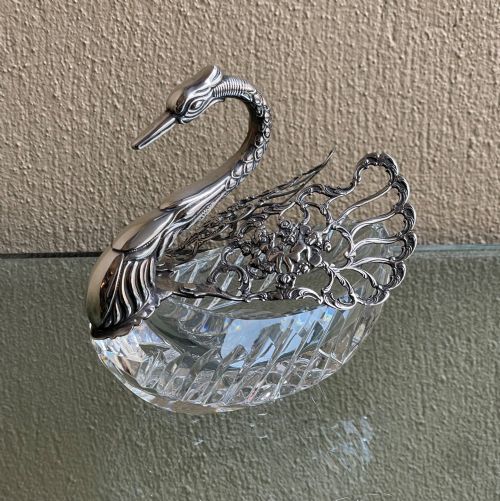
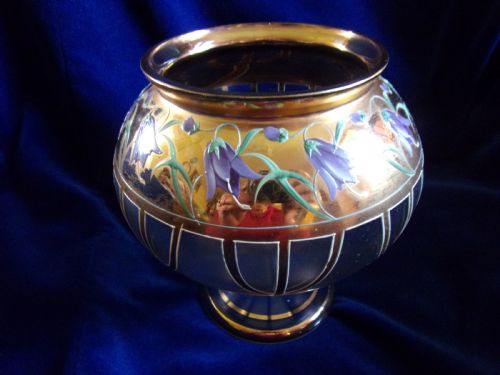
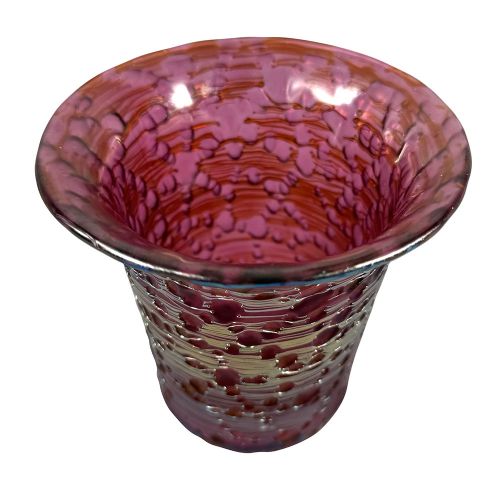
Surface decoration frequently involved acid-etching, wheel-engraving, and enamel painting, sometimes heightened with gold leaf or silver mounts. Specific effects like aventurine inclusions, opalescence, and iridescence relied on chemical manipulations during the melting and cooling processes.
The listings span multiple centuries of production, incorporating Victorian mould-blown wares alongside Art Deco opalescent vessels and twentieth-century crystal.
Craftsmanship and Execution
Quality rests in the precision of the execution, whether in the crisp depth of acid-etched cameo layers or the fluid symmetry of hand-blown forms. Superior pieces display complete control over complex decorative techniques, such as finely applied enamel work or cleanly detailed pewter overlays.
The distinction between standard production and exceptional work lies in the refinement of the silhouette and the harmony between the glass body and its surface ornamentation. Signed pieces and those from documented makers demonstrate a higher level of artistic ambition in their cutting, moulding, and coloration.
Rene Lalique·Daum Freres·Legras·Karl Palda·James Powell·Stuart·Mary Gregory·Monart Glass
The Decorative Glass Vessel Glossary
- Cameo glass
- A vessel formed of two or more distinct layers of coloured glass fused together, where the outer layer is carved or acid-etched away to create a raised design. This technique requires immense patience and skill to avoid cutting through to the background layer.
- Carboy
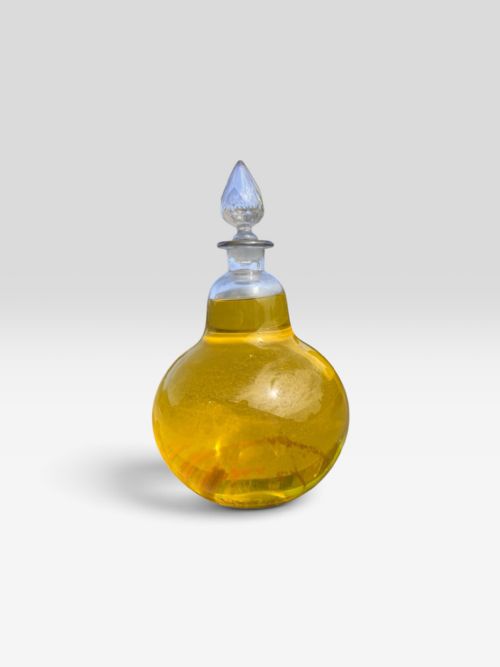
- A large, bulbous glass container traditionally used in laboratories or pharmacies for holding liquids. In decorative contexts, these heavy vessels are prized for their substantial scale and distinctive optical distortion.
- Opalescent glass
- Glass that milky or translucent quality, often appearing blue in transmitted light and warm amber or yellow in reflected light. This optical property was particularly favored by twentieth-century French designers.
- Aventurine
- Glass containing small metallic flakes, usually copper, suspended within the clear or coloured matrix to create a sparkling effect. It requires precise temperature control during cooling to ensure proper crystal formation.
- Enamel
- Opaque vitreous composition applied to the surface of a vessel as decoration before being fired in a kiln to fuse with the glass. It allows for vibrant, multi-coloured pictorial scenes and geometric patterns.
Decorative Glass Vessel: Frequently Asked Questions
How were apothecary carboys used?
Apothecary carboys served as large storage containers for chemicals, tinctures, and distilled waters in nineteenth-century pharmacies and laboratories. Their substantial size and bright contents also acted as exterior trade signs in shop windows.
Today, these heavy glass vessels function purely as decorative floor or table pieces. Their scale and optical distortion make them striking containers for large botanical displays or standalone interior accents.
What defines cameo glass?
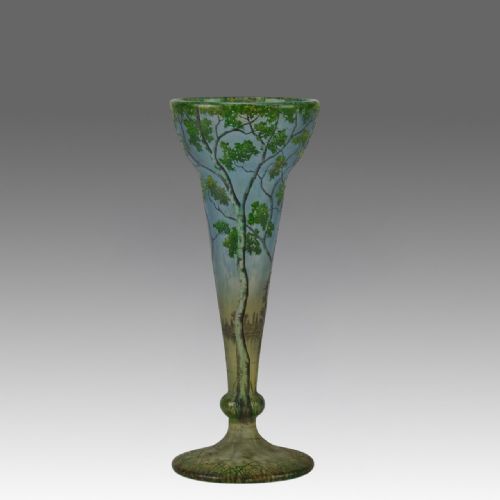
Cameo glass is created by fusing multiple layers of different coloured glass together into a single blank. Artisans then carve, grind, or acid-etch the exterior layer away to leave a raised, high-contrast design against the background.
This demanding technique reached a peak during the nineteenth and early twentieth centuries through French and Bohemian makers. The resulting vessels often feature naturalistic floral or landscape motifs rendered in relief.
How do I identify Art Nouveau styles?
Art Nouveau glass is characterised by organic forms, flowing asymmetric lines, and motifs drawn directly from the natural world. Look for iridescent finishes, undulating floral silhouettes, and sinuous pewter mounts.
These pieces typically date from the late nineteenth century up to the First World War. The aesthetic prioritises craftsmanship that mimics natural growth patterns over rigid geometric symmetry.