
Antique Vase of Flowers
When collectors search for an antique vase of flowers, they seek enduring depictions and vessels that capture botanical beauty.
Antique Vase of Flowers
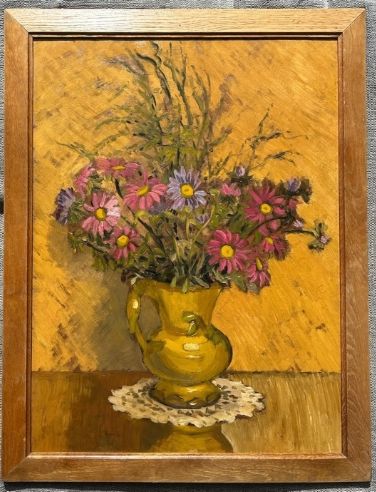
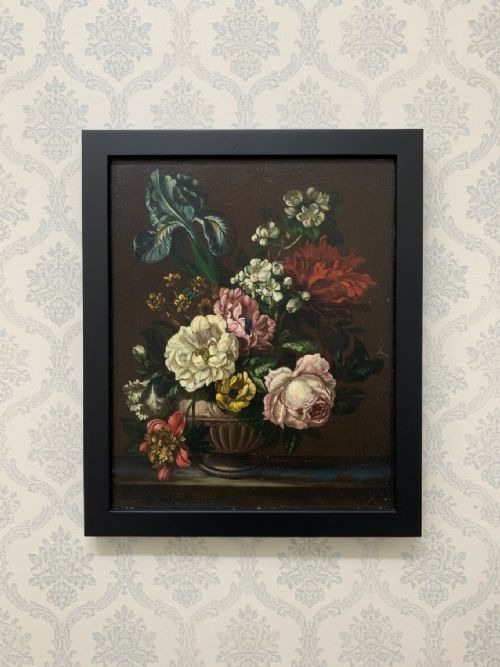
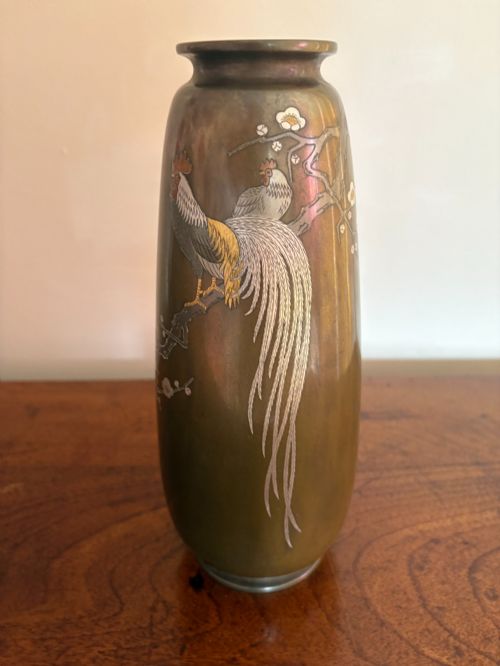
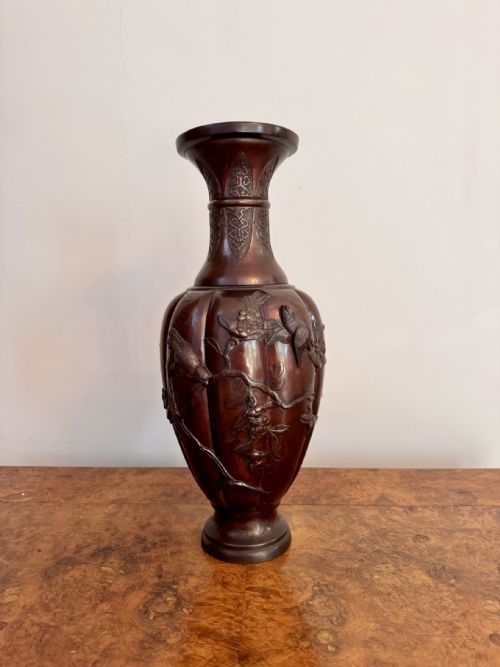
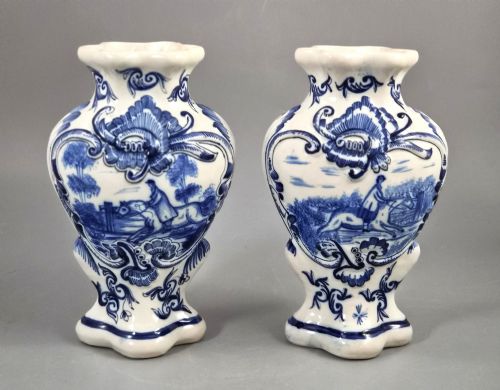
The category encompasses both physical vessels designed to hold stems and flat canvas or panel depictions portraying floral arrangements.
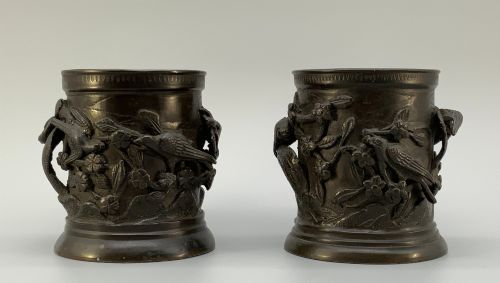
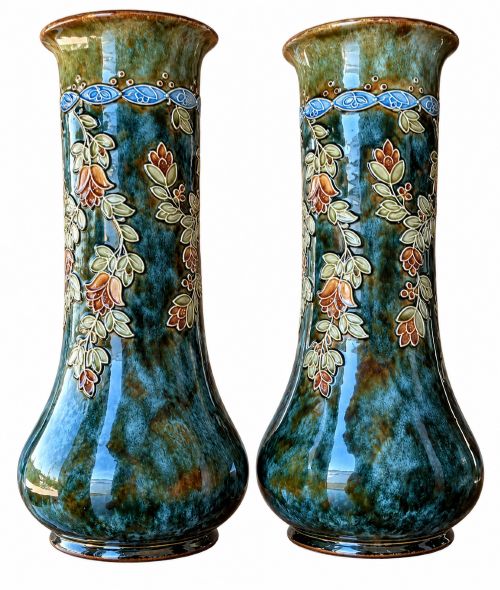
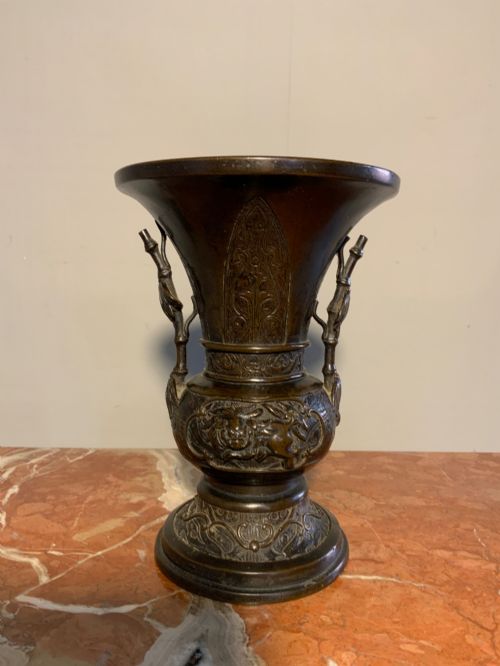
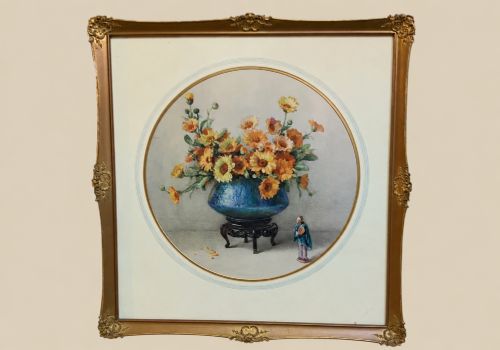
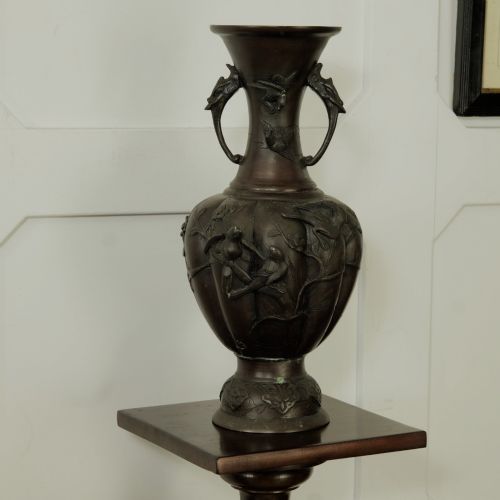
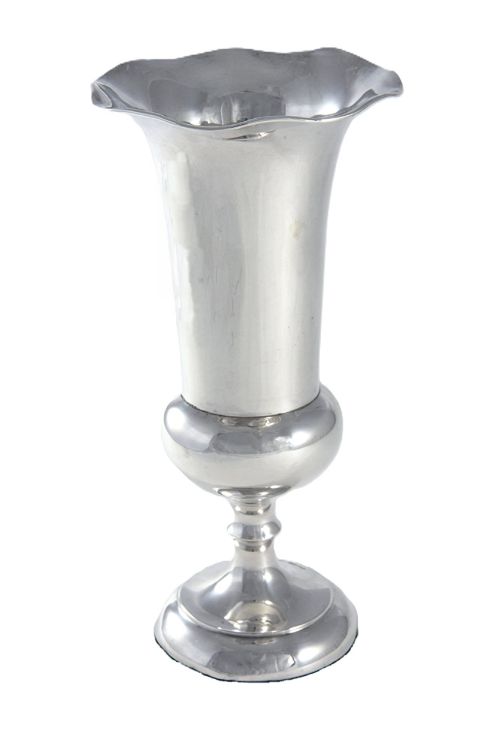
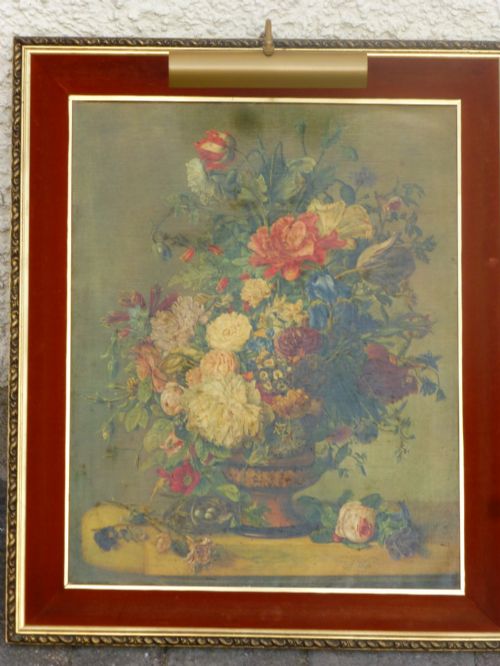
Buyers frequently encounter oil paintings on canvas alongside three-dimensional ceramic, glass, and bronze receptacles.
Origin points span Victorian and Edwardian Britain, continental Europe, and East Asia, reflecting diverse cultural interpretations of floral subjects.
How They Were Made
Makers utilised traditional mediums such as oil paint on panel and canvas, layered to create depth in botanical studies.
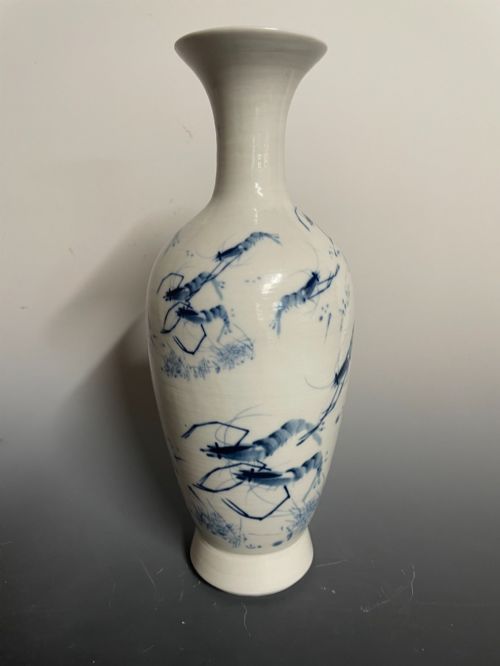
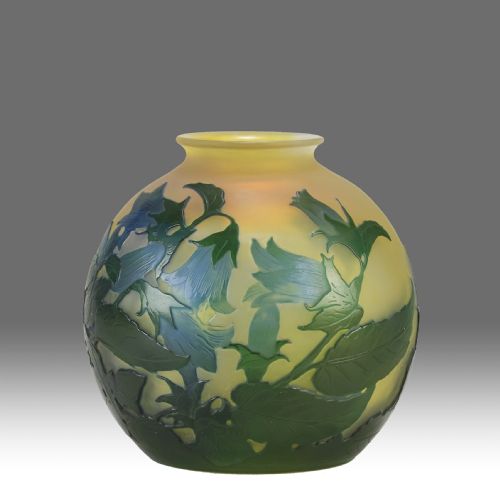
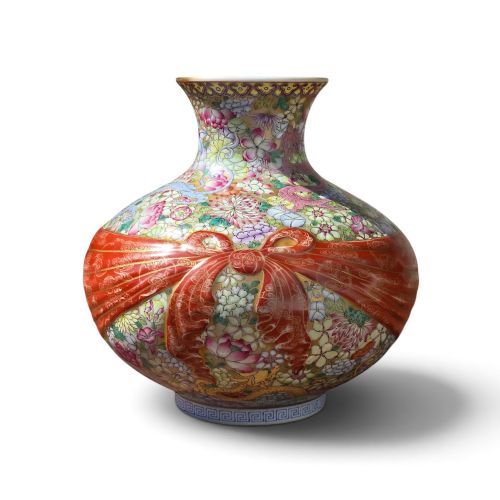
Three-dimensional vessels combined moulded porcelain, earthenware, and blown glass, often enriched with enamel, gold leaf, or bronze casting.
Listings span periods from the seventeenth century through the Victorian era and into the Art Deco twentieth century.
What Varies in Quality
Distinctions in craftsmanship emerge through the precision of hand-painted botanical detail and the refinement of surface patination.
The integrity of the material structure, whether cast bronze or blown glass, dictates the enduring character of each piece.
Royal Doulton·Emile Gallé·Loetz Witwe·Royal Worcester·William Adams and Sons
The Antique Vase of Flowers Glossary
- Spill Vase
- A tall, narrow receptacle designed originally to hold thin wood spills used for lighting candles and fires. These objects frequently featured floral decoration.
- Still Life
- An artwork depicting mostly inanimate subject matter, typically commonplace objects which may be either natural or man-made, including cut flowers.
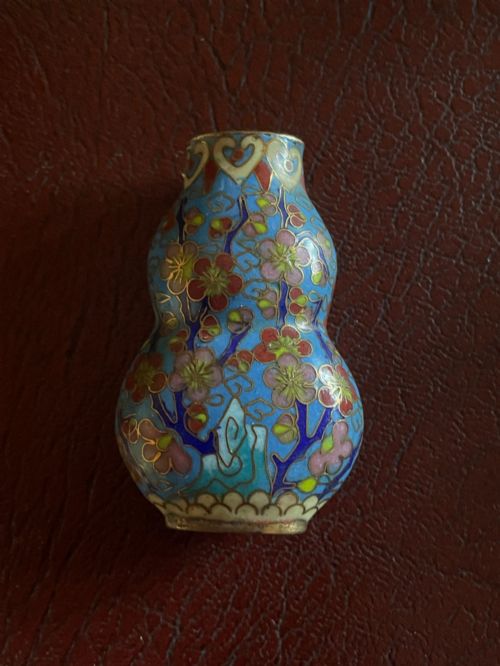
- Cloisonné
- An ancient technique for decorating metalwork objects with coloured material held in place by thin metal strips. It is frequently seen on decorative vessels.
- Epergne
- A large table centrepiece featuring a principal bowl with multiple smaller branching holders or vases for fruit or flowers.
- Faience
- Tinned-glazed earthenware produced in various European potteries, often decorated with hand-painted blue and white motifs.
Antique Vase of Flowers: Frequently Asked Questions
What defines an antique still life?
An antique still life typically depicts inanimate objects like cut flowers arranged on a surface. These paintings reflect the artistic conventions of their respective centuries.
Artists utilised oil or watercolour to capture light and botanical detail.
How were spill vases used?
Spill vases held thin wood tapers utilised for transferring fire from a hearth to candles or pipes. Placed on mantelpieces, they doubled as small decorative flower holders.
Their narrow mouths kept tapers upright and steady.
What distinguishes cameo glass?
Cameo glass involves fusing multiple layers of coloured glass together before carving away portions to create a raised design. This intricate technique gained prominence during the late nineteenth century.
Makers applied it to organic and floral motifs.
Where were porcelain vases made?
Porcelain vessels originated from diverse European factories and Asian kilns, each applying distinct decorative traditions. English, French, and Chinese workshops predominated.
Artisans utilised local clays and traditional glazing methods.