


Antique Glass Counter Case
These antique glass counter cases are robust commercial display pieces built for shops, chemists and confectioners to showcase goods.
Antique Glass Counter Case
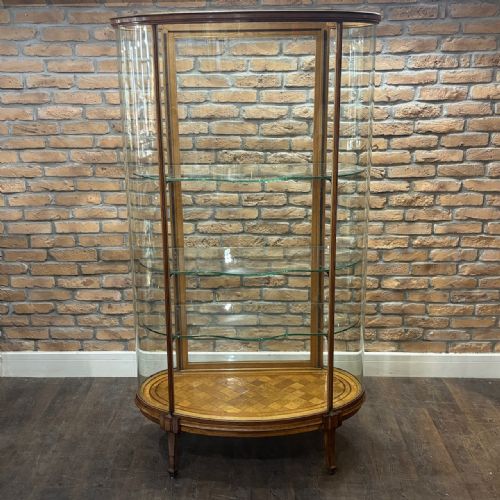
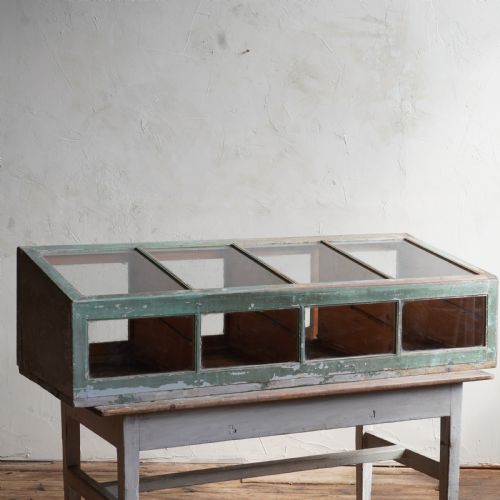
An antique glass counter case provides tabletop or floor-standing display storage designed for retail trading across the nineteenth and twentieth centuries. When searching for this phrase, buyers encounter practical commercial furniture built to present confectionery, tobacco, pharmacy goods and sewing cottons directly to customers. The most common versions on this page date from the Edwardian era through to the 1930s, taking the form of glazed tabletops, countertop cabinets and full-length shop counters.
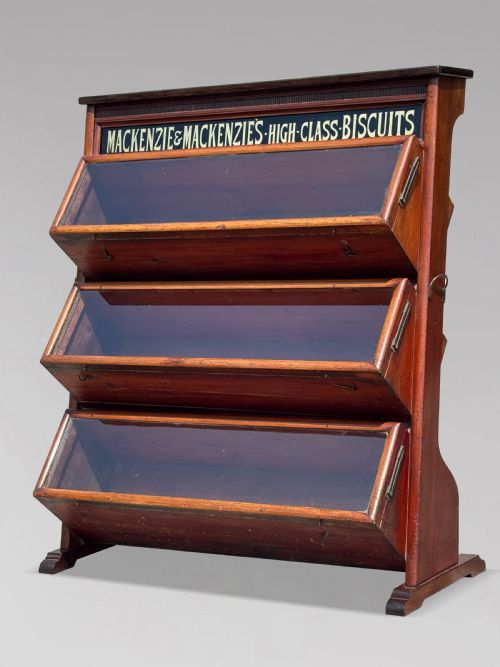
The selection ranges from small oak and mahogany tabletop display cases to large freestanding commercial counters fitted with glass panels. Specific iterations include pharmacy dispensing units, confectioner advertising cabinets for brands like Fry and Cadbury, and multi-drawer haberdashery fittings. These pieces served a purely working function in high street shops before finding a place in modern domestic interiors for collecting and display.
Materials and construction
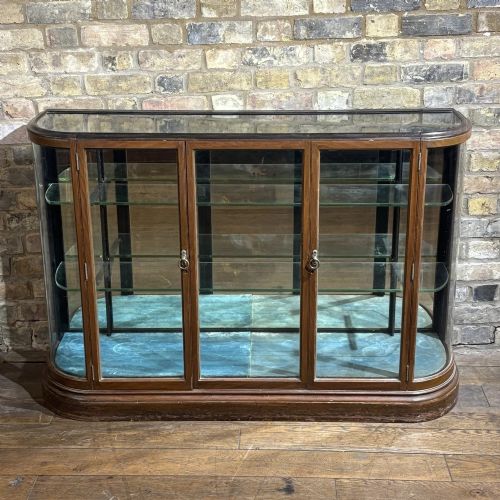
Makers built these commercial fixtures using sturdy timber frames of mahogany, oak or ebonised wood to withstand heavy daily use in retail environments. Large plate glass panels form the viewing windows, sometimes held by brass or aluminium framing, while mirrored glass often lines the interior backs to reflect light through the shelves.
Internal elements incorporate fitted wooden shelves, velvet linings, and occasional storage drawers accessed from the shop assistant side. Construction methods relied on robust joinery designed to support heavy weights of stock while maintaining clear visibility from the customer side of the counter.
Many a Victorian sweet shop cabinet still carries the faint, sweet aroma of long-gone confectionery trapped within its cedar and oak joints.
Distinctions in quality
The standard of a case rests upon the selection of timber, the refinement of the glazing bars, and the presence of original maker markings or branded advertising. Commercial pieces produced by established shopfitters display superior cabinetmaking in the tight joints of the timber frames and the smooth operation of sliding or hinged doors.
Originality dictates value, distinguishing items retaining their authentic glass panels, mirrored backs and period brass hardware from those with modern replacements. Pieces bearing clear associations with named retailers, chemists or confectionery makers demonstrate the specific commercial provenance that collectors prize.
F. Sage & Co.·John Stow Ltd of Bradford·Saml. Elliott & Sons
The Antique Glass Counter Case Glossary
- Countertop display cabinet
- A glazed showcase designed to sit upon an existing shop counter for eye-level customer viewing. These units feature rear doors for staff access.
- Vitrine
- A glass-fronted cabinet or display case used primarily for exhibiting fine objects, models or curiosities. The term applies to both tabletop models and large freestanding variants.
- Shop counter
- A long freestanding retail fixture incorporating a solid top for serving customers and glazed sections for displaying merchandise. They form the central working hub of historic shops.
- Advertising cabinet
- A specialised display case bearing the name or branding of a commercial manufacturer such as Fry or Cadbury. These units promoted specific products while holding stock on the shop floor.
- Bow end
- A display case or counter featuring curved glass panels at one or both ends. This shaping softened the angles of shop interiors and improved visibility from multiple commercial viewpoints.
Antique Glass Counter Case: Frequently Asked Questions
What were glass counter cases used for?
Shopkeepers utilised these glazed enclosures to display high-value or delicate goods such as pocket watches, jewellery, medicines and confectionery while keeping them protected from handling.
They sat upon retail counters or formed the counters themselves, presenting stock directly to the eye of the customer whilst securing the contents behind lockable rear doors.
How do I date an antique display case?
Dating relies upon timber selection, construction techniques, and stylistic clues matching the Edwardian, Victorian or Art Deco periods of the piece. Oak frames and heavy mouldings often point towards the nineteenth century, while lighter aluminium framing or streamlined ebonised finishes suggest the 1930s.
Maker plaques and original manufacturer stencils provide the most reliable chronological markers for commercial shop fittings.
Can I use these cases in a modern home?
These commercial cabinets adapt well to domestic interiors for displaying collections of ceramics, books, silver or natural history specimens. Their glass panels and mirrored interiors maximise light within living spaces while keeping dust away from delicate items.
Tabletop versions fit neatly onto sideboards and desks, whereas larger freestanding counters function as room dividers or kitchen islands.
What is an advertising display cabinet?
An advertising cabinet is a trade showcase commissioned by manufacturing firms to display their specific products on retail counters. They frequently feature painted or etched lettering naming companies such as Fry, Cadbury or Rowntree on the glass or timber frame.
Shopkeepers stocked these units with the brand's chocolates, sewing cottons or chemist goods to encourage point-of-sale purchases.