



Countertop Shop Showcase
A countertop shop showcase puts small treasures right at eye level, offering glass and timber protection for everything from sweets to jewellery.
Countertop Shop Showcase
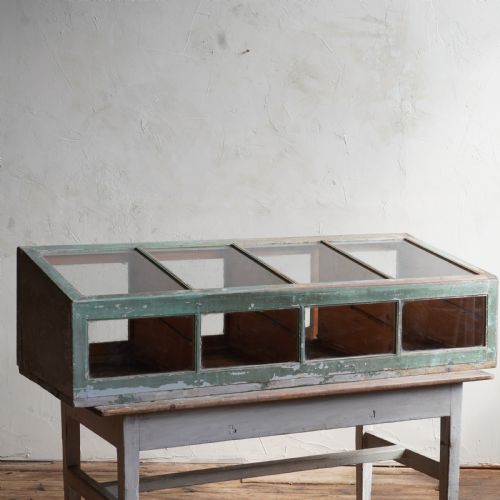
A countertop shop showcase is a compact retail display piece designed for placement on counters, giving customers a clear view of goods through glazed panels. When hunting for a countertop shop showcase, buyers encounter various forms including display cabinets, display cases, and display boxes.
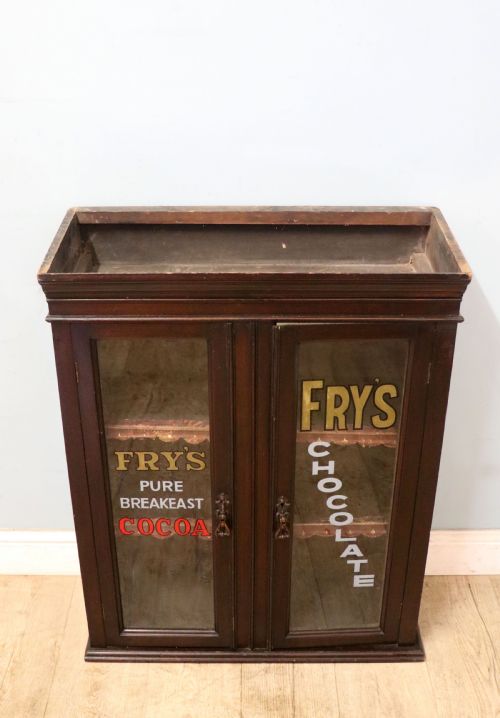
The pieces originate from several distinct periods spanning the nineteenth and twentieth centuries, taking in Victorian, Edwardian, and Art Deco designs. Common functional variants include sweet shop cabinets bearing chocolate advertising, apothecary boxes, and brass jewellery frames lined with velvet.
Makers and commercial entities such as F. Sage and Co. London produced specialised shopfittings, while confectioners like Fry's, Rowntree's, and Cadbury utilised branded showcases for point-of-sale merchandising. These historical shop counters bring functional commercial history directly into domestic or retail interiors.
Materials and construction
Makers built these commercial display pieces primarily from sturdy timbers including mahogany, oak, and general hardwoods, frequently pairing them with structural brass components and distressed paint finishes. Ebonized treatments and glazed panels define the main structural housing for the merchandise within.
Interiors relied on soft textiles like felt and velvet to cushion delicate items such as jewellery and small confectionary goods. Structural joinery accommodated glazed doors, drawers, and hand sign-written advertising panels executed in paint.
The available pieces span the Victorian, Edwardian, and Art Deco styles alongside industrial commercial designs.
Judging quality in shop showcases
Quality in a countertop shop showcase rests on the integrity of the original glazing, the stability of the timber frame, and the condition of any sign-written advertising. Original maker plaques and intact period brasswork elevate a piece significantly above standard utilitarian boxes.
The fineness of the cabinetry work, from tight corner joints to smooth drawer operation, distinguishes superior retail furniture from simpler variants. Surviving interior linings of velvet or felt also contribute to the overall integrity of the piece.
F. Sage and Co. London·Cadburys Chocolate·OXO
The Countertop Shop Showcase Glossary
- Glazed
- Fitted with glass panes to protect contents while maintaining visibility. This transparent barrier kept dust away from merchandise on shop counters.
- Ebonized
- Wood finished to resemble ebony through staining or painting. This dark treatment provided a formal, polished appearance popular in commercial settings.
- Sign-written
- Lettering applied by hand using paint rather than printed transfers. This technique identified products like chocolate and cocoa on cabinet glass and timber.
- Shopfitting
- The trade and practice of supplying fixtures and furniture for retail interiors. Such fittings were custom-built to withstand heavy daily commercial use.
- Apothecary
- Pertaining to the preparation and sale of medicines and drugs. Cabinets from this context often feature specialised compartments for small bottles and medical goods.
Countertop Shop Showcase: Frequently Asked Questions
What were these cases used for?
Merchants used countertop showcases to display small, high-value or attractive goods directly to customers standing at the shop counter.
Items ranged from chocolate and cocoa to medical supplies and jewellery, keeping stock visible yet secure.
How do I date a shop showcase?
Dating relies on architectural styles, timber choices, and construction methods associated with periods like the Victorian era or the nineteen-twenties.
Maker marks, glass types, and advertising typography also provide clear clues to the decade of manufacture.
Are the advertising signs original?
Some cabinets bear original period advertising painted directly onto the glass or timber by the manufacturer.
Other pieces feature later sign-written decoration added during subsequent decades of commercial use.
How do I clean the wood and glass?
Maintain the timber surfaces with gentle dusting and appropriate wax treatments suited to period wood finishes.
Clean the glazed panels carefully with standard glass cleaner, taking care not to disturb hand-painted lettering.