




Antique Glass Cordial Glasses
These antique glass cordial glasses are small vessels designed for spirits and liqueurs, offering collectors delightful forms from the eighteenth century onwards.
Antique Glass Cordial Glasses
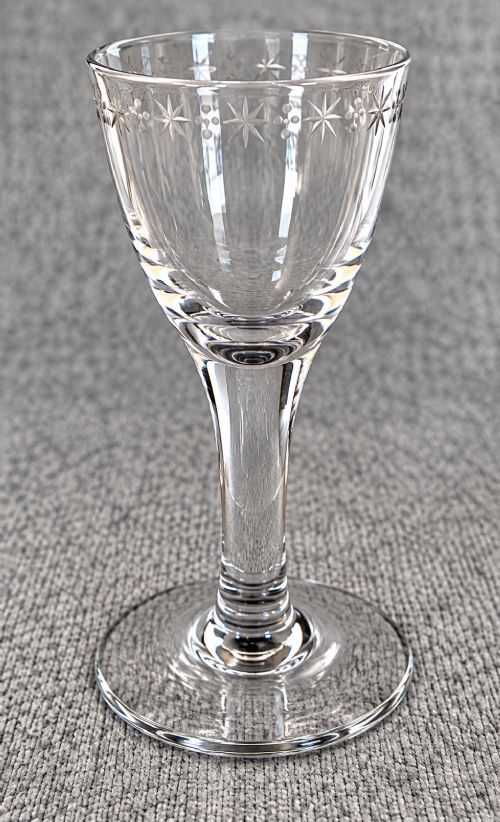
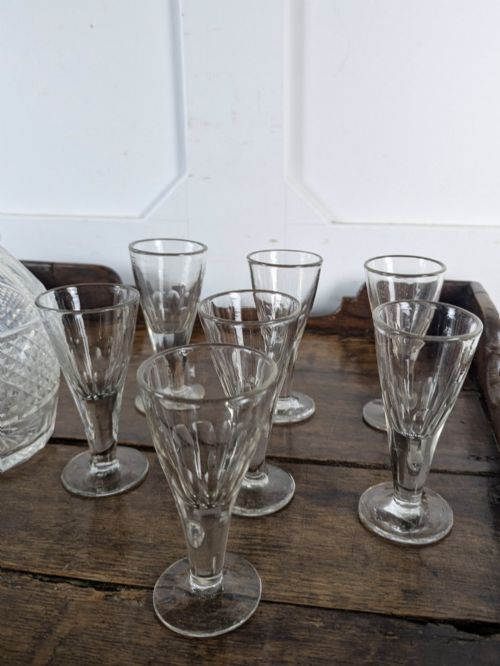
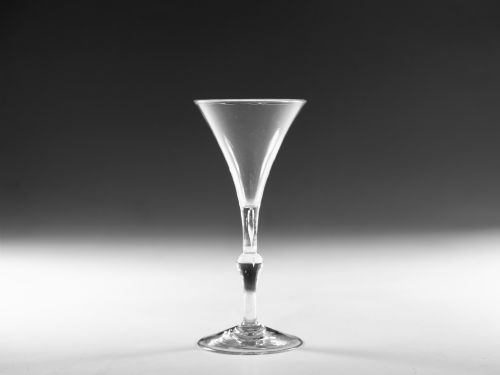
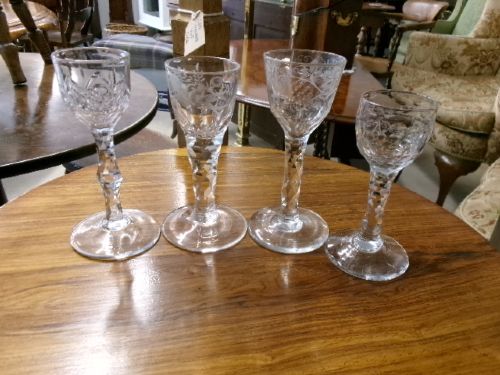
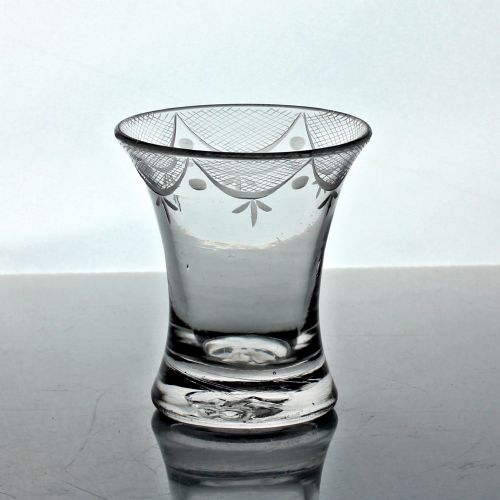
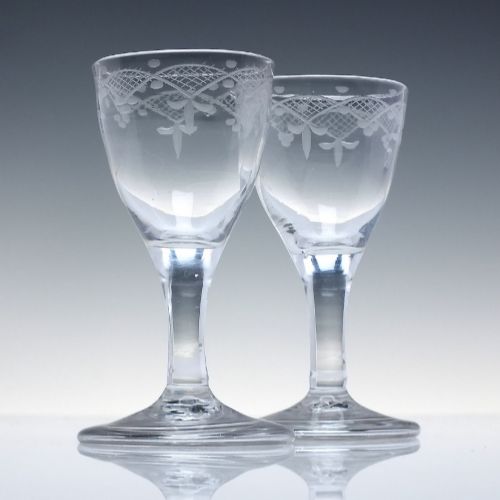
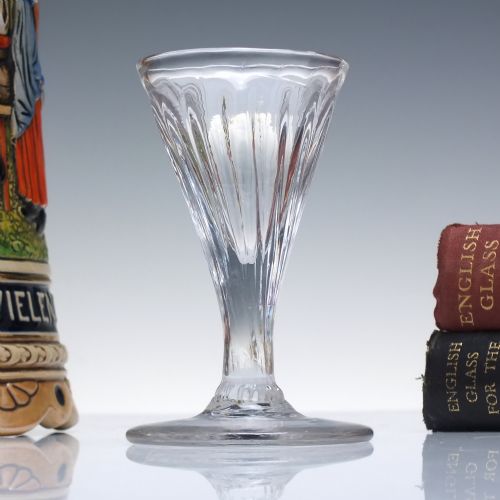
When you search for antique glass cordial glasses, you encounter a specialised form of drinking vessel intended for concentrated spirits, drams, and liqueurs. The selection frequently spans the eighteenth century and the Georgian period, alongside Victorian, Edwardian, and later examples up to the nineteen-twenties. These pieces range from simple dram glasses and firing glasses to intricately twisted stems and enamelled sets.
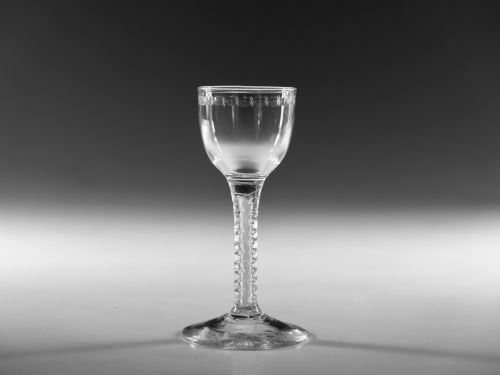
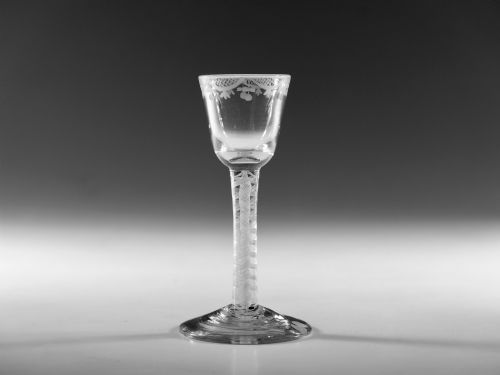
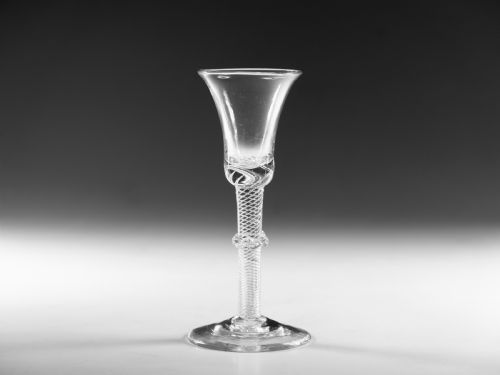
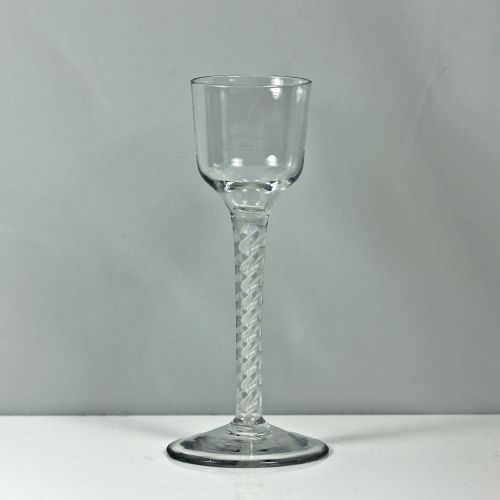
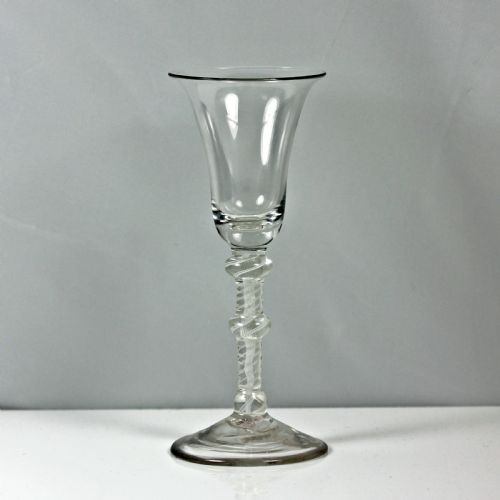
The dominant forms on this page include Georgian air twists, opaque twists, and baluster stems, alongside Victorian sherry flutes and Edwardian services. Collectors find everything from early eighteenth-century baluster dram glasses to nineteen-twenties liqueur glasses and cut glass ewers. Each period brings distinct proportions and stem formations suited to the stronger drinks of the era.
Distinctions in Quality
Quality in these drinking vessels rests upon the crispness of the cutting, the elegance of the stem formation, and the purity of the metal. Finer examples display masterly control in forming delicate air or opaque twists without distortion, whereas lesser pieces show heavier, uninspired proportions. The balance between the bowl, stem, and wide foot base dictates the visual harmony of the object.
Some tavern glasses were built with bases so thick they could hammer the table without cracking.
The Antique Glass Cordial Glasses Glossary
- Air twist
- A stem formation containing elongated spiral threads of air trapped inside the glass during manufacture. This technique required considerable skill by the glassblower.
- Opaque twist
- A stem featuring white or coloured enamel glass threads drawn into spirals within a clear lead glass rod. Double series variants combine multiple twist configurations.
- Baluster
- A heavy, thick stem style popular in the early eighteenth century, characterised by knops and swollen profiles. It derives its name from architectural column supports.
- Firing glass
- A heavy-footed drinking glass designed with a thick base that produced a sharp ringing sound when thumped on a tavern table. They were used during toasts.
- Ratafia glass
- A tall, narrow-bowled vessel specifically designed for drinking sweet fruit cordials flavoured with almond and peach stones. They date predominantly to the eighteenth century.
Antique Glass Cordial Glasses: Frequently Asked Questions
What were cordial glasses used for?
These small drinking glasses served strong spirits, liqueurs, and sweet cordials after dining. Their restricted bowl capacities suited concentrated potable contents.
Historians note that seventeenth and eighteenth-century households kept them for medicinal drams and expensive imported liquors. They represent a specific social ritual of hospitality and refinement.
How do I identify a Georgian glass?
Georgian examples often feature lead glass construction with characteristic tonal depth, weight, and pontil marks on the underside of the foot. Stem formations like air twists, balusters, and faceted cuttings help date them.
Many pieces from this era display folded feet to reinforce the rim against chipping during tavern use or formal dining. Examining the manufacturing anomalies provides clues to their age.
What is a mercury twist?
A mercury twist is an optical illusion inside the stem of a drinking glass resembling silvery liquid mercury. It is actually created by a fine thread of air or white enamel enclosed within the clear metal.
Despite the name, no actual mercury was used in the production of these stems. The technique catches ambient light brilliantly.
Can I use antique glassware today?
Many collectors enjoy using robust lead glass and crystal for special occasions, provided they receive careful hand washing. Sudden temperature changes should be avoided to protect the old material.
Due to their delicate stems and historical value, most owners prefer gentle display and occasional use rather than daily service. Hand cleaning prevents accidental damage.