
Antique Glass Centerpiece Bowl
When you search for an antique glass centerpiece bowl, you encounter grand table centrepieces and decorative dishes designed to hold fruit or flowers at formal dining tables.
Antique Glass Centerpiece Bowl
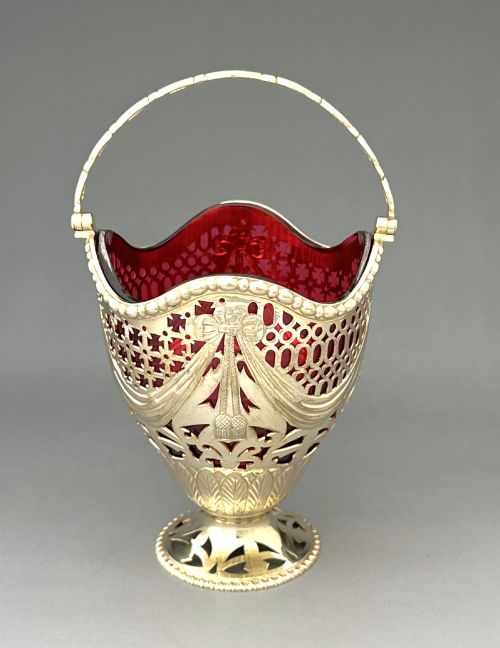
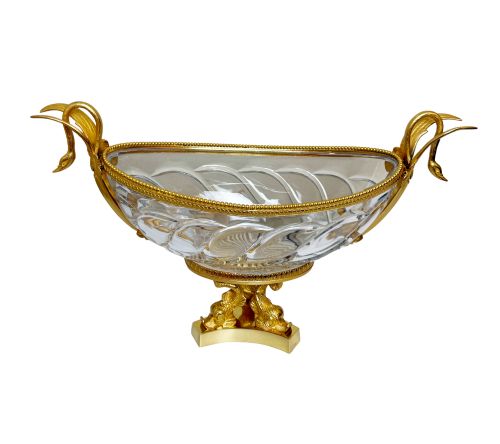
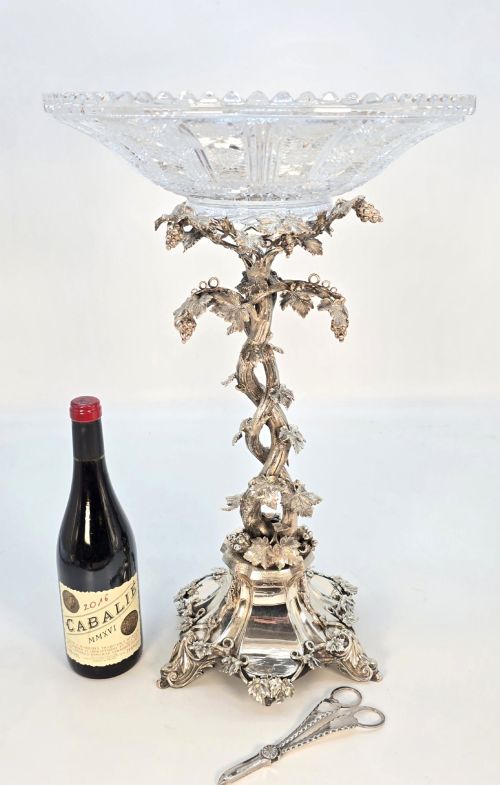
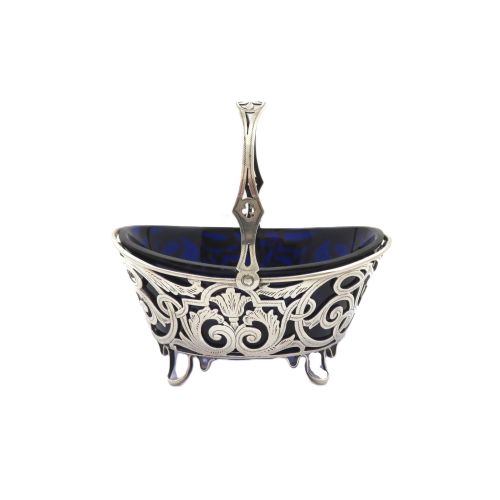
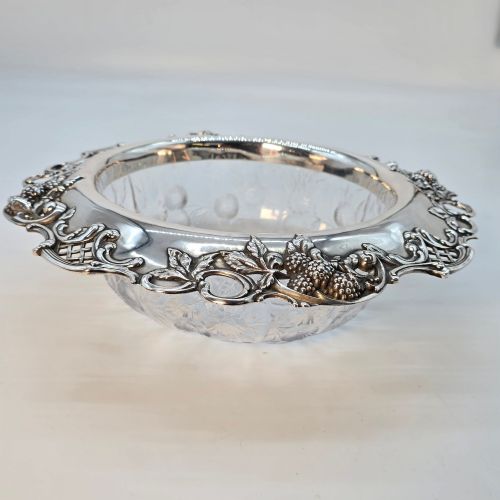
An antique glass centerpiece bowl serves as the focal point of a dining table or sideboard, combining practical utility with ornamental display. These items manifest primarily as large pedestal bowls, glass baskets with swing handles, and shallow chargers intended for visual impact.
The selections span from the Victorian and Edwardian eras into the Art Deco period, incorporating earlier Georgian and 19th-century designs. You meet pieces originating from British, French, Belgian, and Bohemian workshops, each reflecting the aesthetic preferences of their respective decade.
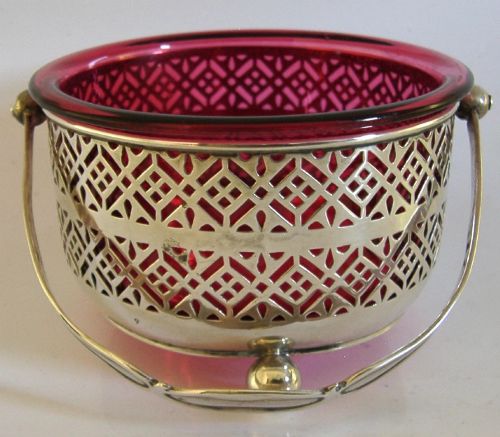
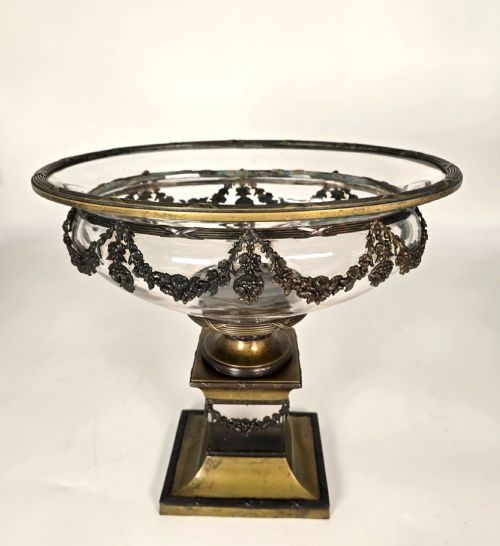
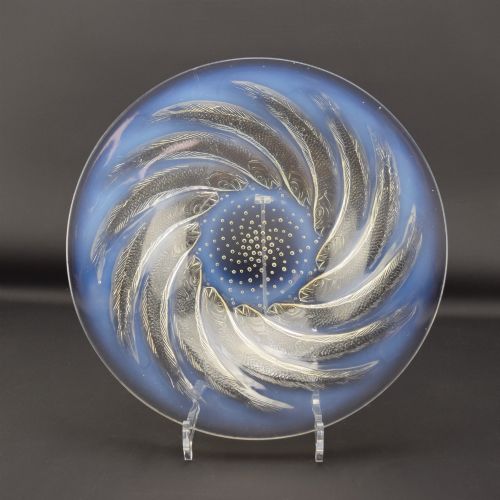
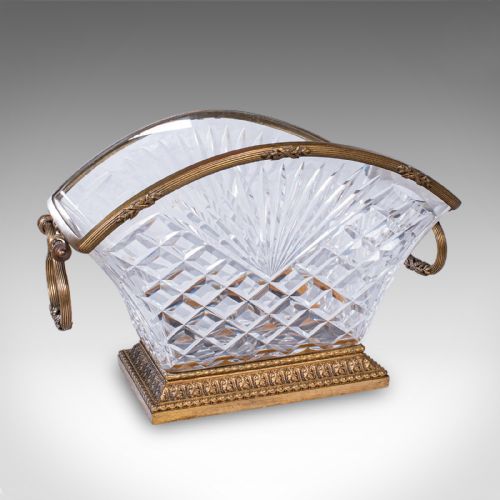
Forms vary from heavy lead crystal vessels mounted on ornate metal stands to vibrant coloured glass inserts paired with sterling silver or silver plate. Whether formed as a simple cranberry glass liner or an elaborate opalescent moulded bowl, each object occupies a central position in historical table settings.
How they were made
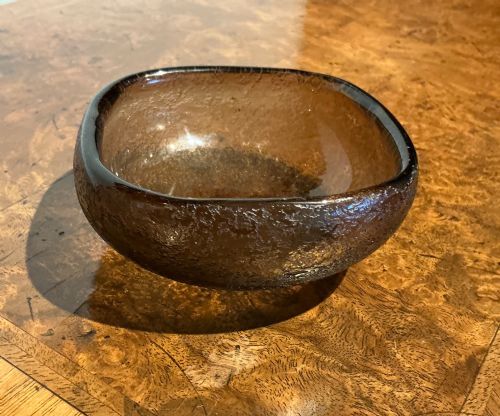
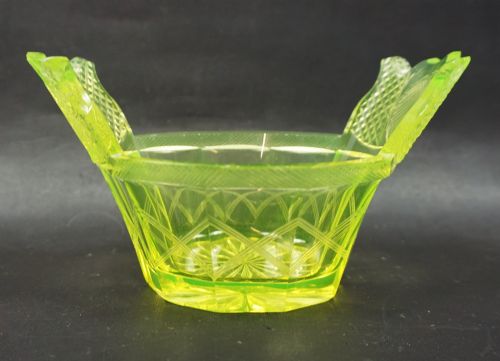
Makers shaped the glass vessels through blowing, moulding, or cutting, utilising lead crystal, uranium glass, opalescent glass, and coloured layers such as red over crystal. Techniques like acid etching, wheel cutting, and fire polishing created the intricate surface patterns seen on Victorian and Georgian examples.
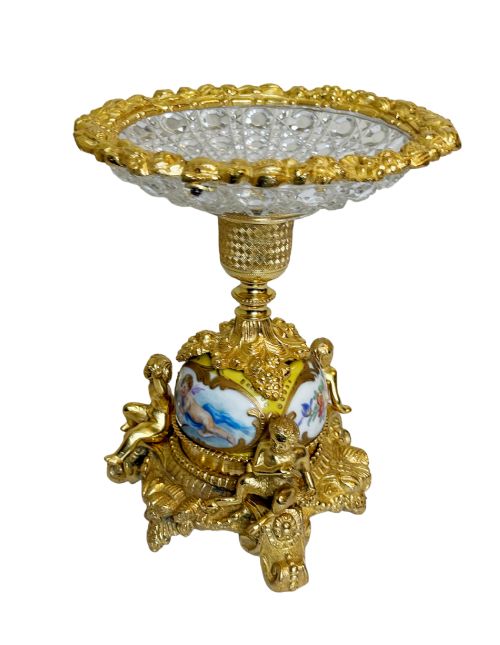
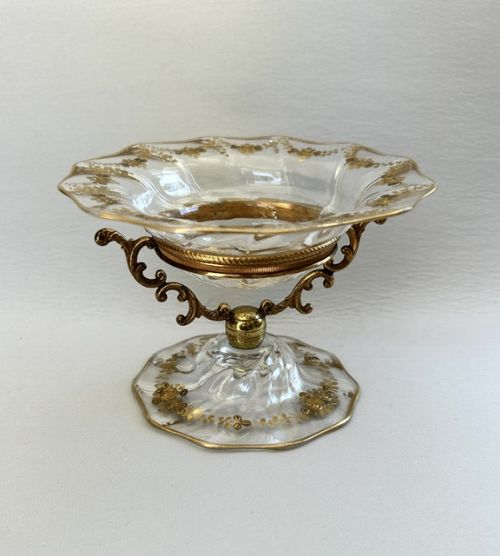
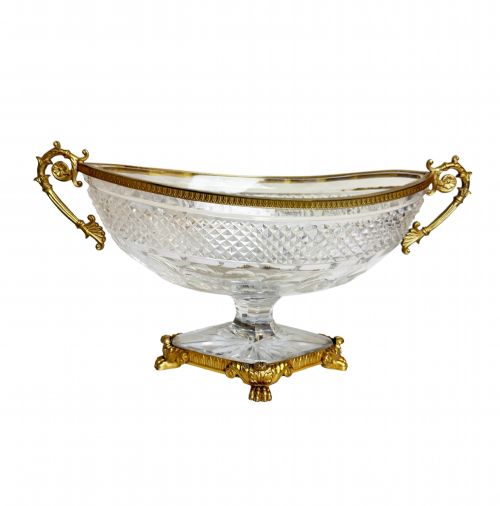
Metal mounts, frames, and stands relied on gilt bronze, ormolu, sterling silver, and silver plate. Artisans cast these metal components with cherubs, floral motifs, or geometric frames to support and elevate the glass bowls securely.
Listings feature periods spanning from Georgian and Victorian eras through Edwardian designs to Art Deco items from the 1930s.
What varies in quality
The distinction between standard production and exceptional work rests on the clarity and weight of the glass, alongside the crispness of the cutting or moulding. Heavy lead crystal with deep, hand-cut facets and polished surfaces sits at a higher level than light, plain pressed glass.
Metalwork quality separates average items from superior examples, determined by the weight of the gilt bronze or ormolu and the precision of the casting. Signed pieces by notable designers or firms demonstrate a superior level of artistry in both the glass body and the metal mounting.
Rene Lalique·Tiffany and Co·Val St Lambert·Graystan·WMF
The Antique Glass Centerpiece Bowl Glossary
- Ormolu
- Gilded bronze used widely for mounts and stands during the 18th and 19th centuries. This technique applied a gold-mercury amalgam to bronze, producing a durable, warm metallic finish.
- Vaseline glass
- A type of glass containing uranium dioxide, which gives it a distinct yellowish-green hue and causes it to fluoresce brightly under ultraviolet light. It enjoyed popularity during the Victorian and Edwardian periods.
- Opalescent glass
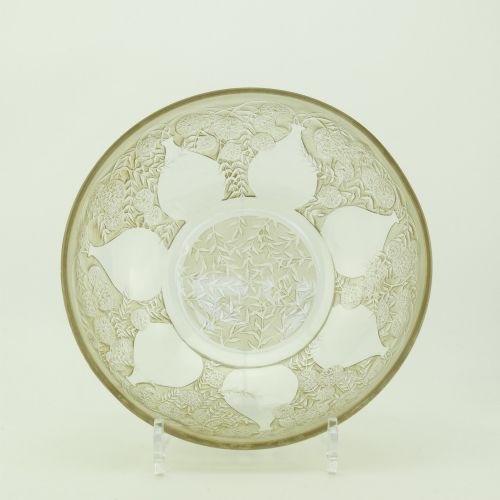
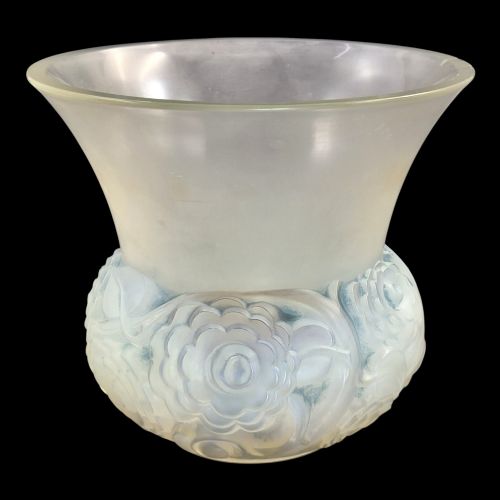
- Glass that displays a milky, translucent quality with shifting tones of blue and amber when lit from various angles. Rene Lalique utilised this effect extensively in his 1920s and 1930s designs.
- Tazza
- An elevated shallow bowl or cup resting on a foot and stem, used traditionally for serving fruit or small dishes. They appear frequently in glass and silver during the 19th century.
- Traforato
- Openwork or pierced decoration found on metalwork or ceramic vessels, allowing light to pass through the design. In glass bowls, this term describes intricate pierced baskets or rims.
Antique Glass Centerpiece Bowl: Frequently Asked Questions
What is an antique glass centerpiece bowl used for?
These large vessels functioned historically as the visual anchor of a formal dining table, holding arrangements of fruit, flowers, or sweetmeats. They stood directly on the surface or upon mirrored plateaus to reflect candle or gas lighting during dinner parties.
In modern settings, collectors utilise them similarly as standalone decorative objects on sideboards, coffee tables, or dining surfaces where their coloured glass and metal mounts remain visible.
How do I clean and care for an antique glass centerpiece bowl?
Maintenance requires gentle washing by hand in warm water with mild, non-abrasive soap. Harsh detergents and modern dishwashers can damage delicate gilt bronze mounts, silver plating, or the surface of soft opalescent glass.
Dry the glass immediately with a lint-free cloth to prevent water spots, and use a soft brush to remove dust from crevices within metal ormolu stands and pierced silver baskets.
How can I tell if a piece is Victorian or Art Deco?
Victorian examples typically feature heavy cut crystal, elaborate floral etching, and dark metals like ormolu, silver plate, or sterling silver with romantic or naturalistic motifs. They lean towards ornate, heavy proportions and decorative excess.
Art Deco pieces, by contrast, display stylised geometric forms, frosted or opalescent moulded surfaces, and simplified silhouettes often associated with makers like Rene Lalique or workshops active around 1930.
Are metal mounts original to the glass bowls?
Makers frequently produced the glass insert and the metal frame together as a unified composition, particularly in French ormolu and Edwardian silver-plated pieces. Matching the contours of the bowl precisely to the bronze or plated stand indicates an integrated manufacture.
Replacement liners do occur over centuries of use, so inspect the fit where the glass rests inside the basket or frame to ensure the components belong together.