




Antique Glass Beaker
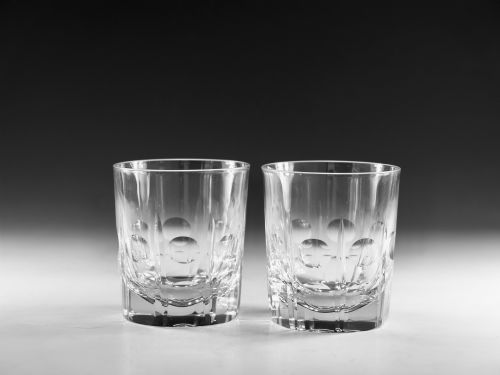
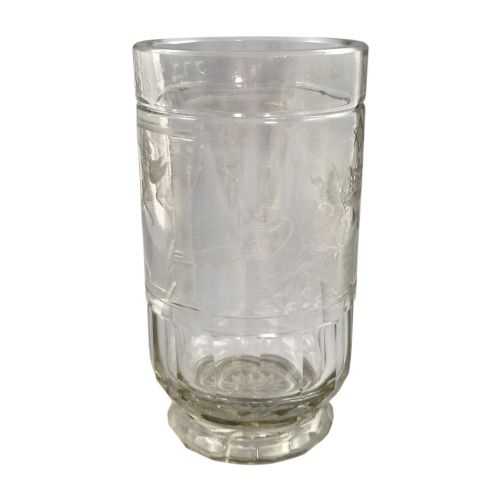
These antique glass beaker pieces combine Georgian and Victorian drinking vessels with decorative glassware.
Understanding antique glass beaker pieces
When you search for antique glass beaker, you encounter an array of drinking vessels and glassware spanning the Georgian, Victorian, and 1900 periods. Most pieces on this page take the form of traditional tumblers, footed cups, or commemorative vessels designed for everyday utility or display.
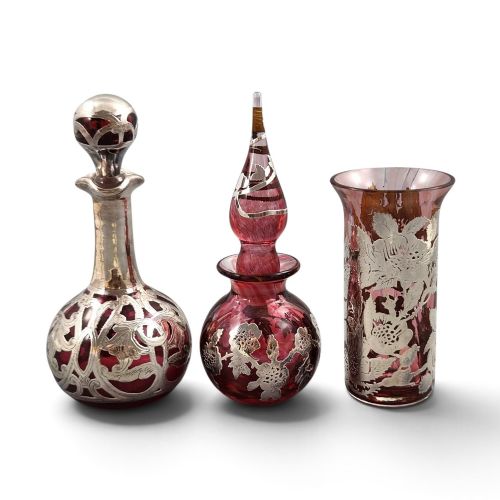
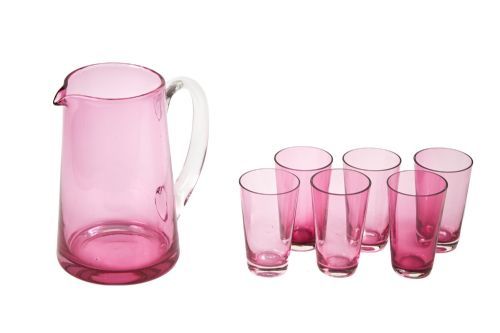
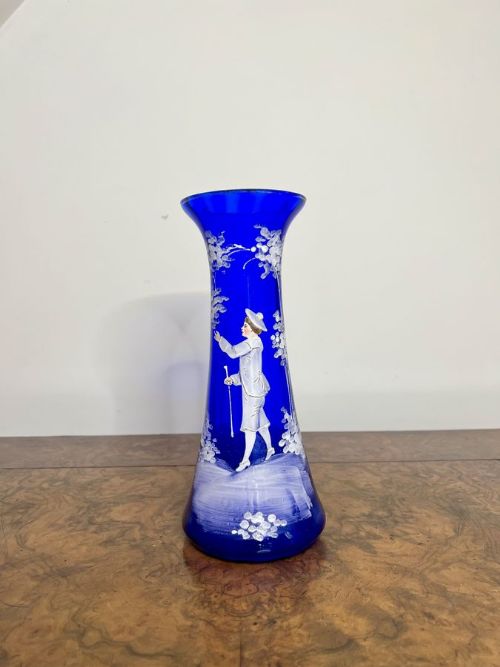
The selection ranges from early lead crystal flip glasses to later cranberry glass mugs and cobalt vases. Domestic drinking vessels dominate the inventory, though specialised apothecary measuring equipment and novelty items also appear.
Geographic origins recorded in the archive include English and Bohemian workshops. Buyers find both clear table glass and richly coloured vessels featuring engraved motifs or applied decoration.
Materials and construction
Makers utilised various glass compositions including lead crystal, flint glass, cranberry glass, and cobalt glass. Production techniques combined traditional blowing with wheel engraving, enamelling, and the application of gold leaf for decorative surface detail.
Vessels feature hand-finished rims and polished pontil marks on the base, reflecting period glasshouse practices. Some examples incorporate precious metals or wooden housings, such as silver mounts or fruitwood bottlecases.
Markers of distinction
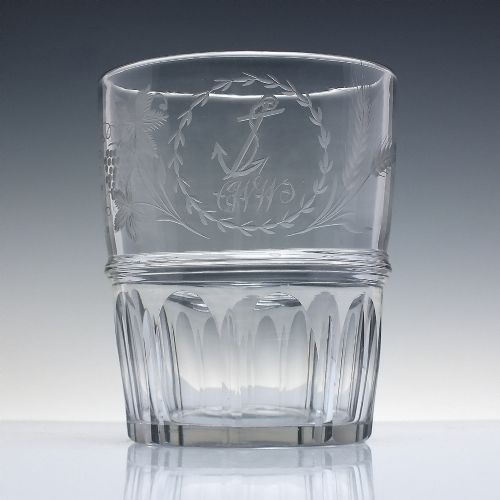
Quality rests upon the clarity of the metal, the precision of the wheel engraving, and the depth of colour in the glass body. Superior examples display crisp motifs of fruiting vines or commemorative scenes executed with steady control.
The weight and balance of the vessel indicate the skill of the glassblower. Finer pieces maintain uniform wall thickness and smooth rims, whereas simpler utilitarian items show greater irregularity.
The Antique Glass Beaker Glossary
- Cranberry glass
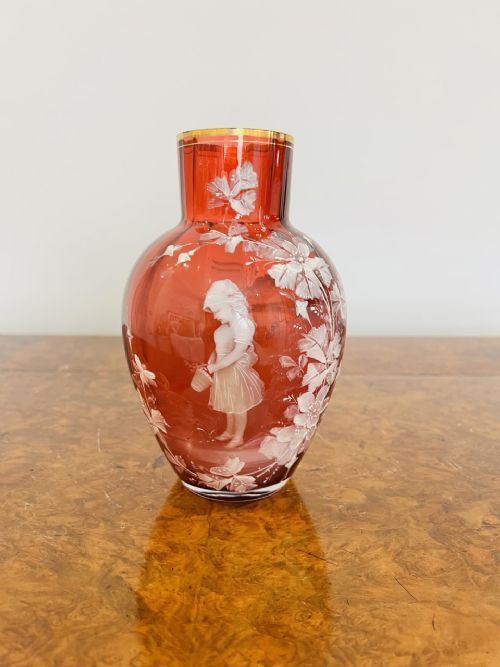
- A rich red-pink transparent glass coloured with gold chloride. This material gained popularity during the Victorian era for decorative tableware and mugs.
- Flint glass
- An early form of heavy, brilliant glass containing lead oxide. It produces a clear ringing sound when struck.
- Pontil mark
- The rough scar left on the base of a vessel where the punty rod was snapped off after blowing. Skilled makers polished this area smooth on finer items.
- Mary Gregory glass
- Glassware decorated with white enamel silhouettes of children playing in landscapes. This style originated in the late nineteenth century.
Frequently Asked Questions
How were these glass vessels used?
Most of these pieces functioned as drinking vessels for ale, wine, or spirits in domestic settings. Some specialised examples, such as apothecary beakers, served scientific or measuring purposes.
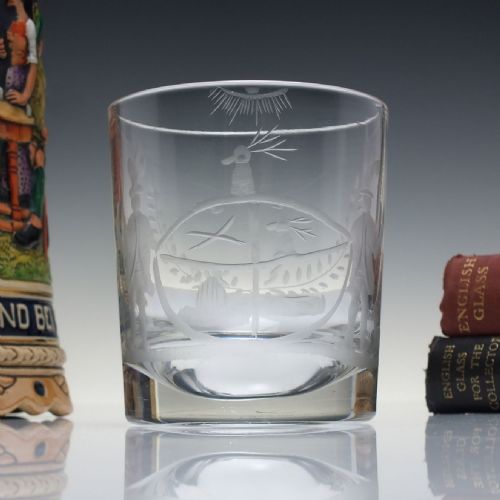
Others were made as commemorative items for fraternal orders like the Odd Fellows, marking specific social events or memberships.
How do I care for antique glass?
Wash antique glass gently by hand using lukewarm water and mild detergent. Avoid sudden temperature changes to prevent thermal shock and cracking.
Store vessels securely on stable flat surfaces away from direct sunlight and heavy foot traffic to protect fragile rims and engraved details.
How can I tell Georgian glass from Victorian glass?
Georgian glass often utilises heavy lead crystal with simple wheel-engraved motifs and a darker metal tone. The forms tend to reflect neoclassical proportions and restraint.
Victorian pieces frequently introduce vibrant colours like cranberry and cobalt, alongside more elaborate enamelling, gold leaf, and pictorial designs.