
Antique Glass Artwork
These antique glass artwork pieces bring intricate detail and historical depth to interiors through centuries-old techniques.
Antique Glass Artwork
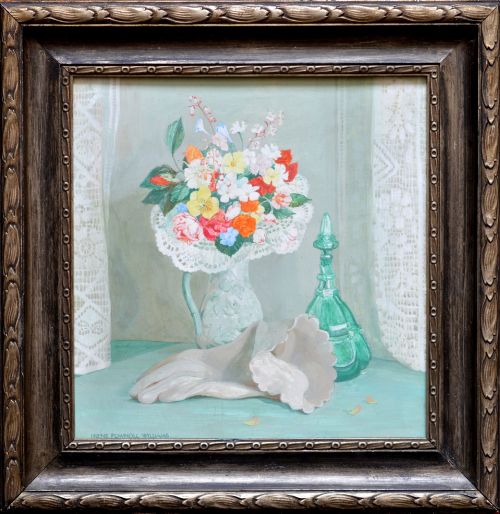
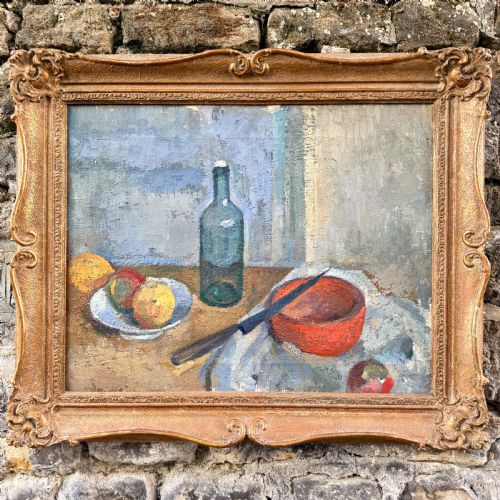
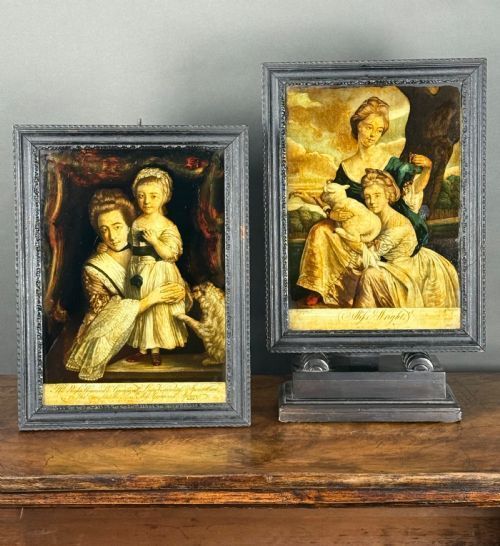
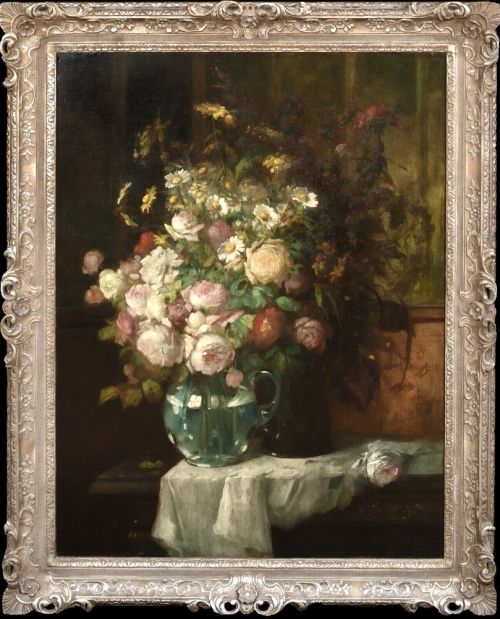
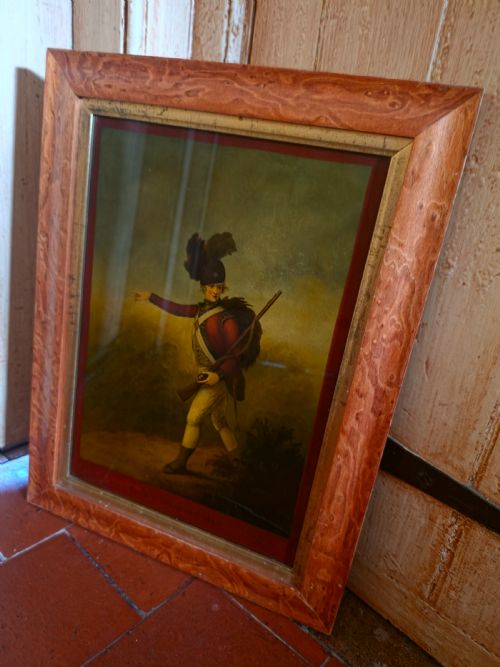
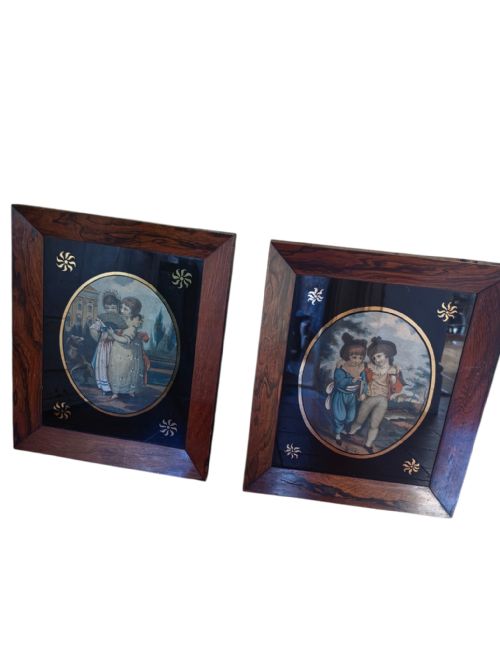
When searching for antique glass artwork, buyers encounter a diverse selection of items created across the eighteenth, nineteenth, and early twentieth centuries. The inventory reflects a strong presence of historic decorative items rather than conventional canvas paintings.
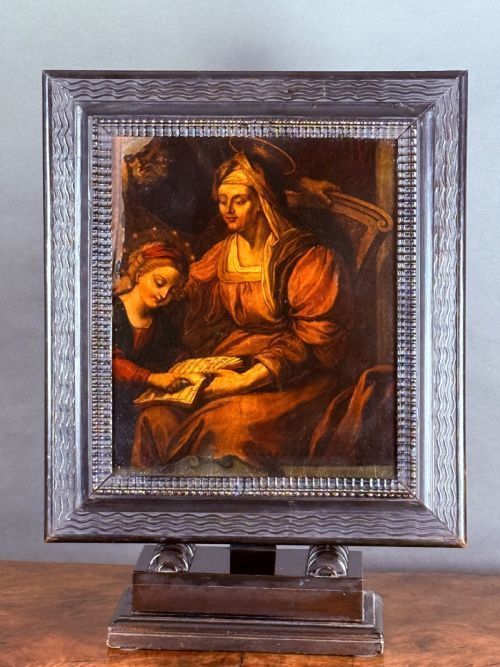
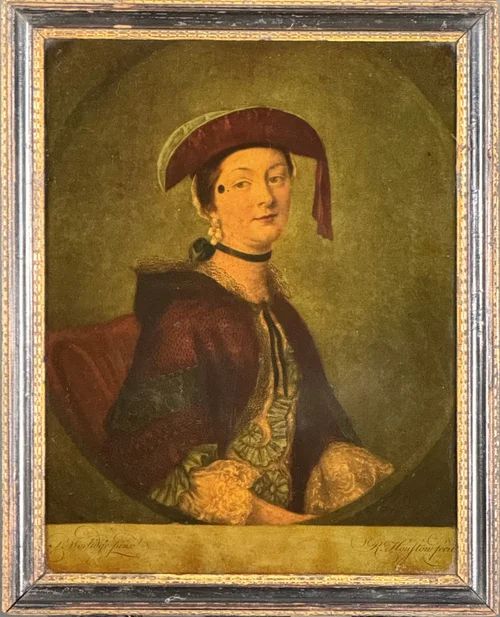
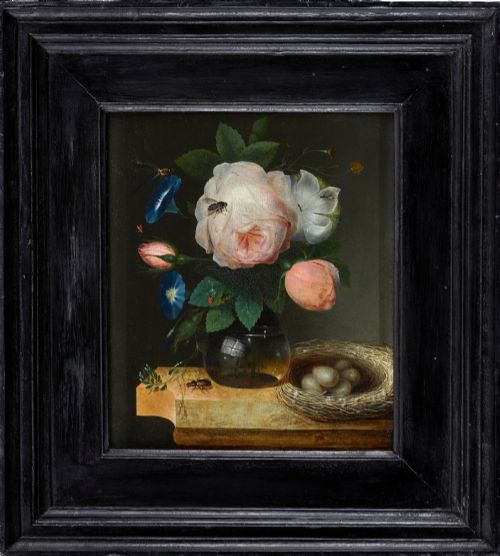
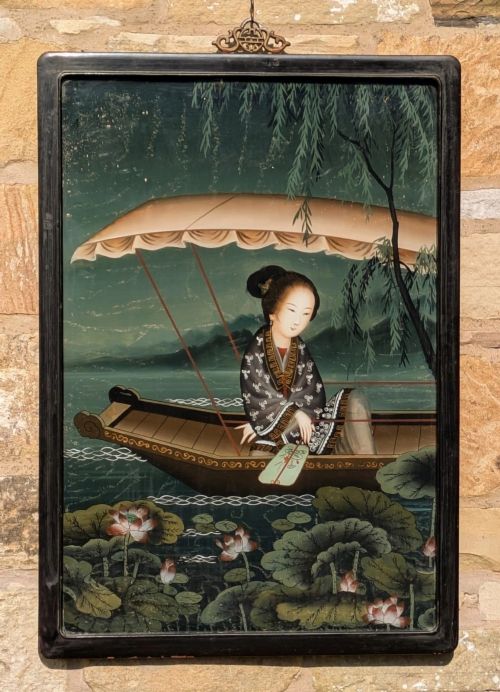
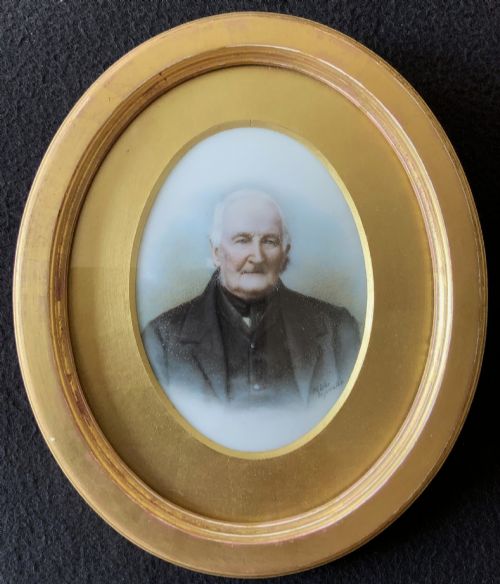
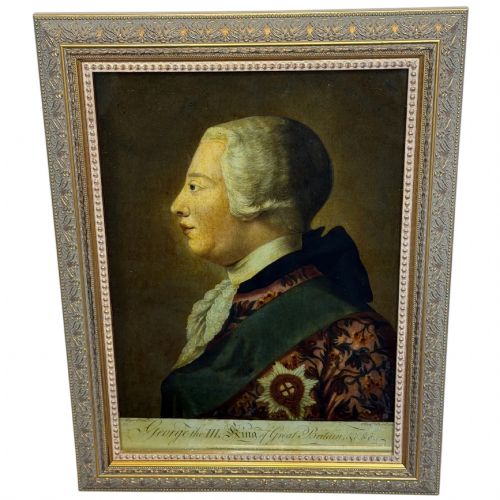
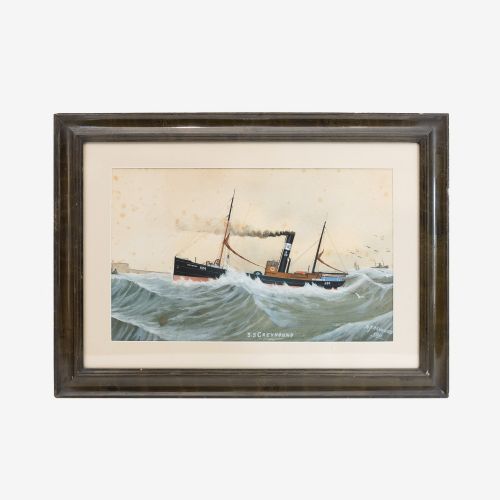
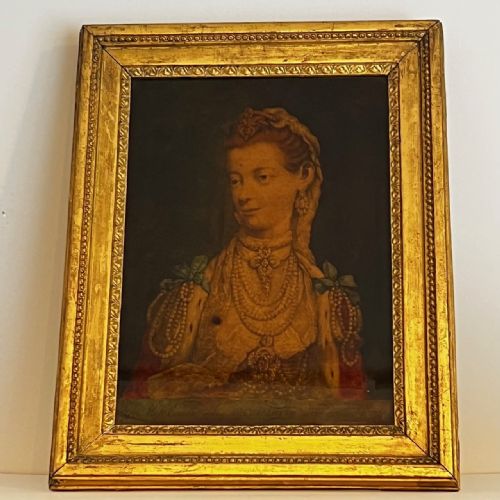
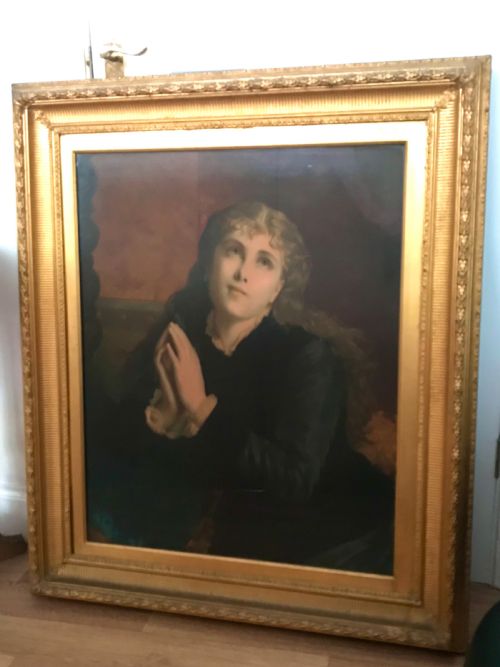
The most common forms on this page include reverse glass paintings, mezzotints, and framed prints set behind protective glazing. These works capture portraits, still lifes, and narrative scenes originating from British, European, and Chinese export traditions.
How They Were Made
Makers applied pigments, oils, and inks directly onto the reverse side of glass panels, often utilising meticulous hand-painting or transfer printing methods. This reverse technique protected the delicate layers of paint from dust and damage while creating a distinct reflective depth when viewed from the front.
Framing materials such as rosewood, maple, giltwood, and ebonised wood completed the presentation, securing the glass substrates and enhancing the visual impact of the imagery.
What Varies In Quality
The standard of execution depends on the precision of the brushwork and the clarity of the underlying glass substrate. Superior examples display fine line work and well-preserved colour application without extensive pigment flaking or modern restoration.
Original framing and housing contribute significantly to the overall integrity of the piece. Items retaining their period wooden frames and undisturbed backing materials hold greater visual and historical coherence.
Irene Christobelle Pownoll Williams·Charles Spooner·Konstantin Stoitzner·Gaspar Peeter Verbruggen·Richard Purcell·Alexander Harwood·Robert Sayer·William Edward Fox·Takabatake Kasho·Edward Ladell·Richard Phillips
The Antique Glass Artwork Glossary
- Reverse glass painting
- A technique where the artist paints or prints directly onto the back of a glass panel so the image is viewed correctly from the front. This method protects the pigments from environmental wear.
- Mezzotint
- A printmaking process where the copper plate is roughened to achieve rich tonal gradations and dark backgrounds. When applied to glass works, these prints were often hand-coloured.
- Chinese Export
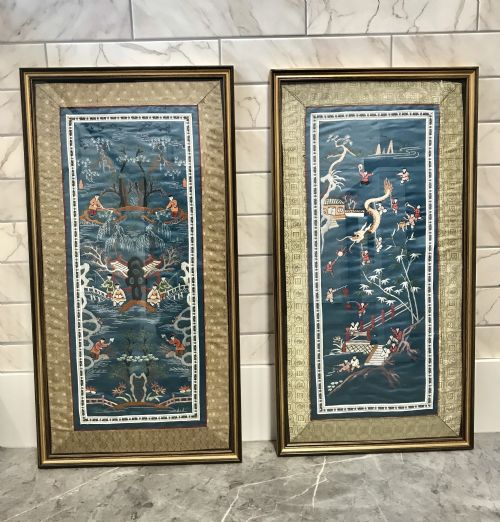
- Goods manufactured in China specifically for Western markets, frequently featuring traditional motifs adapted to European tastes. These items often utilised mirror glass or silk elements.
- Micromosaic
- An intricate decorative art form made from tiny coloured glass tesserae assembled to create detailed pictorial scenes. These panels were commonly set into frames or small objects.
Antique Glass Artwork: Frequently Asked Questions
How do you clean antique glass art?
Dust the surface gently with a soft, dry cloth to prevent any debris accumulation on the frame or glass.
Avoid applying liquid cleaners directly to the artwork, as moisture can seep behind the glass and damage the underlying paint or paper.
Where should I hang reverse glass paintings?
Position these pieces away from direct sunlight to prevent the pigments from fading over time.
Choose interior walls with stable humidity levels to protect both the fragile glass substrate and the wooden frame.
How can I tell a Georgian piece from a Victorian one?
Georgian examples often feature classical portraiture, allegorical seasonal themes, and simplified reverse glass mezzotint techniques.
Victorian variations tend to introduce broader subject matter, including impressionist still lifes and varied framing styles like ebonised wood.
Are these artworks fragile?
The glass panels require careful handling during movement or redecorating because the historical materials are inherently delicate.
Secure hanging wire and appropriate wall anchors ensure the weight of the framed piece is supported safely.