


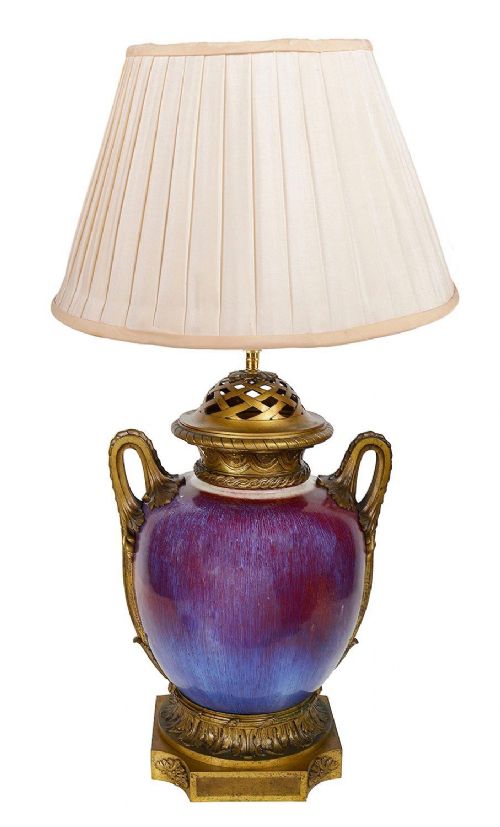

Antique Gilt Urn Lamps
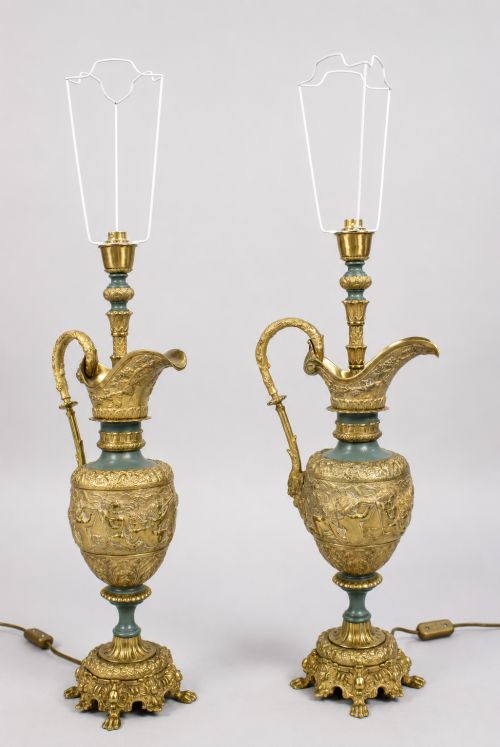
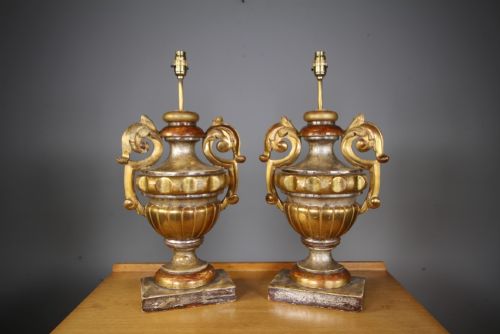
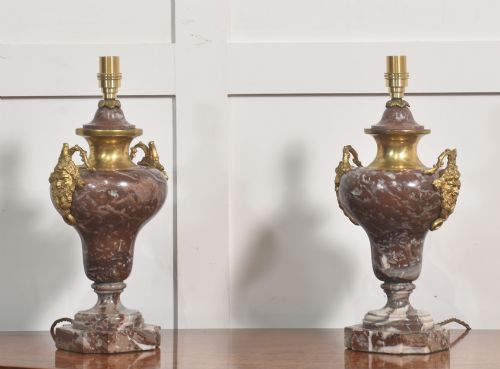
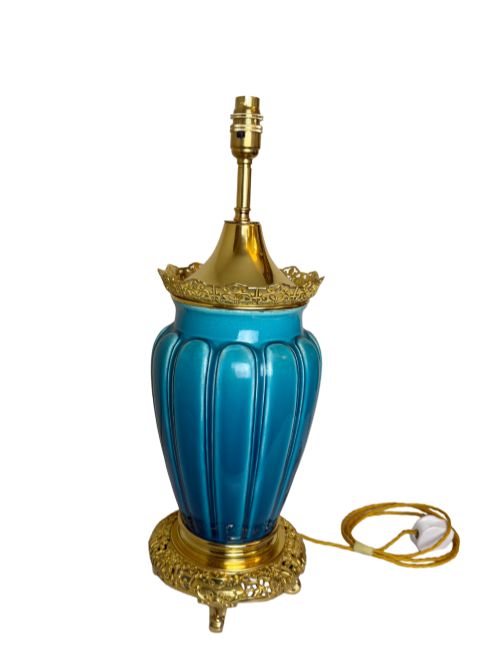
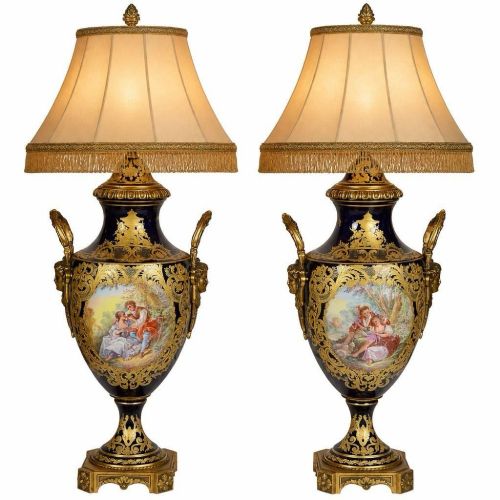
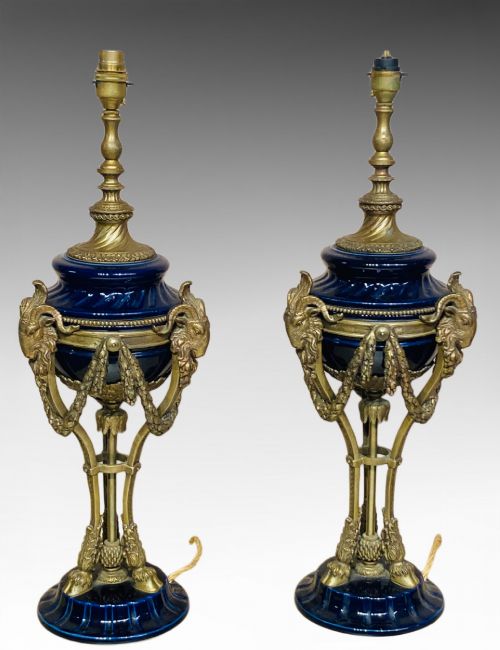
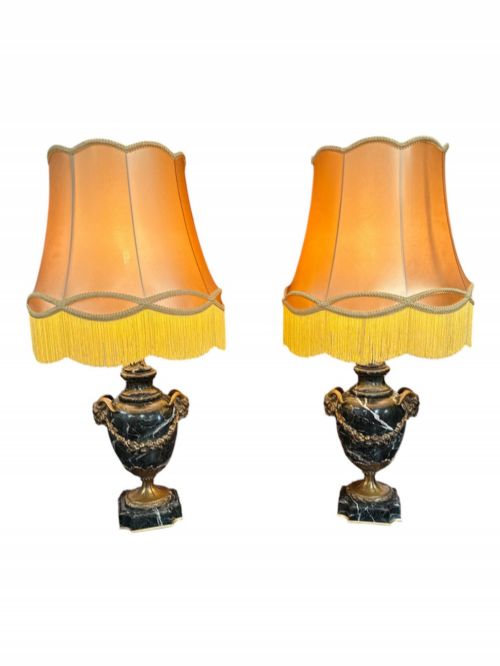
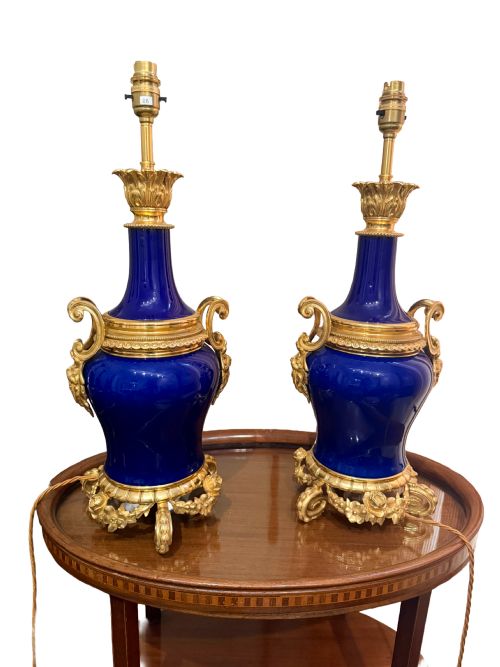
These antique gilt urn lamps bring classical form and warm illumination together, pairing gilded metal or ormolu with stone and porcelain bodies.
Antique Gilt Urn Lamps
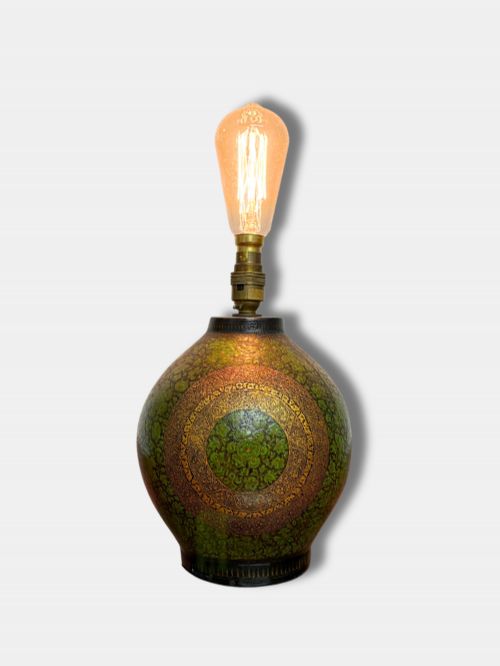
When you search for antique gilt urn lamps, you encounter converted vessels, oil lamps, and decorative urns adapted for electric illumination across the nineteenth and early twentieth centuries. The form derives from classical antiquity and later revival styles, utilising urn, ewer, and cassolette shapes mounted on formal bases.
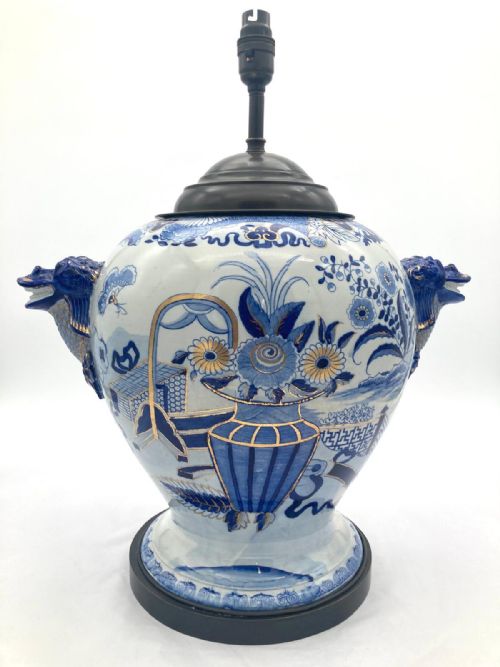
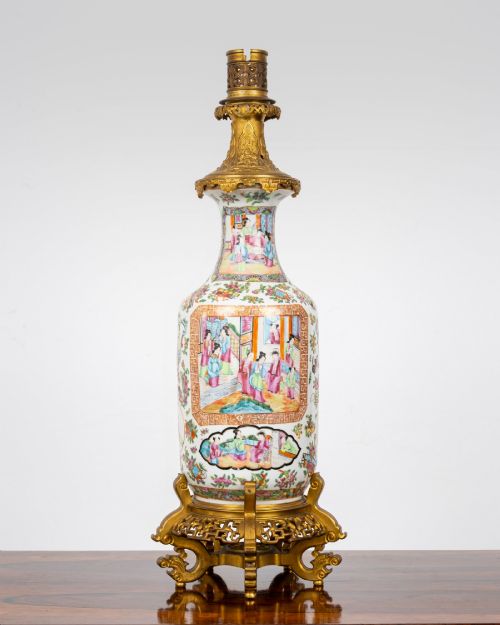
The nineteenth century dominates this selection, particularly through French Neoclassical, Louis XVI style, and Rococo Revival designs executed in Paris and the wider continent. Alongside European works, Asian porcelain bodies appear with gilt bronze mounts, creating varied interpretations of the classical urn format.
Pairs appear frequently among these listings, offering symmetrical options for mantelpieces, sideboards, and console tables. Single lamps also occur, often originating from larger garnitures or converted decorative vases.
Materials and construction methods
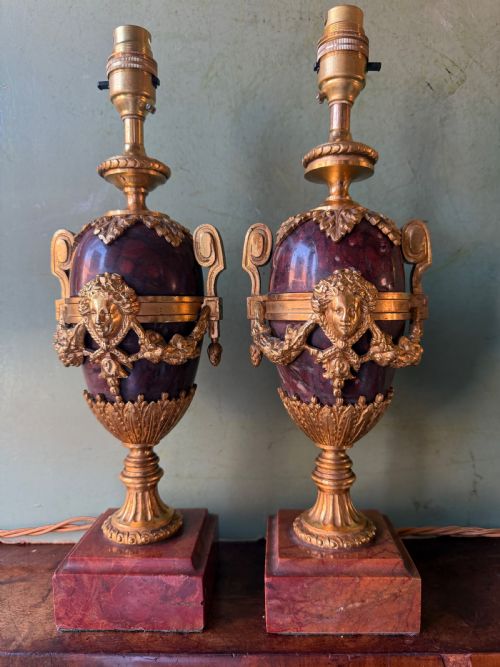
The construction combines cast metals with ceramic, stone, and occasionally carved wood elements. Ormolu and gilt bronze provide the metallic mounts, handles, and feet, whilst bodies utilise marble, onyx, rouge royal stone, pine, and glazed porcelain.
Manufacturing methods involve casting bronze or brass before applying fire gilding or electrogilding to create the characteristic golden surface. Stonework is turned and polished, and porcelain bodies frequently feature hand-painted decoration beneath metal collars and mounts.
Watch for mischievous cherubs perched amongst the ormolu mounts, keeping a watchful eye on your evening reading.
Assessing quality in gilt urn lamps
Quality separates through the crispness of the metal chasing and the depth of the gilding on the ormolu mounts. Finer examples display sharp relief work on floral, scroll, and figural motifs, whereas simpler pieces show softer cast details.
The choice of body material also marks the hierarchy of pieces, distinguishing standard turned metal from selected rouge marble, onyx, or finely painted Paris and Sevres style porcelain. The integration of the mounts to the stone or ceramic body reveals the skill of the original maker.
The Antique Gilt Urn Lamps Glossary
- Ormolu
- Gilded bronze, produced by applying a mixture of gold and mercury to a bronze base and heating it. This technique creates a durable golden finish seen on many French revival pieces.
- Cassolette
- A decorative vase or urn with a reversible lid that functions either as a closed vessel or a candle holder. In lighting, these bodies are adapted to carry lamp fittings.
- Ewer
- A large jug with a wide spout and handle, used historically for water or wine. Adapted examples form slender, graceful table lamps.
- Satsuma
- A type of Japanese earthenware featuring a crackle glaze and polychrome enamel decoration. These vessels frequently received European metal mounts.
Antique Gilt Urn Lamps: Frequently Asked Questions
What periods do these lamps come from?
The selection spans primarily from the nineteenth century into the early twentieth century, incorporating earlier stylistic revivals such as Louis XVI and Neoclassical designs. Makers of these periods drew directly on eighteenth-century classical motifs.
Dates range from the 1880s through the 1920s and 1930s, capturing both European foundry production and global export pieces.
How were these urns converted into lamps?
Original vessels, oil lamps, and decorative vases were drilled or fitted with internal wiring conduits during conversion. Brass and ormolu hardware was added to secure bulb sockets and shades.
Many pieces retain their original mounting hardware while incorporating modern wiring for safe household use.
How do I care for antique ormolu?
Gilt bronze and ormolu require gentle dusting with a soft, dry cloth to prevent accumulation of dirt in the chased recesses. Avoid abrasive cleaners or metal polishes that strip the thin layer of gold.
Marble and porcelain bodies can be cleaned with a slightly damp cloth, taking care to keep moisture away from electrical components.
Are these lamps sold as pairs?
Many listings feature matched pairs, which originate from mantel garnitures or symmetrical interior schemes. Single lamps also appear independently.
Checking the descriptions confirms whether a listing includes two matching pieces or stands as a single lamp.