





Classic Urn Table Lamp
These classic urn table lamps bring sculptural form and warm illumination into a room, grounded in centuries of decorative tradition.
Classic Urn Table Lamp
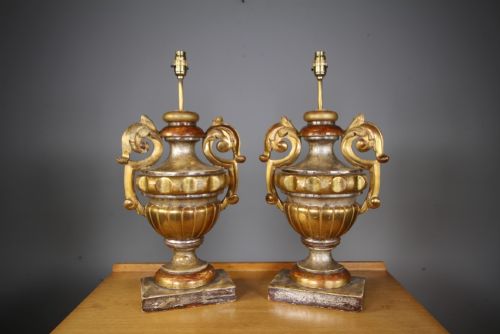
A classic urn table lamp takes its structural inspiration from ancient vessels, reinterpreting traditional forms for domestic lighting. Buyers searching this phrase encounter pieces that bridge decorative art and functional illumination, drawing on historical shapes such as classical vases and ewers.
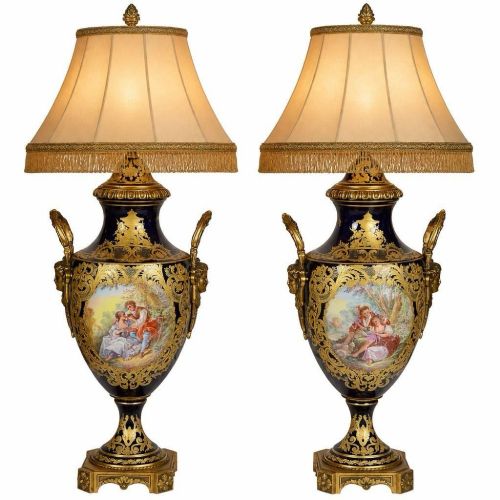
The selections span the nineteenth and twentieth centuries, encompassing Victorian, Edwardian, and Art Deco periods. Many examples originate from French workshops, utilising porcelain, bronze, and marble to create substantial centrepieces for interior schemes.
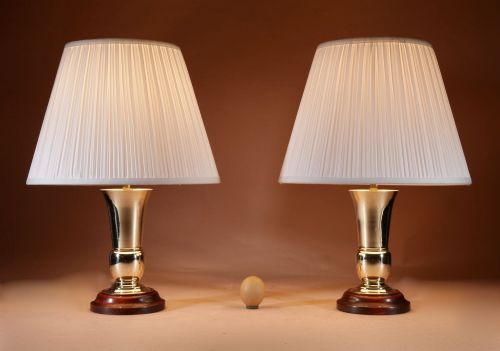
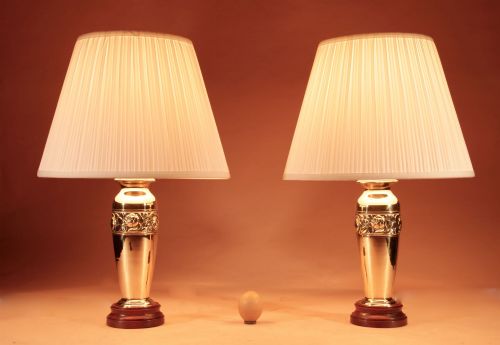
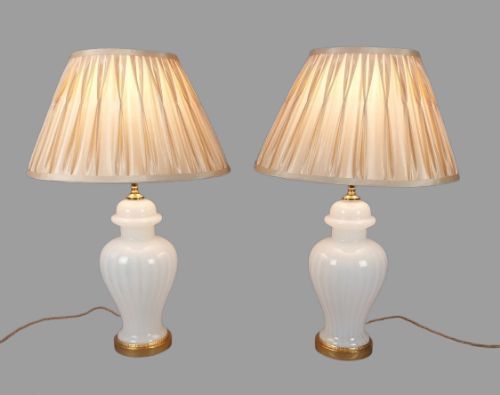
Pairs dominate the available selection, often adapted from earlier candlesticks, vases, or decorative bronze urns. These converted objects retain their classical symmetry while serving modern lighting requirements.
Assessing craftsmanship
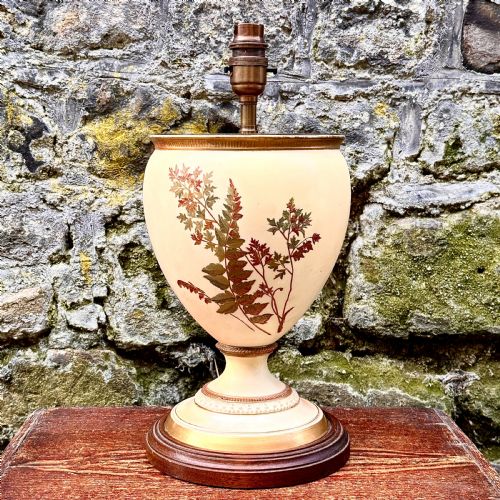
Quality rests in the crispness of the casting and the depth of the patination on bronze and ormolu mounts. Finer examples display meticulous hand-chasing on metalwork and superior hand-painted detail on porcelain bodies.
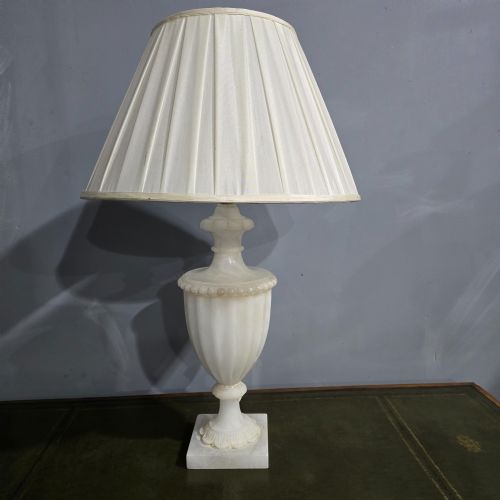
The integrity of the material choice distinguishes the upper tier of pieces, seen in heavy carved alabaster, genuine marble bases, and substantial brass or bronze mounts rather than lighter substitute metals.
The listings span from the late nineteenth century through the 1950s, highlighting a preference for French porcelain, brass, and bronze.
Royal Worcester·Sevres
The Classic Urn Table Lamp Glossary
- Ormolu
- Gilded bronze, widely utilised in French furniture and lighting manufacture during the nineteenth century. It provides a bright, durable golden finish to decorative mounts.
- Sevres style
- A descriptor for porcelain decorated in the manner of the famous French factory, often featuring rich blue grounds and hand-painted gilt accents.
- Alabaster
- A fine-grained, translucent stone used for carving lamp bodies. Its natural veining allows light to diffuse softly through the material.
- Ewer
- A large jug with a wide spout, frequently adapted in nineteenth-century decorative pieces to form the central body of a table lamp.
- Neoclassical
- A design style inspired by the classical art and architecture of ancient Greece and Rome. It prioritises symmetry, proportion, and restrained ornamentation.
Classic Urn Table Lamp: Frequently Asked Questions
How do I date a classic urn table lamp?
Dating relies on examining the materials, mounting techniques, and electrical components where original wiring or fittings survive. Stylistic cues such as Art Deco geometric lines or Victorian florid casting also indicate the period of manufacture.
Secondary indicators include the wear on the base, the composition of the ceramic or metal body, and the fastening methods used inside the construction.
Were these lamps always used for lighting?
Many pieces began life as decorative ornamental urns, ewers, or candlesticks before undergoing later conversion into lamps. This practice preserves historical decorative objects while adapting them for contemporary domestic interiors.
Conversion dates often align with the electrification of homes in the early twentieth century or mid-century interior design revivals.
How do I style a pair of urn lamps?
Pairs work effectively on large sideboards, entrance hall consoles, or balanced symmetrically on either side of a fireplace. Their vertical presence draws the eye upward, making them suitable for anchoring a room's decorative scheme.
Choosing fabric shades that complement the tones of the porcelain, marble, or bronze body helps integrate the lamp into existing colour palettes.
What maintenance do these lamps require?
Care involves gentle dusting with a soft, dry cloth to protect delicate gilt finishes and hand-painted porcelain surfaces. Metal components benefit from avoiding abrasive cleaning products that might strip historical patination.
Periodic checks of the wiring by a qualified professional ensure safe operation, particularly with older or converted pieces.