



Regency Style Urn Lamps
Regency style urn lamps bring classical form and warm illumination together, offering an architectural presence that anchors a traditional room.
Regency Style Urn Lamps
Regency style urn lamps draw upon classical antiquity, taking the classical shape of a covered vessel and adapting it for interior lighting.
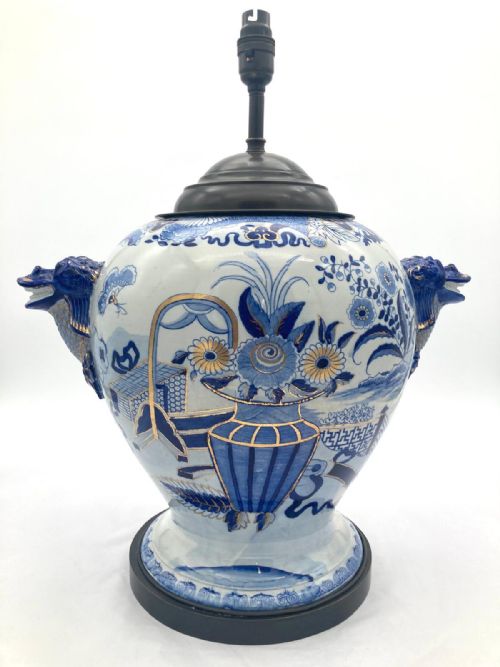
The selections available here span from the nineteenth century through later twentieth century revivals, capturing Neoclassical and Chinoiserie aesthetics.
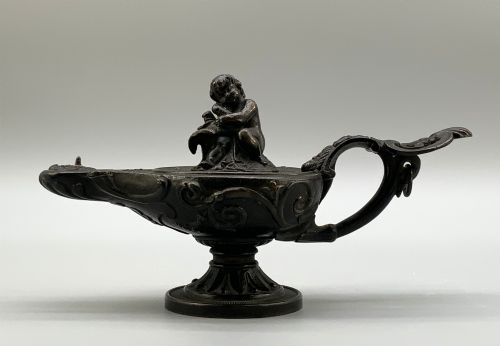
Forms include converted oil lamps, decorative vases, and figural bronzes, reflecting both original period manufacture and later adaptations.
How They Were Made
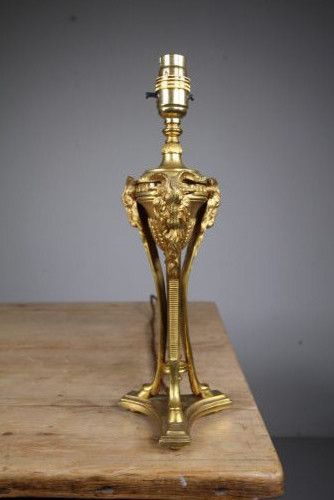
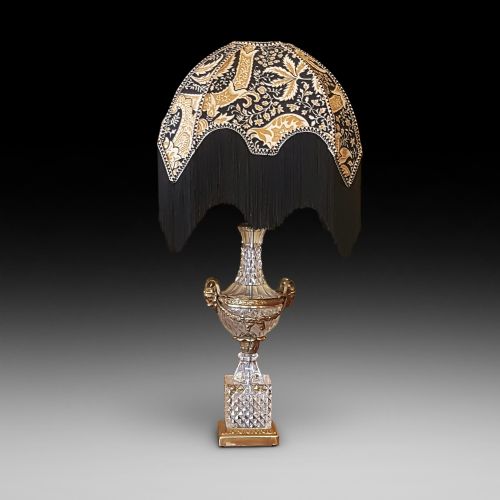
Metalwork forms a core component, utilising cast brass, ormolu, and gilt bronze to create crisp classical details like ram heads and mounts.
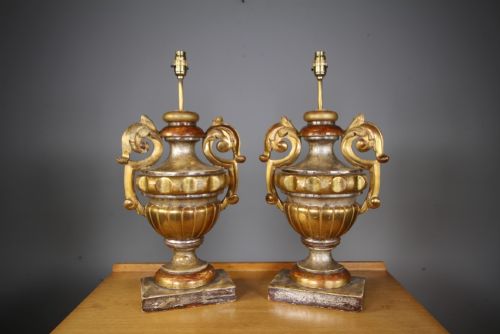
Carved timber pieces rely on pine and giltwood, finished with gold leaf to achieve a rich metallic surface reminiscent of antique stonework.
Mineral materials such as marble and alabaster provide heavy, stable bases and bodies, shaped by hand and polished to a smooth finish.
Current listings feature pieces spanning the nineteenth and twentieth centuries, incorporating materials from carved pine and giltwood to marble and brass.
What Varies in Quality
The refinement of the casting and carving dictates the overall visual impact, distinguishing sharp, deep relief from softer, more generalised decoration.
Materials range from substantial marbles and heavy bronzes to lighter turned timber, altering the physical weight and tactile presence of the piece.
The integrity of the gilding and surface finish determines how well the object catches the light and ages within an interior scheme.
The Regency Style Urn Lamps Glossary
- Ormolu
- Gilded bronze, typically mercury-gilded, used extensively for decorative mounts and figural elements during the nineteenth century. It produces a rich golden lustre.
- Neoclassical
- A style rooted in the art and architecture of classical Greece and Rome, prioritising symmetry, restraint, and classical motifs. Urn shapes are central to this design language.
- Chinoiserie
- European decorative art influenced by Chinese artistic traditions, featuring lacquerwork, gilt detailing, and exotic scenes. This style appears on select lacquered metal lamp bodies.
- Giltwood
- Timber that has been coated with fine gold leaf or powder, providing a luminous surface that mimics solid gold. It is frequently seen on carved nineteenth century lamp bases.
Regency Style Urn Lamps: Frequently Asked Questions
What periods do these lamps come from?
The pieces span the nineteenth century, including the Regency and Victorian eras, alongside twentieth century revivals up to the nineteen thirties.
This mix reflects both original antique manufacturing periods and subsequent decades inspired by classical design.
Are these lamps converted from older objects?
Many examples begin life as decorative vessels, urns, or oil lamps before being wired for electricity in later years.
This conversion process allows historical objects to function as practical table lighting while retaining their original decorative bodies.
What materials are commonly used?
Construction relies heavily on metals like brass, bronze, and ormolu, often paired with carved pine, giltwood, marble, or alabaster.
Fabric shades typically complete the assembly, balancing the heavy metallic or stone bases.
How do I identify a Neoclassical design?
Neoclassical pieces feature restrained geometric proportions, symmetrical urn silhouettes, and classical ornamentation such as ram heads or foliage.
These elements draw directly from archaeological discoveries of antiquity popularised during the nineteenth century.