
Antique Gilt Table Candlesticks
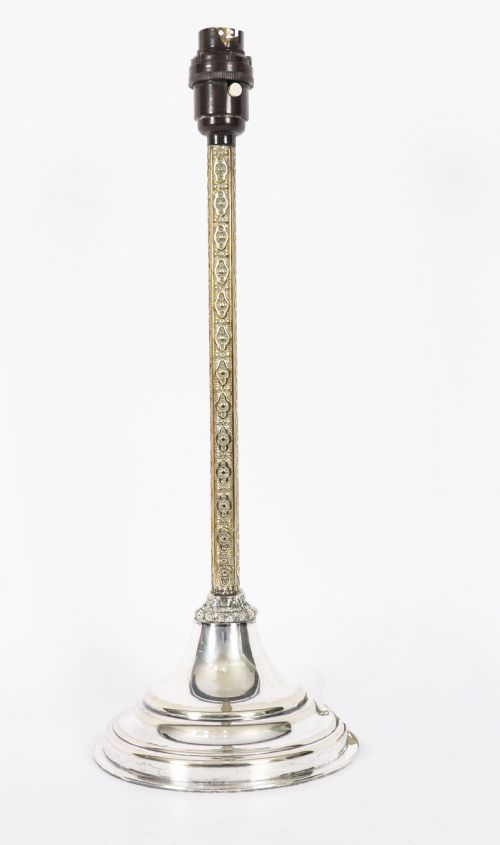
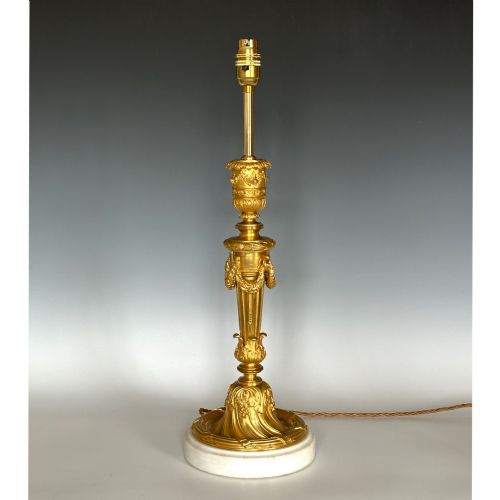
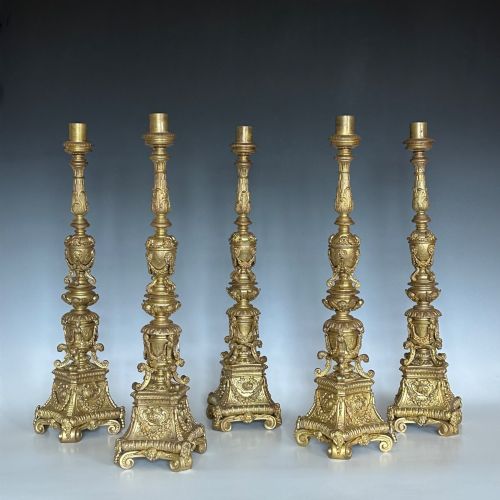
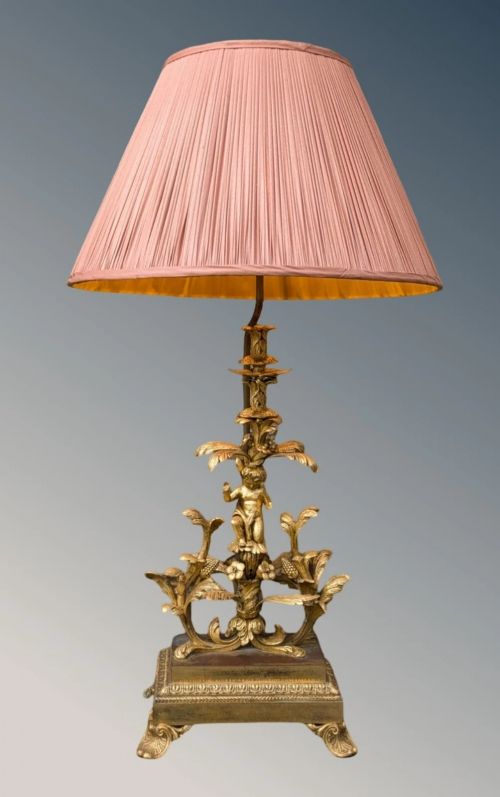
These antique gilt table candlesticks bring warmth and period decoration to a room, whether wired as lamps or holding wax.
Antique Gilt Table Candlesticks
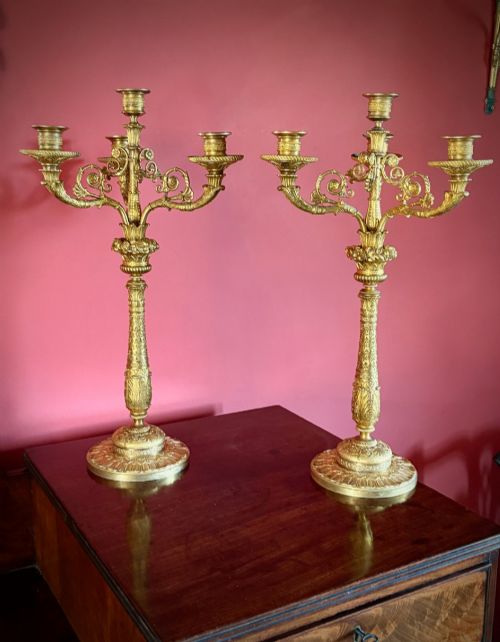
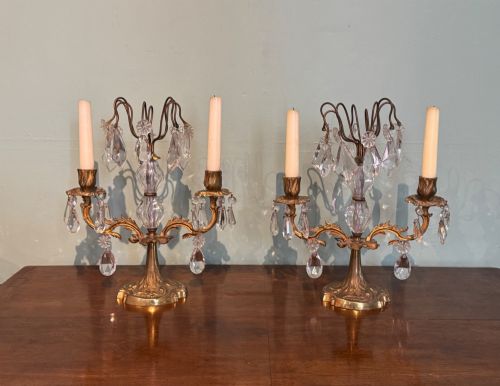
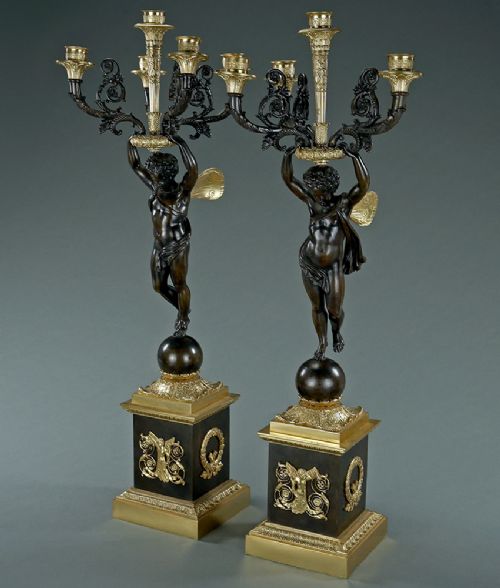
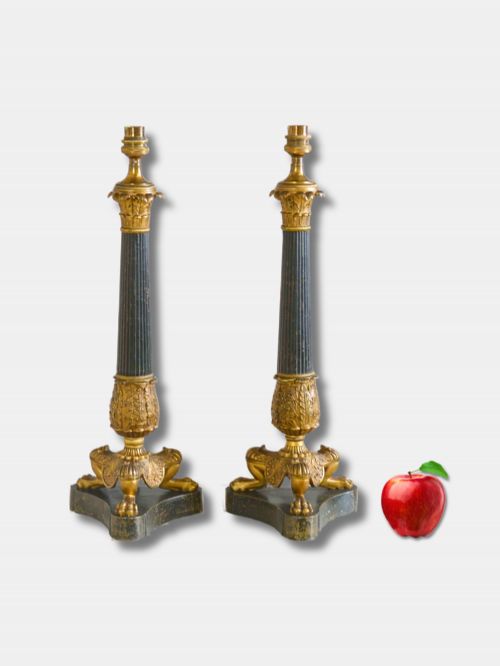
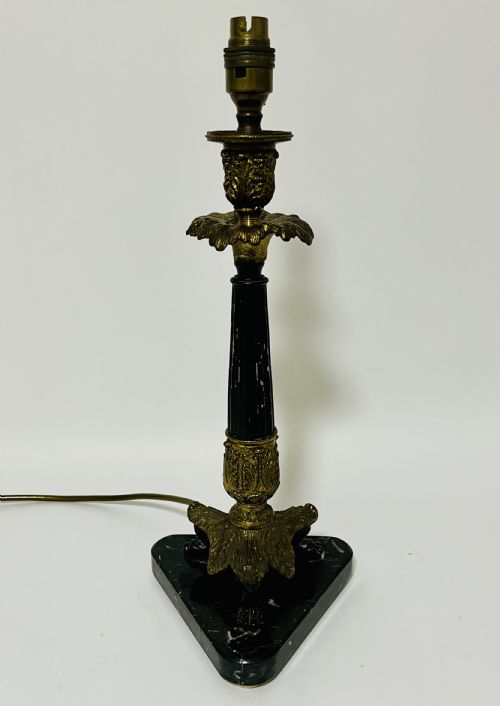
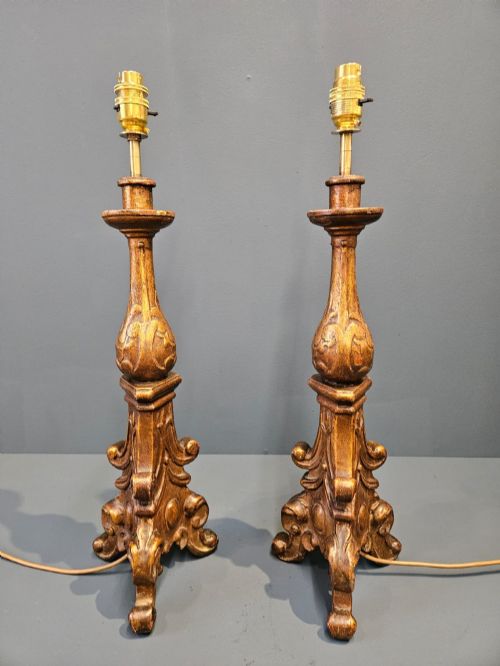
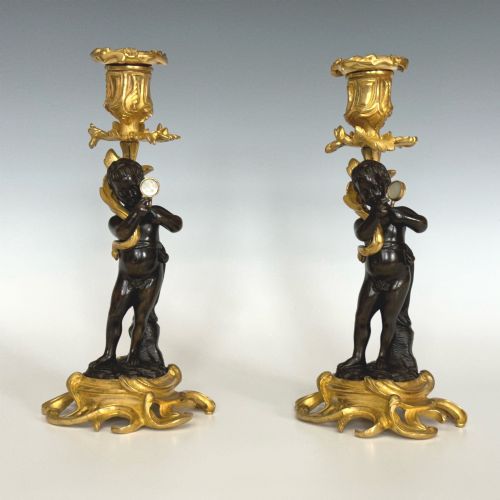
When searching for antique gilt table candlesticks, buyers encounter items intended for domestic illumination, often later adapted into table lamps or fitted with multi-branch candelabra tops. The listings show forms spanning the eighteenth, nineteenth, and early twentieth centuries, reflecting regional workshops from Britain, France, Italy, Spain, and Sweden.
How they were made
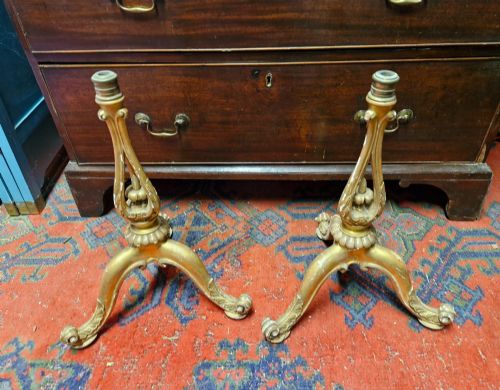
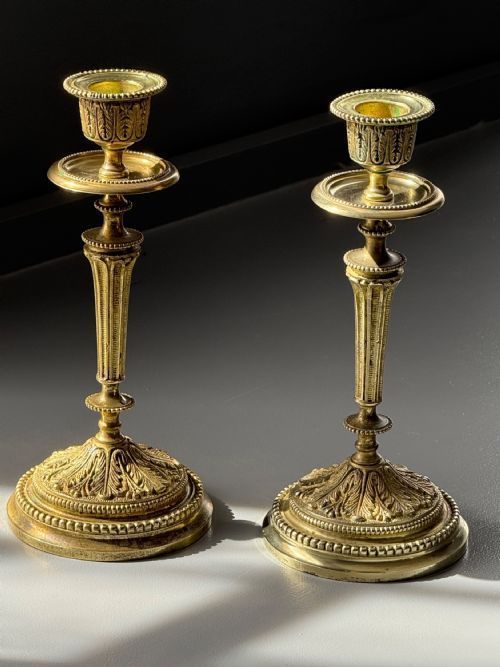
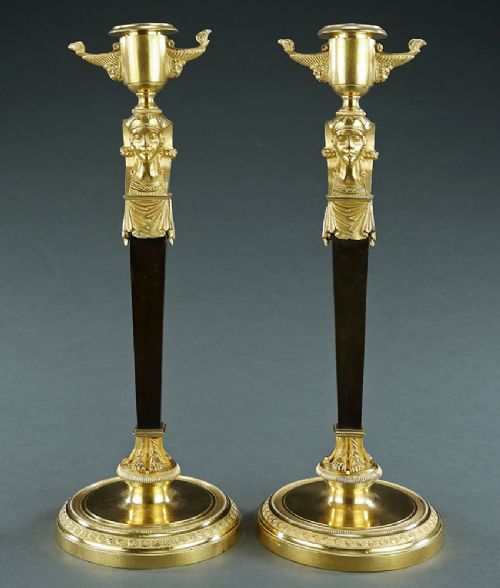
The primary foundations rely on cast bronze, brass, or carved wood, frequently finished with mercury gilding, ormolu, or surface paint to achieve a golden appearance. Artisans combined metal casting with chasing, often integrating secondary materials such as marble bases, porcelain inserts, or champlevé enamel details.
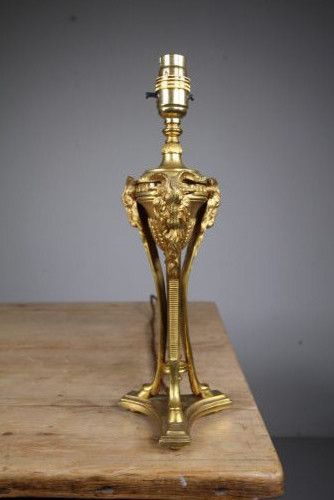
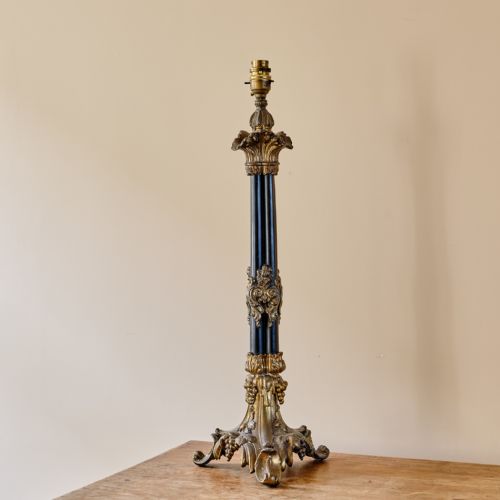
Many pieces incorporate structural modifications from later eras, notably wiring conversions that transform candle holders into functional table lamps without removing the original metalwork or gilt surfaces.
Listings feature items spanning the eighteenth century through to the nineteen-thirties, utilising gilt bronze, brass, ormolu, marble, and carved giltwood.
What varies in quality
The calibre of casting and chasing defines the superior examples, where crisp relief work on acanthus leaves, animal paws, or figural mounts remains sharp and deep. Heavier gauge metal and secure construction distinguish the output of skilled foundries from simpler commercial production.
The preservation of the original gilt surface dictates much of the visual appeal, as worn or scrubbed gilding alters the light reflection across the facets and relief ornament.
Mappin and Webb·Galle
The Antique Gilt Table Candlesticks Glossary
- Ormolu
- Gilt bronze produced by applying a mercury and gold amalgam to a bronze object before firing. This technique creates a durable, warm golden matte finish characteristic of French decorative metalwork.
- Pricket
- A sharp metal spike set in the drip pan of a candlestick to secure a candle. These are frequently found on church or altar candlesticks.
- Candelabra
- A branched candlestick holding multiple lights on separate arms. Many examples in the evidence feature three to six branches.
- Champlevé
- An enamelling technique where troughs or cells are hollowed out of a metal surface and filled with vitreous enamel before firing. It frequently appears on nineteenth-century decorative pieces.
- Giltwood
- Timber that has been carved and coated with a thin layer of gold leaf. It is common on altar sticks and continental decorative lamp bases.
Antique Gilt Table Candlesticks: Frequently Asked Questions
Were these originally lamps?
Most pieces started life as wax candle holders or candelabra before receiving later electrical conversions. Adaptations often allow the wiring to pass through the centre without altering the metal structure.
Original altar sticks and column lamps frequently show evidence of their former lighting methods in the bobeche or drip pan.
How do I date French Empire pieces?
Look for neoclassical motifs such as classical urns, rams' heads, sphinxes, and strict symmetrical geometry. These design elements reflect the influence of Napoleon's campaigns and the classical revival.
Foundry marks, patinated bronze contrasts, and mercury gilding further help confirm the early nineteenth-century production period.
Can I use real candles in them?
Candle use is possible if the socket fits the diameter securely and the wax does not drip onto vulnerable gilt surfaces. Drip pans catch most melted wax, protecting the base metal below.
Converted lamp bases require professional rewiring checks if reverting them to functional wax candle holders.