


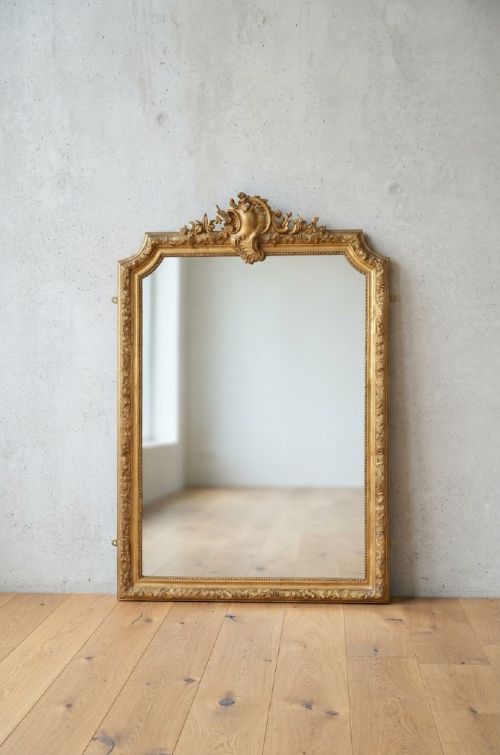
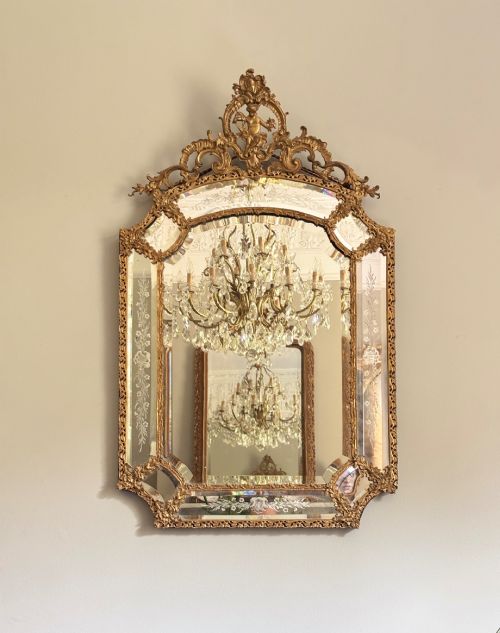
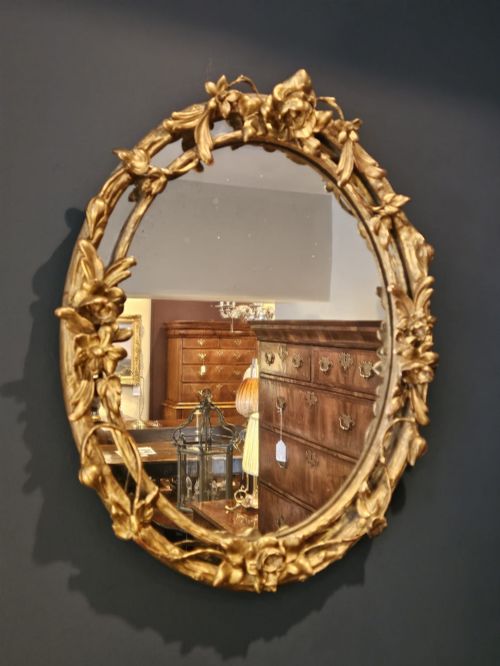
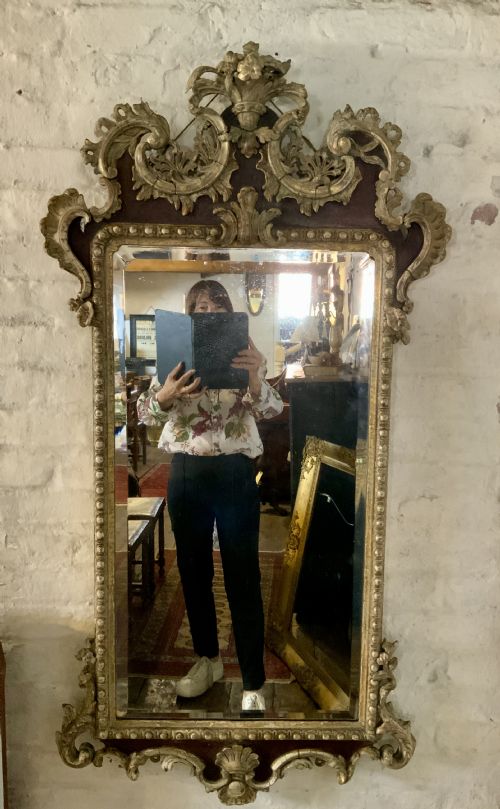
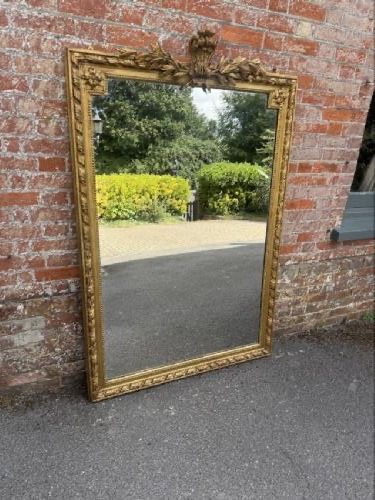
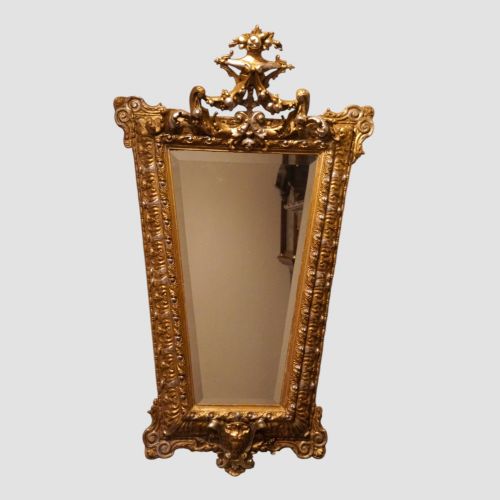
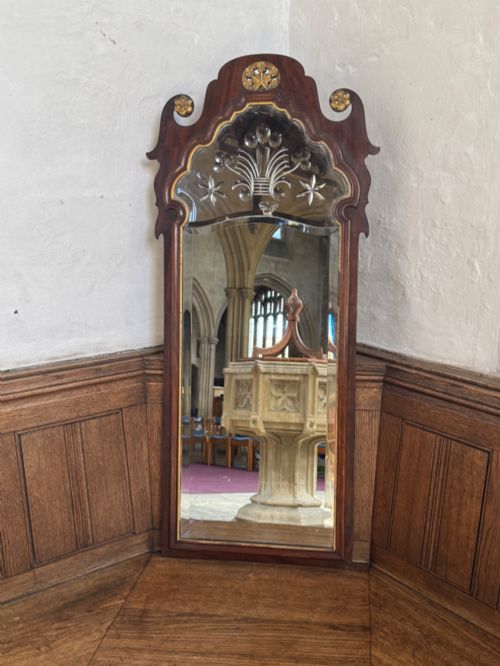
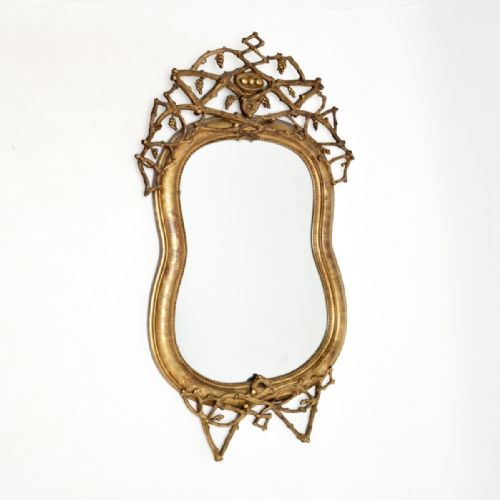
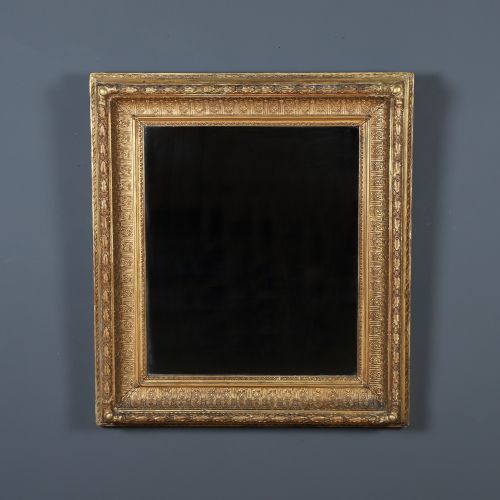

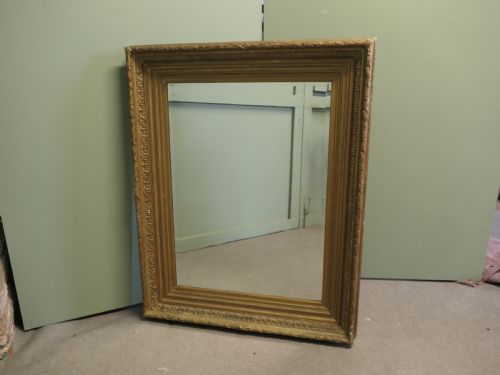

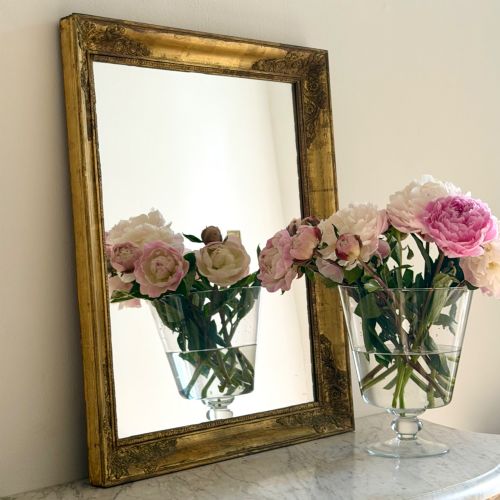
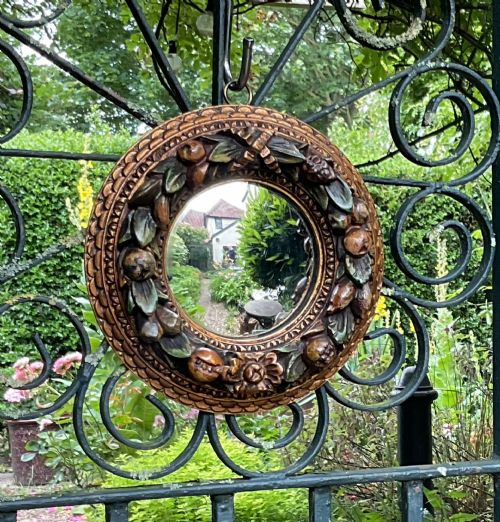
Antique Gilt Accent Mirror
An antique gilt accent mirror brings reflected light and deep, carved warmth into a room, spanning styles from Italian Rococo to Victorian revival.
Antique Gilt Accent Mirror
An antique gilt accent mirror serves as a decorative focal point, bringing light and historical character into a room. These pieces range from small convex wall mirrors to large overmantel and pier mirrors designed for grand spaces.
The versions most commonly met on this page originate in the nineteenth century, including Victorian interpretations of earlier styles. They often incorporate carved wood, gesso, and gold leaf applied to wall mirrors and overmantels.
Makers drew on diverse regional traditions, producing Italian Florentine frames, French Rococo revival designs, and English Georgian styles. Each piece reflects the aesthetic priorities of its period, from ornate Baroque flourishes to restrained parcel-gilt details.
How they were made
Artisans carved wooden frames from timber such as oak, walnut, mahogany, or pine before applying fine layers of gesso to build up intricate relief details. This plaster preparation provided a smooth, absorbent base for subsequent gilding.
Gilders applied thin sheets of gold leaf or silver-gilt onto the prepared gesso ground, burnishing the metal to achieve a luminous finish. Many pieces also combined carved wood with applied composition ornamentation to secure deep relief work.
Periods represented span from the 18th century through the Victorian era into the early 20th century.
What varies in quality
The depth and sharpness of the hand-carved woodwork distinguish superior examples from simpler production, particularly where gesso has been meticulously modelled rather than moulded. Crisp undercut foliage and scrollwork indicate skilled craftsmanship.
The condition and character of the original mirror glass plate matter greatly, with bevelled edges, engraved plates, or early mercury silvering adding distinction. Frames retaining their original gold leaf surface without heavy over-painting command greater historical integrity.
John Belchier
The Antique Gilt Accent Mirror Glossary
- Giltwood
- Wood that has been coated with gold leaf or gold paint. This technique creates a radiant surface that reflects ambient light across the room.
- Gesso
- A mixture of binder and chalk or plaster used to coat wood frames. It provides a smooth surface for carving intricate details and applying gold leaf.
- Overmantel mirror
- A large wall mirror designed to hang specifically above a fireplace mantel. These pieces often feature wide proportions to match the width of the hearth below.
- Pier mirror
- A tall, narrow mirror designed to hang on the wall space between two windows. They often complement console tables positioned directly beneath them.
- Parcel gilt
- Woodwork that is partially gilded with gold leaf while other areas reveal the natural grain of the timber, such as walnut or mahogany.
Antique Gilt Accent Mirror: Frequently Asked Questions
Where should I hang an antique mirror?
These mirrors suit placement above a mantelpiece, across from a window to maximise natural light, or in a hallway as a pier glass. Their reflective qualities help open up smaller spaces.
Ensure the wall construction supports the weight of carved wood and gesso frames, using appropriate fixings suited to the specific wall type.
How do I clean an antique gilt frame?
Dust the carved wooden surface gently with a soft, dry brush to remove settled particles without disturbing the gold leaf or delicate gesso. Avoid liquid cleaners and chemical sprays entirely.
Moisture can penetrate worn gesso and lift the gold leaf. Stick strictly to dry maintenance to preserve the historic finish.
What is the difference between an overmantel and a wall mirror?
Overmantel mirrors are specifically proportioned to sit horizontally above a fireplace mantel, filling that architectural space. General wall mirrors come in various shapes and sizes for placement anywhere in a room.
Both types utilise carved giltwood frames, but overmantels often feature arched or landscape orientations suited to hearth dimensions.
How can I tell a Victorian mirror from an 18th-century piece?
Victorian mirrors often display heavier, highly ornate carving influenced by Rococo or Baroque revivals, utilising machine-prepared components alongside hand work. Eighteenth-century pieces typically feature lighter proportions and distinctive joinery.
Examination of the timber behind the gesso and the construction of the mirror plate helps clarify the period of manufacture.