

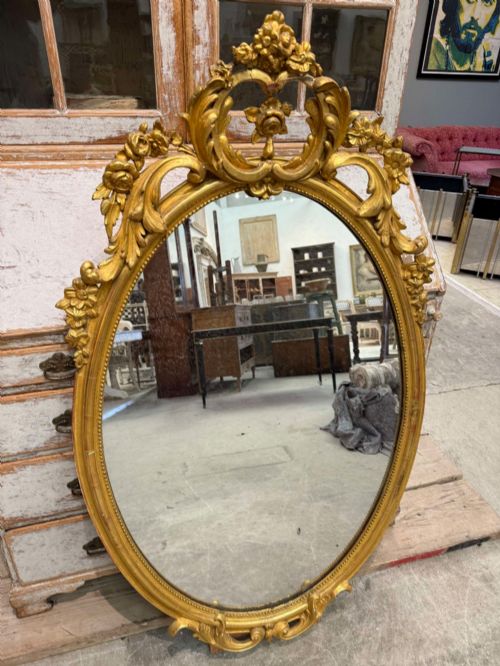
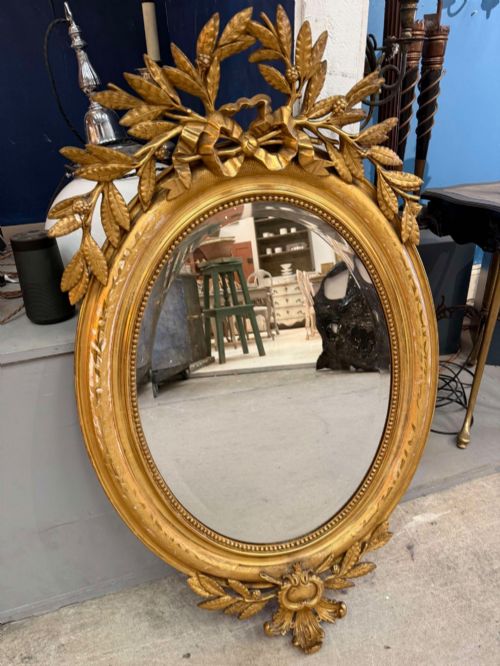
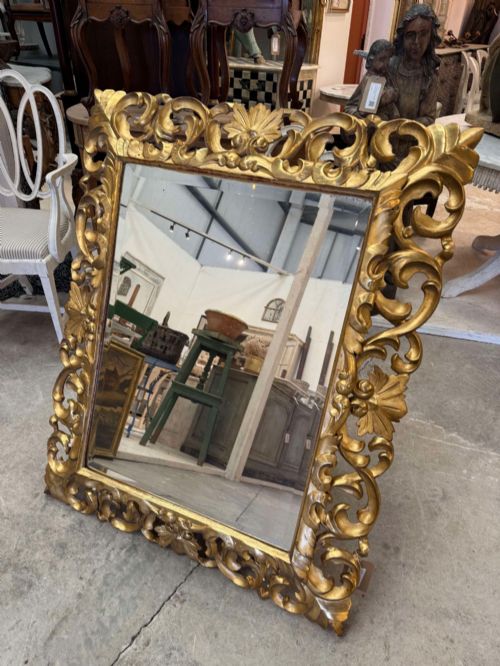
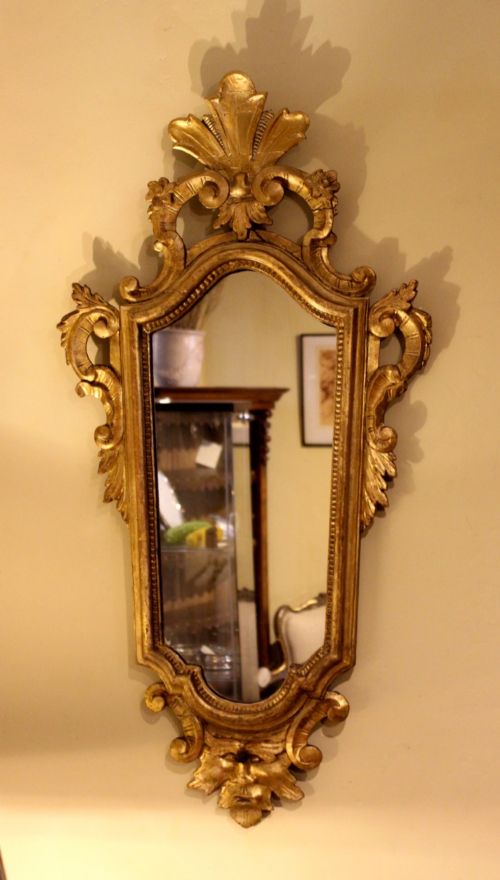
Antique Gilded Looking Glass
An antique gilded looking glass brings light and reflective depth into a room, offering craftsmanship from eighteenth-century workshops down to the Victorian era.
Antique Gilded Looking Glass
An antique gilded looking glass is a framed mirror designed for domestic display, appearing in wall-hung, pier, and overmantle forms across this selection. These pieces date principally from the eighteenth and nineteenth centuries, spanning Georgian, Regency, and Victorian periods alongside revival styles.
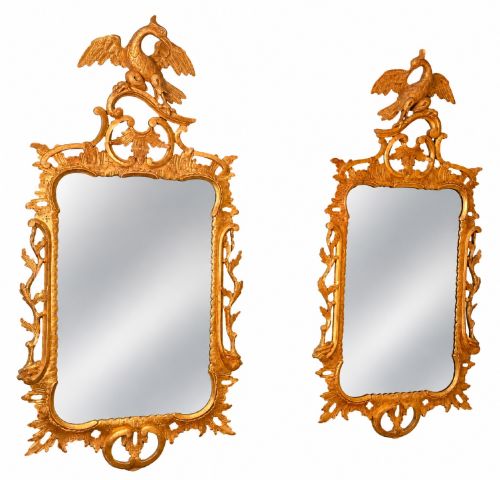
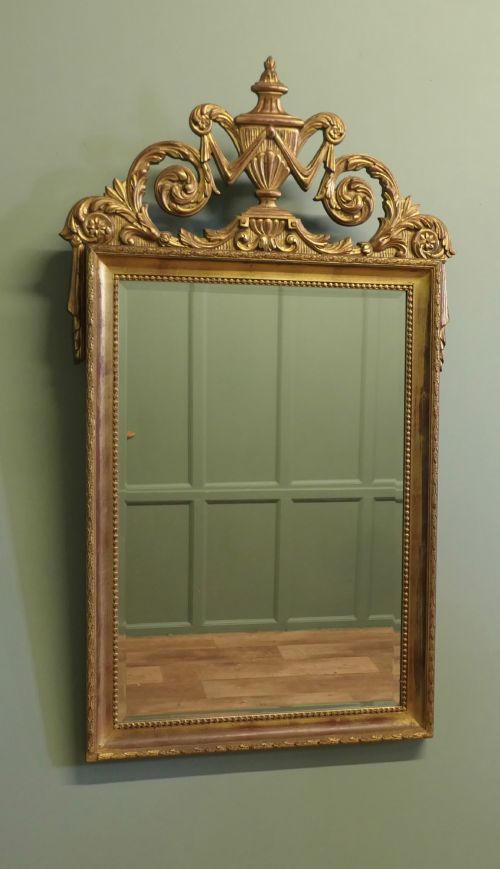
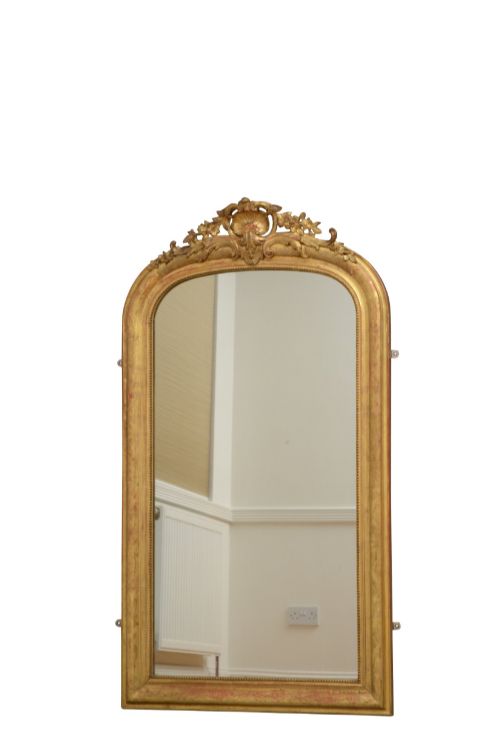
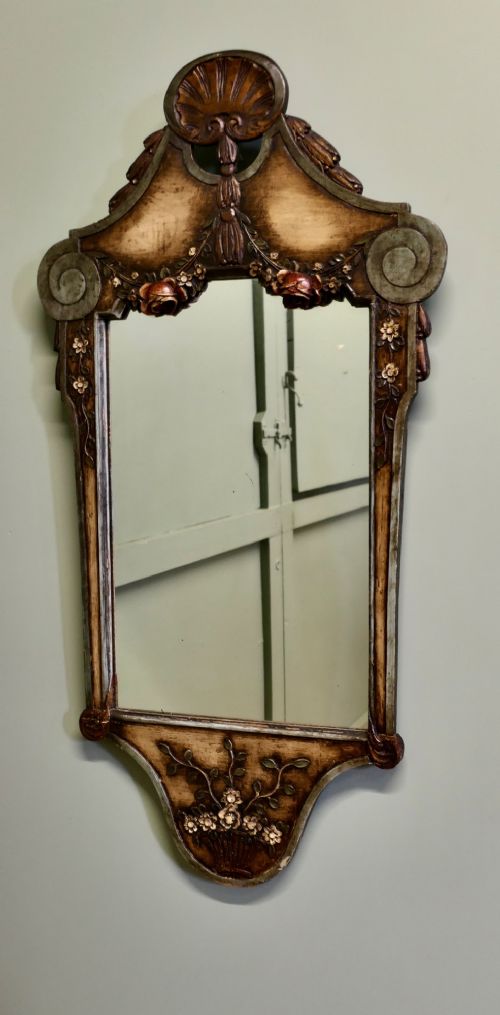
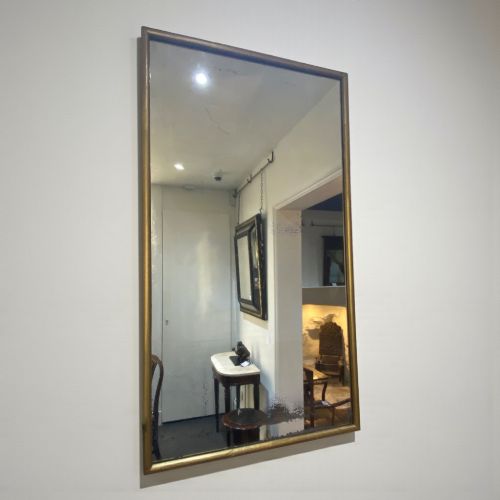
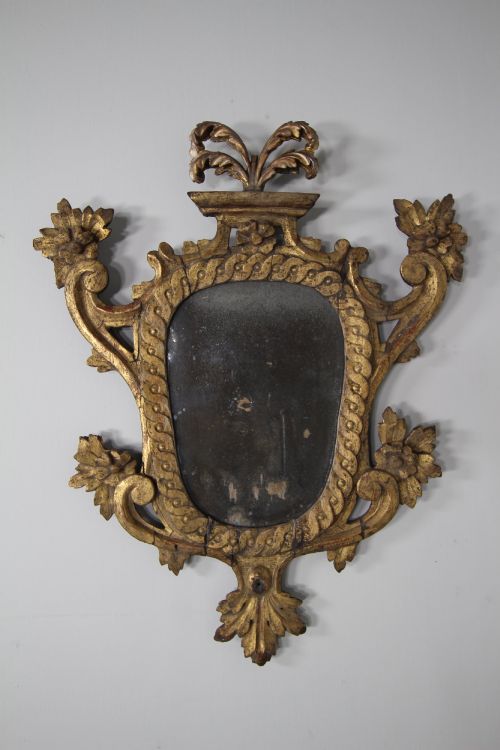
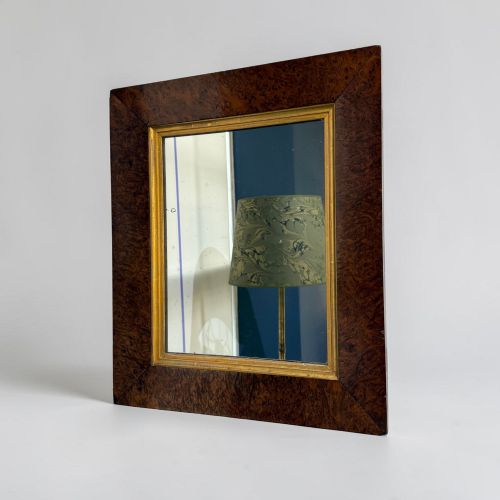
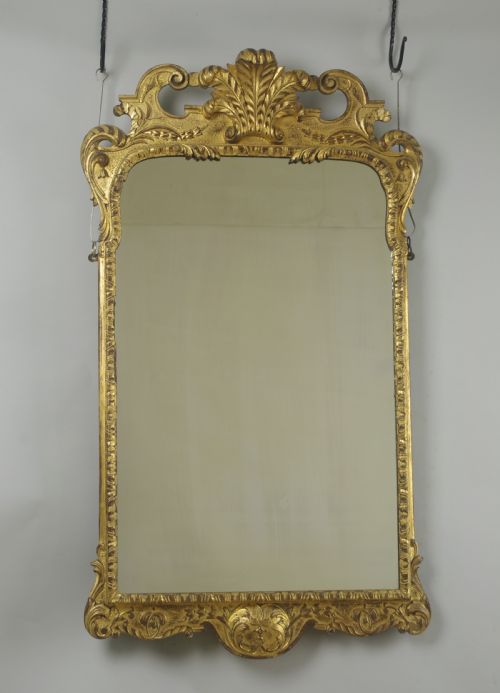
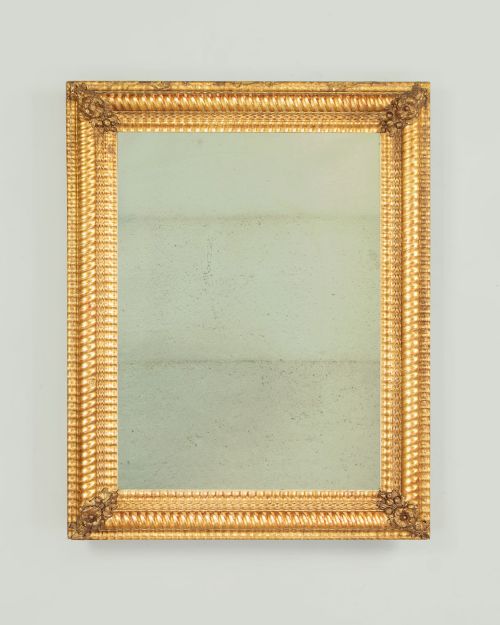
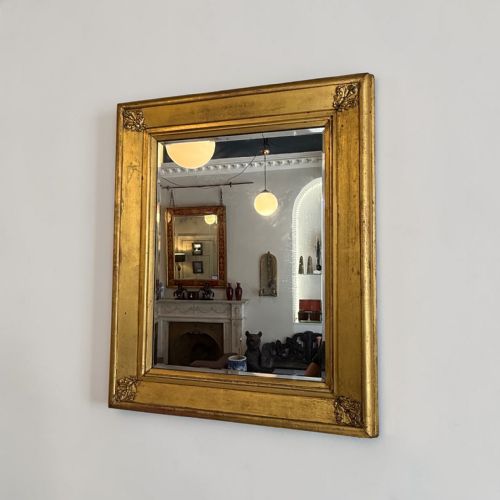
The most common format encountered here is the wall mirror, often framed in carved wood or gesso with a gold leaf finish. Examples range from simple walnut fretwork designs to ornate Rococo and Louis XVI style frames.
Buyers select these objects for their decorative presence and historical integrity, using them above mantelpieces, console tables, and drawing-room walls. Each mirror reflects both the aesthetic priorities and the interior design habits of its originating period.
Materials and construction methods
The foundation of these frames typically relies on timber such as mahogany, walnut, or softer woods carved to shape. Gesso, a plaster-like mixture, is applied over the wood base to build up intricate relief details and mouldings before gilding.
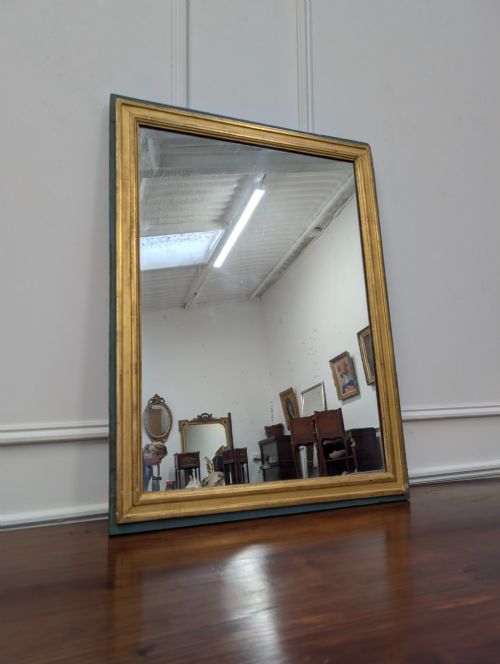
Finishing is achieved through the application of gold leaf or gilt, adhering to the prepared gesso and wood surfaces. Mirror glass itself is inserted into the rebate, occasionally featuring hand-engraved plates or showing the slight irregularities typical of older manufacturing techniques.
Antique Gilded Looking Glass Retail Price Guide 2026
Typical asking prices for gilded looking glass among the pieces listed under this phrase on Sellingantiques today, from the lower quarter to the upper quarter. They describe what is for sale here now, not the wider market.
Materials recorded across these items include carved wood, gold leaf, brass, and traditional mirror glass.
Quality variations in looking glasses
The standard of carving and depth of relief distinguish finer frames from simpler production pieces. Crisp, undercut foliage and well-defined scrollwork indicate skilled hand-carving rather than mass-produced composition ornament.
The condition and retention of the original gilt surface and mercury or early mirror plate significantly influence the character of the piece. Integrated frames with harmonious proportions and minimal later restoration represent the upper tier of surviving examples.
Benjamin Goodison
The Antique Gilded Looking Glass Glossary
- Giltwood
- Wood carved and coated with gold leaf or metallic powder. This finish gives the frame its characteristic reflective sheen.
- Gesso
- A plaster mixture applied to wooden frames to create a smooth surface for carving and gilding. It allows for sharp decorative relief.
- Pier glass
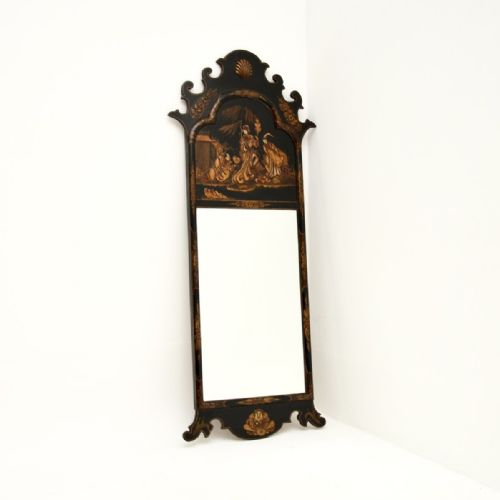
- A tall mirror designed to hang on the wall between two windows, often placed above a console table. These pieces maximise ambient room light.
- Fretwork
- Openwork ornamentation cut with a fretsaw, frequently seen on eighteenth-century mahogany and walnut frames. This technique adds geometric lightness.
- Overmantle mirror
- A wide mirror specifically proportioned to hang above a fireplace mantel. They often feature extended landscape formats.
Antique Gilded Looking Glass: Frequently Asked Questions
How do I date a gilded looking glass?
Dating relies on examining the construction methods of the wooden frame, the style of the carving, and the composition of the gesso. Assemblage techniques and joinery details often reveal the period of manufacture.
Secondary indicators include the character of the mirror glass itself, such as edge bevels or silvering degradation. Comparing the decorative motifs against known Georgian, Regency, or Victorian design vocabularies confirms the era.
What is a pier mirror?
A pier mirror is a tall, narrow looking glass traditionally hung on the wall space between two windows. These pieces were designed to sit directly above pier tables or consoles to reflect light back into the room.
Surviving examples often feature proportions tailored to vertical wall spaces in period drawing rooms. Their narrow frames frequently incorporate neoclassical or rococo detailing.
Are original mirror plates common?
Original mirror plates do survive in many antique looking glasses, showing characteristic signs of age such as light oxidation and tiny dark spots. These irregularities are normal attributes of older glass production.
Replacement glass plates do occur when earlier mirrors suffered accidental breakage over time. Examining the backing boards and fixings helps determine whether the glass is contemporary with the frame.
How should I hang a heavy antique mirror?
Heavy antique mirrors require secure wall fixings distributed across sturdy structural points rather than relying on single picture hooks. Professional mirror hangers often use metal brackets or plates screwed directly into wall studs.
Checking the structural integrity of the frame and the internal hanging wire or loops is essential prior to installation. Ensuring the weight is properly supported protects both the wall and the antique timber frame.