
Antique Georgian Goblet
An antique georgian goblet brings substance to a table, offering drinking vessels shaped by eighteenth-century glasshouses and silversmiths.
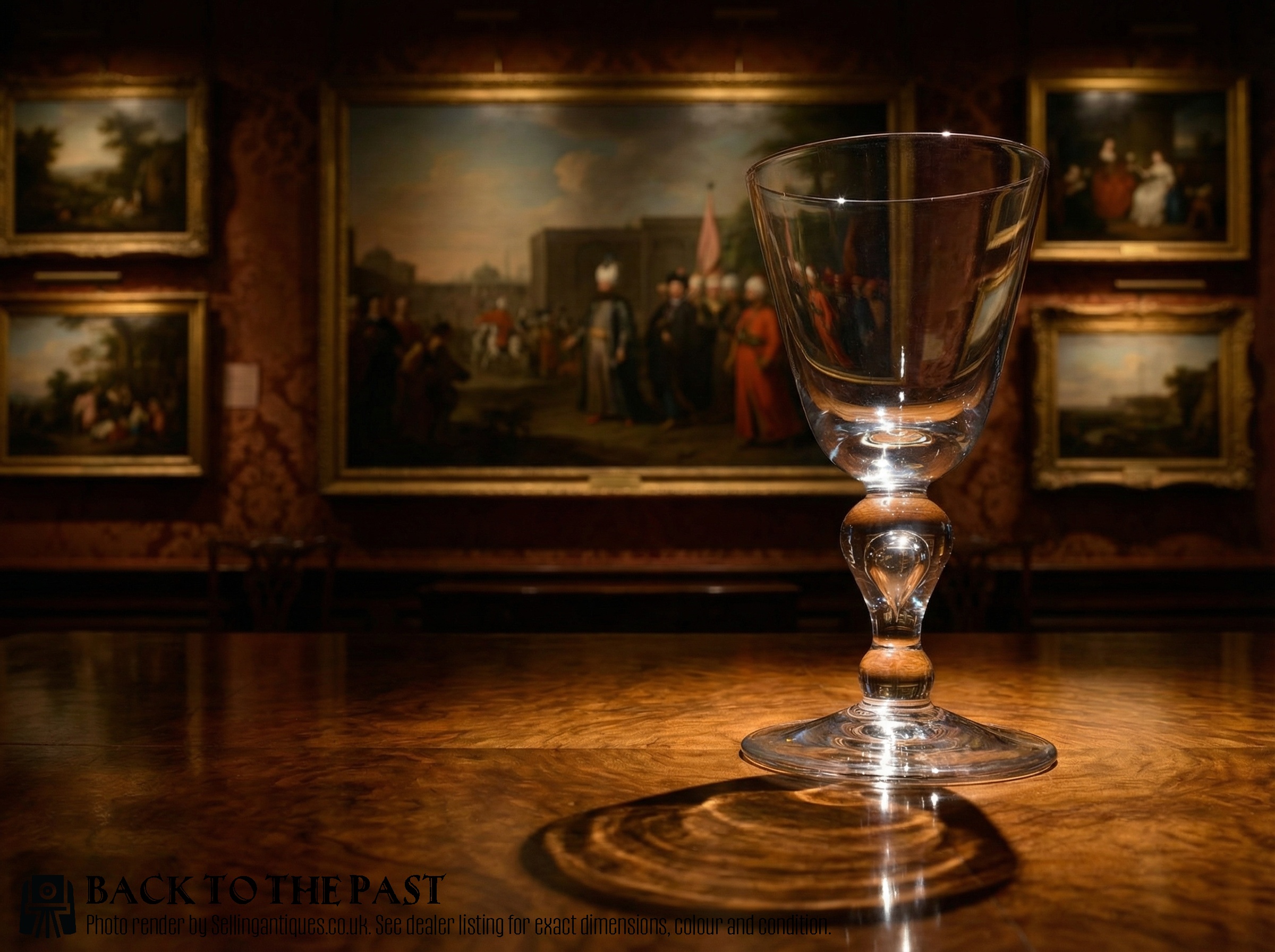
Antique Georgian Goblet
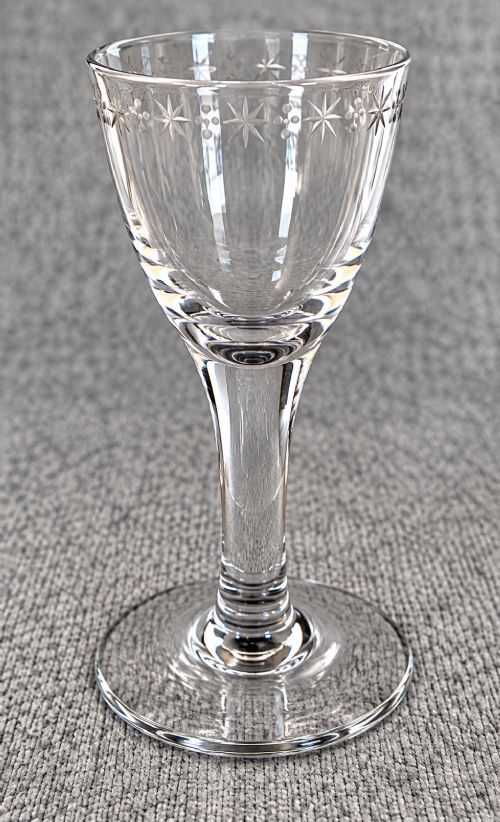
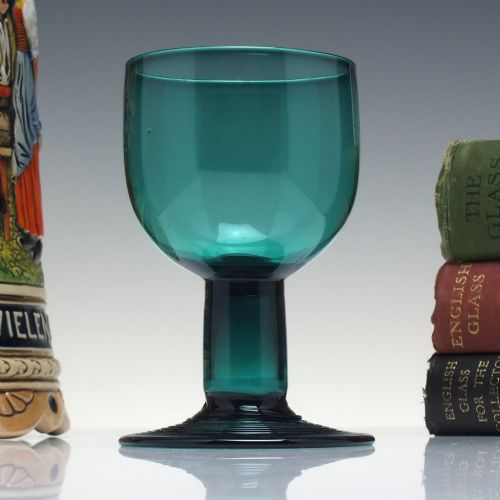
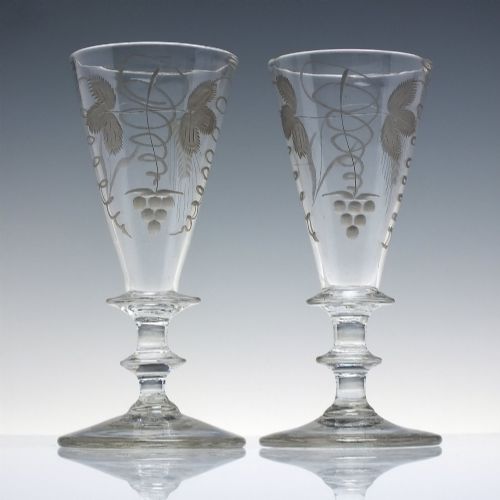
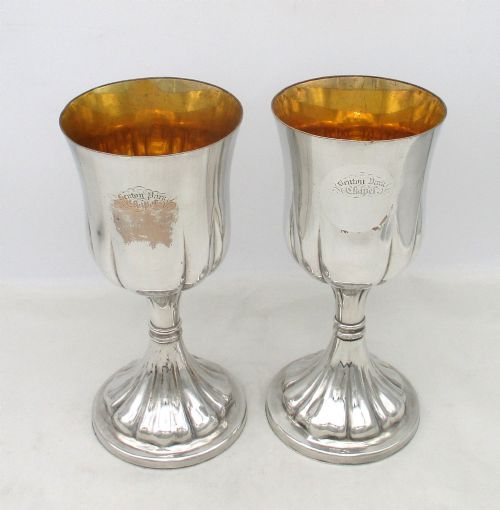
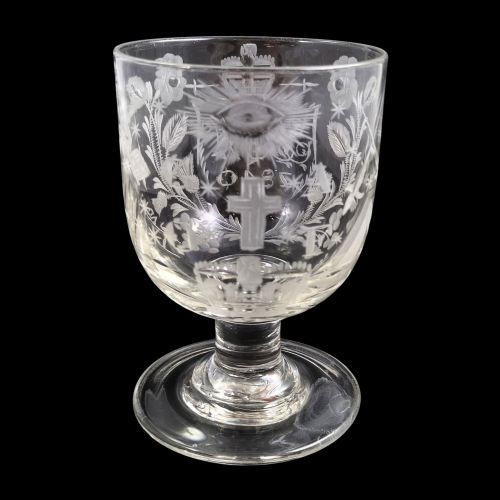
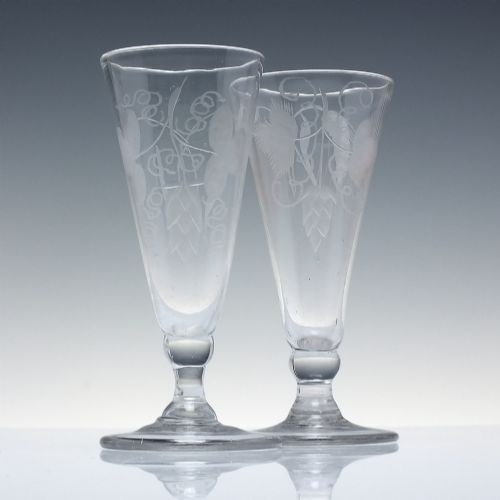
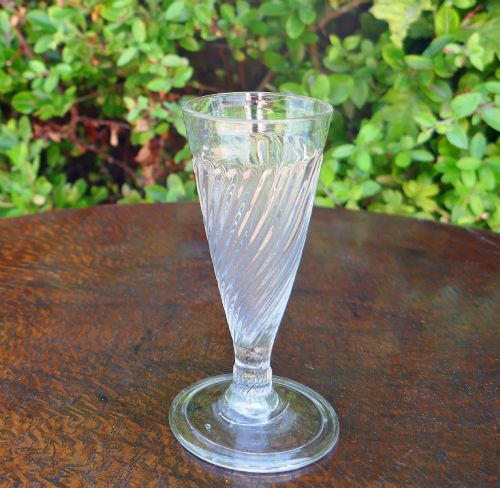
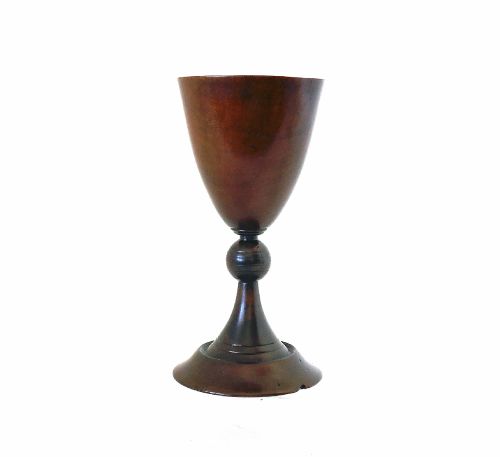
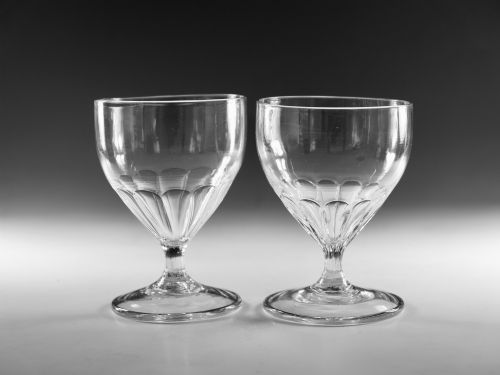
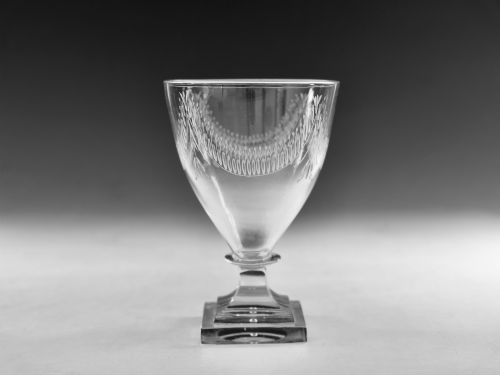
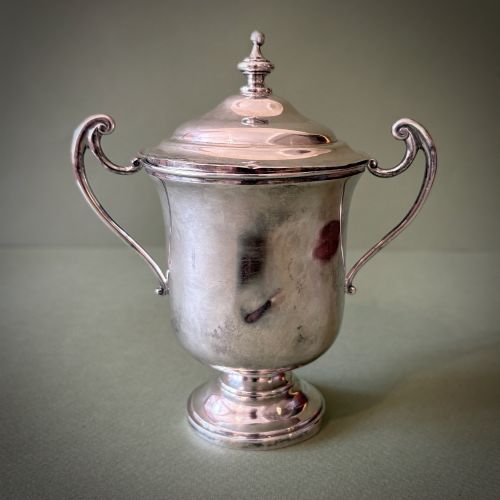
When searching for an antique georgian goblet, buyers encounter drinking vessels spanning the eighteenth and early nineteenth centuries, predominantly formed from lead glass, clear glass, and sterling silver. The selection includes heavy baluster drinking vessels, rummers engraved with hops and barley, and silver chalices.
The objects stem largely from Georgian and Regency periods, representing utilitarian drinking vessels as well as decorative presentation pieces. Clear lead glass variants with faceted stems or engraved bowls appear frequently among the listings alongside solid silver iterations.
Materials and Working Methods
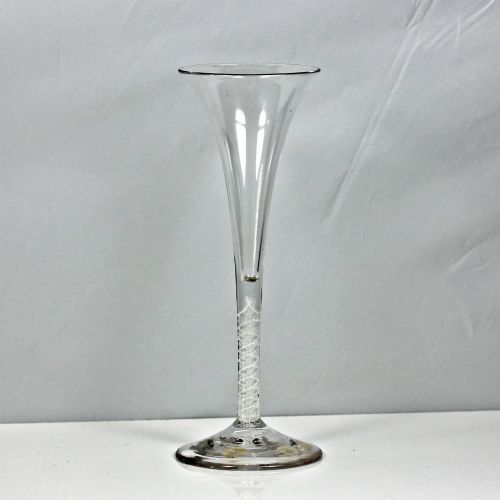
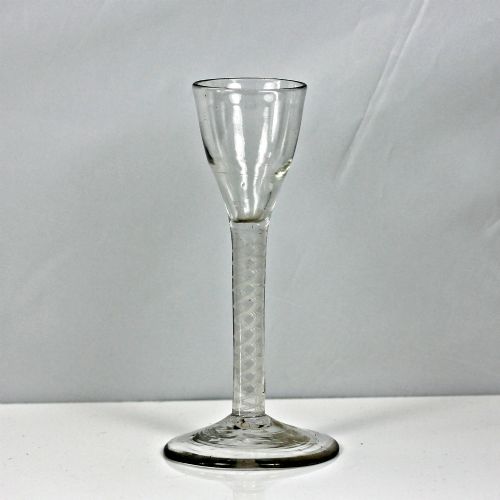
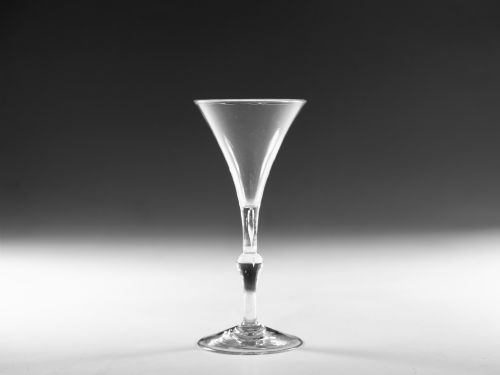
Glass vessels rely on lead glass and flint glass compositions, manipulated while hot to form balustroid, air twist, or opaque twist stems. Engraved decoration on bowls utilises wheel-cutting techniques to apply floral, hop, or commemorative motifs.
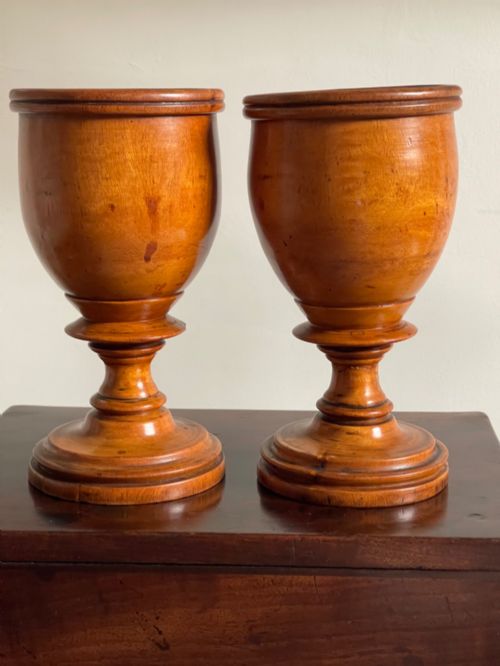
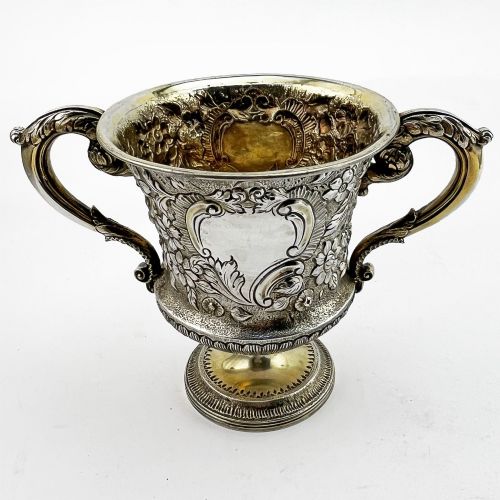
Silver items involve sterling silver sheet and cast components, shaped into campana or cup profiles through raising and chasing. Wooden treen examples utilise fruitwood and lignum vitae turned on a lathe to create pedestal drinking forms.
A small rummer survives engraved with the defiant toast 'Women & Wine'.
Distinctions in Quality
Quality rests upon the clarity of the metal in glass examples, where high lead content yields greater refractive brilliance and heft. In twisted stem forms, the regularity and tight control of air bubbles or white enamel threads dictate the finesse of the maker's execution.
For silver and wooden iterations, depth of chased relief, crispness of turned mouldings, and structural integrity establish the standard. Proportion between the bowl, stem, and foot remains a primary indicator of proportion and balance.
Solomon Hougham·Napthali Hart
The Antique Georgian Goblet Glossary
- Baluster stem
- A thick, swelling stem form reminiscent of architectural balusters, seen on heavier eighteenth-century drinking glasses. This form provides substantial weight in the hand.
- Opaque twist
- A stem containing white or coloured enamel threads drawn into spiral patterns within the clear glass. This technique gained popularity during the mid-eighteenth century.
- Rummer
- A capacious drinking vessel with a large bowl and sturdy foot, frequently used for beer, ale, or wine in the late Georgian period. They often feature wheel-engraved agricultural motifs.
- Campana
- A bell-shaped vessel profile with an everted rim, commonly found on sterling silver cups and trophies. The shape echoes classical pottery forms.
Antique Georgian Goblet: Frequently Asked Questions
What distinguishes an air twist stem?
An air twist stem contains elongated bubbles drawn into spiral threads inside the clear glass rod. Makers achieved this effect by manipulating molten glass containing trapped air before stretching and twisting the metal.
This technique requires precise temperature control to maintain even thread distribution down the length of the stem. Such stems appear frequently on mid-eighteenth-century wine and ale glasses.
How were silver goblets used?
Silver goblets served as functional dining vessels for wine and commemorative presentation pieces or trophies during formal banquets. Their durable metal construction suited communal toast-drinking and civic events.
Over time, many transitioned from active dining service to display objects or church chalices. Hallmarks stamped into the base record the assay office and year of production.
What is a rummer used for?
A rummer functioned as a heavy-duty drinking glass for ale, beer, or punch in domestic and tavern settings. Their thick walls and wide bases prevented tipping during lively gatherings.
Engravings on the bowls often celebrated specific trades, agricultural yields like hops and barley, or patriotic sentiments. They represent a robust evolution from delicate wine stems.