
Antique Gents Timepiece
An antique gents timepiece carries the mechanical precision and daily utility of past decades, offering traditional wrist and pocket formats.
Antique Gents Timepiece
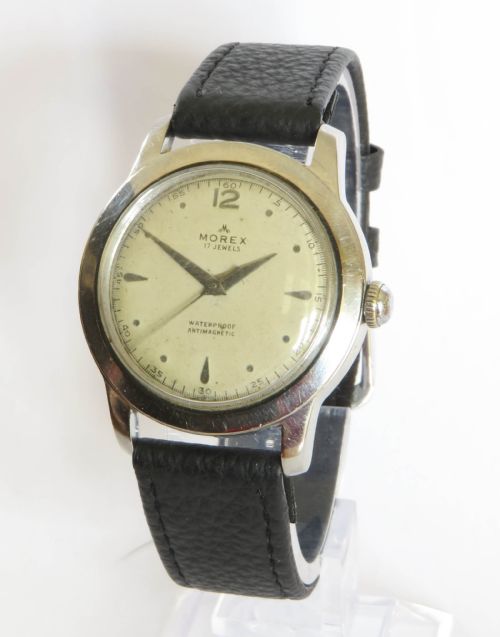
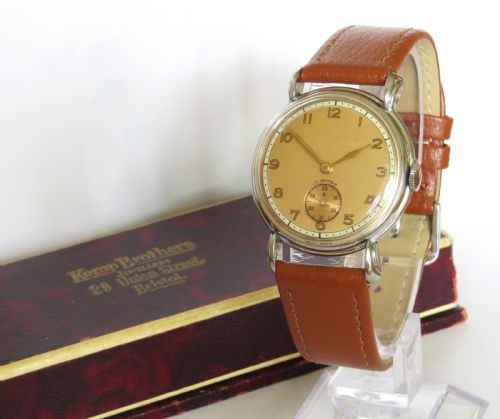
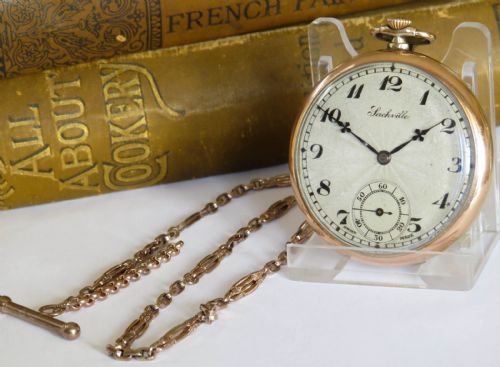
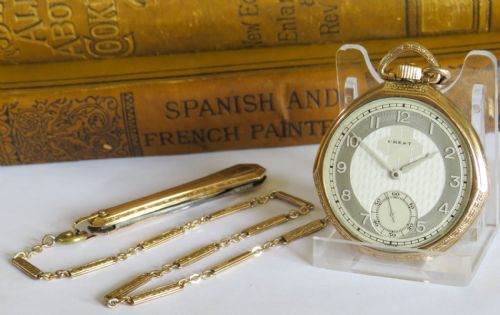
An antique gents timepiece encompasses portable mechanical objects designed for men, taking the form of both pocket watches and wristwatches spanning from the nineteenth century through the 1960s. These pieces reflect practical timekeeping needs of the Victorian, Edwardian, and mid-century periods, capturing shifts in daily habits from waistcoat pocket to wrist.
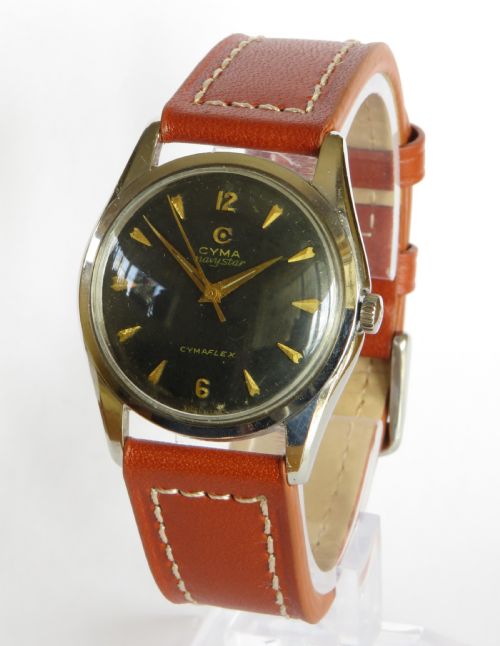
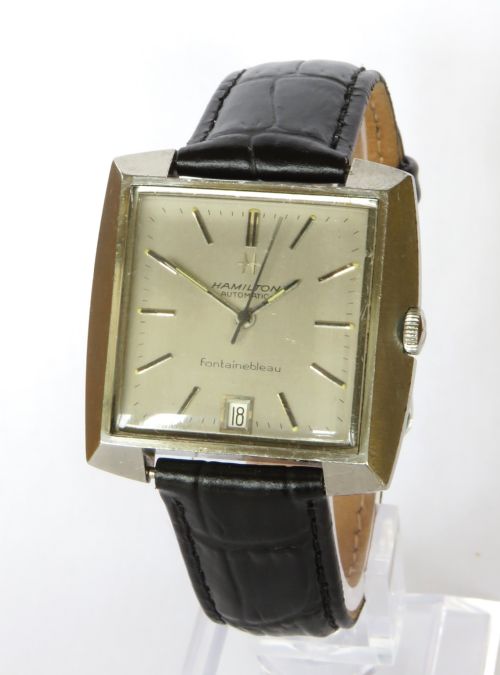
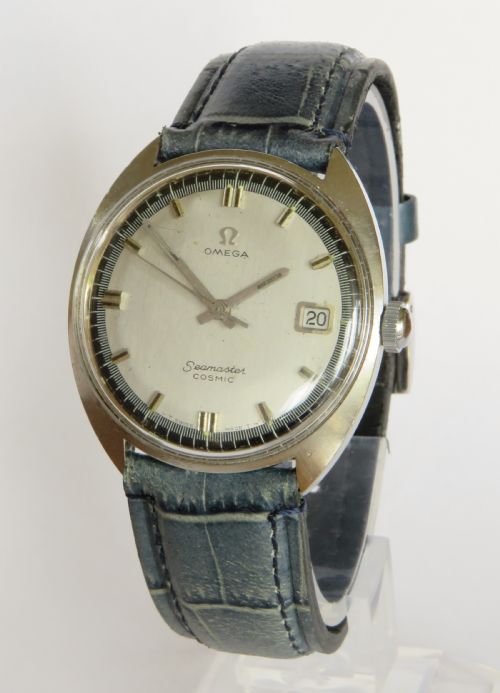
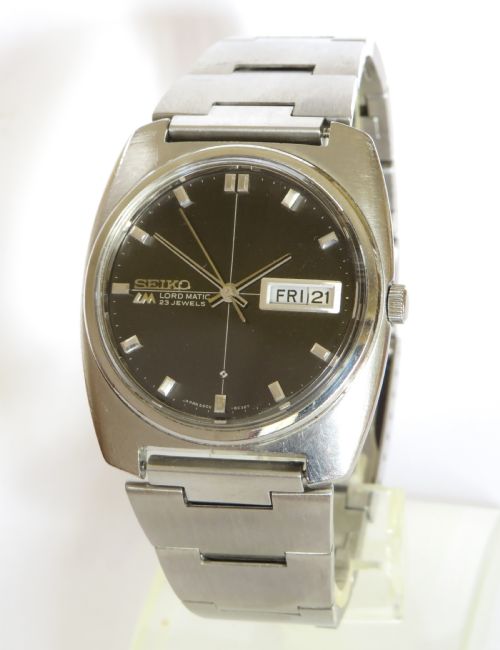
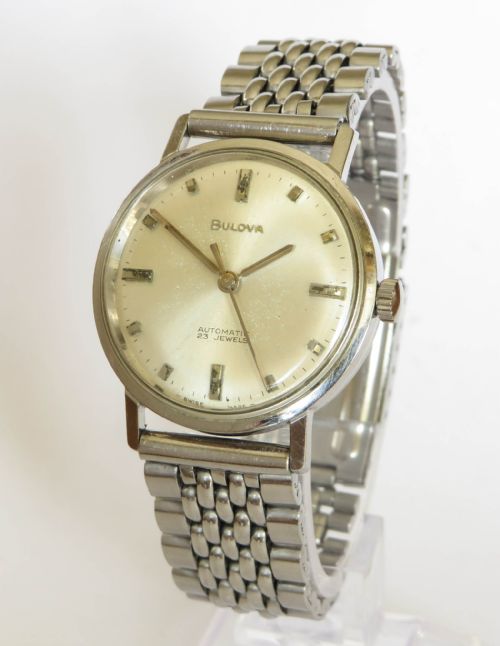
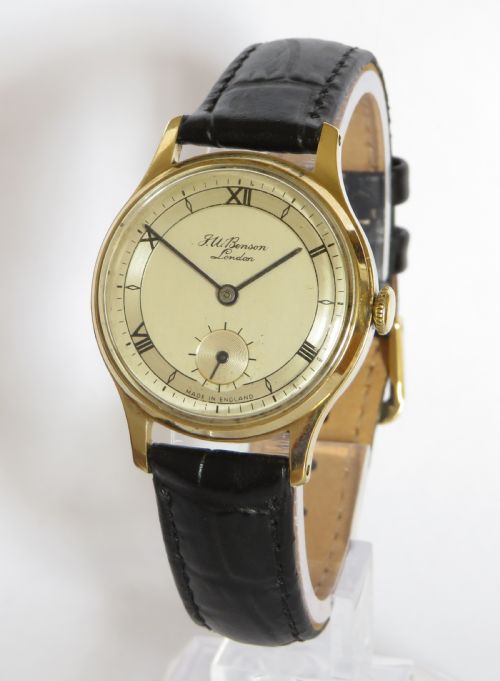
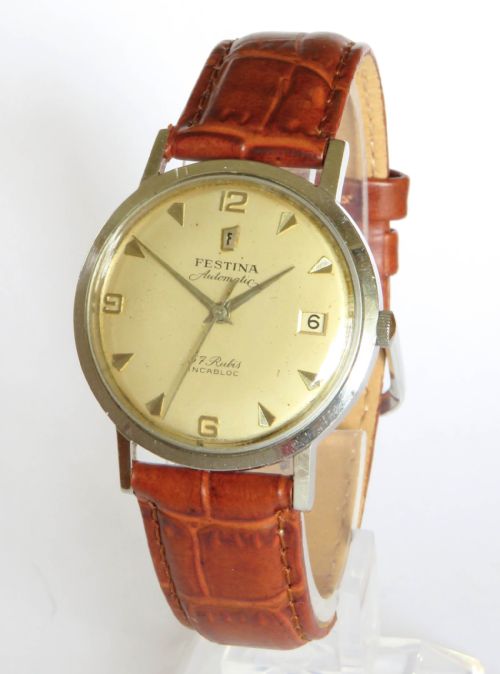
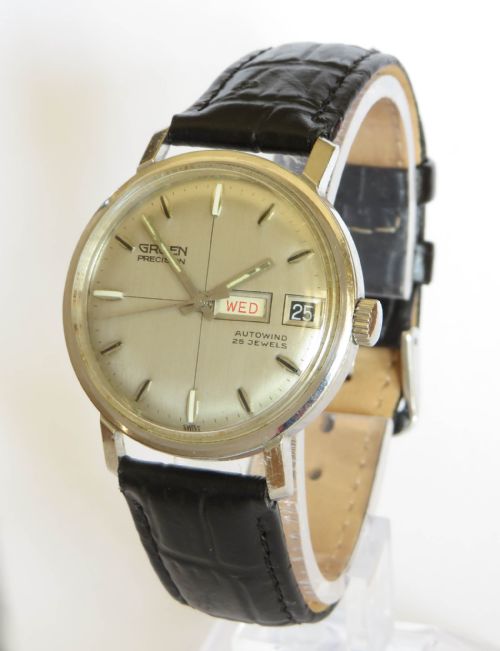
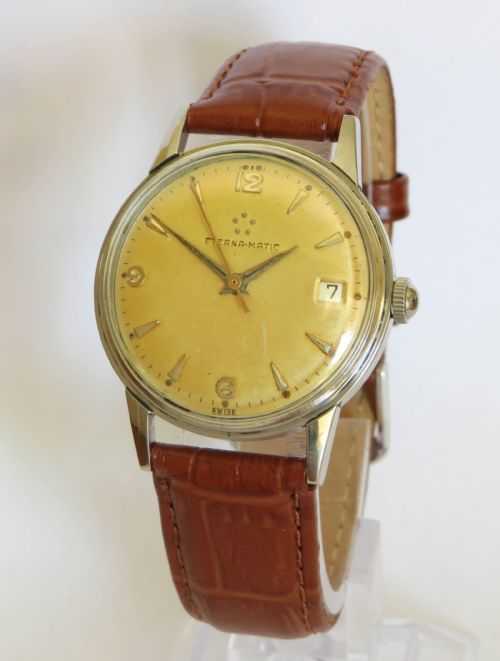
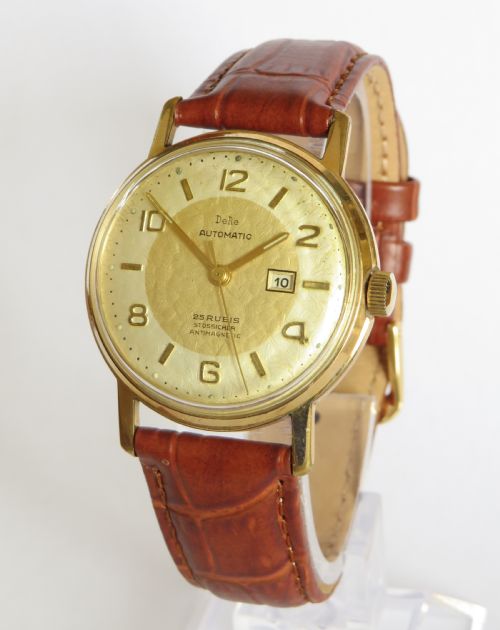
The selections available here lean heavily toward mid-century Swiss and British wristwatches alongside earlier pocket watches, showcasing styles from Art Deco to First World War military designs. Buyers encounter everything from simple three-hand models to complex chronographs and automatic movements.
Materials and construction
Makers utilised a range of metals for cases, pairing robust stainless steel, chrome, and silver with occasional nine-carat gold and gold plate. Enamel dials provide crisp legibility, protected by glass or acrylic crystals, while leather straps secure wristwatches to the arm.
Movements rely on intricate mechanical engineering, driven by mainsprings that require either manual winding via the stem or automatic self-winding rotors. Specialised components like shrapnel guards and hermetic seals were introduced to protect delicate internal mechanics from external shocks and moisture.
Antique Gents Timepiece Retail Price Guide 2026
Typical asking prices for gents timepiece among the pieces listed under this phrase on Sellingantiques today, from the lower quarter to the upper quarter. They describe what is for sale here now, not the wider market.
Some early trench watches wear metal wire cages over their glass to survive combat, proving time waits for no soldier.
Factors determining quality
Quality rests in the fidelity of the movement, the integrity of the case metals, and the preservation of the original dial markings. Pieces featuring specialised complications like chronographs or automatic winding mechanisms demonstrate higher levels of horological ambition.
The grade of materials matters significantly, distinguishing solid silver and gold cases from plated brass or chrome. Originality of components and crispness of dial printing further elevate a piece above standard utility grade.
Cyma Navystar·Bulova automatic·Tavannes Crest·Festina automatic·Gruen Precision·Sackville·DeRe automatic·Hamilton·Venus·Enicar·Smiths·Dogma Prima·Longines·Kered·Roamer·Rotary·Omega·Marvin·Eterna·Girard Perregaux·Sperina·Waltham·Tissot Seastar·Phoenix Indestructible·Garrard
The Antique Gents Timepiece Glossary
- Chronograph
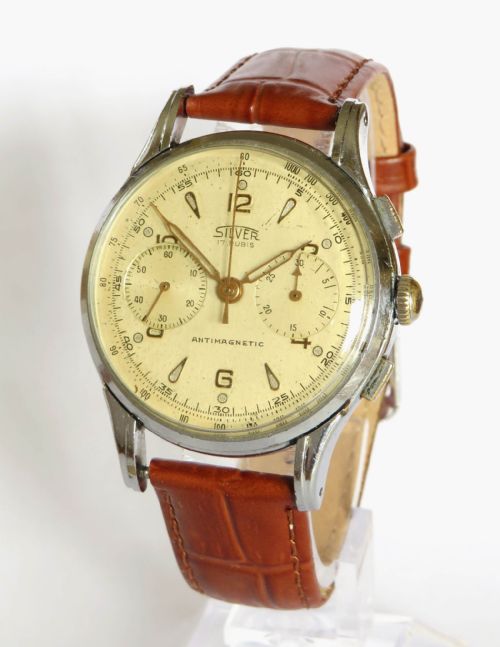
- A watch equipped with a stopwatch function alongside its standard timekeeping display. It utilises independent sweep hands to measure elapsed intervals.
- Half Hunter
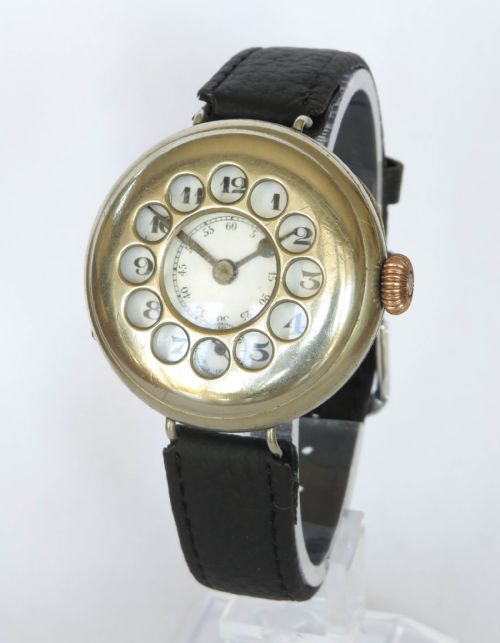
- A pocket watch featuring a protective metal outer case with a glass-covered centre aperture. This allows the user to read the hands without opening the cover.
- Hermetic
- A case design engineered to provide superior resistance against dust and moisture. These pieces utilise inner and outer housings to seal the movement.
- Stem Winding
- A mechanism allowing the mainspring to be wound via the crown attached to a winding stem, replacing earlier key-wound systems.
- Trench Watch
- An early wristwatch adapted from pocket watch designs for military use during the First World War. They frequently incorporate wire lugs and protective metal grilles called shrapnel guards.
Antique Gents Timepiece: Frequently Asked Questions
How do I wind a manual vintage watch?
Turn the crown clockwise between your thumb and forefinger until you feel gentle resistance. Stop immediately to avoid over-winding and damaging the mainspring.
Perform this action at roughly the same time each day to maintain consistent tension and accurate timekeeping.
What is the difference between a pocket watch and a wristwatch?
Pocket watches are designed to be carried in a waistcoat pocket, often secured with a chain attached to a buttonhole. They typically feature larger movements and dials.
Wristwatches transition that timekeeping function directly to the arm via a strap, gaining popularity for practicality during the early twentieth century.
Can I wear an antique timepiece daily?
Many mechanical pieces from the past remain entirely suitable for regular wear when handled with care. However, their internal movements lack modern shock absorption and water resistance.
Avoid exposing them to moisture, magnetic fields, and heavy impacts to preserve their delicate antique components.
How do I identify the era of a watch?
Examine the stylistic cues of the dial, case shape, and font typography, comparing them against known design periods like Art Deco or Mid-Century Modern. Hallmarks on precious metal cases and serial numbers on the movement often provide specific dating clues.
Consulting manufacturer records helps narrow down the production year based on movement calibre and serial data.