
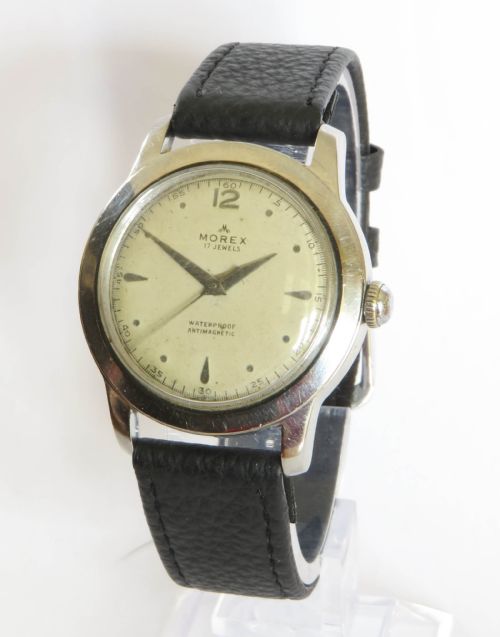
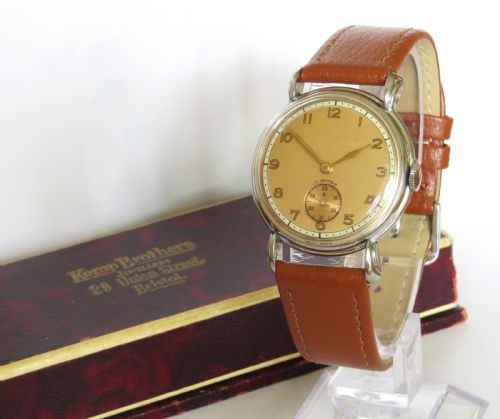
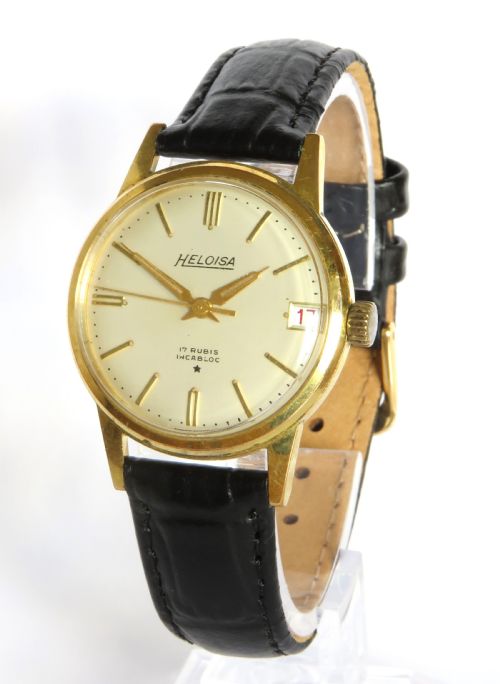
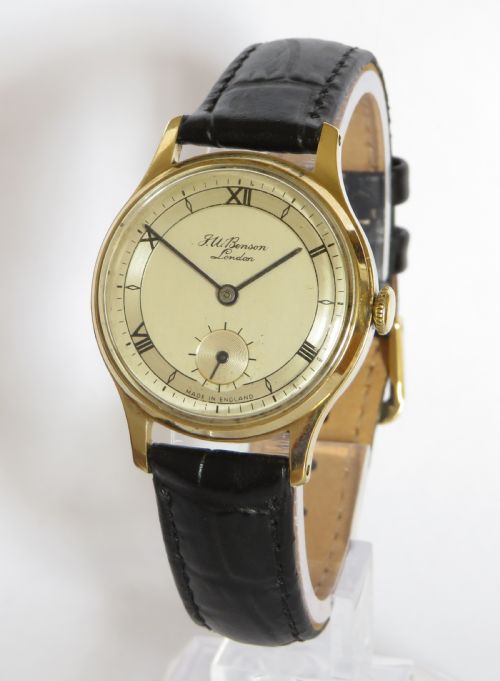
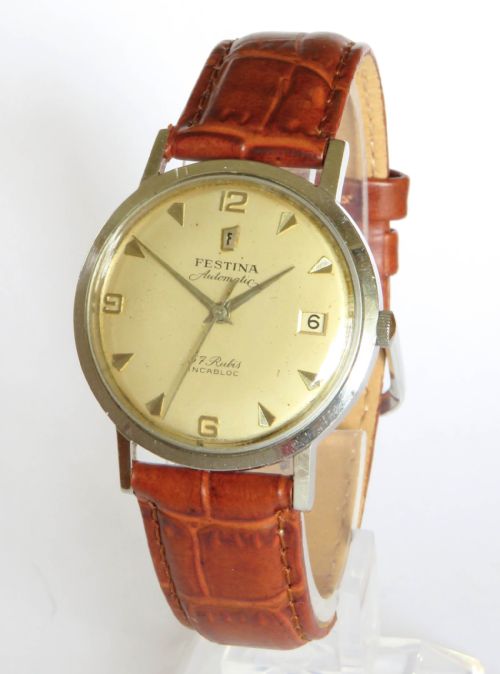
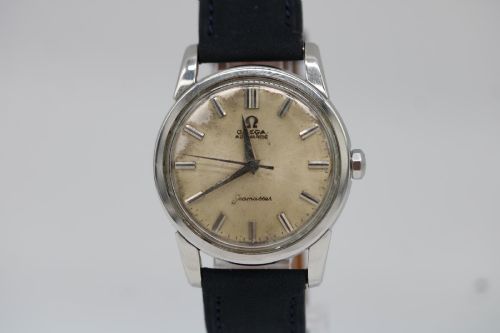
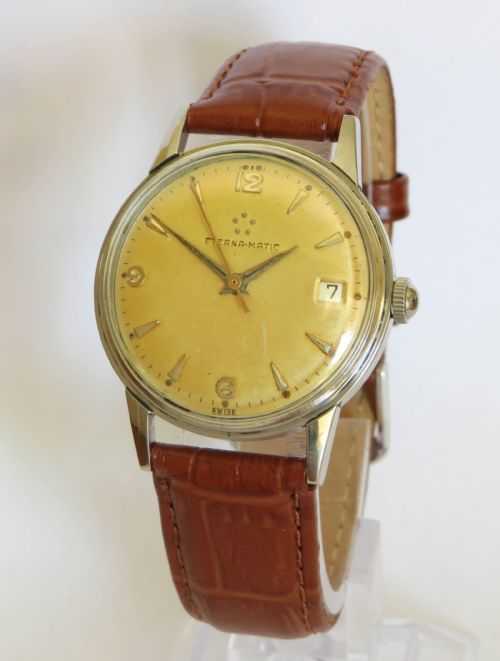
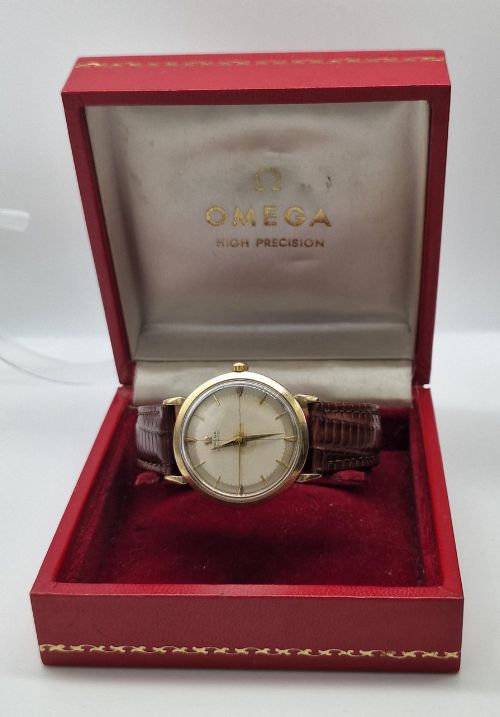
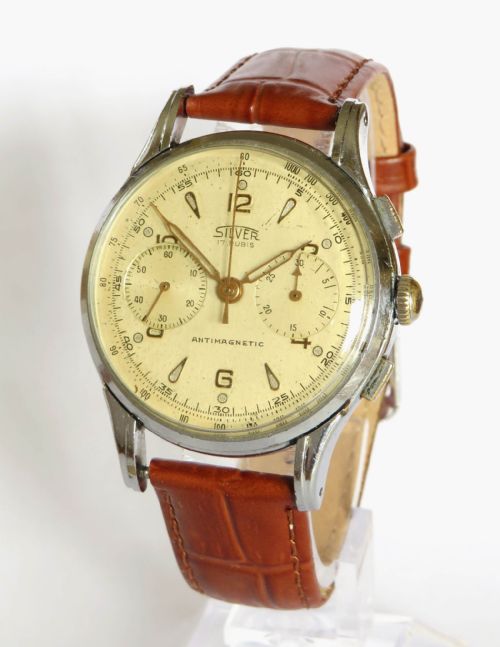
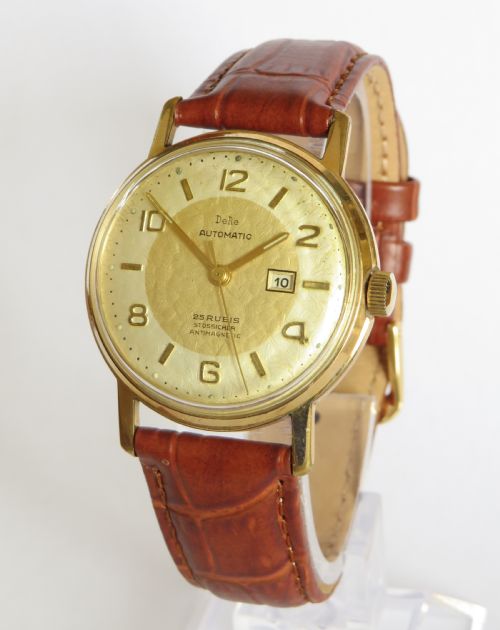
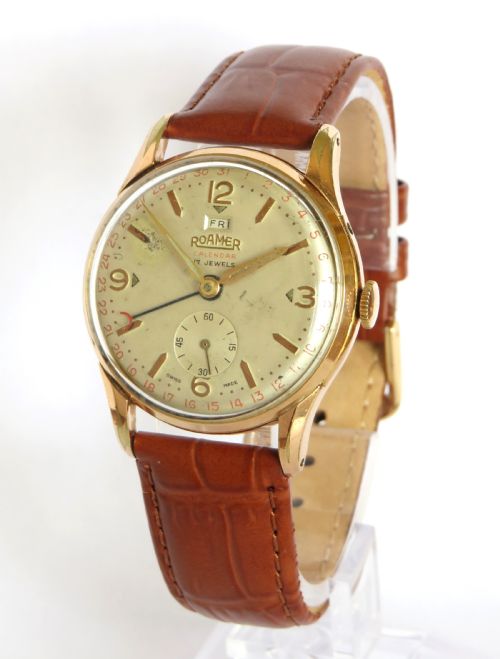
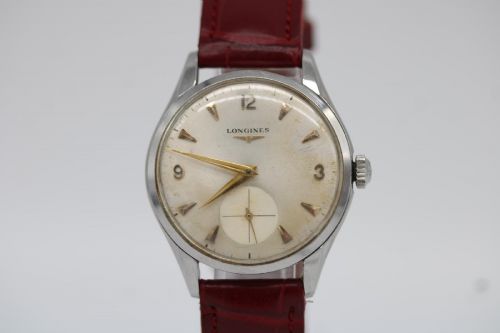
1950s Mens Watch
These 1950s mens watch examples are mechanical wristwatches driven by mid-century design, offering daily wearability and timeless proportion.
1950s Mens Watch
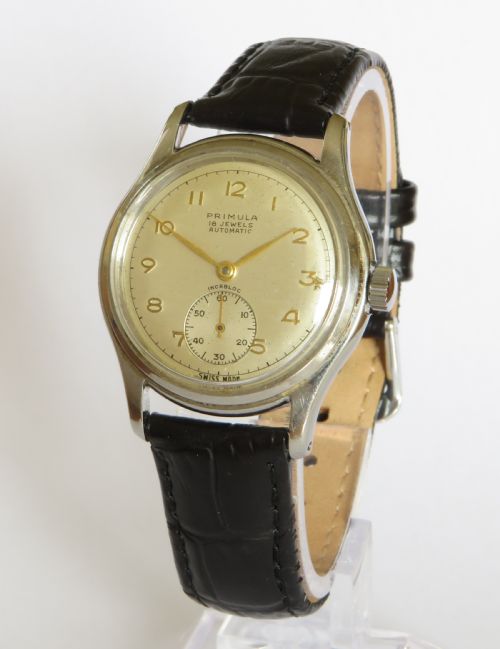
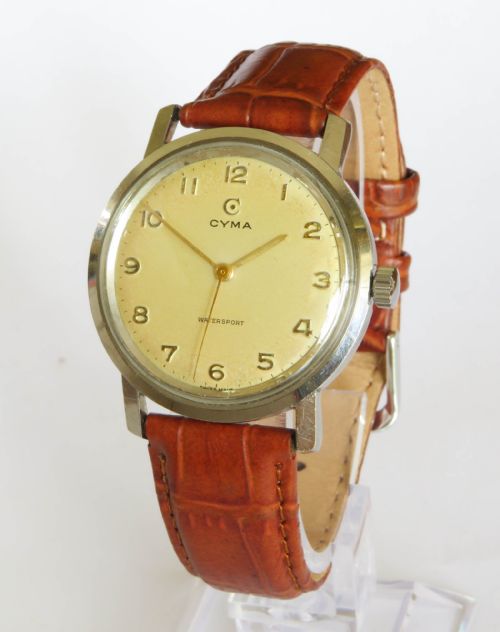
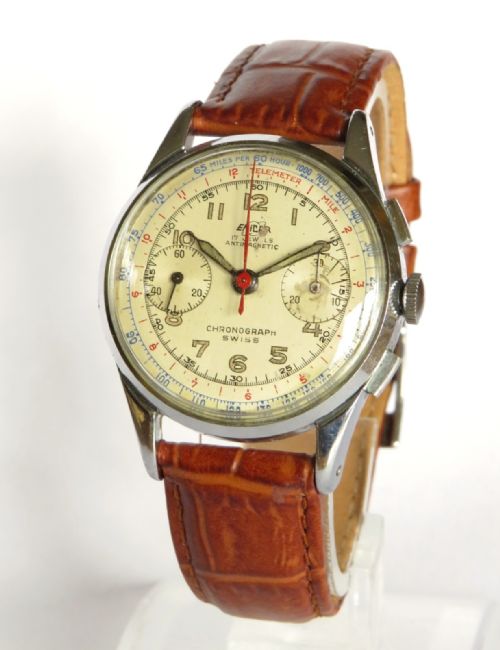
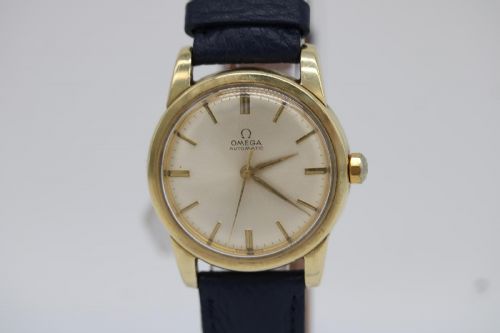
A 1950s mens watch is a mechanical timepiece worn on the wrist, emerging primarily from Swiss and British workshops during the mid-century period. These objects span simple manual wind variants to complex automatic chronographs and calendar models.
Buyers will most frequently meet stainless steel or gold-plated wristwatches featuring round dials, often designated as gents models. They reflect mid-century modern and aviation styling adapted for practical daily use.
How they were made
Watchmakers utilised metal alloys such as stainless steel, chrome, and 9ct gold for robust cases, pairing them with protective glass or acrylic crystals. Movements relied on intricate mechanical gears assembled by hand in Swiss and British factories.
Dials were protected beneath clear acrylic glass or standard glass, while straps utilised durable leather to secure the wristwatch to the wrist.
Some calendar watches from this decade squeezed entire date wheels into spaces smaller than a coin.
What varies in quality
The distinction between tiers rests upon the choice of case materials, ranging from gold plate and chrome to solid 9ct gold. Movement complexity also separates simple manual wind pieces from automatic chronometers and calendar complications.
Originality of the dial and components alongside maker pedigree influences the standing of a wristwatch within this historical range.
Omega·Smiths·Longines·Certina·Roamer
The 1950s Mens Watch Glossary
- Automatic
- A self-winding mechanical movement that uses a weighted rotor to wind the mainspring through natural wrist motion.
- Chronograph
- A watch equipped with a stopwatch function alongside standard timekeeping displays.
- Manual wind
- A timepiece requiring the wearer to manually turn the crown to tension the mainspring.
- Acrylic glass
- A lightweight, shatter-resistant plastic crystal used to cover and protect the watch dial.
1950s Mens Watch: Frequently Asked Questions
How do I wind a manual watch?
Gently rotate the crown clockwise between your thumb and forefinger until you feel gentle resistance. Stop immediately to avoid damaging the internal mainspring.
Wind the watch at approximately the same time each day to maintain consistent timekeeping performance.
Are these watches water resistant?
Most mid-century timepieces lack modern rubber gaskets and screw-down crowns necessary for true water resistance. Exposure to rain or handwashing splashes can permit moisture inside the case.
Keep the watch entirely away from swimming, showering, and prolonged water contact to protect the movement.
How accurate are mechanical watches?
Vintage mechanical movements typically gain or lose a small number of seconds each day compared to modern quartz timepieces. This variation is standard for mid-century horology.
Regular servicing by a professional watchmaker helps maintain optimal timing precision.
Can I wear mine every day?
These wristwatches were originally built for daily civilian use and remain entirely suitable for regular wear today. Pairing them with a secure leather strap ensures comfort throughout the day.
Avoid wearing the watch during rigorous physical activities or heavy manual labour to prevent shock damage.