
Retro Swiss Timepiece
These retro swiss timepiece selections span decades of horology, offering mechanical precision and distinctive mid-century styling for daily wear.
Retro Swiss Timepiece
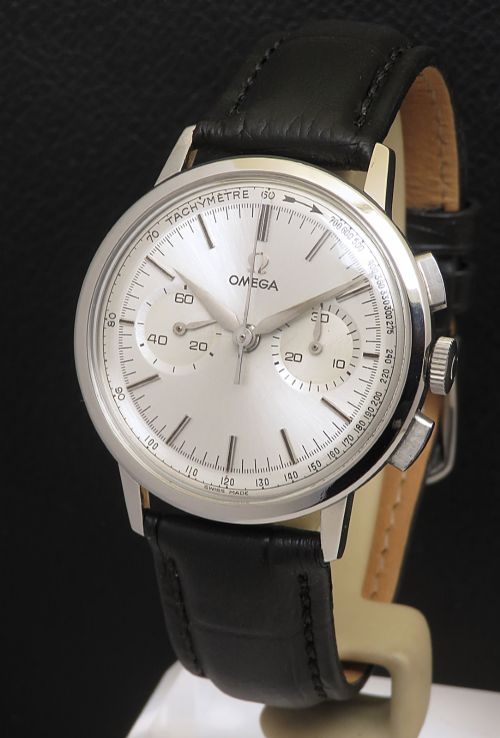
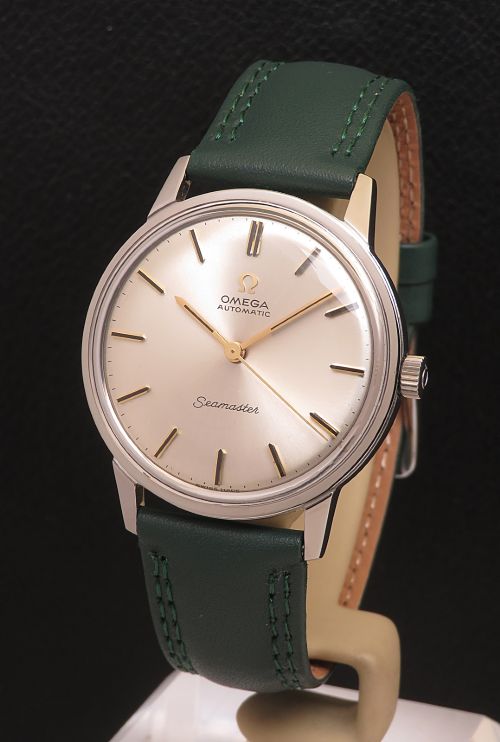
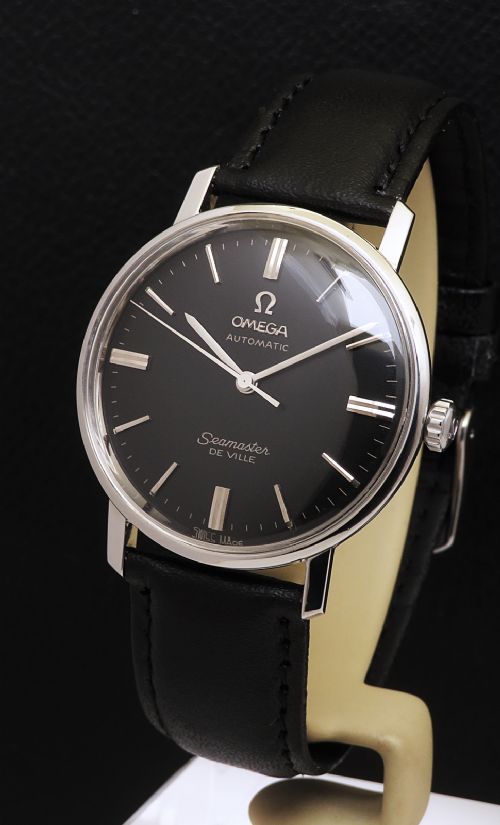
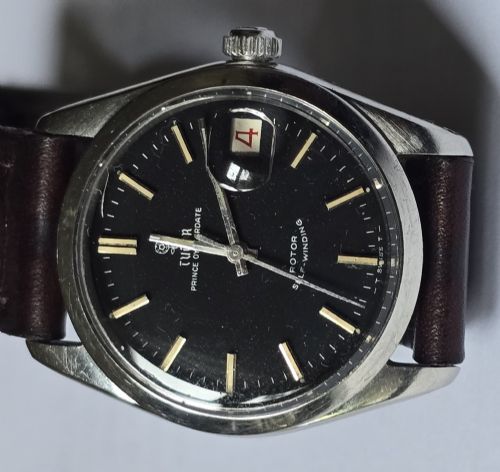
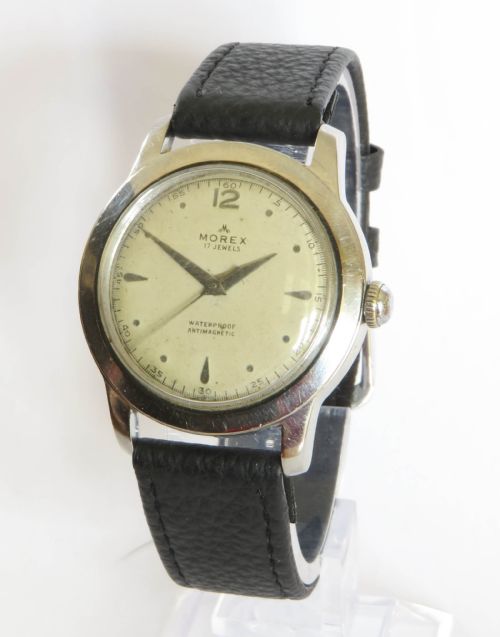
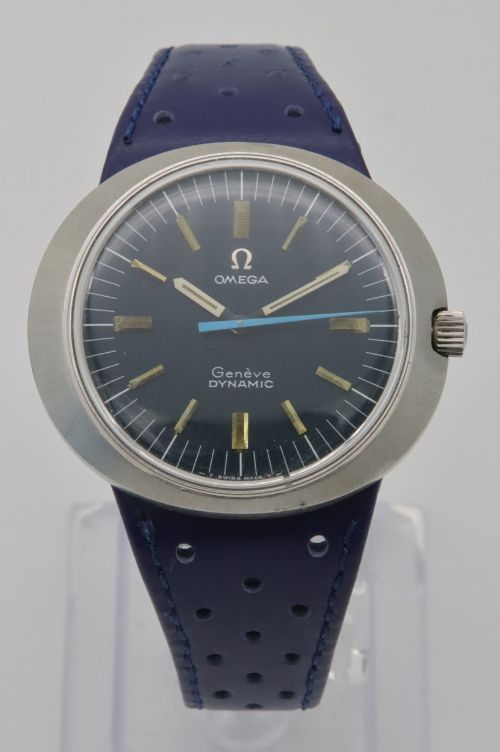
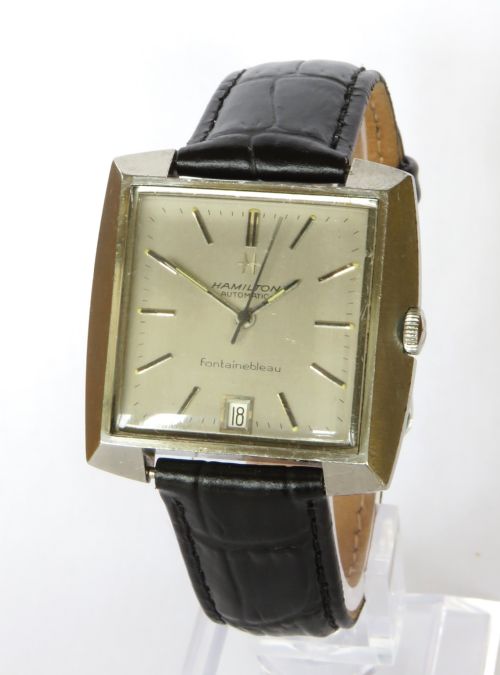
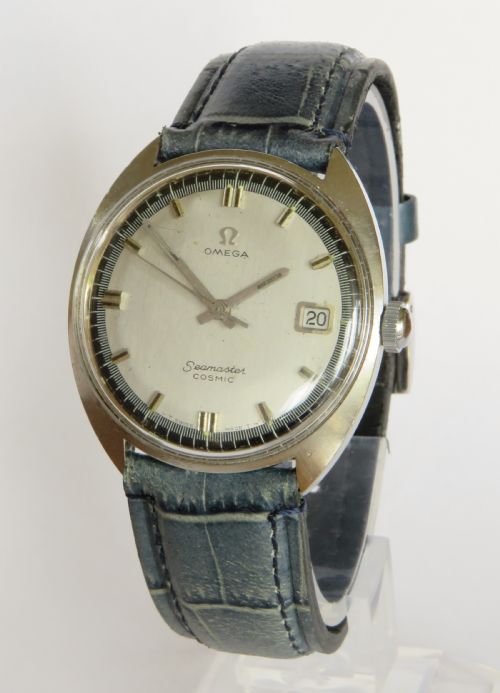
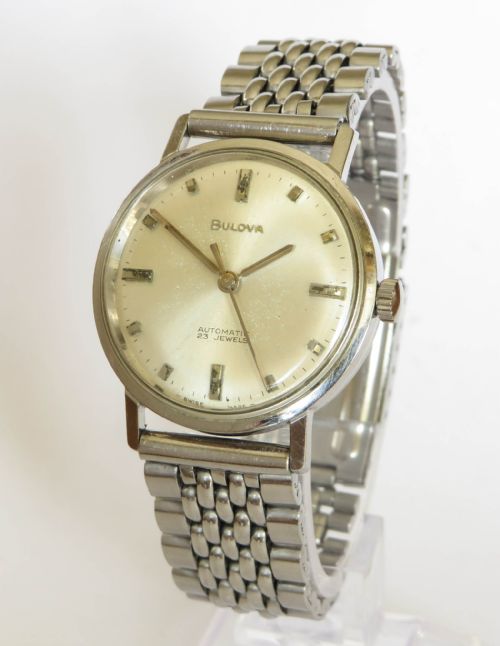
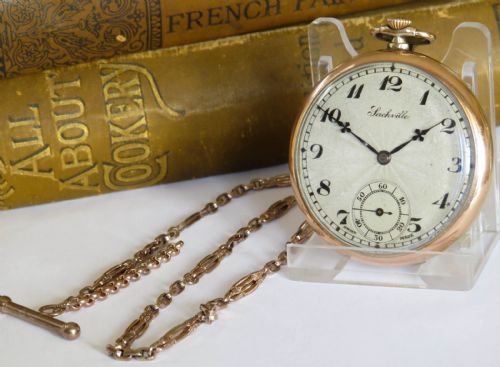
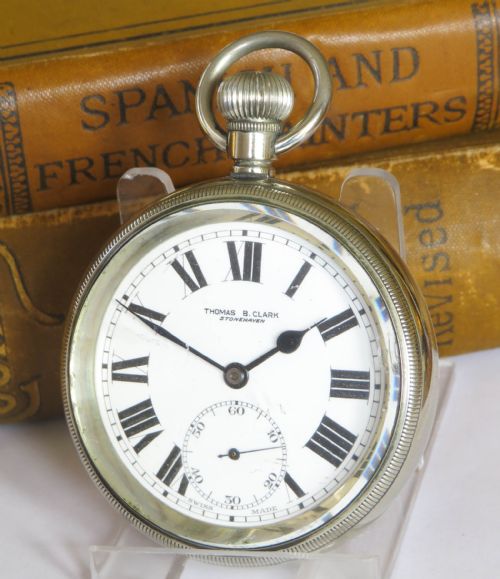
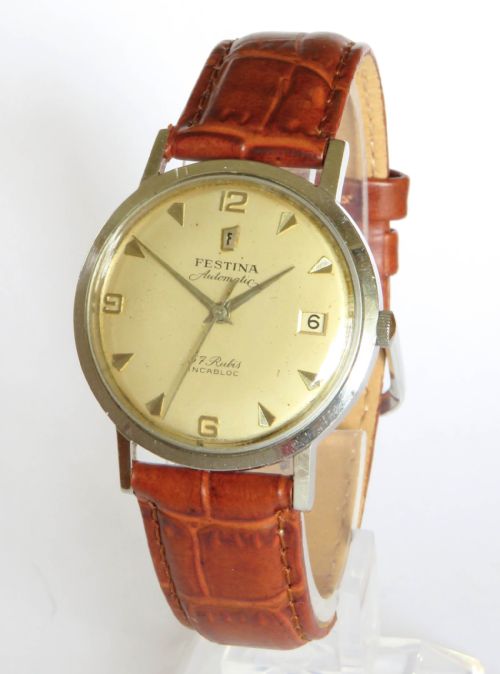
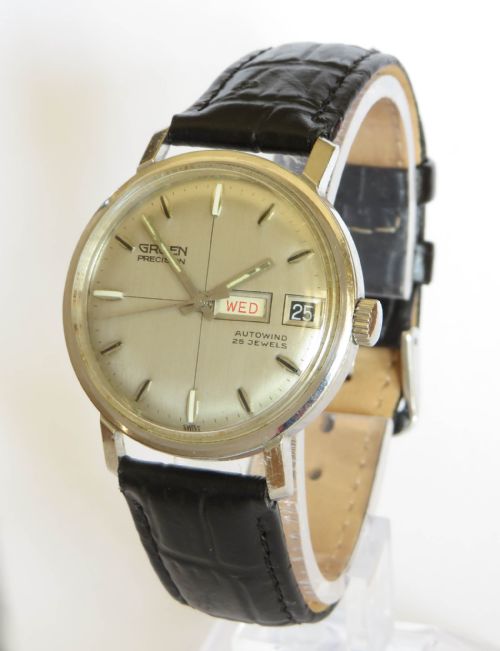
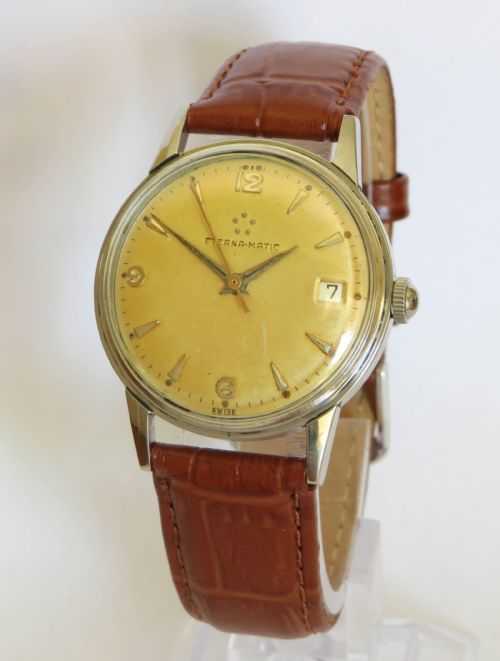
A retro swiss timepiece encompasses wristwatches, pocket watches, and wall clocks originating from Swiss makers across the twentieth century. The selection leans heavily toward wristwatches produced during the 1950s and 1960s, embodying mid-century modern and art deco design traditions.
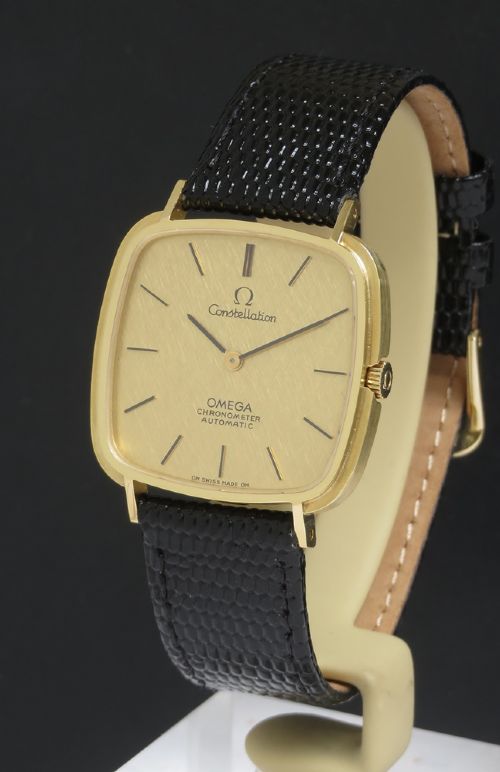
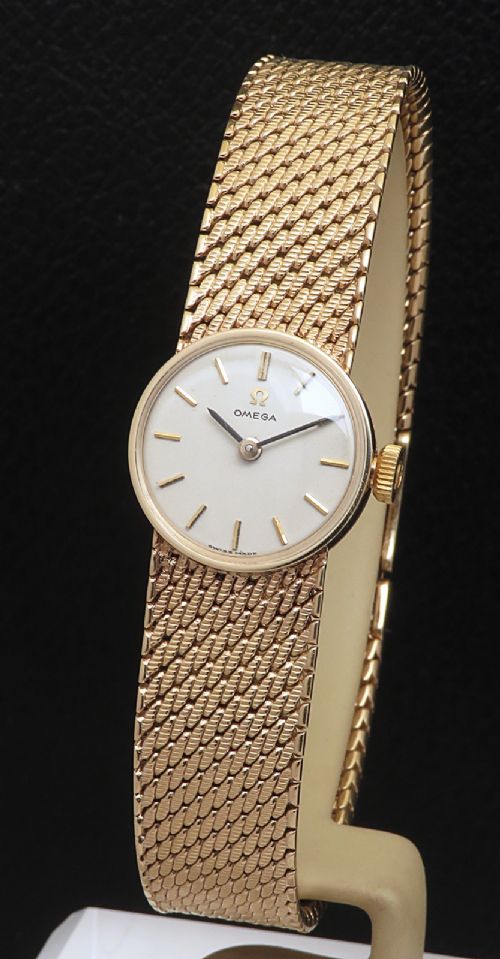
Buyers encounter mechanical movements housed in stainless steel, gold plate, and solid gold cases, often paired with leather straps. Forms range from robust chronographs and automatic calendar models to delicate ladies' cocktail pieces set with diamonds.
Construction and materials utilised
Cases utilise stainless steel, gold plate, and solid 9ct or 18ct gold, sometimes featuring acrylic glass or acrylic crystal over the dial. Dials incorporate applied markers, patinated finishes, and textured surfaces protected by metal housings.
Movements rely on precision mechanical engineering, spanning manual-wind mechanisms, automatic winding systems, and bumper automatics. Straps combine traditional leather with matching metal bracelets, completing the construction of each piece.
Factors separating quality ranges
The material composition of the case dictates the base tier, moving from gold-plated base metals to solid 18ct gold and platinum-set cocktail designs. Dial preservation and original components further separate standard examples from pieces retaining factory elements and boxes.
Mechanical complexity plays a definitive role, distinguishing straightforward time-only movements from sophisticated chronographs and chronometer-certified calibres. The presence of original documentation, branded buckles, and servicing history elevates the standard of individual examples.
Omega·Tudor·Hamilton·Bulova·Longines
The Retro Swiss Timepiece Glossary
- Chronograph
- A watch with a stopwatch function alongside the standard time-displaying mechanism. This complication utilises independent sweep hands.
- Automatic
- A self-winding mechanical movement that uses the natural motion of the wearer's wrist to power the mainspring. Weights inside rotate to keep the watch running.
- Chronometer
- A high-precision watch that has passed official accuracy tests conducted by an independent testing body. These movements maintain exact time under various temperatures.
- Calibre
- The specific manufacturer's designation for a particular watch movement design. Collectors use this term to identify the internal mechanics.
- Bumper automatic
- An early type of self-winding movement where the rotor swings back and forth against springs rather than rotating fully. This produces a distinct physical tap on the wrist.
Retro Swiss Timepiece: Frequently Asked Questions
How do I wind an automatic watch?
Automatic watches wind themselves through wrist movement while being worn throughout the day.
Many vintage pieces also permit manual winding via the crown to jumpstart the movement after a period of rest.
What is a bumper movement?
A bumper movement is an early self-winding design where the internal weighted rotor swings back and forth within an arc rather than spinning in a complete circle.
Wearers feel a gentle tap against the internal springs as the rotor reaches the end of its travel.
Are these watches water resistant?
Vintage timepieces generally lack modern rubber gaskets and modern sealing techniques, making them vulnerable to moisture.
Owners should keep these pieces away from water, rain, and humidity to protect the internal mechanics and dial.
How do I read a dial reference?
Manufacturers stamp specific reference numbers inside the case back and sometimes on the movement to denote the exact model and production batch.
Comparing these numbers with archival records reveals the original production year and configuration.