

Antique Garden Sculpture
An antique garden sculpture brings classical form and weathered weight to open ground, turning lawns and courtyards into considered spaces.
Antique Garden Sculpture
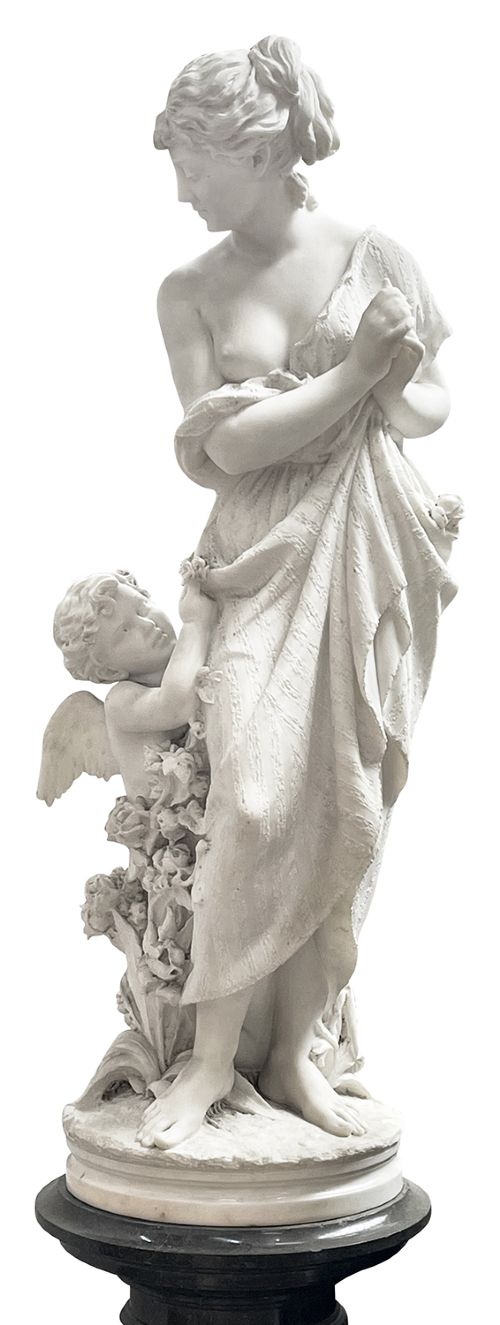
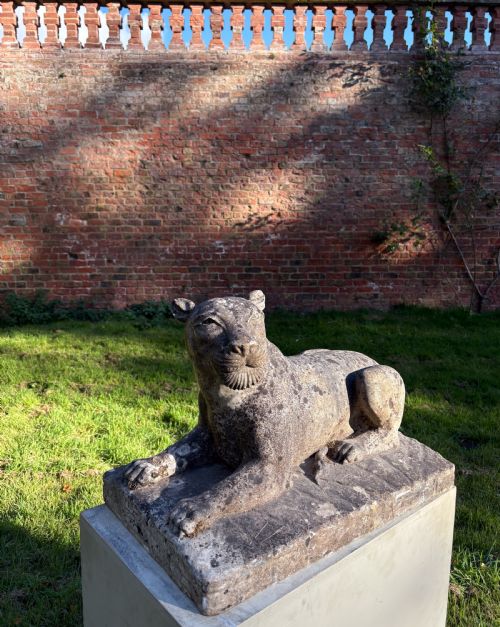
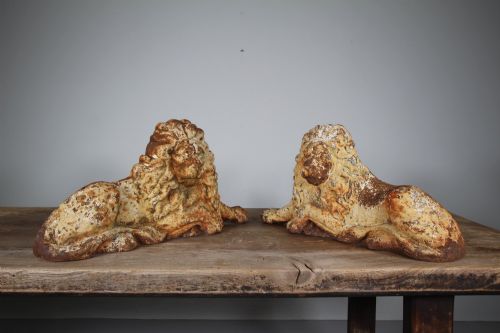
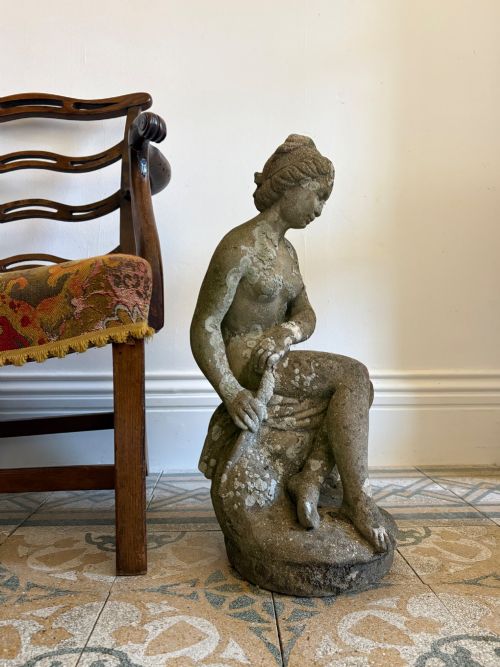
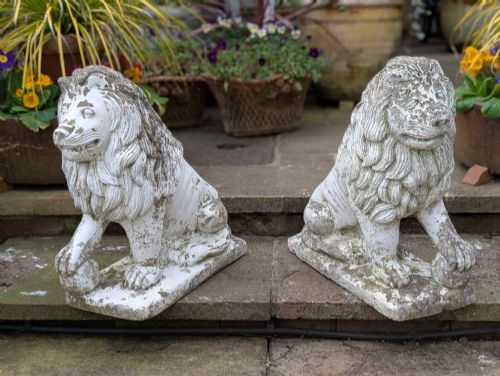
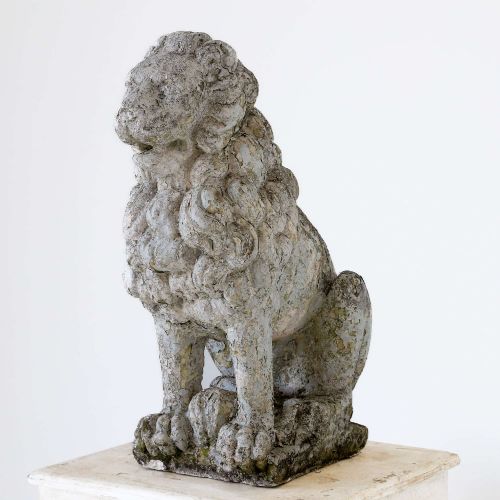
When you search for antique garden sculpture, you encounter a diverse assemblage of statues, animals, finials, and architectural elements meant to endure outdoors. The selection on this page ranges from utilitarian staddle stones and millstones to elaborate cast iron lions, bronze dragons, and stone figures of classical inspiration.
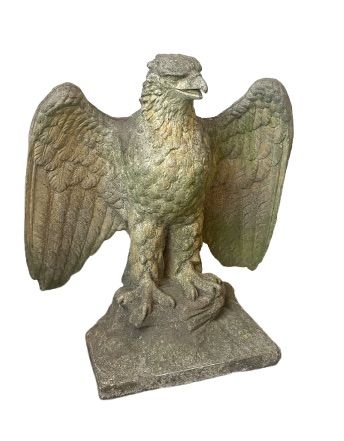
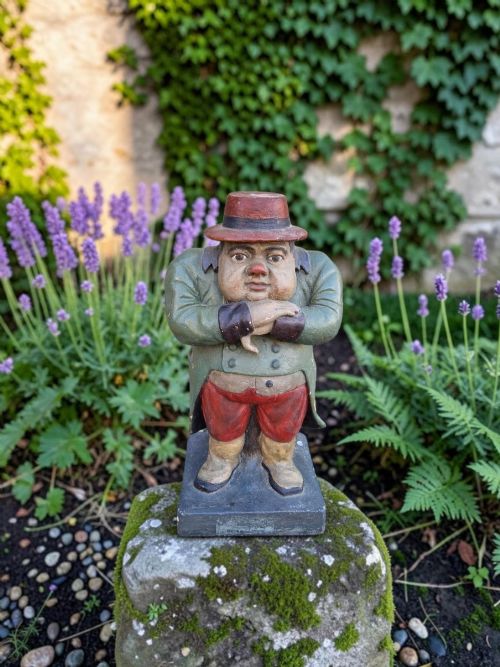
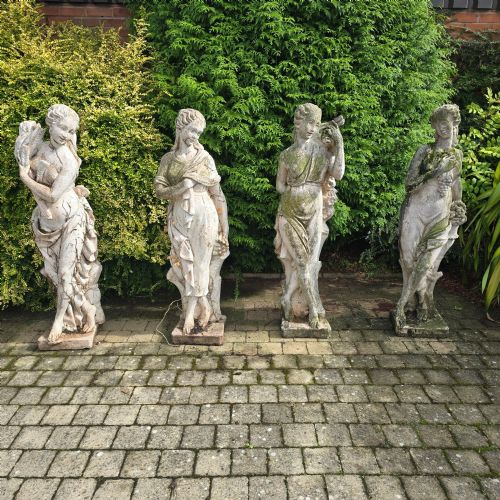
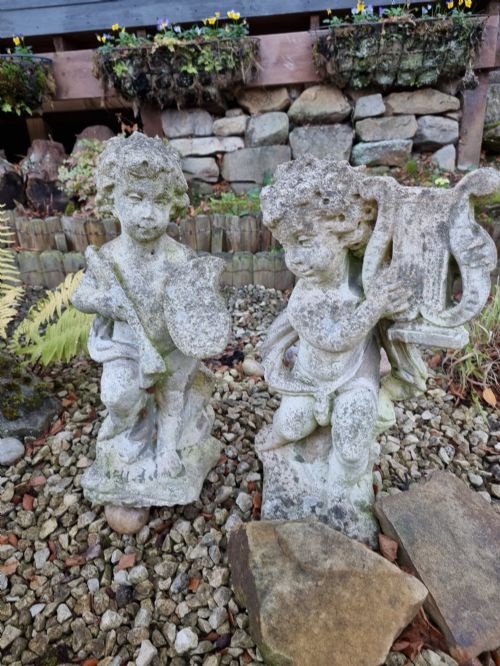
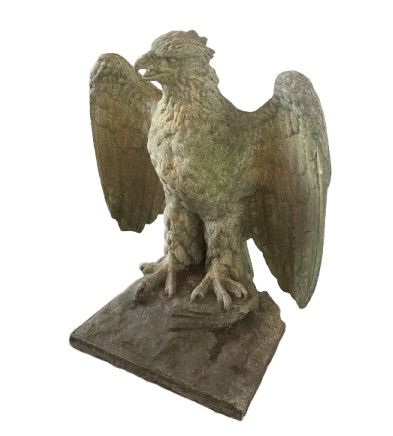
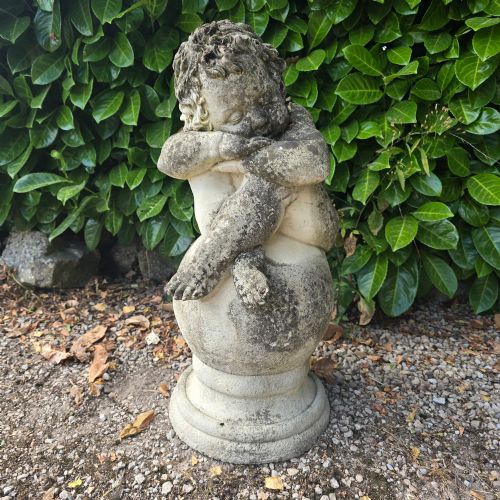
Most pieces date from the eighteenth and nineteenth centuries through the early twentieth century, encompassing Victorian, Edwardian, and Neoclassical revivals alongside folk art and Japanese Meiji works. Figures such as cherubs, lions, eagles, and allegorical representations of the seasons appear frequently alongside more functional garden ornaments.
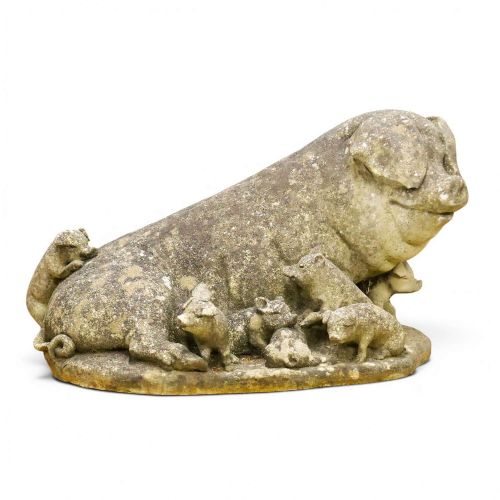
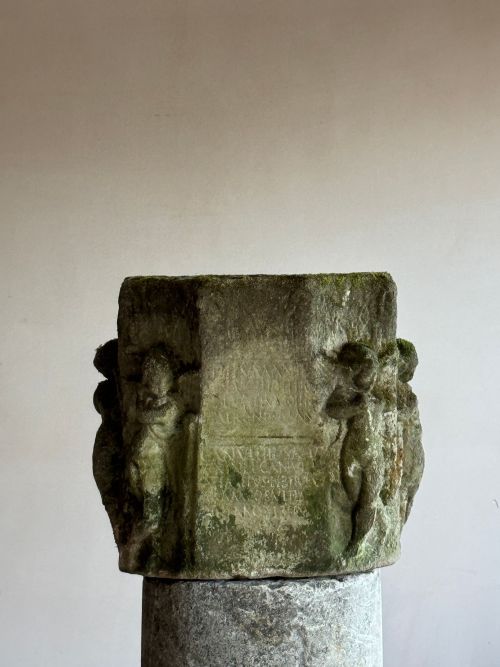
Forms vary from monumental fountain vases and temple pieces to life-size hounds, geese, and human figures designed to anchor a terrace or lawn. These objects carry the marks of weather and age, showing how materials react to decades under open skies.
Materials and methods
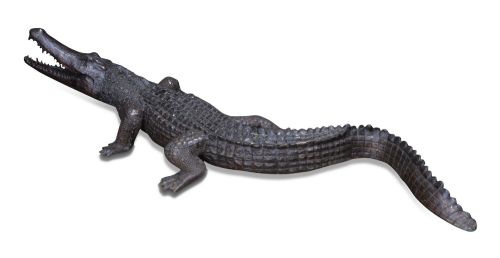
Foundries and workshops shaped these pieces from cast iron, bronze, lead, and various stone compositions including reconstituted stone, composite stone, sandstone, and marble. Cast metals like iron and bronze allowed for intricate detail in figures such as eagles, crocodiles, and Japanese okimono, while lead provided a heavy, pliable medium for animals and satyrs.
Stone pieces relied on manual carving or casting in moulds using aggregates like reconstituted stone and concrete, often finished with original paint or left bare to weather naturally. Iron elements frequently combined forged components, such as anchor tethers and hitching posts, with cast bodies built to withstand prolonged exposure.
Antique Garden Sculpture Retail Price Guide 2026
Typical asking prices for garden sculpture among the pieces listed under this phrase on Sellingantiques today, from the lower quarter to the upper quarter. They describe what is for sale here now, not the wider market.
Judging the work
Quality rests in the crispness of the modelling and the integrity of the material, whether in the deep chisel marks of hand-sculpted terracotta and sandstone or the clean lines of foundry casts. Superior pieces retain anatomical proportion and expressive detail, avoiding the softening or flattening that occurs in worn moulds or inferior mixes.
The character of the surface patination plays a vital role, distinguishing honest weathering from artificial ageing. Pieces that have acquired lichen, moss, and uniform oxidation over generations demonstrate a stable integration with the environment.
Val d Osne foundry
The Antique Garden Sculpture Glossary
- Staddlestone
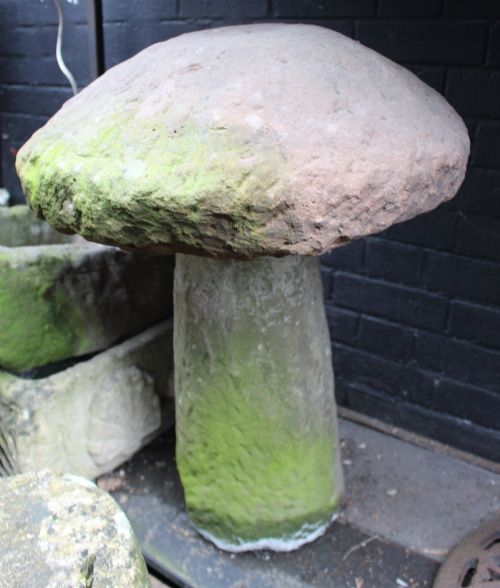
- A mushroom-shaped stone support formerly used to elevate granaries above damp ground and rodent access. These sturdy agricultural blocks now serve as decorative garden pedestals.
- Pier finial
- An architectural ornament placed atop a gate pier or wall end to mark an entrance or boundary. Eagles and stone spheres frequently appear in this format.
- Okimono
- A Japanese decorative sculpture designed for display, encompassing bronze figures of animals, bridges, and temple vessels imported during the Meiji period. These works display meticulous metallurgical skill.
- Lead figure
- An outdoor ornament cast in lead, prized for its malleability and the soft grey patina it develops over time. Figures range from animals to mythological musicians.
- Terracotta
- Fired clay moulded into garden ornaments and statues. Italian examples demonstrate the capacity of the material for large-scale sculptural modelling.
Antique Garden Sculpture: Frequently Asked Questions
How do I protect stone sculptures in winter?
Most stone and cast elements tolerate frost if they rest on well-drained ground or timber blocks rather than sitting directly in standing water. Covering porous pieces with breathable material prevents moisture freeze-thaw cracking.
Heavier items require no special storage once sited properly in the garden, as their weight and composition are engineered for year-round exposure.
Are lead garden sculptures heavy?
Lead figures possess substantial weight relative to their size, making them remarkably stable on lawns and terraces without additional fixings. This density prevented tipping during wind and historical use.
When positioning lead pieces, ensure the underlying ground or stone plinth can support concentrated loads without shifting.
How do I clean an antique bronze?
Historic bronzes develop a stable protective layer known as patination, which collectors value for its aged appearance. Aggressive cleaning or polishing strips this surface and exposes raw metal.
Gentle washing with clean water and a soft brush removes accumulated dirt without harming the historic finish or underlying metal.
What is a staddlestone used for today?
Staddlestones function primarily as garden pedestals, boundary markers, or architectural accents rather than agricultural supports. Their distinct cap and base profile suits placement along paths or beneath trees.
Garden designers often arrange them in pairs or small groups to create visual rhythm across open lawns.