
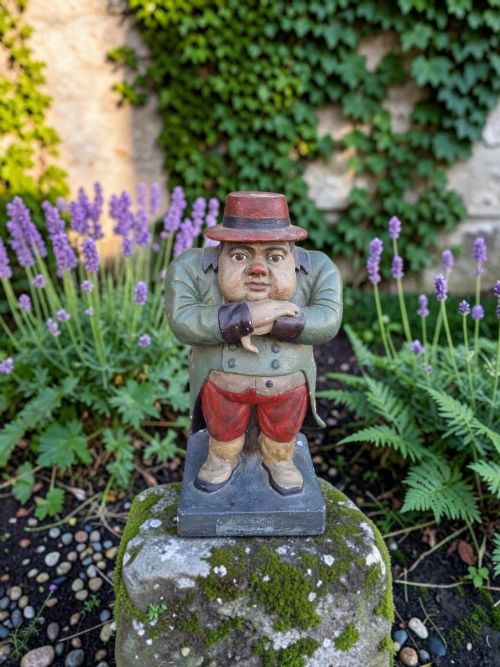
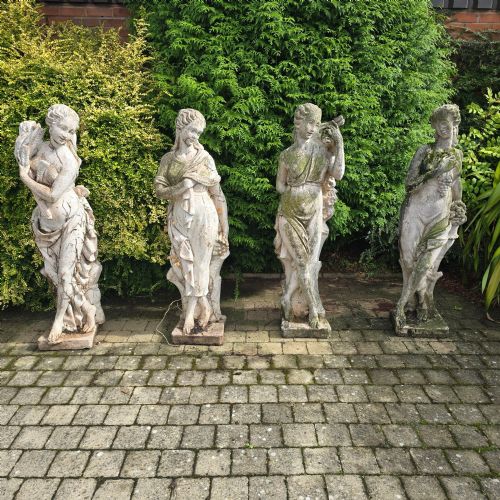
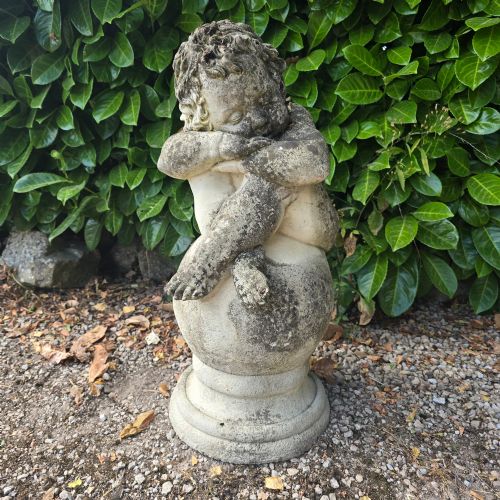
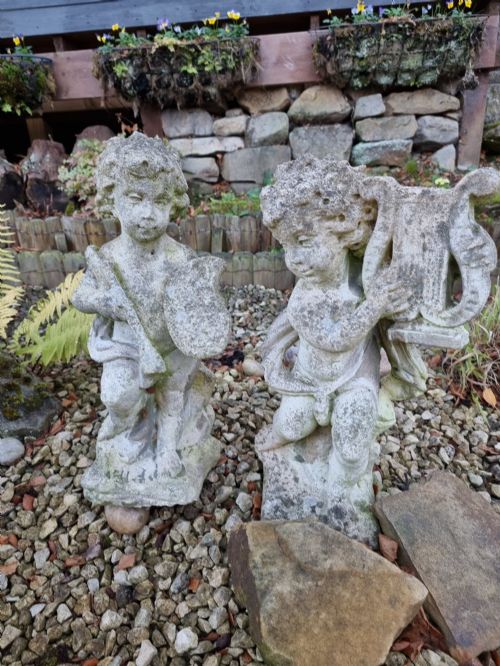
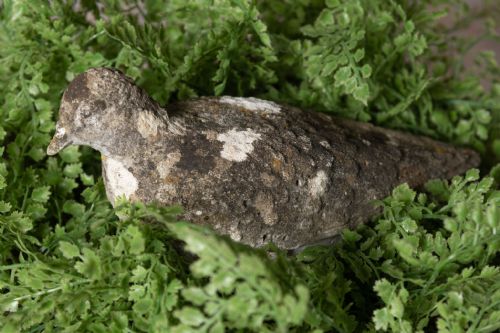
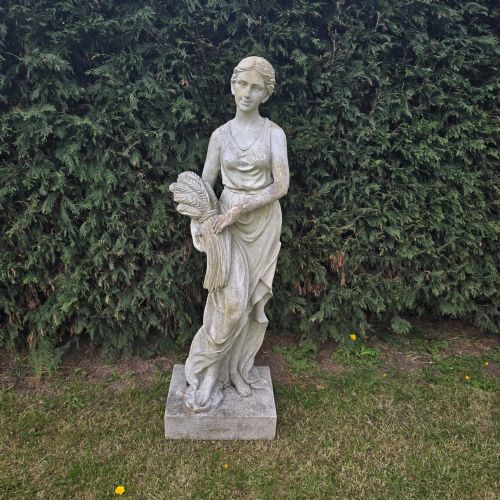
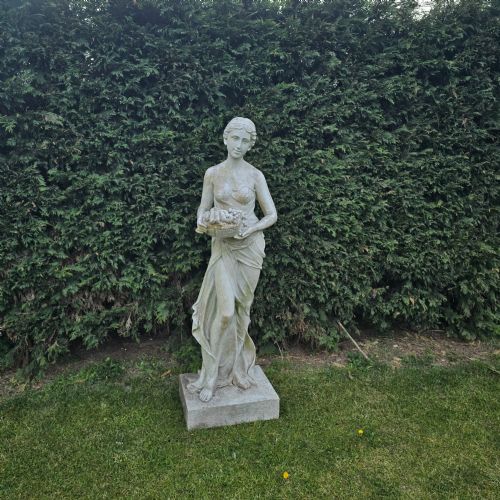


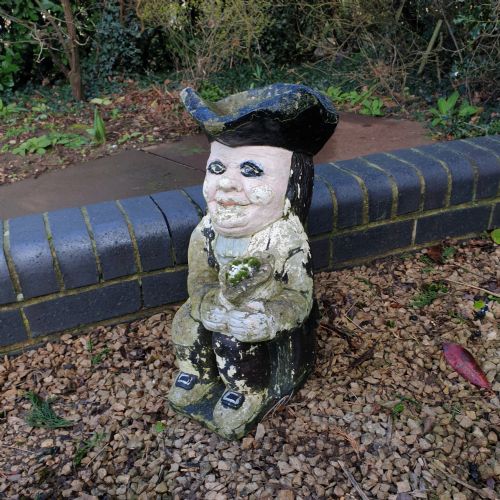


Cast Stone Garden Figure
A cast stone garden figure brings classical form and enduring presence to outdoor spaces, shaping the character of lawns and terraces.
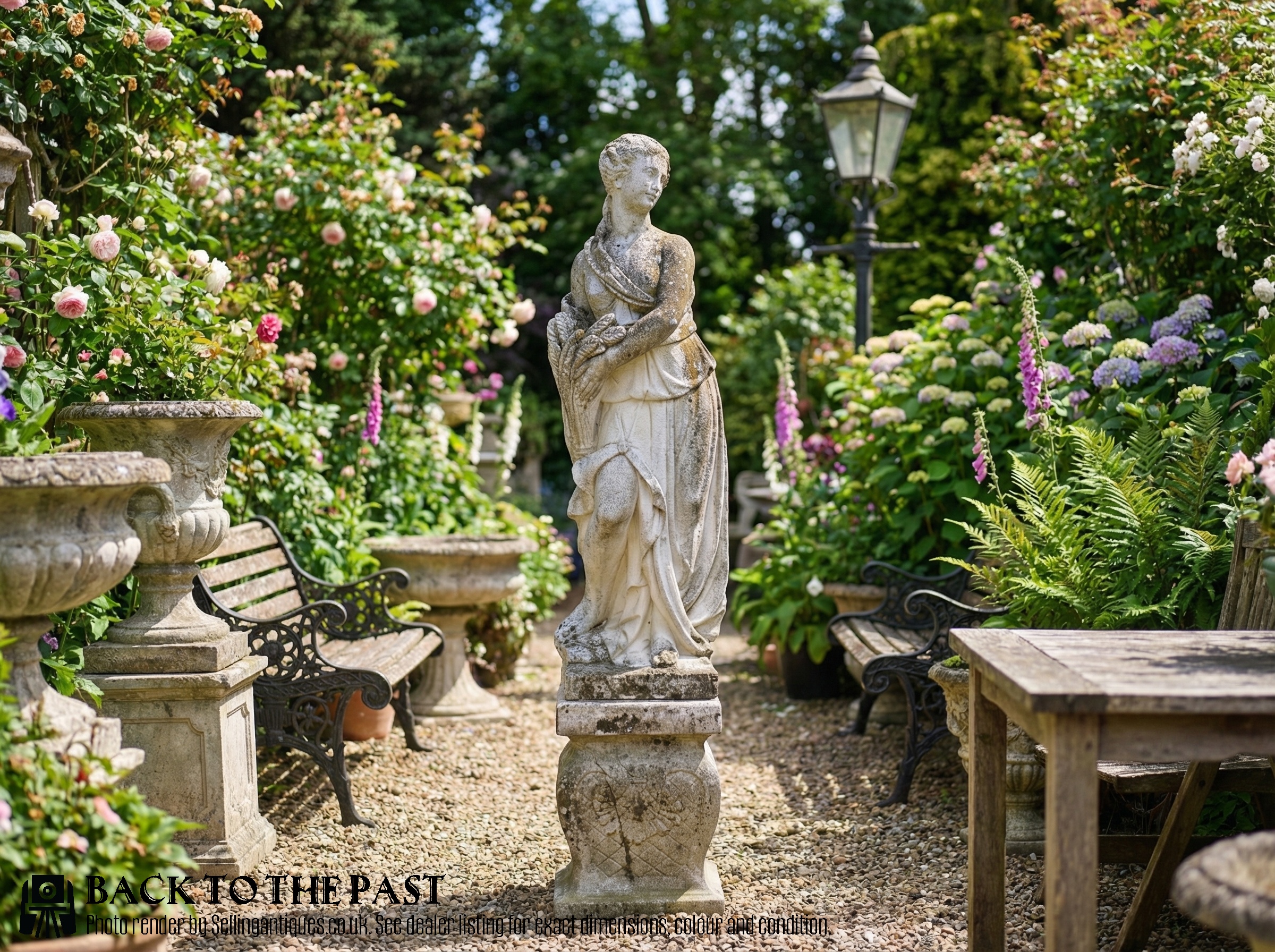
Cast Stone Garden Figure
A cast stone garden figure comprises sculptural representations found in outdoor settings, typically taking the form of classical deities, allegorical seasons, cherubs, and animal guardians. These pieces draw from styles such as Classical Revival, Neoclassical, and English Country House, reflecting historical garden traditions.
The versions most commonly met span from the late nineteenth century through to the mid-twentieth century, capturing enduring motifs like the Four Seasons, lions, and classical female figures. Such objects serve as focal points in gardens, conservatories, and courtyards, integrating sculpture with landscape design.
Materials and construction methods
Makers shaped these garden ornaments using aggregates mixed with binders, utilising terms such as cast stone, reconstituted stone, composition stone, and concrete. The material allowed workshops to reproduce intricate details from master sculptures efficiently.
Surfaces often received protective or decorative treatments, including layers of paint that weather over decades to reveal layers of texture. Some standing figures incorporate additional structural support materials such as iron within their stands or internal armatures.
Materials span cast stone, reconstituted stone, concrete, composition stone, and painted surfaces.
Distinctions in quality
The ageing process also defines merit, as decades of exposure develop organic patination, lichen growth, and surface erosion that unify the stone. Pieces retaining traces of original flaky paint or stable weathering possess a distinct visual depth missing from uniform newer surfaces.
The Cast Stone Garden Figure Glossary
- Cast stone
- A building product manufactured from Portland cement, graded aggregates, and water, designed to emulate natural cut stone. It provides a durable medium for detailed garden statuary.
- Reconstituted stone
- A synonym for cast stone, describing crushed or powdered stone bound with a matrix to form a workable moulding material. This technique gained widespread adoption in the nineteenth and twentieth centuries.
- Composition stone
- An alternative designation for composite aggregate materials used in architectural ornaments and statues. It ensures frost resistance and structural stability in outdoor environments.
- Classical Revival
- An architectural and artistic style drawing inspiration from the art of ancient Greece and Rome. Figures in this vein often depict mythological deities and allegorical subjects.
- Plinth
- A heavy base or pedestal upon which a garden statue stands. It elevates the sculpture and integrates the figure into the surrounding garden architecture.
Cast Stone Garden Figure: Frequently Asked Questions
Where should I place a garden figure?
These sculptures suit focal points in garden design, such as at the end of a gravel path, within a herbaceous border, or framed by evergreen hedges. Placing them where natural light catches the modelling enhances the depth of the stone.
Positioning figures on dedicated plinths elevates them above ground moisture and protects the base from soil splashing during heavy rain.
How do I clean an old stone figure?
Gentle brushing with a soft-bristled brush and plain water removes loose dirt and debris without damaging the weathered surface patination. Avoid harsh chemical cleaners or high-pressure washers, which strip away historical paint remnants and erode the aggregate matrix.
Allowing natural moss and lichen to remain often enhances the character of nineteenth and twentieth-century garden ornaments, provided the growth does not threaten the structural integrity of the stone.
Are these figures frost resistant?
Cast and reconstituted stone garden ornaments are generally engineered to withstand outdoor weather conditions, including winter frosts. The density of the aggregate mixture helps prevent moisture absorption that leads to cracking.
During severe freezing spells, vulnerable pieces with thin extremities or those mounted on iron stands benefit from being moved under cover in a conservatory or shed.
How do I date a garden statue?
Dating relies on stylistic clues, mounting methods, and the nature of the surface wear accumulated over decades. Mid-century examples often display simpler casting marks, whilst late nineteenth-century pieces frequently exhibit finer classical detailing.
Material composition also offers hints, as early concrete and composite stone mixes varied significantly before standardisation in the twentieth century.