





Antique Style Stone Ornament
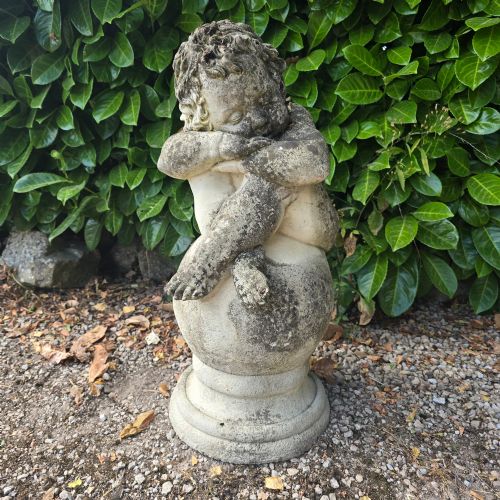
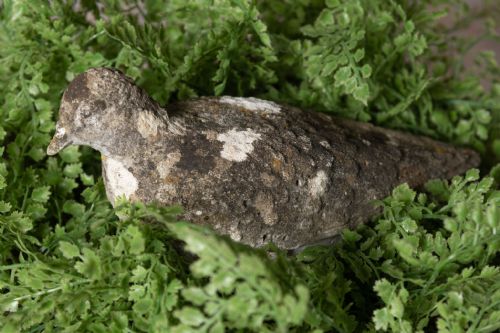
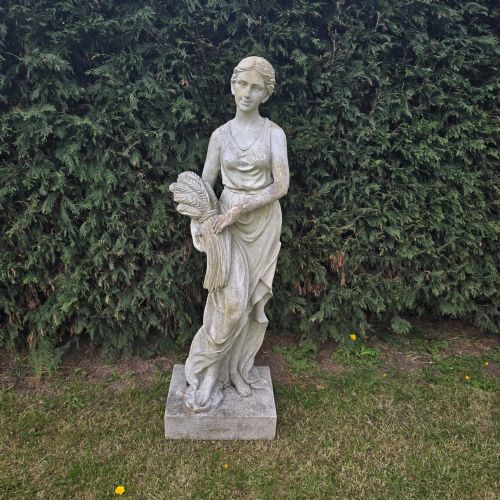
These antique style stone ornament examples range from classical figures to garden statuary, shaped by centuries of weathering and design.
Antique Style Stone Ornament
When you search for an antique style stone ornament, you are looking at items designed to bring architectural and sculptural presence to gardens and interiors. The selection spans garden statuary, decorative objects, and architectural antiques dating from the pre-sixteenth century up to nineteen fifty. You will frequently encounter mid-twentieth century garden pieces alongside nineteenth century marble sculptures and earlier fragments.
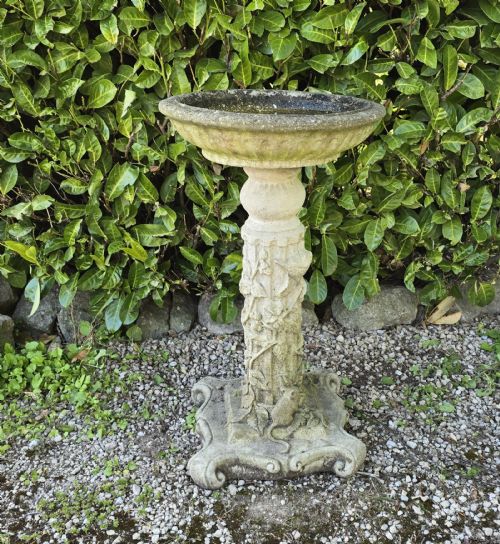
The forms vary widely across the inventory, taking shape as garden statues, bird baths, post finials, and figural sculptures. Classical revival and neoclassical styles dominate, alongside English country house aesthetics and occasional gothic revival or art deco touches. These pieces serve both ornamental and structural roles, from gate finials to conservatory figures.
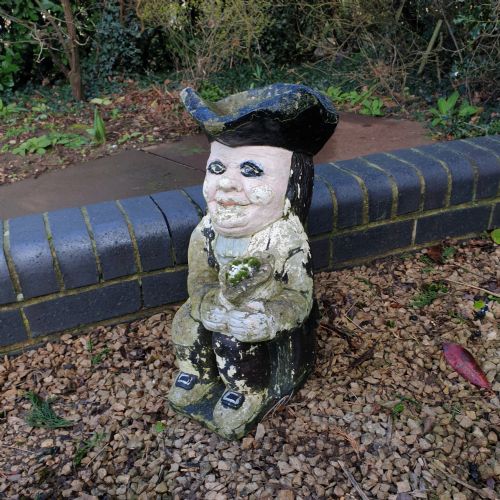
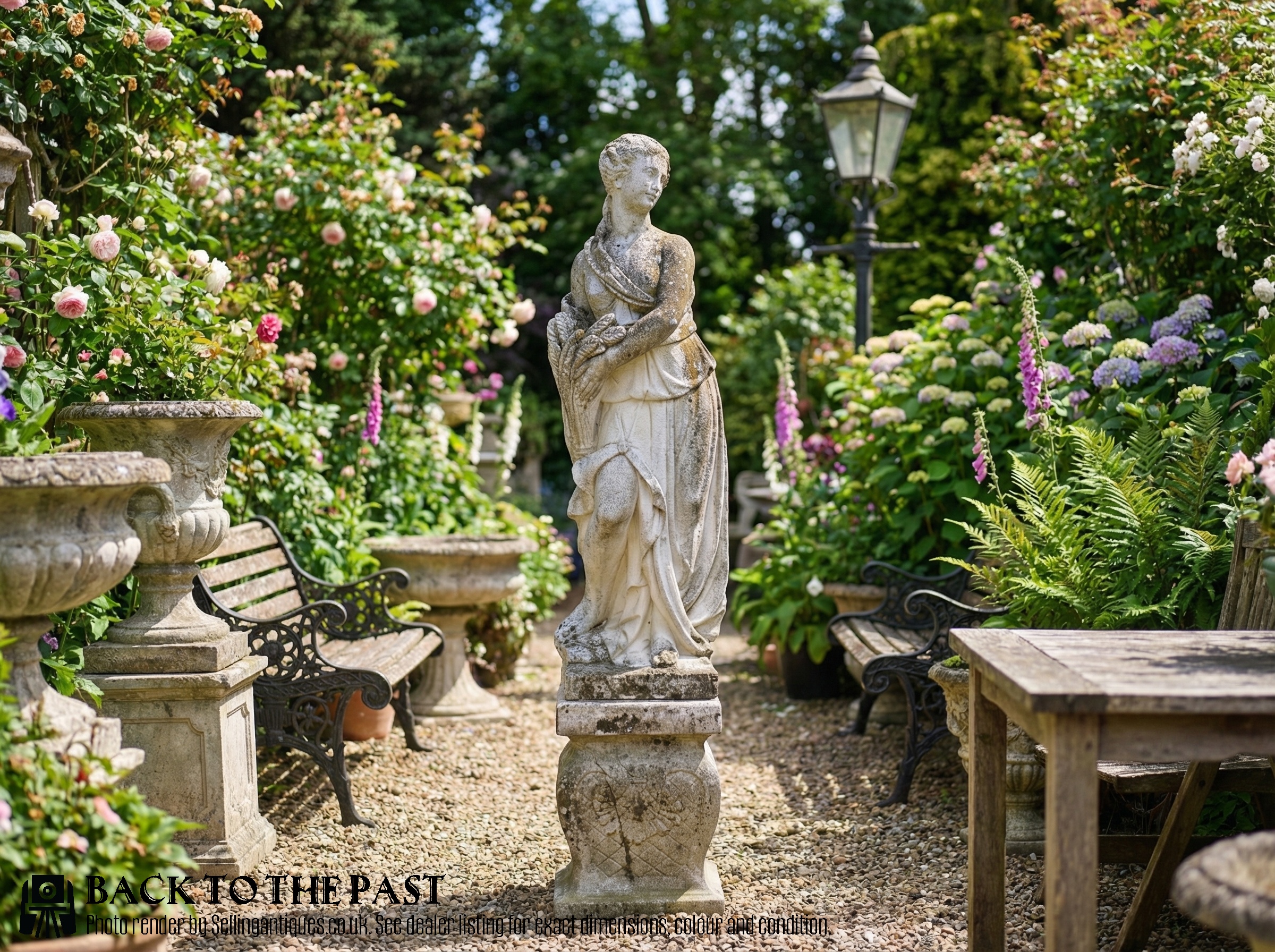
Origins and periods dictate the character of each piece, with materials showing decades of natural patination and surface wear. Pieces range from life sized figures of summer and grecian ladies to architectural fragments and animal guardians like lions and foo dogs. Each item reflects the prevailing taste of its period, whether Edwardian formal gardens or nineteenth century classical interiors.
Materials and construction methods
The physical substance of these pieces relies heavily on reconstituted stone, cast stone, and composite stone, alongside traditional carved marbles such as black and specimen marble. Sculptors and manufacturers also utilised alabaster, sandstone, and pietra dura inlay techniques to achieve varied surface textures and visual depth. Cast and reconstituted mixtures allowed workshops to replicate complex classical forms efficiently during the twentieth century.
Listings feature periods from pre-sixteenth century fragments up to nineteen fifty, encompassing cast stone, marble, and pietra dura.
Judging quality in stone ornaments
Quality separates through the crispness of the initial carving or moulding and the natural integration of weathering over time. Superior examples display anatomical correctness in figures and sharp architectural detail in finials and altars, whereas lesser pieces can appear soft or formulaic in execution. The choice of material also plays a role, with solid marbles and detailed pietra dura work representing a different tier of craftsmanship compared to standard cast stone.
Proportion and scale distinguish monumental garden ornaments from smaller decorative objects. A well proportioned plinth or life sized figure maintains balance and presence, while surface patination that occurs naturally through age adds depth without obscuring the form. The integrity of the stone structure itself, free from unsympathetic repairs, defines the better items in this category.
The Antique Style Stone Ornament Glossary
- Reconstituted Stone
- A composite material made from crushed stone or aggregate bound with cement, moulded to imitate natural carved stone. It became popular for durable garden ornaments and statues during the twentieth century.
- Pietra Dura
- An artistic technique using cut and fitted polished coloured stones to create geometric or figurative designs. It appears on decorative objects and table surfaces.
- Gate Finials
- Architectural ornaments placed on top of gate piers or posts, often taking the form of stone balls, pineapples, or animal guardians. They mark entrances to gardens and estates.
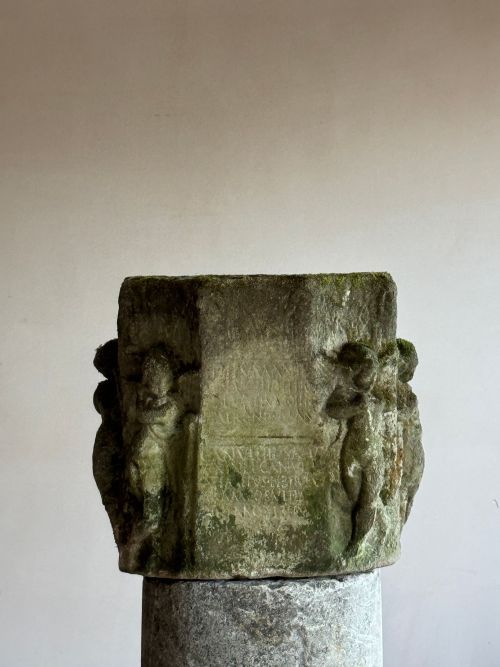
- Roman Funerary Altar
- A stone monument or shrine associated with ancient burial rites, replicated in later revival periods for garden decoration. These pieces carry classical inscriptions or relief carvings.
- Foo Dog
- A traditional Chinese guardian lion sculpture placed at temple gates to ward off evil spirits. Versions found in western collections reflect eastern architectural influences.
Antique Style Stone Ornament: Frequently Asked Questions
What is reconstituted stone?
Reconstituted stone is a durable material created by mixing crushed stone with a binder like cement and pouring it into moulds. This technique allowed makers to produce consistent garden ornaments and statues.
The resulting objects mimic natural quarried stone while offering high resistance to outdoor weathering and frost damage.
How do I place large garden statuary?
Large garden statuary requires a stable, level base such as stone paving, reinforced gravel, or a dedicated plinth. Heavier pieces often support their own weight safely outdoors.
Positioning them as focal points at the end of garden paths or within conservatory spaces highlights their scale and sculptural presence.
Can these ornaments stay outside in winter?
Most stone and cast stone ornaments withstand outdoor conditions, provided they are placed off direct soil to prevent moisture absorption. Freezing temperatures can occasionally affect porous materials if water collects in crevices.
Covering sensitive marble pieces or moving delicate composite objects indoors during severe frost helps preserve their surface condition.