

Weathered Stone Garden Ornaments
Weathered stone garden ornaments bring centuries of classical form, quiet patination and timeless character directly into a garden.
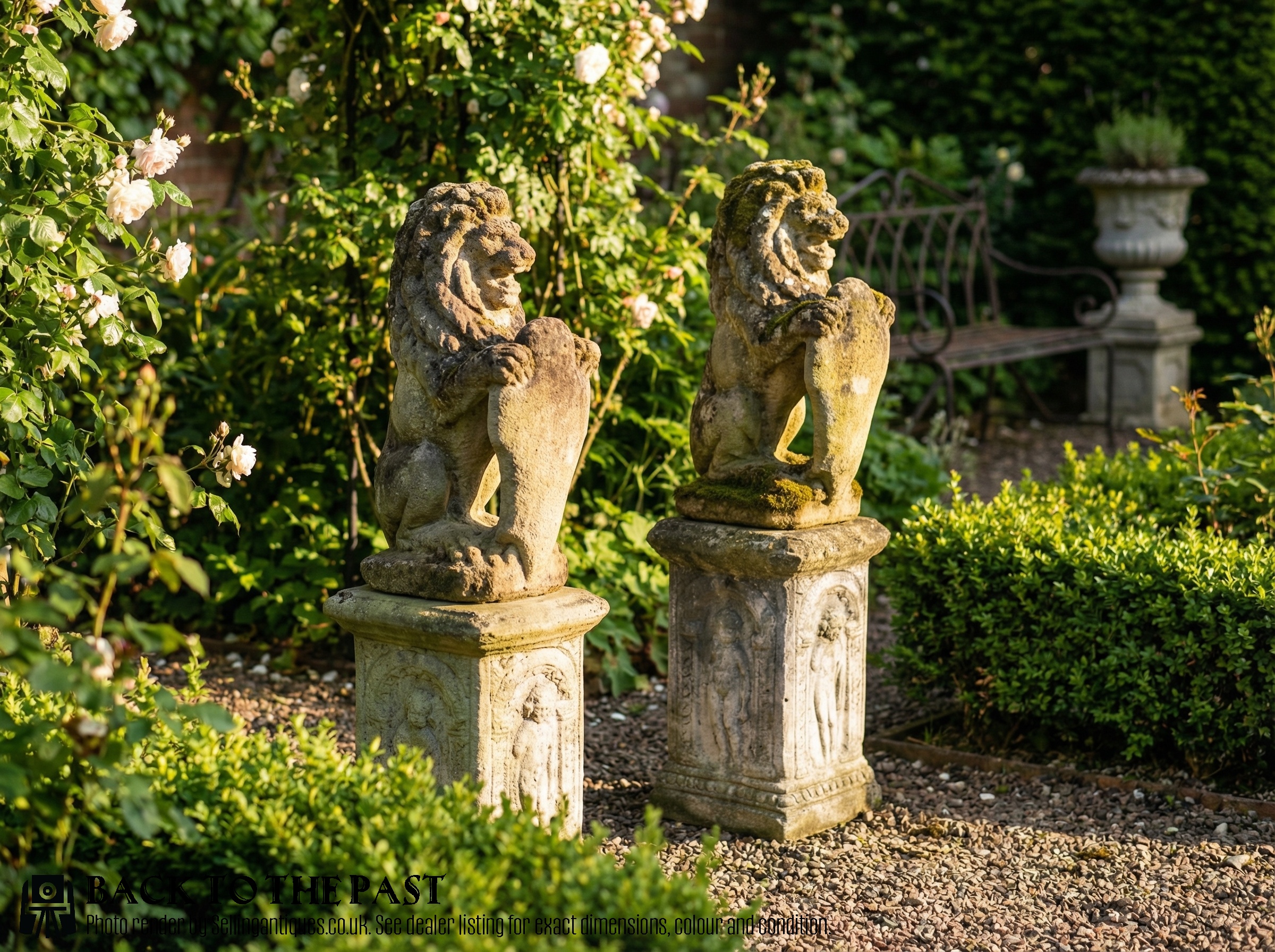
Weathered Stone Garden Ornaments
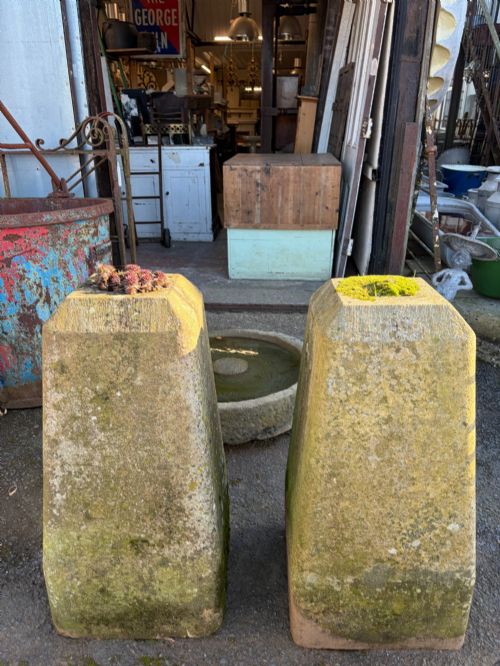
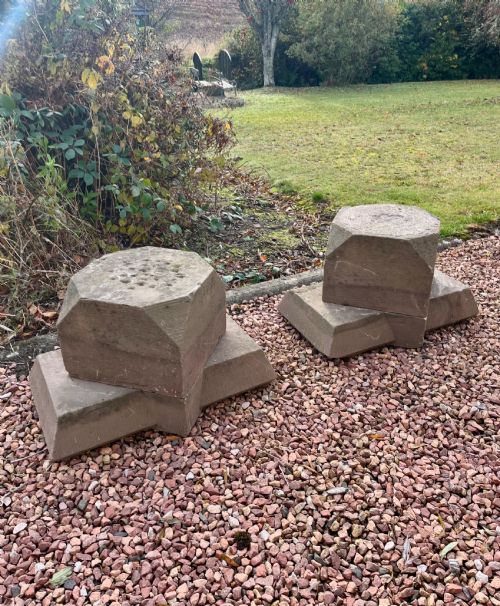
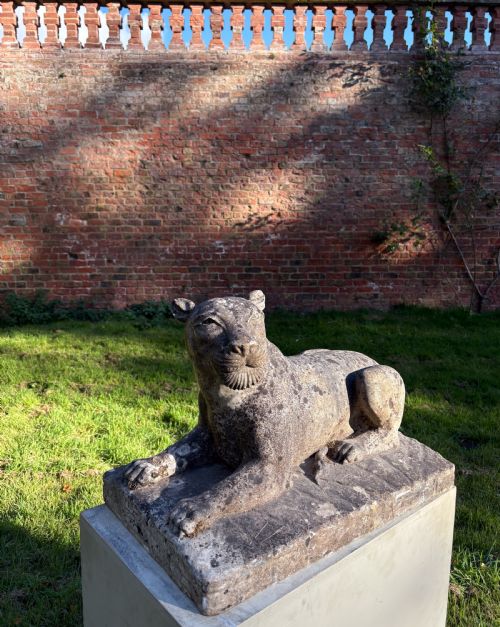
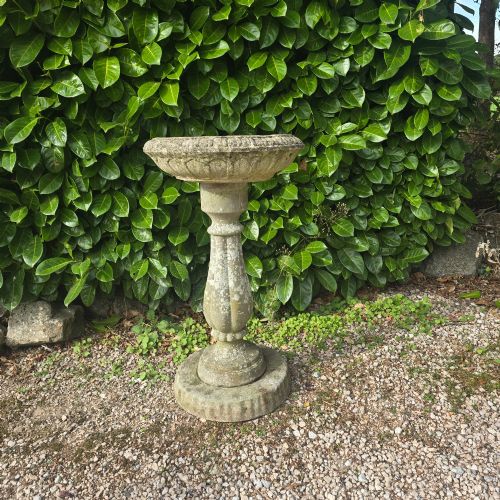
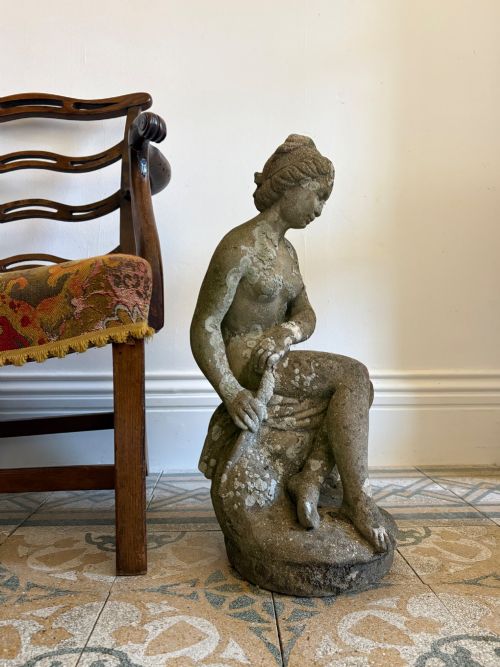
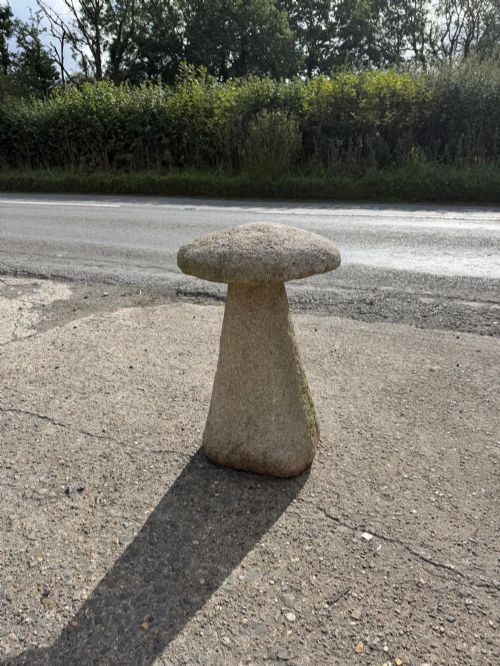
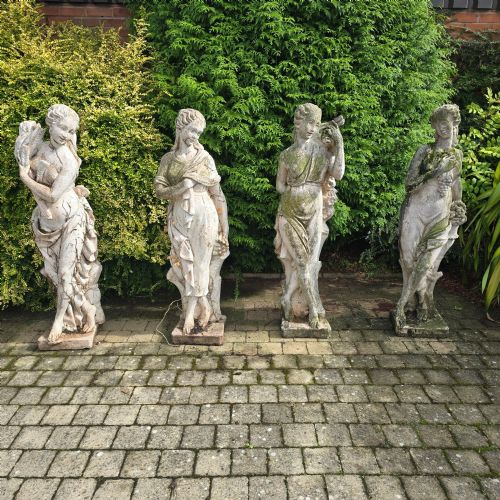
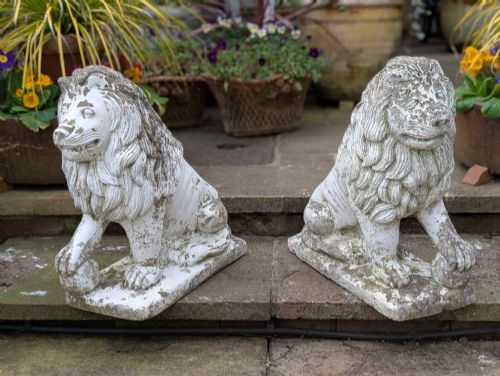
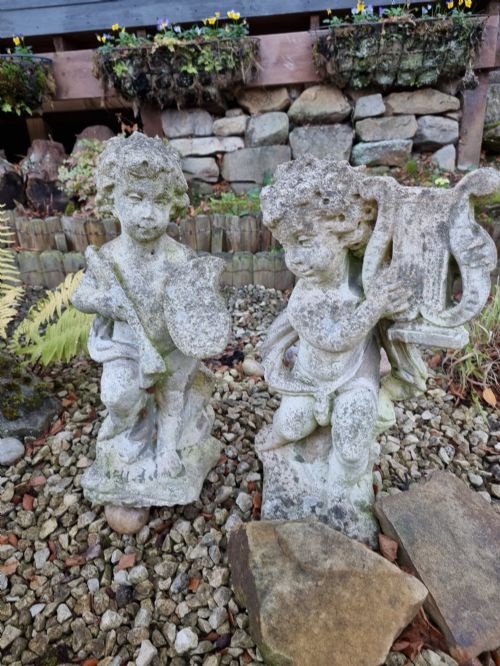
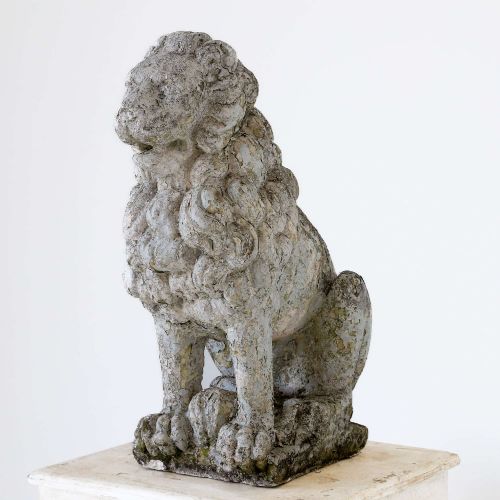
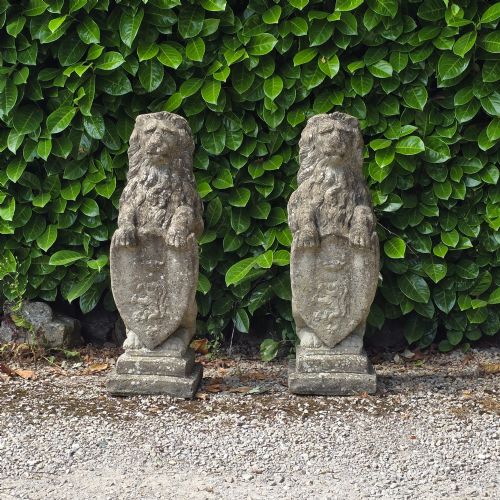
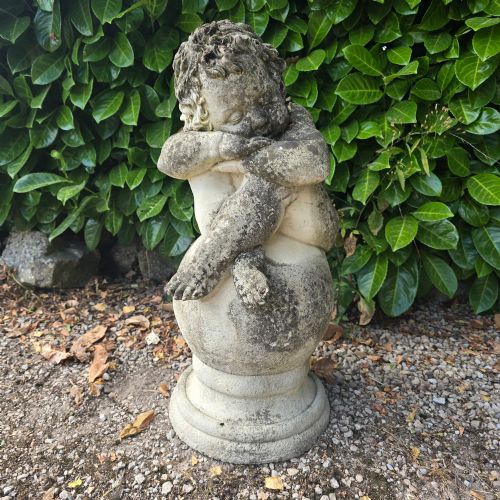
Weathered stone garden ornaments encompass architectural salvage, staddle stones, bird baths, urns, sundials and figurative garden statuary. When searching for weathered stone garden ornaments, buyers encounter pieces spanning from the eighteenth century through to the mid-twentieth century. The selection ranges from Gothic pinnacles and staddle stones to classical figures representing seasons, lions and cherubs.
The objects originate from various stylistic traditions including Neoclassical, Classical Revival, Gothic Revival and Rustic Vernacular. Pieces often incorporate pedestals, plinths and bases that elevate the main sculptural form. Many examples display the natural accumulation of moss and weathering developed over decades outdoors.
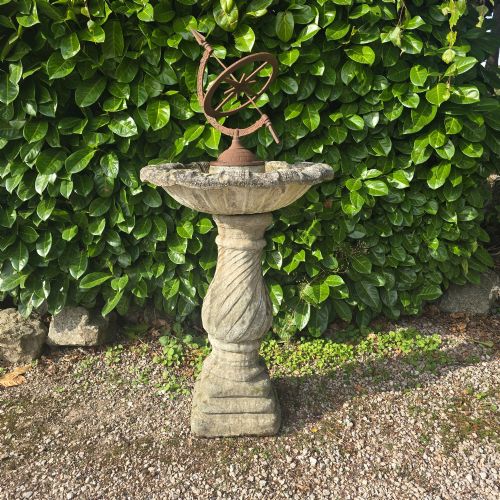
Buyers most frequently meet twentieth-century pieces, particularly from the 1920s, 1930s and 1950s, alongside nineteenth-century examples and earlier limestone antiquities. Forms vary from functional bird baths and armillary sphere sundials to large standing lions, campana urns and life-sized human figures. Each piece reflects the enduring British preference for classical and rustic ornamentation in domestic landscapes.
How they were made
Makers utilised durable materials including natural York limestone, sandstone and early manufactured compositions like cast stone, composite stone and reconstituted stone. Traditional masons carved structural elements and architectural antiques directly from quarried stone blocks using hand chisels and mallets.
Mould-based pieces relied on pouring wet mixtures of cement, crushed aggregate and stone dust into timber or metal moulds to capture intricate sculptural details. Artisans frequently finished these cast elements by hand, occasionally applying surface paint to emulate the appearance of aged natural stone.
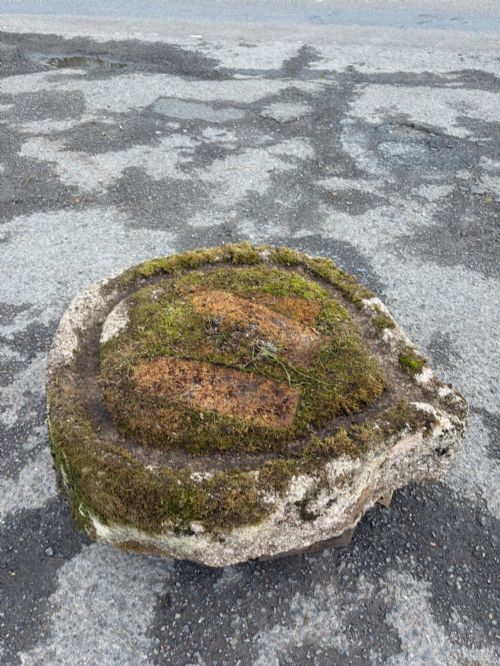
Over generations, exposure to moisture, frost and organic growth fostered natural patination, allowing moss and lichen to colonise the porous surfaces of both carved and cast garden pieces.
Weathered Stone Garden Ornaments Retail Price Guide 2026
Typical asking prices for weathered stone garden ornaments among the pieces listed under this phrase on Sellingantiques today, from the lower quarter to the upper quarter. They describe what is for sale here now, not the wider market.
Materials recorded across the inventory include natural sandstone, Yorkshire limestone, cast stone and original painted composite surfaces.
What varies in quality
Material composition significantly influences longevity and the quality of weathering, with dense natural sandstones and Yorkshire limestones ageing far more gracefully than inferior concrete mixes. The integrity of the original casting or carving determines how cleanly edges survive decades of weathering without crumbling or losing definition.
Provenance and scale elevate certain garden ornaments, particularly architectural salvage rescued from historic estates, churches or notable buildings like Beverley Minster. Pieces retaining original old paint or genuine, unforced lichen patination demonstrate superior historical continuity compared to artificially aged items.
The Weathered Stone Garden Ornaments Glossary
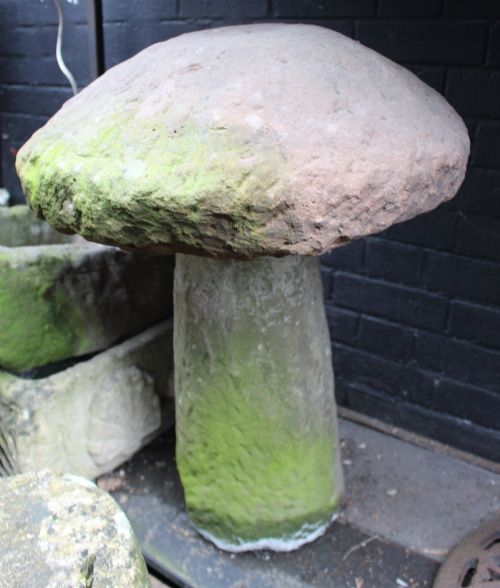
- Staddle stone
- A traditional stone mushroom-shaped support block formerly used to elevate granaries and grain barns off the damp ground. These architectural antiques now serve widely as decorative garden ornaments.
- Campana urn
- A bell-shaped garden vessel originating in classical antiquity, typically mounted on a square plinth and utilised for planting or as a standalone architectural ornament.
- Reconstituted stone
- A manufactured material composed of crushed stone aggregate and a binder such as cement, moulded to replicate the texture and appearance of natural quarried stone.
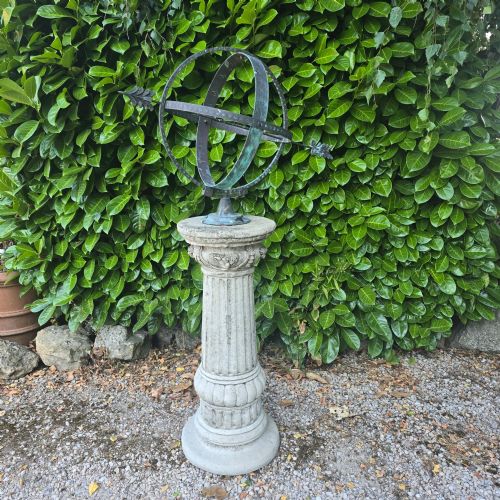
- Armillary sphere
- A skeletal globe of metallic rings centered on a dial, designed to represent the celestial spheres and mounted upon a stone pedestal as a garden sundial.
- Architectural salvage
- Elements rescued from demolished buildings, walls or churches, including Gothic pinnacles and stone finials repurposed for landscape decoration.
Weathered Stone Garden Ornaments: Frequently Asked Questions
How do I clean moss off stone?
Gentle brushing with water and a soft bristle brush usually suffices to remove excess debris without damaging the historic patination. Aggressive chemical cleaners and pressure washers strip away the accumulated decades of weathering that collectors prize.
Allowing natural lichen and moss to remain protects the porous surface and maintains the authentic visual character of the garden ornament.
Are cast stone pieces frost proof?
Most quality cast stone and reconstituted stone pieces withstand normal winter temperatures if they possess adequate drainage and dense material composition. Water trapped inside unsealed bowls or hollow pedestals can expand during freezing conditions and cause structural cracking.
Elevating ornaments off bare soil using small feet or setting them onto gravel prevents ground moisture from rising into the base during freezing weather.
How do I date weathered stone?
Examining tool marks, aggregate texture and stylistic cues helps narrow down the period of manufacture between eighteenth-century carvings and twentieth-century cast pieces. Natural limestones and hand-chased sandstones generally display irregularities absent in twentieth-century mass-produced moulds.
Matching the form to known catalogue designs from the 1920s or 1930s provides further chronological clarity for garden statuary and urns.