
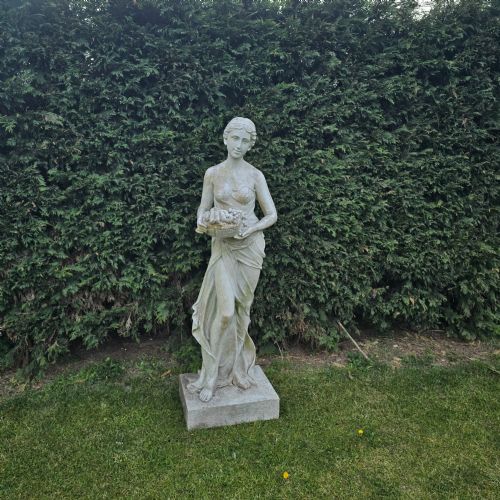


Female Figure Garden Sculpture
A female figure garden sculpture brings classical form and dignified presence to an outdoor space, capturing centuries of sculptural tradition in stone, iron and marble.
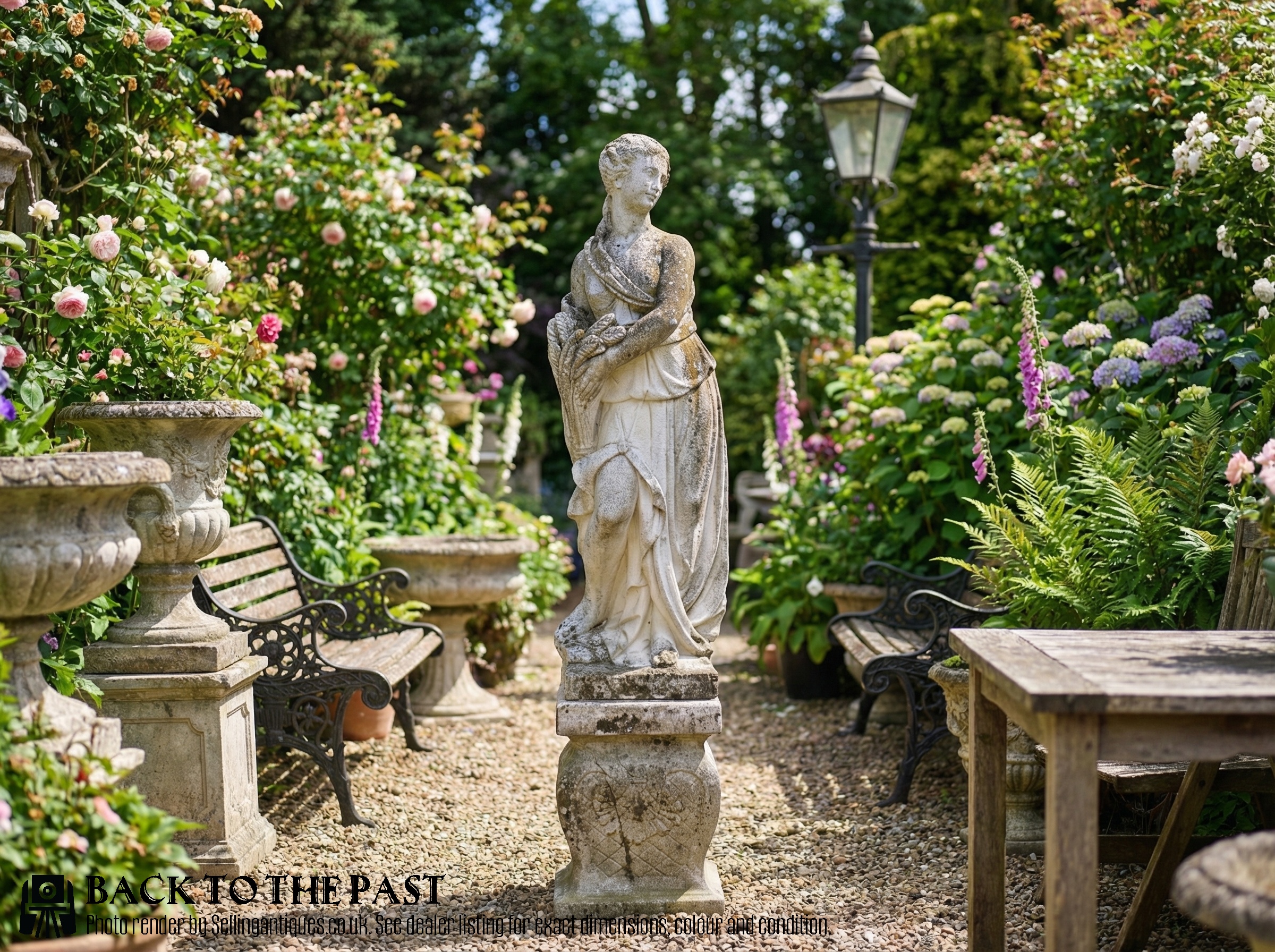
Female Figure Garden Sculpture
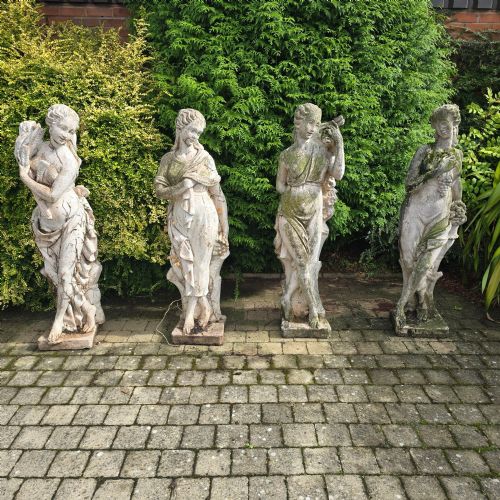
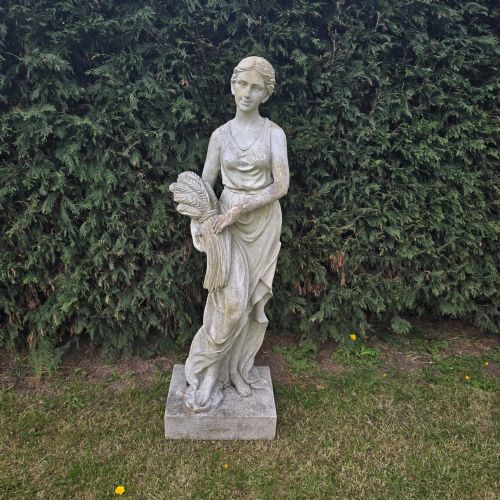
When you search for a female figure garden sculpture, you encounter a distinct array of classical and allegorical representations spanning the nineteenth and twentieth centuries. These pieces take the form of life sized garden statues, architectural figures, and pedestal mounted sculptures designed to anchor an outdoor scheme.
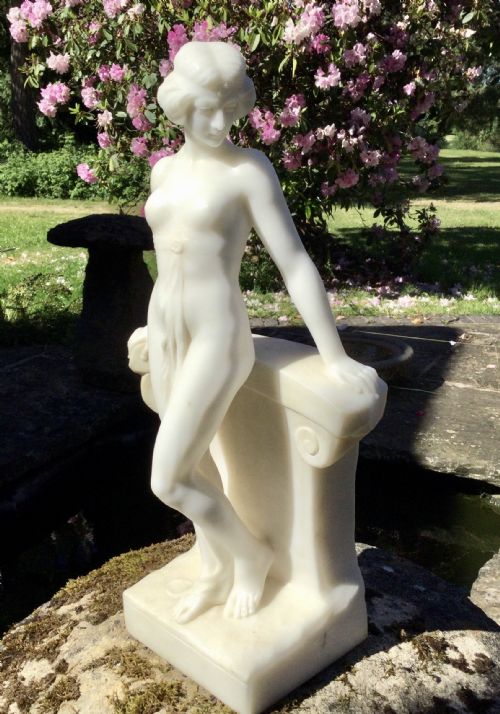
The selections on this page draw heavily upon neoclassical and classical revival idioms, alongside occasional incursions of art nouveau and nineteenth century foundry work. You will frequently meet personifications of the seasons, classical goddesses such as Venus, and draped figures rendered in robust outdoor media.
Originating across the Victorian era up to the mid twentieth century, these sculptures serve as focal points for terraces, lawns, and formal garden rooms. Their presence bridges architectural landscaping and figurative art, offering enduring visual weight to garden architecture.
How they were made
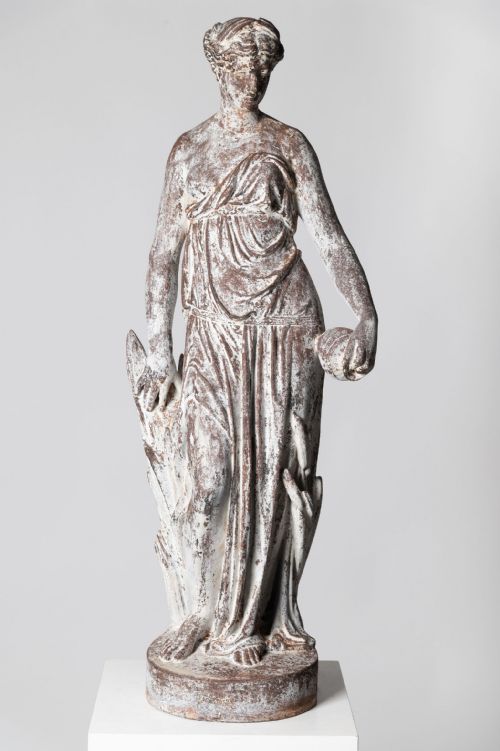
Makers utilised durable outdoor materials such as reconstituted stone, cast stone, and concrete to achieve mass and weather resistance, often patinated by time. Foundries also employed cast iron, demonstrated by pieces bearing the mark of the Val d'Osne foundry, creating crisp metal drapery and robust structural forms.
Carved and solid white marble were reserved for finer compositions, requiring skilled stonemasons to chisel classical drapery and anatomical detail from solid blocks. Plaster and terracotta appear in select works, offering a different textural grain for protected or indoor settings.
Several ladies hold unexpected accessories, balancing lamps or water containers while enduring the British weather with steadfast composure.
What varies in quality
Material integrity dictates longevity and tactile appeal, moving from standard concrete mixtures to finely executed cast iron from established foundries or hand carved solid marble. The depth of weathering and the organic integration of the material into the garden environment further distinguish the better examples.
Val d Osne foundry
The Female Figure Garden Sculpture Glossary
- Neoclassical
- A style reviving classical Roman and Greek artistic elements, focusing on symmetry, restraint, and mythological themes. This aesthetic underpins the majority of classical garden statuary.
- Cast Stone
- A refined building product manufactured from aggregate and cement, designed to mimic natural cut stone. It allows for intricate mouldings in garden sculptures.
- Plinth
- A heavy base or pedestal upon which a statue or column stands. It elevates the sculpture and integrates it visually with the surrounding architecture.
- Terracotta
- Fired clay used for sculptural and architectural elements, yielding a warm reddish brown tone. It requires sheltered placement to withstand severe frost.
- Foundry
- A factory that produces metal castings, such as iron statues. Foundry marks often help identify the origin and period of metal works.
Female Figure Garden Sculpture: Frequently Asked Questions
Can these statues stay outside all winter?
Most stone and cast iron figures withstand winter weather well, especially when elevated on plinths to prevent ground moisture absorption. Plaster and terracotta pieces require indoor or sheltered storage to avoid frost damage.
Heavier cast stone and marble sculptures naturally accumulate attractive weathering over decades outdoors, enhancing their integration into garden landscapes.
How do I clean a stone garden sculpture?
Gentle washing with water and a soft brush removes accumulated dirt and organic growth without damaging the surface patina. Avoid harsh pressure washers or acidic chemical cleaners that erode reconstituted stone and marble.
Allowing gentle weathering to remain often adds character, preserving the aged appearance valued in classical garden ornaments.
What is the difference between cast stone and marble?
Cast stone is formed by pouring a mixture of aggregate and cement into a mould, resulting in a durable, textured material suitable for large scale garden figures. Carved marble is individually chiseled from a solid block of natural metamorphic rock by a stonemason.
Marble offers a finer grain and sharper detail, whereas cast stone provides robust weather resistance at a different architectural scale.
How do I secure a heavy garden statue?
Life sized figures and pieces mounted on plinths require a stable, level foundation of compacted hardcore or stone flags to prevent shifting. Metal dowels or exterior adhesives can anchor the statue to its plinth in exposed or windy locations.
Consulting a professional installer ensures that heavy marble or cast iron sculptures remain secure without placing undue stress on the material.