


Stone Figure on Pedestal
These stone figure on pedestal assemblies range from stately garden statues to intimate Grand Tour carvings, bringing classical presence to any room or terrace.
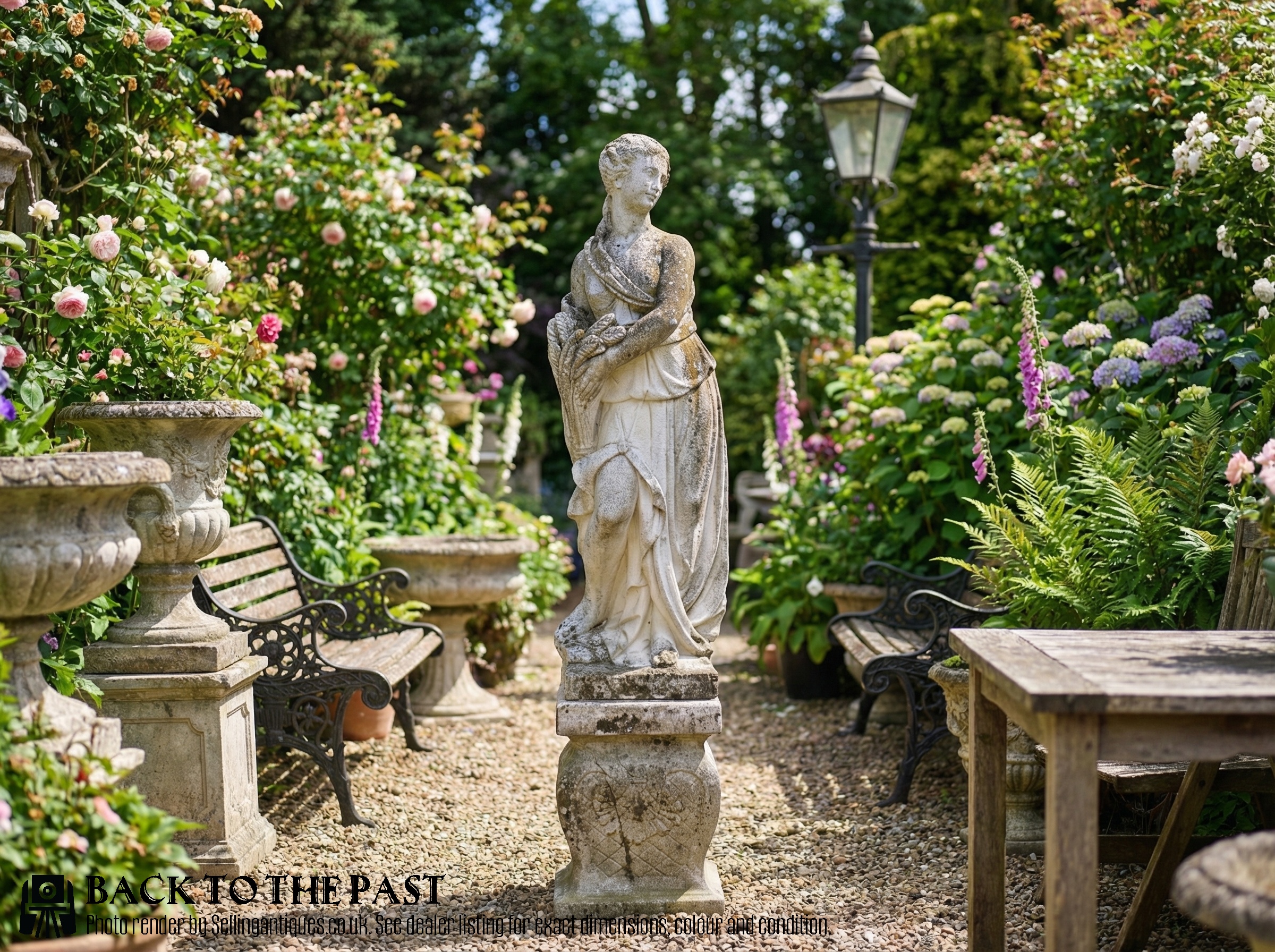
Stone Figure on Pedestal
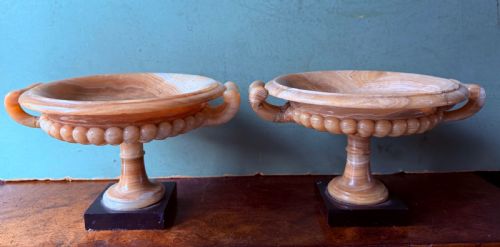
A stone figure on pedestal search reveals carved stone and marble figures raised upon plinths, columns, or marble blocks, drawing from classical, neoclassical, and baroque traditions. Buyers encounter everything from substantial mid-century garden statues with matching plinths to intimate nineteenth-century Italian Grand Tour souvenir tazze and library busts mounted on marble bases.
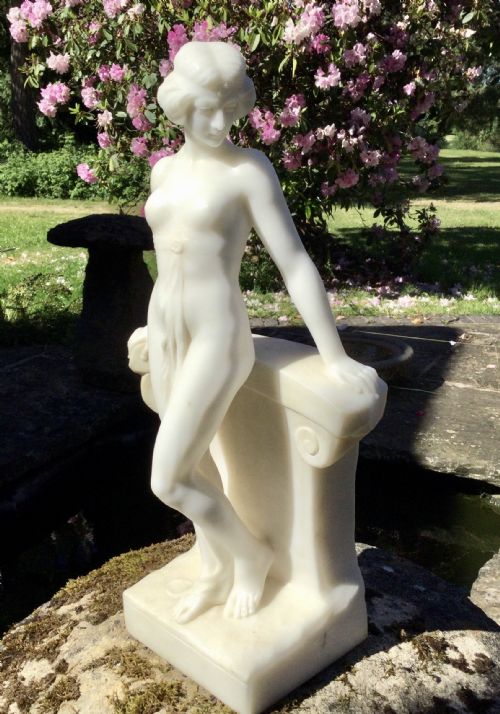
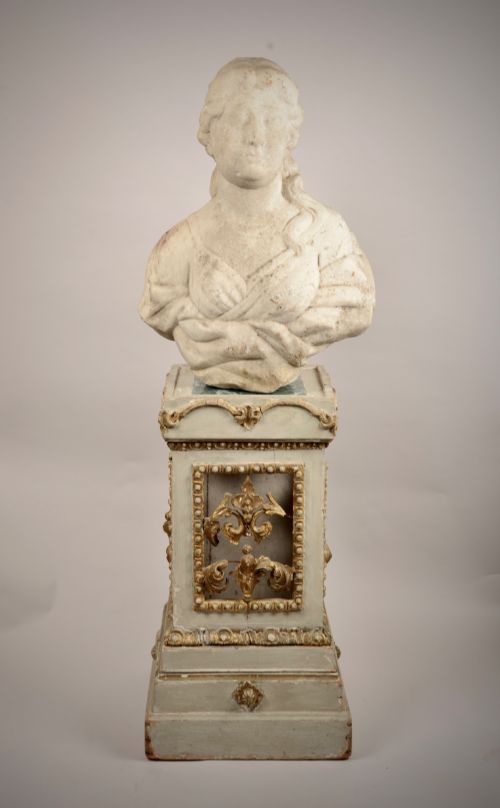
The selections span significant chronological ground, taking in seventeenth-century marble busts, nineteenth-century mythological and figurative works, and mid-century reconstituted stone garden sets representing allegorical subjects like the Four Seasons. Forms alternate between grand architectural outdoor statuary and delicate interior portraiture, capturing human and animal subjects including seated lions and classical ladies.
Originating predominantly from Italian workshops and classical revival movements, these works utilise materials designed for both interior display and outdoor weathering. The pieces serve as focal points for gardens, libraries, and galleries, uniting sculptural representation with structural elevation.
How they were made
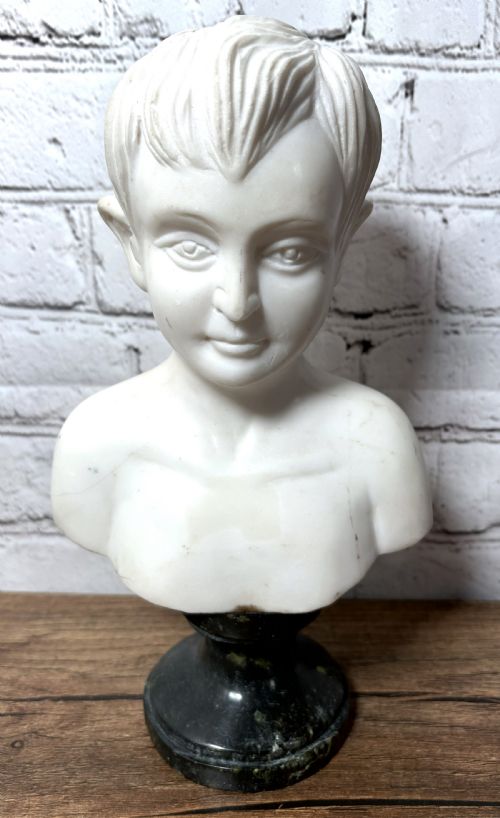
Carving and casting form the foundational techniques behind these works, employing materials such as white marble, alabastro egiziano, reconstituted stone, and cast stone. Sculptors shaped solid blocks of marble and alabaster using chisels and drills to achieve fine drapery, hair, and facial expressions on pieces like library busts and mythological figures.
Outdoor pieces utilise robust aggregates including reconstituted and cast stone poured into moulds or hand-finished to withstand garden environments, often paired with dedicated plinths. Interior works combine carved stone figures with contrasting bases made from black marble or giltwood, elevating the sculptural focal point.
A marble young boy shares shelf space with a stone lady playing the mandolin and a pair of watchful garden lions.
What varies in quality
Material selection and proportion dictate the overall presence of the piece, where harmonious scale between the figure and its pedestal enhances the visual impact. The integrity of the stone, the absence of distracting natural flaws in the marble, and the crispness of casting in reconstituted stone define the upper tier of the range.
Eduardo Giolli
The Stone Figure on Pedestal Glossary
- Grand Tour
- A traditional trip through Europe undertaken by upper-class Europeans, resulting in the acquisition of classical antiquities and miniature souvenir sculptures. These objects often replicated famous Roman and Greek statues in alabaster and marble.
- Plinth
- A heavy base or lower block upon which a statue, pillar, or bust is mounted. It provides structural stability and visually elevates the figure.
- Reconstituted stone
- A manufactured material made from crushed natural stone and cement binders, moulded into architectural ornaments and garden statues. It offers durability for outdoor placement.
- Tazza
- A shallow cup or bowl mounted on a stem and foot, frequently carved from decorative stones such as alabaster during the nineteenth century. They served as ornamental display pieces on tables and mantelpieces.
- Alabastro egiziano
- A highly figured type of alabaster utilised by Italian artisans for small-scale decorative objects and Grand Tour souvenirs. Its distinctive banding and translucency mark out finer carvings.
Stone Figure on Pedestal: Frequently Asked Questions
Where should I place a garden statue on a plinth?
Garden statues work best positioned at the end of a gravel path, centred on a lawn, or framed by evergreen hedging to create a natural focal point.
Heavier stone pieces require a level, stable foundation of compacted hardcore and paving slabs to prevent subsidence over time.
How do I clean an interior marble bust?
Dust interior marble regularly with a soft, dry microfibre cloth to prevent the accumulation of airborne particles in carved recesses.
Avoid household detergents, abrasive sponges, and excessive water, which can damage the polished surface and penetrate porous stone.
Can reconstituted stone figures stay outside in winter?
Reconstituted stone garden figures generally tolerate outdoor weather, but severe frost can damage pieces that absorb moisture.
Lifting statues off the ground using small feet or paving stones prevents moisture absorption from damp winter soil.
What is a Grand Tour souvenir?
Grand Tour souvenirs are smaller-scale replicas of classical sculptures, architectural fragments, and tazze produced in Italy during the eighteenth and nineteenth centuries.
Travellers collected these carved alabaster and marble pieces to demonstrate their classical education and taste upon returning home.