



Antique Game Bird Painting
An antique game bird painting brings the rich tradition of country sports directly onto the wall.
Antique Game Bird Painting
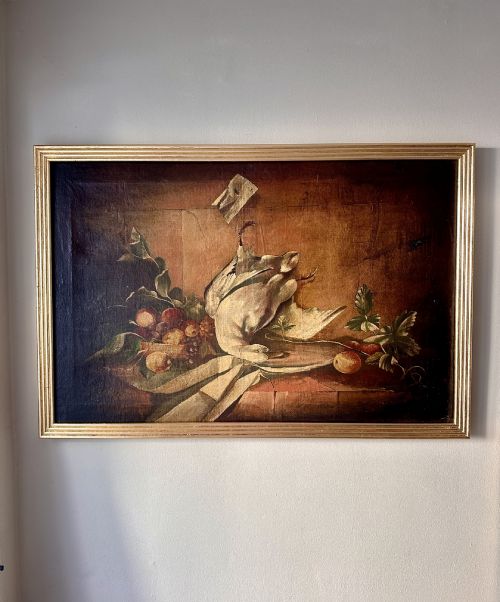
When you search for an antique game bird painting, you encounter works spanning the eighteenth century through to the mid twentieth century. The selections available here comprise oil paintings on canvas, delicate watercolours on paper, cold painted bronze sculptures, and hand painted ceramics.
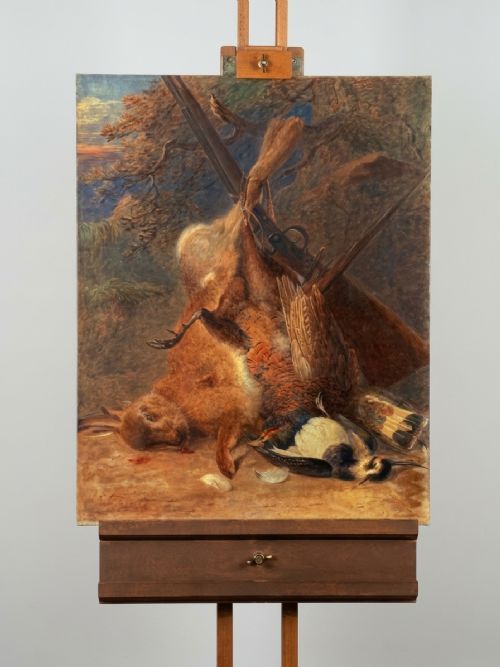
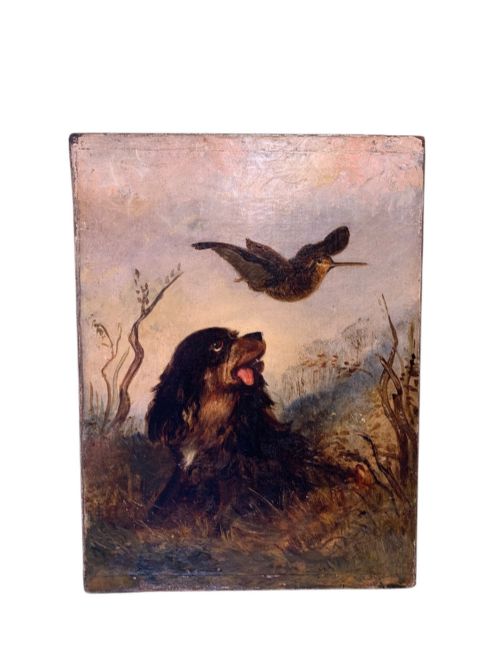
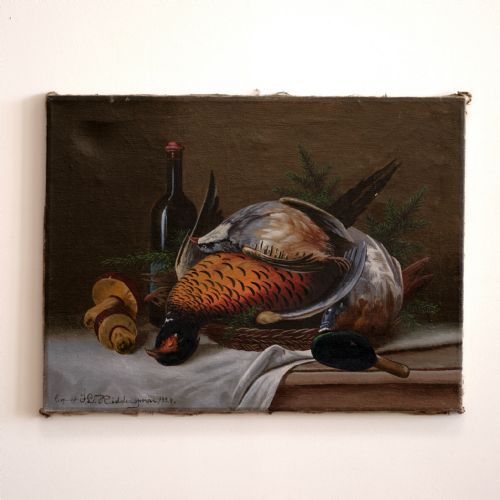
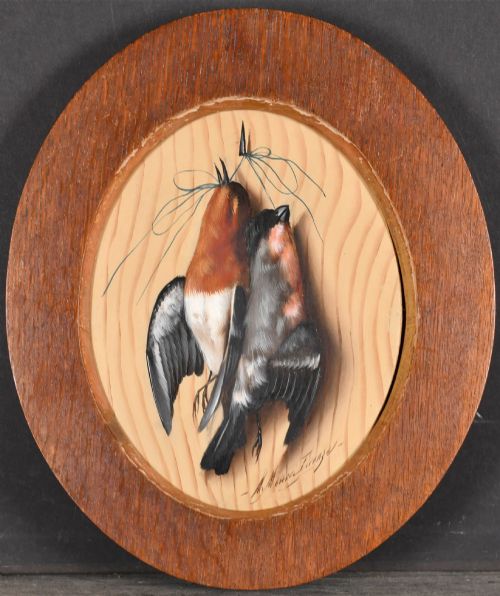
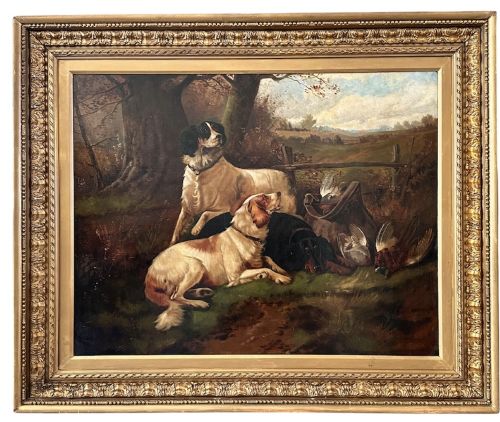
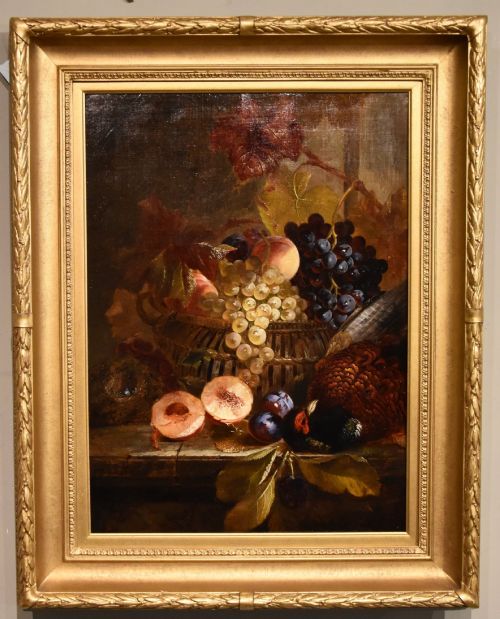
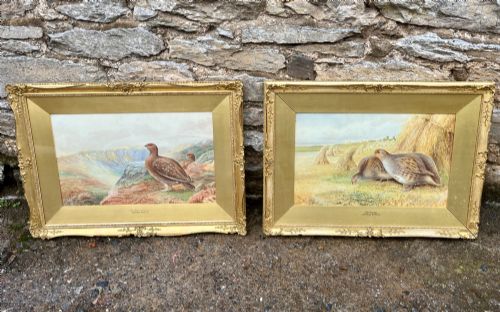
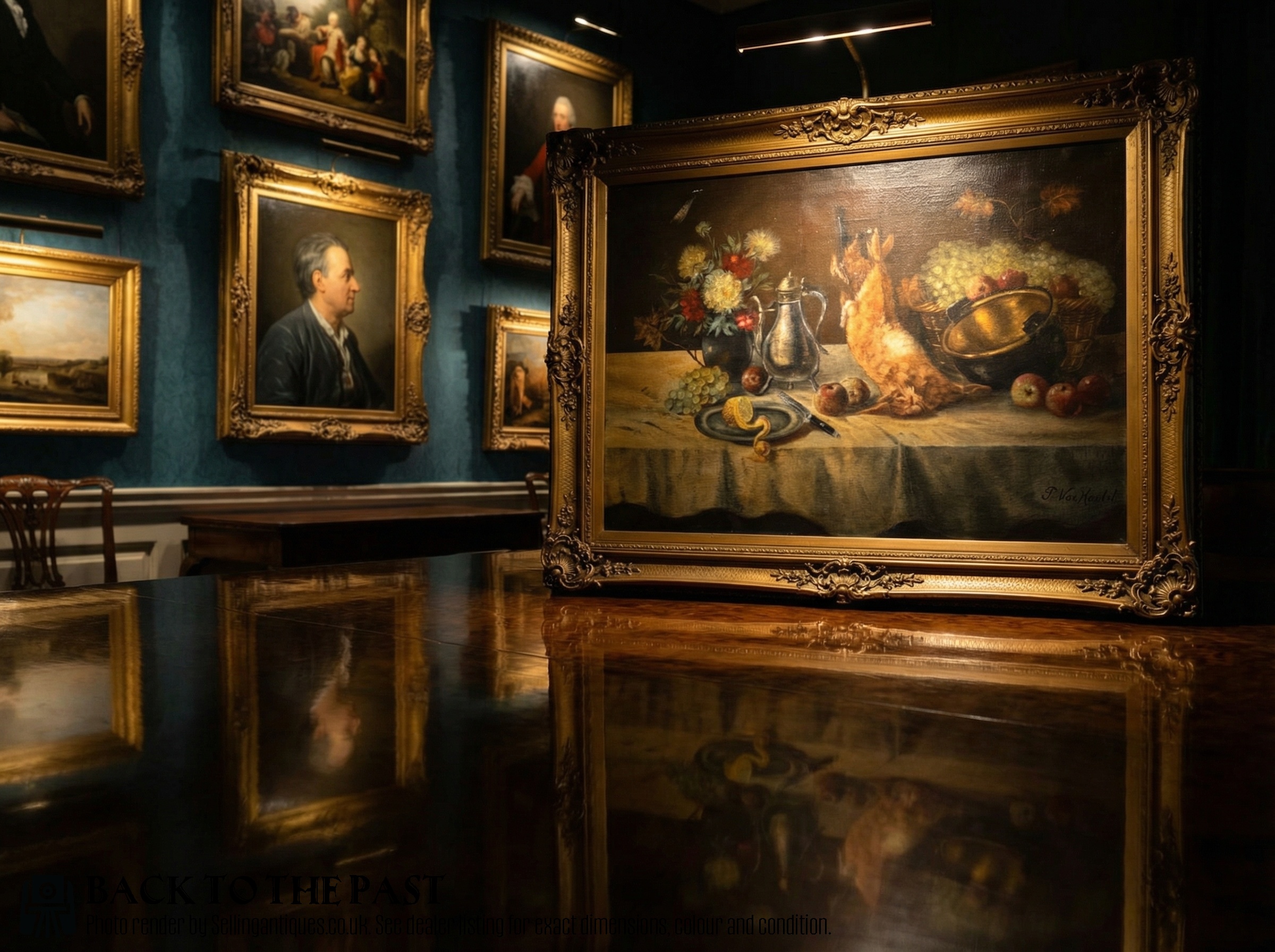
The most frequent items you meet on this page are nineteenth century oils and watercolours depicting woodcock, grouse, pheasants, and mallards, often accompanied by gun dogs or arranged in larder still lifes.
Originating across Britain, continental Europe, and Austria, these pieces reflect distinct regional schools of sporting art, from Dutch still life traditions to Victorian narrative scenes.
Materials and methods
Artists relied primarily on oil paint applied to stretched canvas or watercolour and bodycolour on paper, capturing the intricate plumage of species like the capercaillie and black game with fine brushes. Wood frames frequently complete these flat works, sometimes accented with gold leaf.
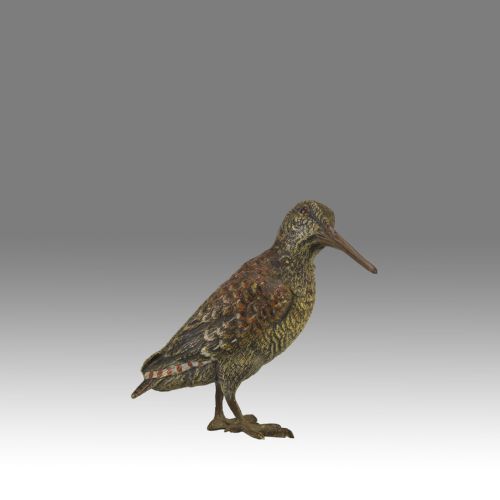
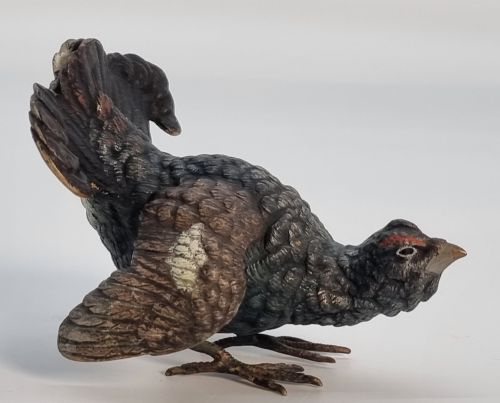
Bronze works utilise the cold painted technique, where metal figures are cast and finished with layered oil paint rather than fired in a kiln. Ceramics such as porcelain vases and earthenware wall chargers receive hand painted ceramic colours before undergoing a protective glaze firing.
Antique Game Bird Painting Retail Price Guide 2026
Typical asking prices for game bird painting among the pieces listed under this phrase on Sellingantiques today, from the lower quarter to the upper quarter. They describe what is for sale here now, not the wider market.
Listings feature works across oil paint, watercolour, canvas, paper, and cold painted bronze.
Markers of distinction
Quality rests heavily on the artist's ability to render the anatomical precision and feather texture of the subject accurately. Works by recorded painters display superior control of light within larder settings and naturalistic postures in sporting dogs.
The finesse of the brushwork and the preservation of the original surface, whether canvas, paper, or cold painted bronze, determine the standing of each piece. Finer examples retain crisp detailing in the plumage and original framing without heavy restoration.
Franz Bergman·James Stinton·George Rankin·Thomas Blinks·Archibald Thorburn
The Antique Game Bird Painting Glossary
- Larder painting
- A still life genre depicting dead game, fish, and fruit, often arranged on a wooden table or hung in a larder. These works showcase the artist's skill in rendering textures like feathers and fur.
- Cold painted bronze
- A process where bronze figures are cast and decorated with cold applied oil paints. This technique flourished in Austrian workshops during the late nineteenth and early twentieth centuries.
- Bodycolour
- Watercolour mixed with white pigment to create an opaque, gouache like finish. It allows artists to build bright highlights on feathers and foliage.
- Wall charger
- A large decorative ceramic plate designed to be hung on a wall rather than used for dining. They frequently feature hand painted avian motifs.
Antique Game Bird Painting: Frequently Asked Questions
How were these paintings originally displayed?
Landowners and sportsmen traditionally hung these works in country houses, libraries, and dining rooms to celebrate country pursuits and successful shooting days.
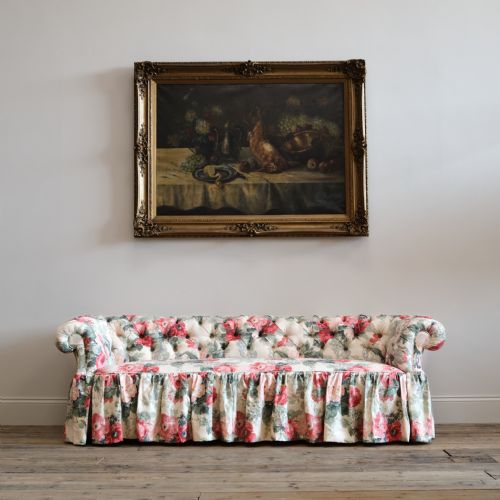
Today, they suit similar interior settings, pairing well with traditional wooden furniture and neutral walls.
What subjects appear besides birds?
Compositions frequently include gun dogs such as pointers, spaniels, and setters retrieving the day's bag. Still life arrangements also incorporate fish, fruit, and hunting accessories.
These secondary elements provide context for the sporting narrative of the era.
How do I care for a watercolour?
Watercolours on paper require protection from direct sunlight to prevent the pigments and bodycolour from fading over time. Glazing with conservation grade glass helps shield the paper from ultraviolet light.
Keeping the works in stable humidity conditions prevents warping of the paper and mount.
How do I identify a cold painted bronze?
Cold painted bronzes feature solid metal castings with a matte, tactile paint finish rather than a shiny electroplated surface. Over time, handling causes natural wear to the high points of the paint.
Austria produced many of the finest examples, often bearing Bergman foundry marks beneath the base.