

Antique Furniture Commode
An antique furniture commode brings practical storage and sculptural presence to a room, drawing the eye with rich timber and period proportions.
Antique Furniture Commode
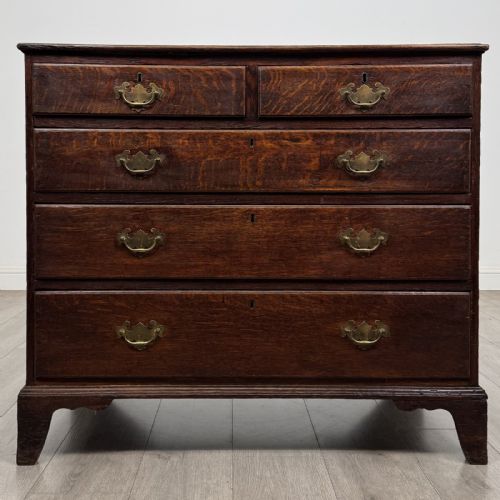
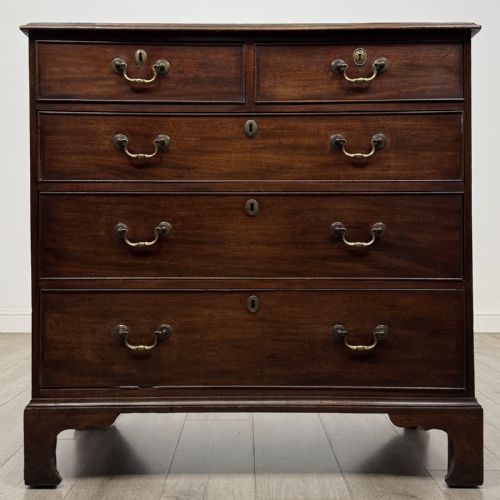
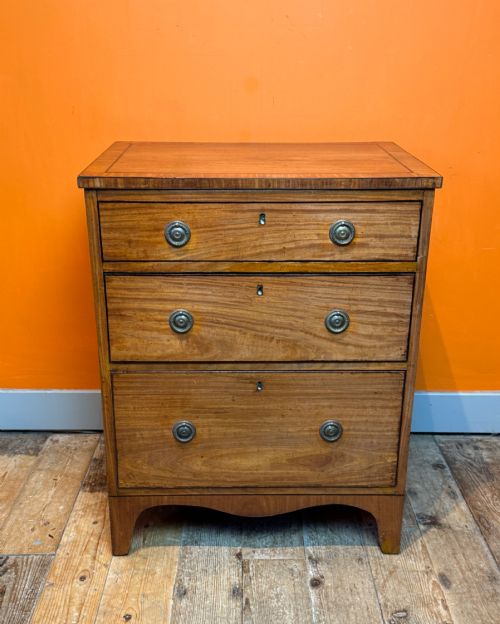
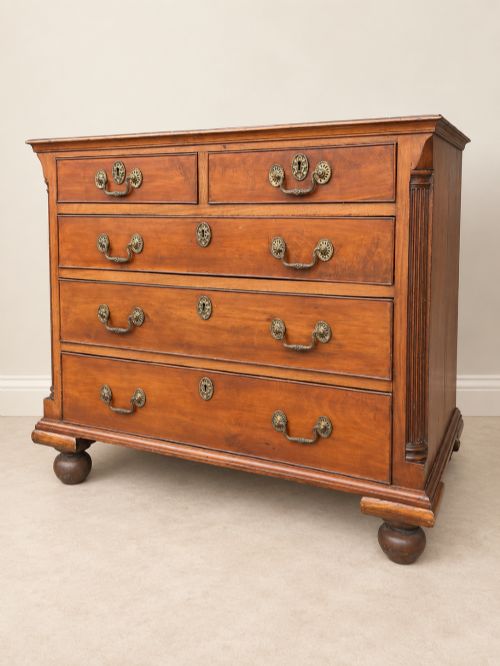
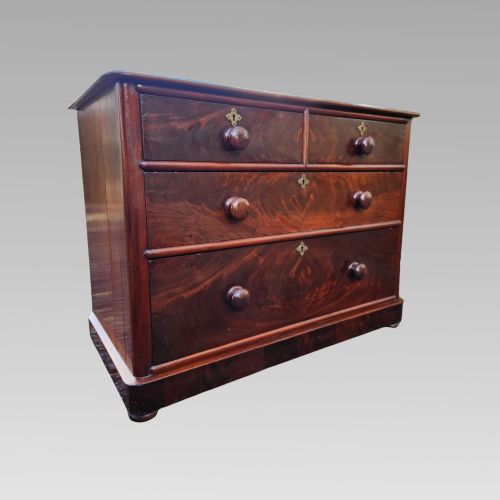
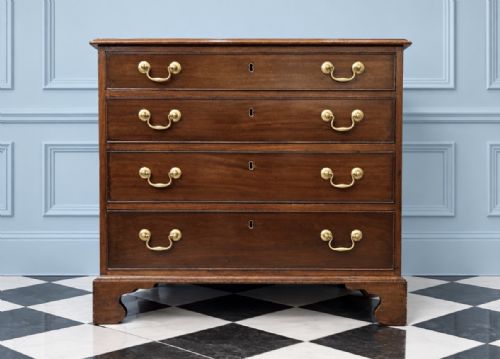
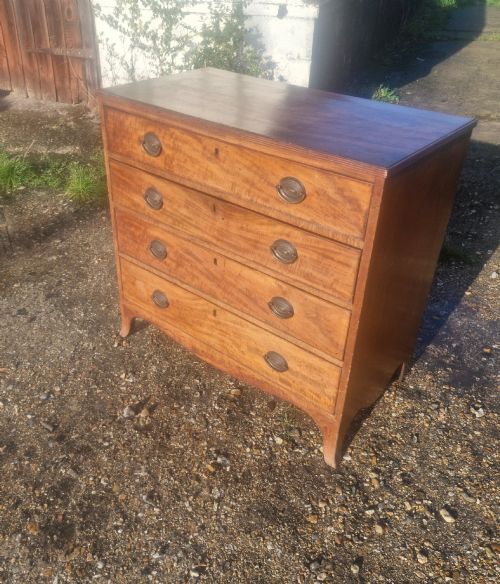
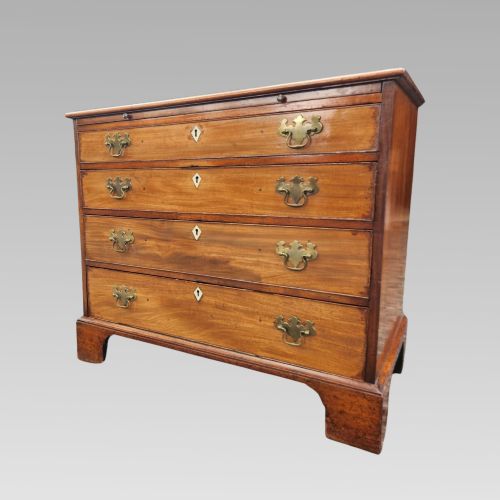
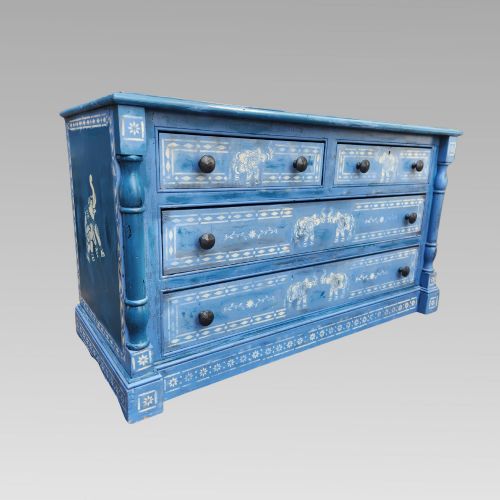
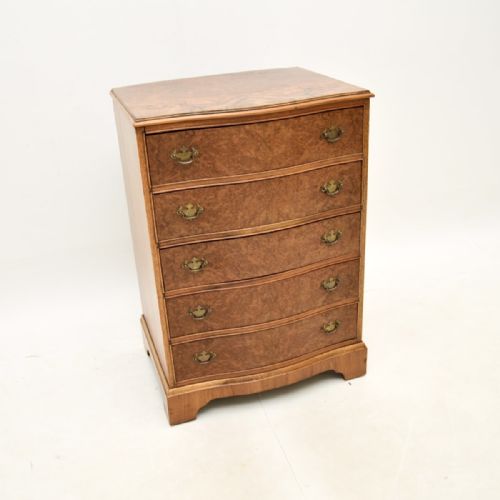
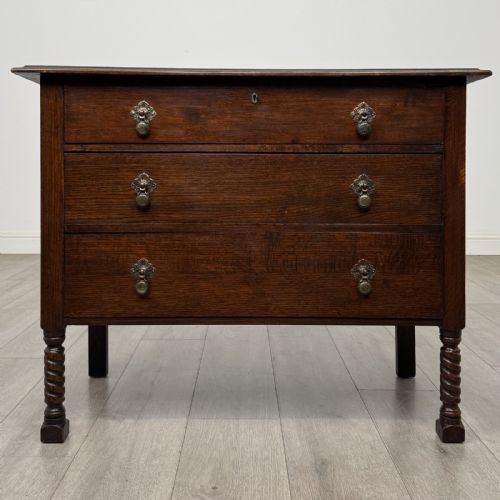
An antique furniture commode encompasses substantial storage pieces designed for domestic use, ranging from formal French bombe shapes to sturdy English chests of drawers. Buyers searching this phrase will find a strong representation of Georgian and 18th-century pieces, alongside later Victorian and Edwardian examples.
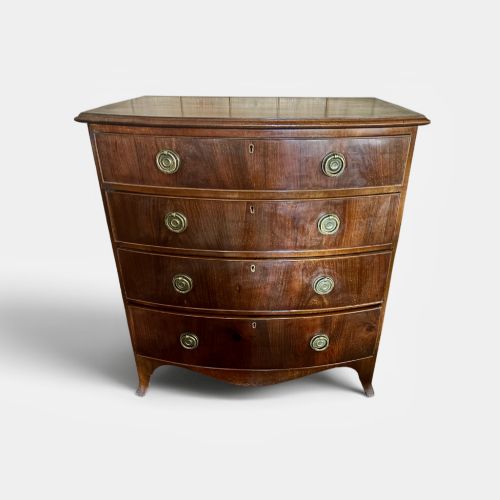
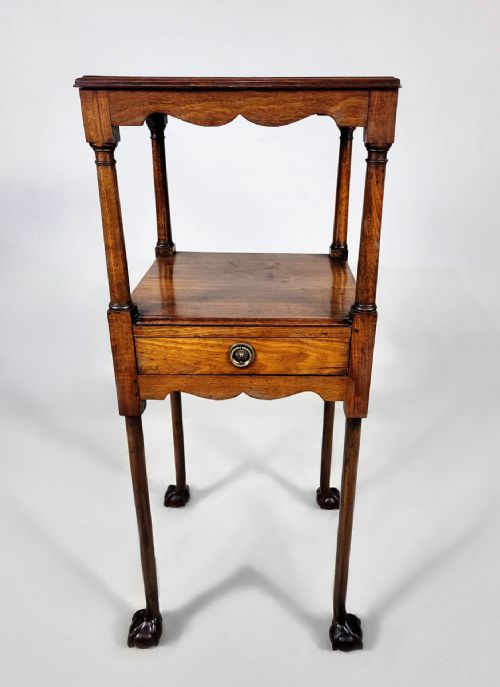
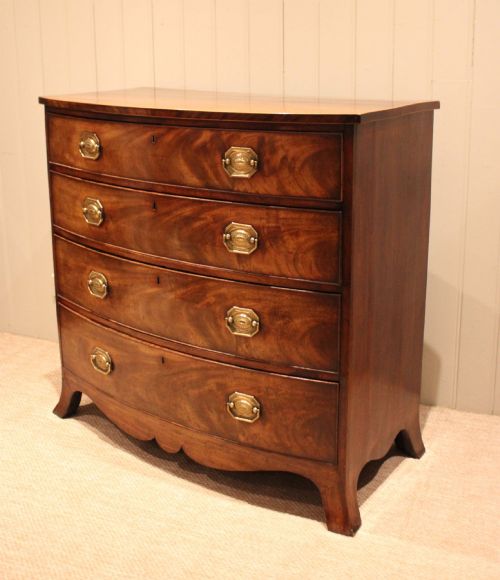
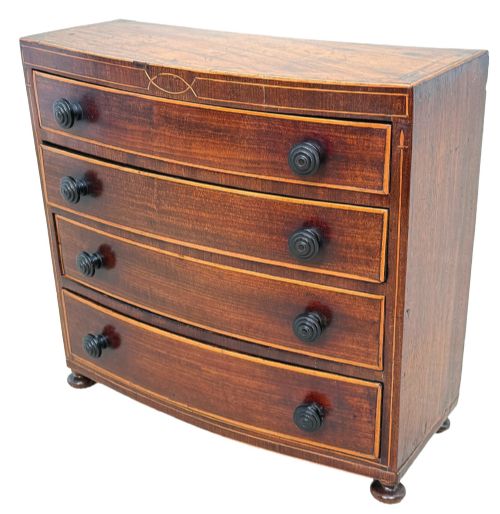
The selection bridges several centuries of cabinetmaking, featuring utilitarian oak and country elm alongside finely figured mahogany and walnut veneers. Formats span straightforward bowfront and serpentine chests to specialised side cabinets, nightstands, and travelling bureaus.
How these pieces were made
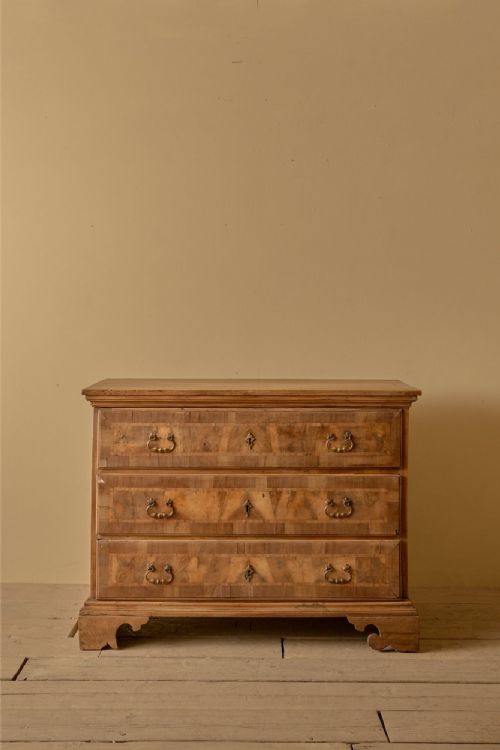
Cabinetmakers built these pieces using solid timbers such as mahogany, oak, walnut, and cherrywood, often applying decorative veneers over secondary woods. Construction relied on traditional joinery techniques, paired with cast brass handles, ormolu mounts, and occasionally marble tops.
Surface decoration involved marquetry, parquetry, and specialised finishes like vernis martin, creating varied textures and tonal depth across French and English workshops.
Antique Furniture Commode Retail Price Guide 2026
Typical asking prices for furniture commode among the pieces listed under this phrase on Sellingantiques today, from the lower quarter to the upper quarter. They describe what is for sale here now, not the wider market.
Listings span eight distinct periods, stretching from the 17th century through to the 1930s.
What separates the finest examples
Quality rests in the selection of timber and the precision of the cabinetwork, from the alignment of drawer linings to the crispness of carved details and inlay. The integration of original mounts, handles, and feet elevates a piece, marking the distinction between standard utilitarian production and master craftsmanship.
François Linke·Thomas Hache
The Antique Furniture Commode Glossary
- Bombe
- A swelling, outward-curving profile characteristic of continental furniture. It requires considerable skill to construct timber frames in this convex contour.
- Bowfront
- A convex, outwardly curved front profile. This design gained popularity in the Georgian period to soften the corners of case furniture.
- Ormolu
- Gilded bronze used for decorative mounts and handles. It provides metallic contrast against dark woods on continental and high-style English pieces.
- Parquetry
- Geometric wood inlay patterns resembling mosaic work. Cabinetmakers used contrasting veneers to form repeating shapes on drawer fronts and tops.
- Brushing slide
- A pull-out shelf integrated into the upper section of a chest. It served as a temporary writing or dressing surface.
Antique Furniture Commode: Frequently Asked Questions
How do I date an antique commode?
Dating relies on timber choice, construction methods like dovetailing, and the prevailing style of the hardware and feet. Cabinetmakers adapted their designs across the 17th, 18th, and 19th centuries, leaving distinct structural clues.
Examining secondary woods inside the drawers often clarifies whether a piece originates from an English workshop or a continental cabinetmaker.
Where should I place a commode?
These versatile pieces suit hallways, living rooms, and bedrooms, offering a surface for lamps alongside deep drawer storage. Smaller bowfront and bedside variants fit easily into compact spaces.
Keeping timber pieces away from direct heat sources helps preserve the polish and prevents the wood from drying out.
What is the difference between a chest and a commode?
While English cabinetmakers traditionally termed most drawer units chests, continental makers used commode to describe low, decorative storage cabinets. Both terms overlap frequently in the antique market today.
French and Italian examples often feature more pronounced shaping and elaborate mounts compared to standard English chests.
How do I care for antique wood finishes?
Routine maintenance involves dusting with a soft, dry cloth and avoiding silicone-based polishes that build up over time. Natural wax applied sparingly helps nourish aged timber.
Maintaining stable room humidity prevents the wooden panels and delicate veneers from warping or cracking.