
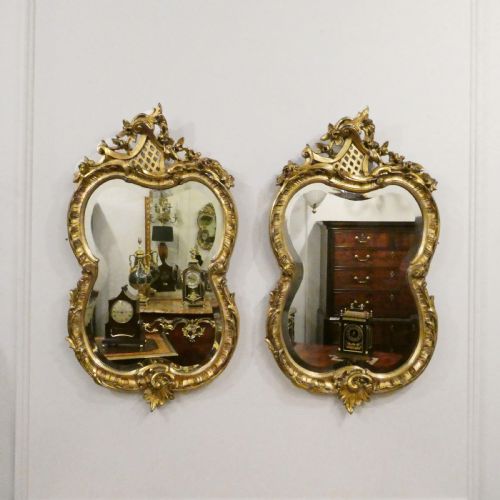


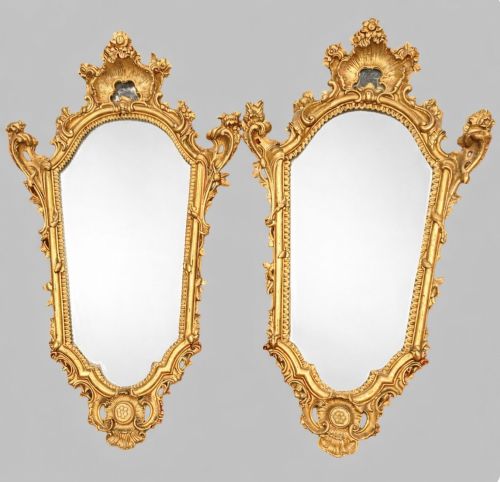


Antique French Looking Glass
An antique french looking glass brings continental elegance to a room, offering deep carved detail and aged glass that reflects light softly.
Antique French Looking Glass
An antique french looking glass is typically a wall-hung or overmantle mirror designed with ornate frames that reflect period decorative tastes. The selection on this page centres heavily on nineteenth century items, alongside eighteenth century examples and early twentieth century interpretations.
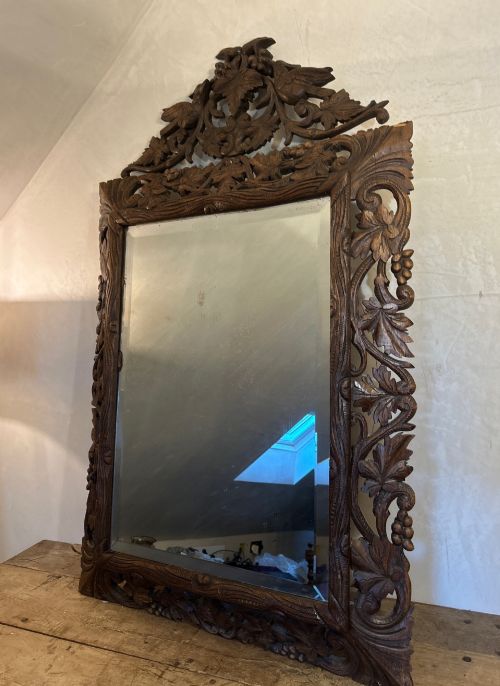
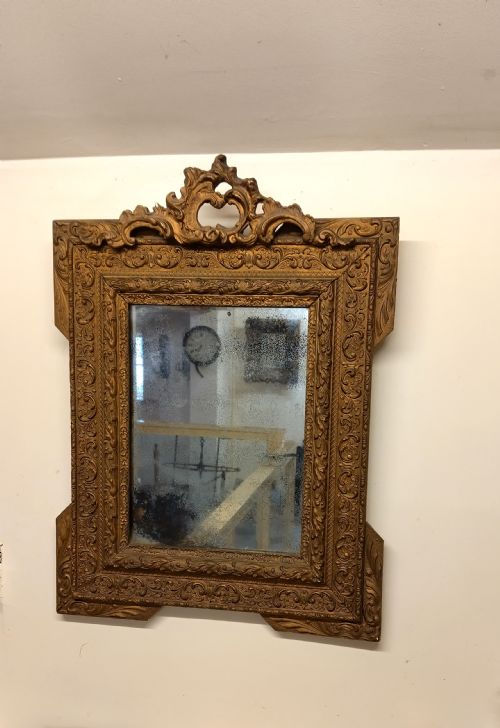
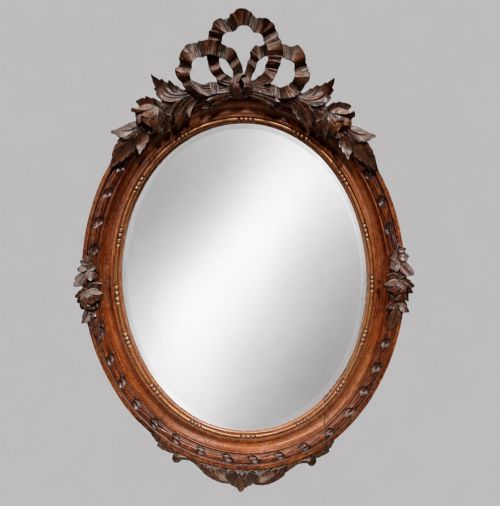
Most pieces take the form of wall mirrors or large overmantle formats designed to anchor a room. Buyers frequently encounter frames styled in the Rococo revival, Louis XVI, or French chateau manners, showcasing shaped tops and elaborate crestings.
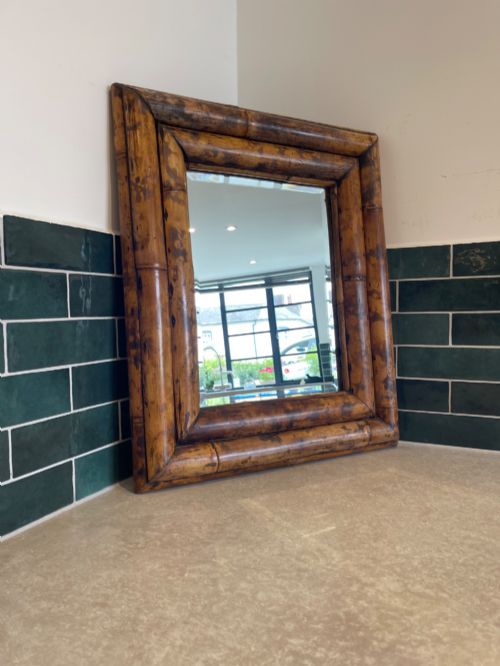
Origins span formal nineteenth century French workshops as well as British interpretations influenced by continental styles. Oval and rectangular formats dominate the selection, often featuring carved wooden armatures or detailed gesso moulding.
Materials and construction methods
Carved wood and gesso form the structural foundation of these frames, allowing artisans to build up deep relief ornamentation. Oak and walnut serve as sturdy timber bases for pieces requiring robust joinery before gilding or painting.
Gold leaf and liquid paint finish the surfaces, creating luminous metallic sheens or subtle hand-painted patinas. Mirror glass is set within the rebate, often retaining historic imperfections and silvering wear developed over decades.
Assessing quality in period mirrors
Quality rests upon the crispness of the hand-carved relief and the depth of the gesso moulding. Superior frames display sharp undercut foliage and scrolls rather than soft, mass-produced cast definition.
The integrity of the original gilding or paint finish dictates the visual impact of the piece. Retaining untouched gold leaf or historic paint layers elevates a looking glass far above examples subjected to modern repainting.
The Antique French Looking Glass Glossary
- Giltwood
- Timber coated with gold leaf over a prepared gesso ground. This technique creates a rich metallic surface that catches light across ornate mouldings.
- Gesso
- A plaster-like mixture applied to wood frames and carved or moulded into intricate decorative motifs. It provides the smooth relief base for subsequent gilding.
- Overmantle
- A large mirror designed specifically to hang above a fireplace mantelpiece. These pieces often feature extended horizontal proportions to fill the chimney breast.
- Rococo
- An exuberant eighteenth century style characterised by asymmetrical scrolls, shell motifs, and naturalistic plant forms. Revival versions of this aesthetic frequently appear in nineteenth century mirrors.
- Cheval mirror
- A freestanding full-length looking glass hung on a pivoted frame between vertical uprights. This form allows the glass to tilt at various angles.
Antique French Looking Glass: Frequently Asked Questions
How do I hang a heavy antique mirror safely?
Heavy antique looking glasses require professional wall fixings secured directly into masonry or substantial timber studs. Weight should be distributed evenly across robust brackets rather than relying on old picture wire.
Inspect the backboards and frame joints before hanging to ensure the wooden structure remains solid enough to support the glass plate.
Can I clean the original mirror plate?
Historic glass benefits from gentle cleaning using a soft dry microfiber cloth to remove dust. Avoid harsh chemical sprays that might seep behind the plate and damage aged silvering.
Patches of foxing and dark spots are part of the authentic ageing process and should be preserved rather than scrubbed away.
How do I tell an eighteenth century mirror from a nineteenth century revival?
Eighteenth century frames typically exhibit hand-carved timber construction with subtle tool marks beneath thinner gesso layers. Nineteenth century revival pieces often employ thicker moulded gesso over simpler softwood carcases.
Examining the backboards, fixings, and constructional timber under natural light helps reveal the true age of the frame.
Where should I place an antique looking glass in my home?
Placing a looking glass opposite a window maximises natural light distribution and creates a sense of expanded space in smaller rooms. Overmantle mirrors work naturally above fireplaces, while tall oval formats suit hallway spaces.
Keep antique mirrors away from direct, harsh sunlight to protect historic giltwood and painted finishes from fading.