

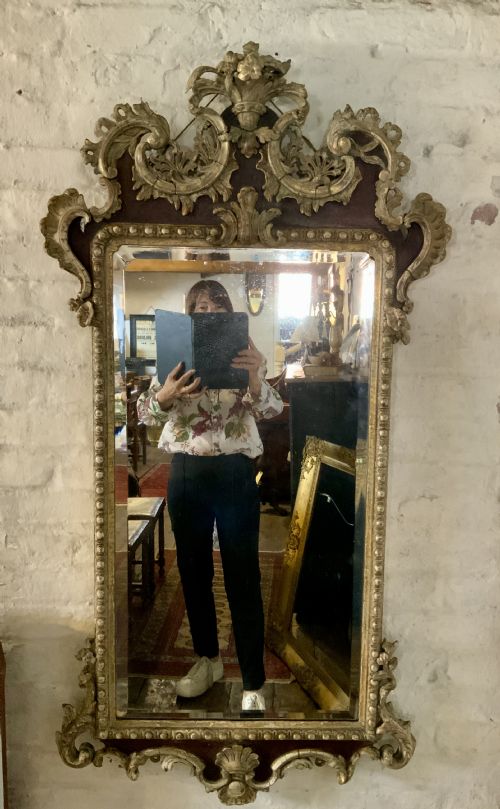
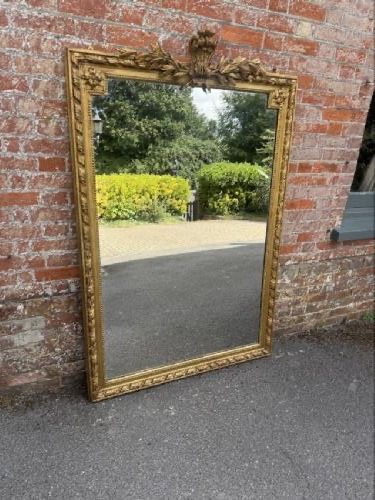
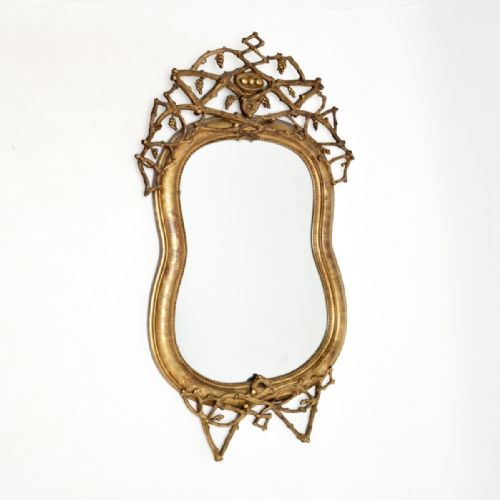

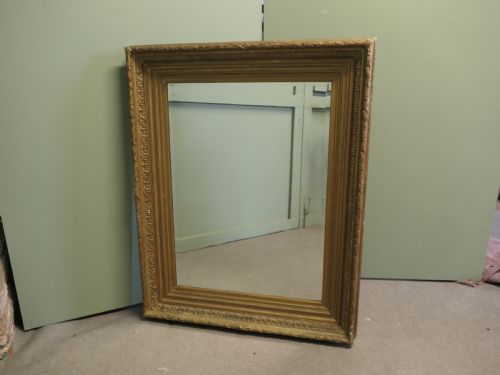



Decorative Gilded Accent Mirror
A decorative gilded accent mirror brings warmth and reflective depth to a room through centuries of European design traditions.
Decorative Gilded Accent Mirror
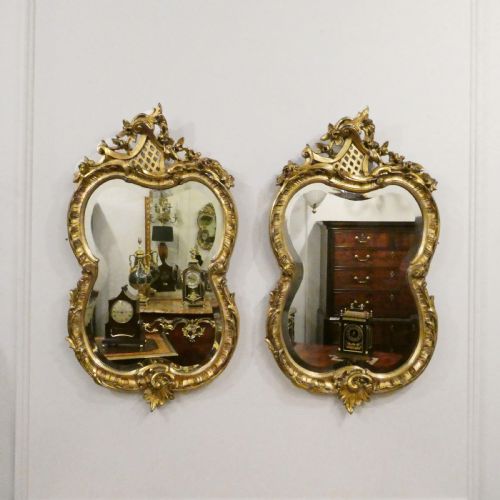
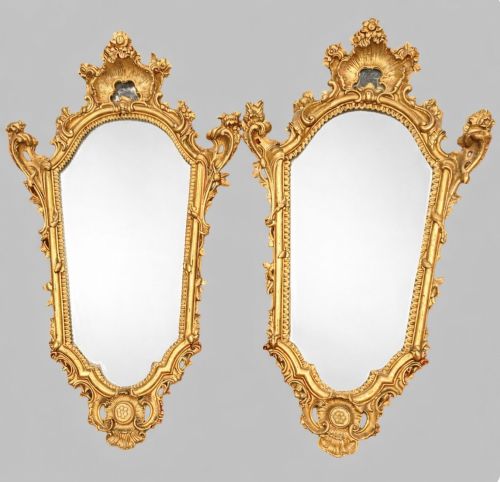
A decorative gilded accent mirror serves as a focal point in an interior scheme, offering both practical reflection and ornamental weight. When searching for a decorative gilded accent mirror, buyers encounter wall-hanging forms ranging from compact console glasses to grand architectural pier mirrors.
The pieces available span from the eighteenth century through the Victorian era and into the early twentieth century, drawing heavily on French and Italian stylistic revivals. Wall mirrors and pier glasses dominate the selection, frequently displaying cartouche, oval, or rectangular formats.
Italian and French regional workshops produced a significant share of these gilt furnishings, utilising traditional carving and framing conventions. Buyers most frequently meet nineteenth-century interpretations of Rococo, Baroque, and neoclassical styles across the current selection.
Materials and construction methods
Carved wood provides the primary structural foundation for these frames, often shaped from timber such as walnut or softer woods suited for intricate detailing. Gesso, a plaster-like mixture, is applied over the wooden base to build up relief ornamentation before gilding takes place.
Gold leaf or applied gilt layers finish the surface, creating the luminous metallic sheen characteristic of these decorative objects. Mirror glass, sometimes engraved or bevelled, is set within the prepared frame, occasionally accompanied by secondary painted or parcel-gilt details.
Listings feature periods spanning from the eighteenth century through the Victorian era to the 1930s.
Judging the quality of execution
The depth and crispness of the hand-carved wooden relief separate superior examples from simpler moulded or cast alternatives. Finer pieces display deliberate undercut carving in foliage, scrollwork, or ribbon motifs rather than uniform, repetitive machine-tooled patterns.
The application and preservation of the gesso and gold leaf dictate the visual richness of the surface. Skilled layering allows the underlying texture to remain articulate, whereas heavy, flat overpainting obscures the definition of the original ornament.
The Decorative Gilded Accent Mirror Glossary
- Giltwood
- Wood that has been coated with gold leaf or a gold-coloured finish. This technique creates a radiant surface that reflects ambient light within a room.
- Gesso
- A prepared mixture of gypsum, chalk, and binder applied to wood frames. It provides a smooth, receptive base for subsequent carving and gilding.
- Trumeau
- A decorative wall mirror paired with an upper panel containing a painting or carved relief. These tall vertical glasses traditionally hung between windows in period reception rooms.
- Pier glass
- A large mirror designed specifically to hang on the wall space between two windows. They often sat above small console tables or sideboards.
- Cartouche
- An ornamental frame resembling a scroll or shied with a curved, unfolding border. This motif appears frequently in Rococo and Victorian mirror designs.
Decorative Gilded Accent Mirror: Frequently Asked Questions
Where should I hang a decorative gilded accent mirror?
These mirrors work effectively above a mantlepiece, console table, or sideboard to anchor a room's focal point. Placing them opposite a window helps maximise natural light and visually expands smaller interior spaces.
Ensure the wall fixings match the substantial weight of carved wooden frames. Heavier pieces require secure anchoring directly into wall studs or masonry rather than standard plasterboard hooks.
How do I identify a Victorian gilt mirror?
Victorian examples often combine historical revival styles like Rococo or Baroque with dense, confident carving. They frequently utilise heavy gesso over wood bases and may show specific nineteenth-century backboard constructions.
Examining the mirror plate can also provide clues, as older glass often exhibits slight imperfections, hand-bevelling, or oxidisation around the edges. However, mirror plates were frequently replaced over long periods of use.
How do I clean a antique gilt mirror frame?
Dust the carved wooden surface gently with a soft, dry brush to remove particles without disturbing delicate gesso or leafing. Avoid using liquid cleaners, moisture, or chemical solvents directly on the gilded finish.
For the glass plate, apply a mild glass cleaner to a cloth rather than spraying directly onto the glass. This prevents liquid from seeping behind the frame edge and damaging the silvering or the wooden backing.