
Antique French Jewellery
Antique french jewellery spans personal adornment and the refined caskets designed to house it, uniting goldsmithing with decorative containers.

Antique French Jewellery
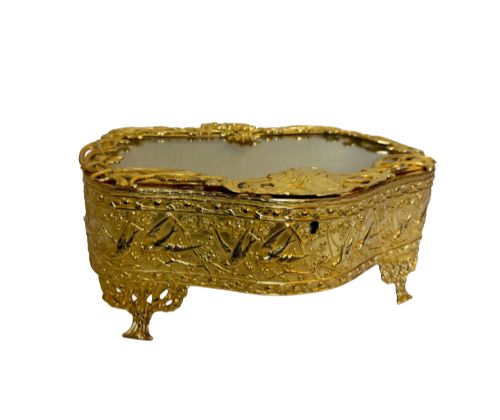
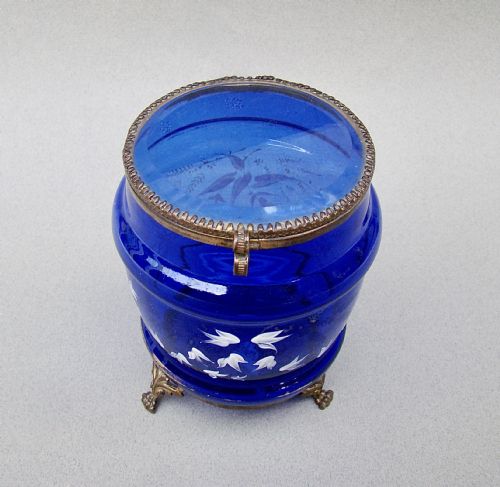
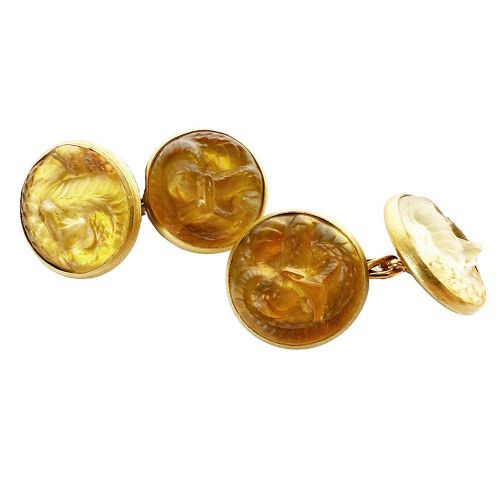
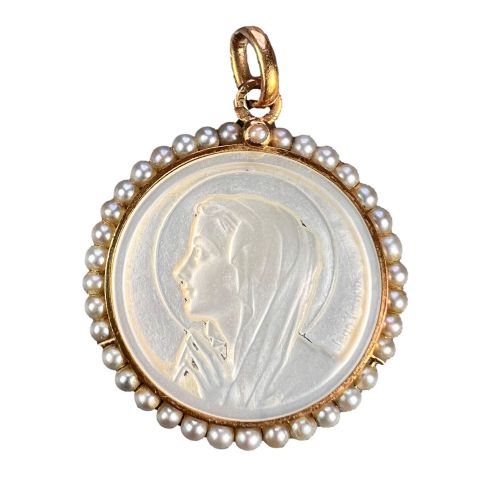
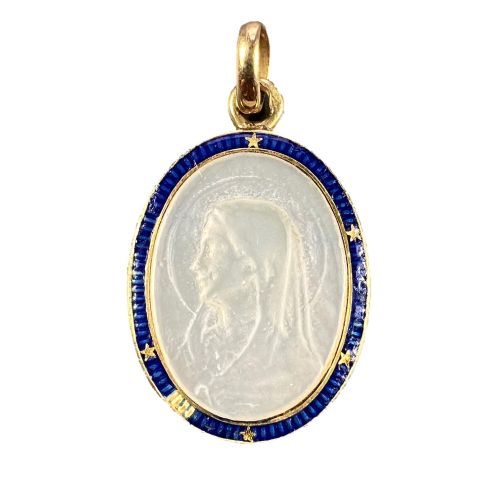
Items associated with antique french jewellery encompass rings, pendants, charms, lockets, and earrings alongside larger display tables and portable caskets. Pieces hail from the Victorian era, the nineteenth century, and the early decades of the twentieth century, including the Art Nouveau and Art Deco periods. Smaller wares feature gold, diamonds, enamel, and pearls, while companion boxes utilise mahogany, ormolu, porcelain, and glass.
Buyers encounter delicate devotional pendants alongside robust diamond rings and substantial display furniture meant for domestic interiors. The category bridges intimate personal items and the furnishings created to preserve them.
Origins trace across decades of changing tastes, moving from ornate nineteenth-century revivals toward geometric modernist lines.
Materials and Techniques
Goldsmiths utilised eighteen-carat yellow, white, and rose gold for rings and pendants, incorporating diamonds, sapphires, and pearls. Enamelling techniques such as plique-à-jour provided translucent colour to metalwork.
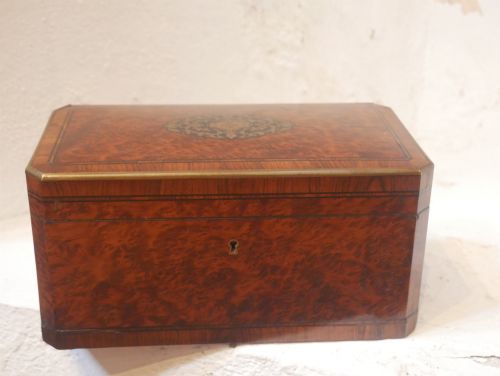
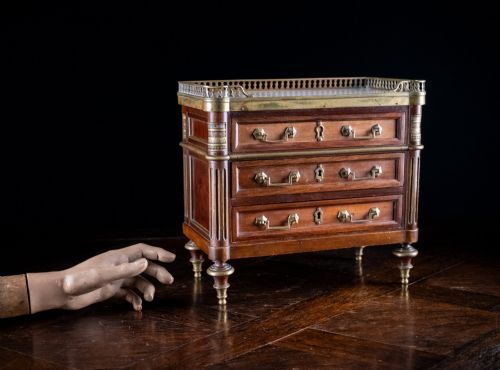
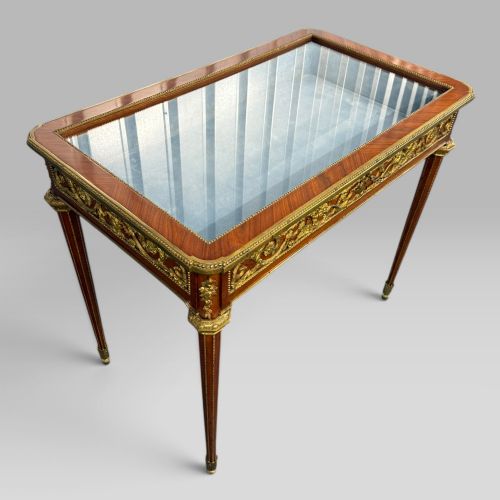
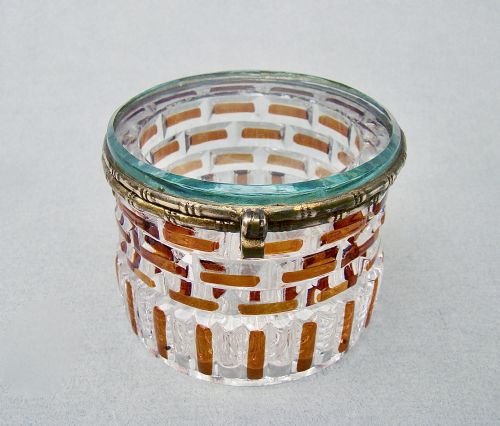
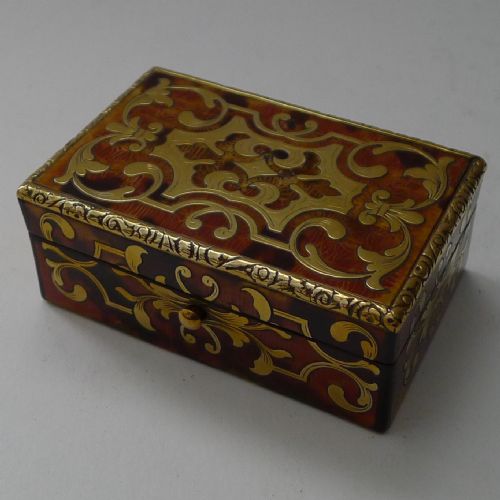
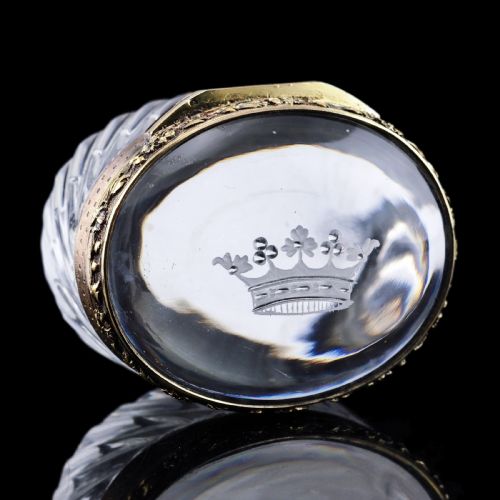
Cabinetmakers and metalworkers combined mahogany, kingwood, brass, and ormolu mounts to construct display cases and trinket boxes. Glass and crystal elements relied on baccarat production and pate de verre moulding.
Antique French Jewellery Retail Price Guide 2026
Typical asking prices for french jewellery among the pieces listed under this phrase on Sellingantiques today, from the lower quarter to the upper quarter. They describe what is for sale here now, not the wider market.
Several items celebrate wasps, snakes, and clover.
Distinctions in Quality
Excellence rests in the precision of the metalwork, the clarity of gemstones, and the preservation of delicate enamel or hand-painted surfaces. Superior examples demonstrate rigorous execution in hidden joins and integrated mounts.
Materials dictate baseline value, distinguishing solid gold settings and genuine hardstone cameos from plated or simpler alloys.
Tahan Paris·Susse Freres Paris·R Lalique
The Antique French Jewellery Glossary
- Ormolu
- Gilded bronze or brass applied to furniture and boxes. This technique provides a metallic golden trim characteristic of nineteenth-century decorative arts.
- Plique-a-jour
- An enamelling technique resembling miniature stained glass where enamel is fired without a backing. Light passes directly through the transparent coloured cells.
- Bijouterie table
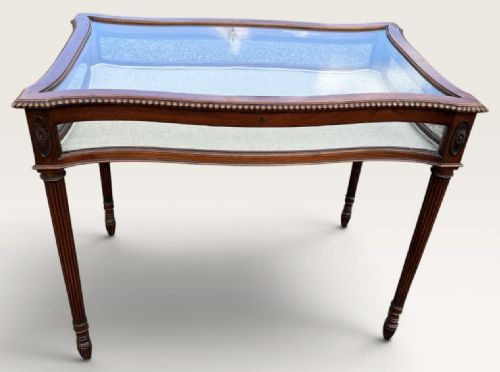
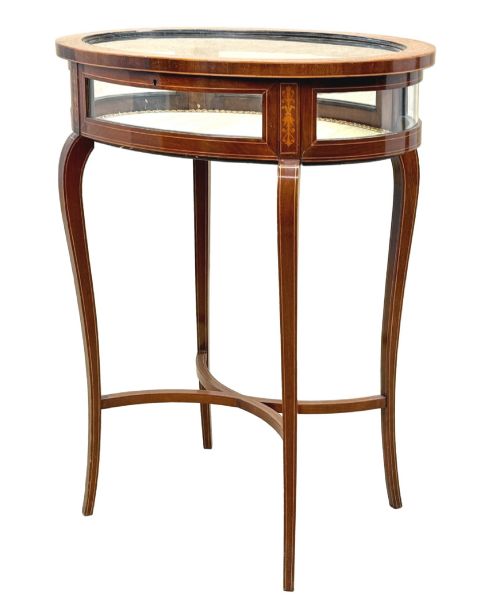
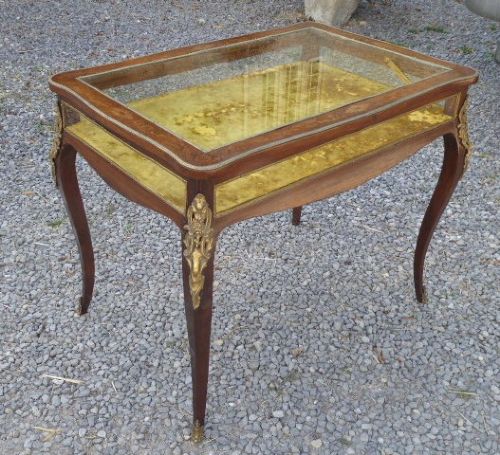
- A glass-topped display table intended for presenting small decorative objects and jewels. These pieces combine wooden frames with hinged glazed lids.
- Boulle
- Marquetry utilising brass and tortoiseshell inlaid into wood surfaces. Named after cabinetmaker André-Charles Boulle, it defines opulent nineteenth-century case pieces.
- Navette
- A boat-shaped gemstone cut or ring bezel design. The elongated pointed silhouette sits flat along the finger.
Antique French Jewellery: Frequently Asked Questions
What defines antique french jewellery?
Pieces originate from workshops in France across the nineteenth and early twentieth centuries, encompassing both wearable adornments and the decorative caskets built to hold them.
Materials range from eighteen-carat gold and diamonds to ormolu, porcelain, and fine wood.
How were bijouterie tables used?
These glass-topped display furniture pieces allowed owners to showcase small collections of trinkets and valuables within domestic drawing rooms.
Items remained visible and protected beneath hinged glass lids.
How do I care for antique boxes?
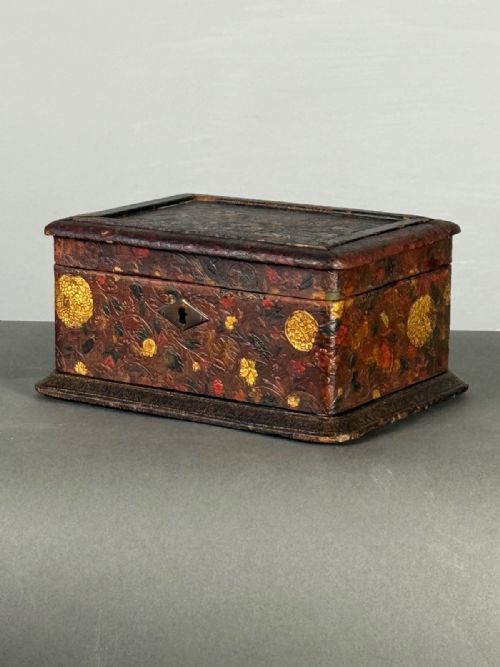
Keep wooden and leather surfaces away from direct sunlight and excessive humidity to preserve delicate veneers and metal mounts.
Clean glass and crystal gently with soft cloths without harsh chemical solvents.
How do I identify Art Nouveau pieces?
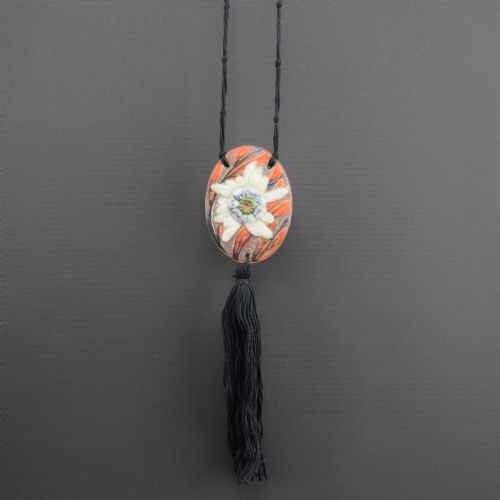
Designs incorporate flowing organic lines, natural motifs such as flora and fauna, and distinctive glass or enamel work.
Production dates cluster around the turn of the twentieth century.