




Antique Gold Cufflinks
These antique gold cufflinks are small architectural sculptures for the cuff, crossing from Victorian weight into Art Deco geometry.
Antique Gold Cufflinks
When you search for antique gold cufflinks, you find fastening toggles and double-sided connectors spanning the Victorian era through the mid-century. The earliest examples rely on cast yellow gold with foliate motifs, belt engravings, or heavy regimental designs.
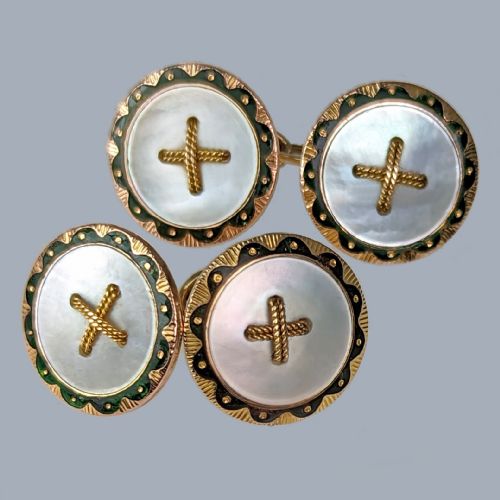
Edwardian pieces introduce mother of pearl, platinum, and delicate sapphire accents, often set with opposing faces linked by short chains. By the interwar years, the aesthetic shifts to Art Deco enamel and geometric arrangements in yellow, rose, and white gold.
Metals, enamel, and natural stones
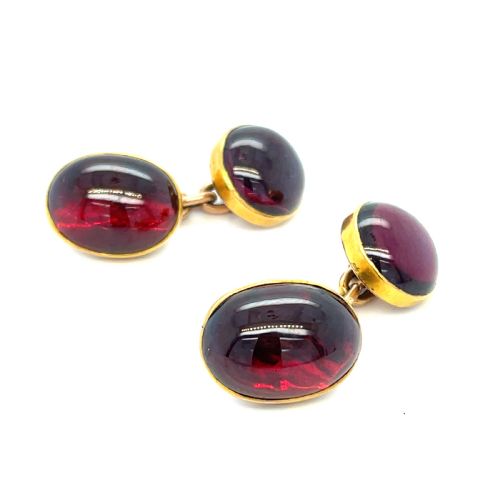
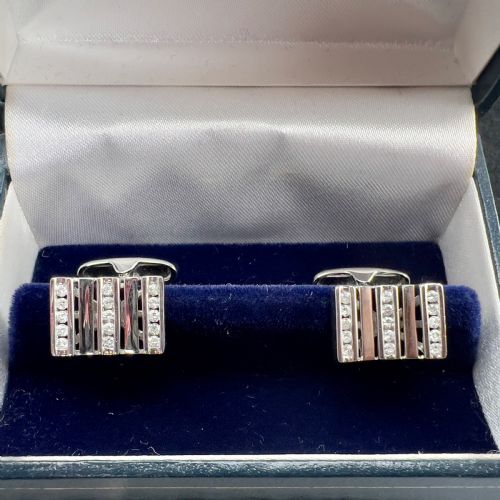
Makers shaped these pieces from nine-carat, fifteen-carat, and eighteen-carat gold, frequently combining yellow or rose metal with platinum highlights. Gemstones such as diamonds, rubies, sapphires, garnets, and banded agate are flush-set or raised in cabochon mounts.
Vitreous enamel provides blocks of blue and multicoloured decoration, especially across geometric Art Deco and French botanical designs. Mother of pearl and carved amethyst supply iridescent or deep purple surfaces held by secure bezel settings.
Antique Gold Cufflinks Retail Price Guide 2026
Typical asking prices for gold cufflinks among the pieces listed under this phrase on Sellingantiques today, from the lower quarter to the upper quarter. They describe what is for sale here now, not the wider market.
Listings span gold purities from nine-carat to eighteen-carat, alongside platinum, sterling silver, enamel, and mother of pearl.
Subtleties of execution and preservation
Quality rests on the crispness of the hand-engraving and the structural integrity of the connecting links and swivel backs. Finer specimens display unblemished enamel work and secure gemstone settings that sit flush without excess solder.
Maker marks and regional assay stamps stamped into the gold provide a distinct measure of provenance. The weight of the metal and the retention of original boxes elevate an assemblage from a standard utility item to a refined wearable artefact.
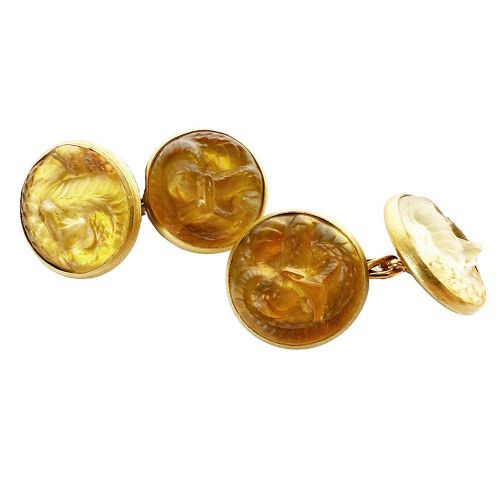
Solomon Blanckensee Son·R Lalique·Payton Pepper Co·Taye Kenning Spencer Ltd·Wilson Gill·J Aitkin Son·Alexander Clark·Abraham Meyer Blanckensee
The Antique Gold Cufflinks Glossary
- Cabochon
- A gemstone shaped and polished with a smooth, rounded dome rather than faceted cuts. This technique highlights the natural patterns of stones like banded agate and garnet.
- Guilloche
- An intricate decorative engine-turning technique engraved into metal beneath translucent enamel. It produces repeating geometric patterns that catch the light.
- Double-sided
- A cufflink design featuring decorative faces on both ends of the connector, joined by a short chain or rigid bar. This ensures a finished appearance from every angle.
- Assay mark
- Official stamps struck into precious metal indicating the purity of the gold, the sponsoring maker, and the office of testing. They confirm the metallic composition.
- Torpedos
- A slender, elongated bar fastener common on Victorian and Edwardian backings. They slide easily through buttonholes while holding the cuff securely.
Antique Gold Cufflinks: Frequently Asked Questions
How do double-sided cufflinks work?
Double-sided cufflinks feature matching or complementary decorative faces on both ends of a short chain link. You tilt one face sideways to pass it through the cuff buttonholes.
Once threaded, both faces rest visibly on the outside of the double cuffs, leaving no plain metal bar exposed.
Were these worn with everyday shirts?
These pieces were primarily designed for formal or business attire featuring stiff double cuffs, common in the Victorian and Edwardian periods. Gentlemen paired them with matching dress studs for evening wear and formal events.
Sturdier nine-carat gold and regimental designs also saw daytime use in professional wardrobes.
How do I care for antique enamel cufflinks?
Vitreous enamel is essentially glass fused to metal, meaning it requires protection from hard drops and harsh chemical cleaning solutions. Wipe them gently with a soft, damp cloth after wearing.
Store them separately in lined boxes to prevent the gold faces from scratching the enamel surfaces.
How do I distinguish Victorian from Art Deco pairs?
Victorian examples lean toward heavier yellow or rose gold with chased foliate motifs, star settings, and natural cabochon stones. They often have an organic, textured warmth.
Art Deco pairs favour platinum, white gold, geometric enamel patterns, and sharp rectilinear lines influenced by modernist design.