



French Gold Medallion
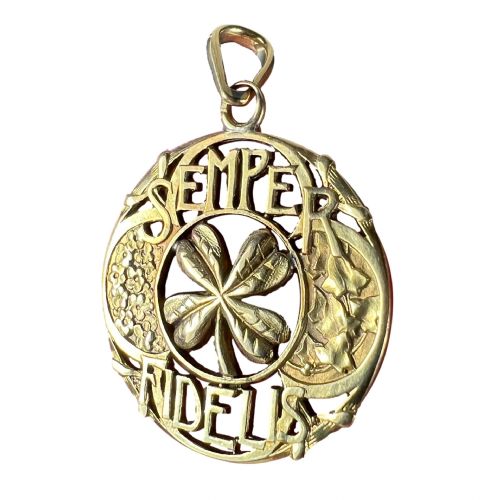
When you search for french gold medallion, you uncover intricate religious pendants and delicate charms cast in high-purity gold.
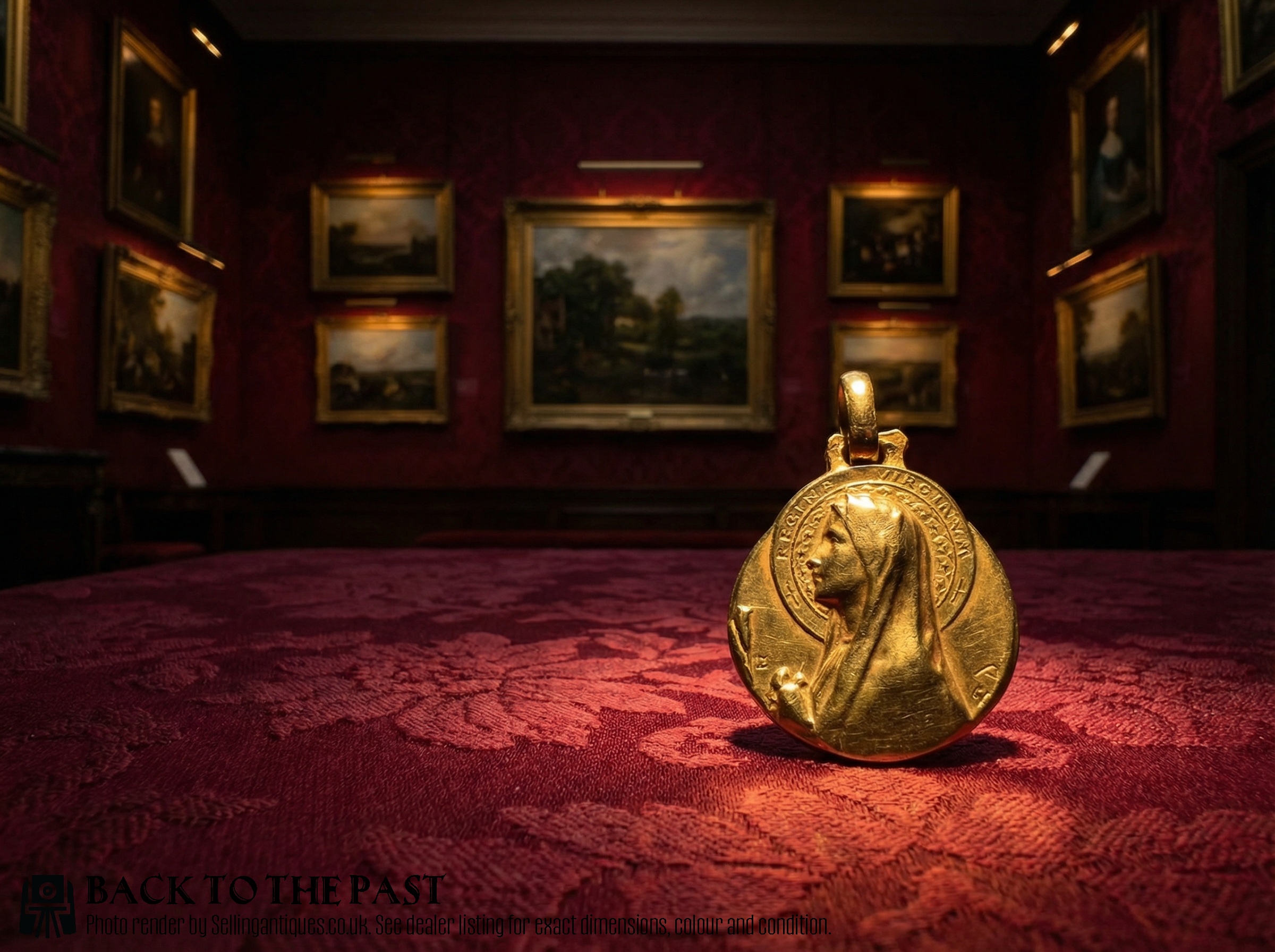
French Gold Medallion
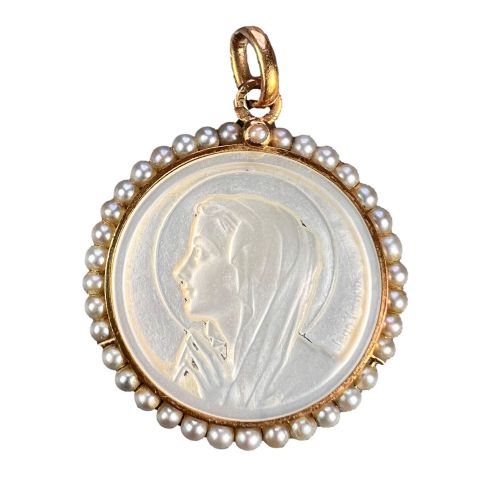
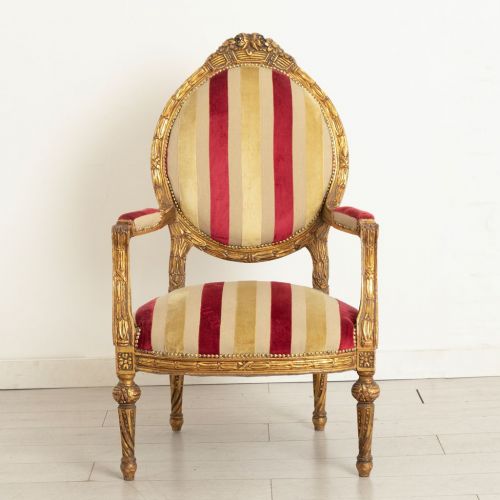
Beyond personal jewellery, the broader selection bridges small devotional items with larger decorative furnishings like giltwood armchairs and salon suites, though the smaller gold items dominate the search. These pendants span artistic movements from Art Nouveau to Neoclassical revivals, reflecting the distinct aesthetic tastes of French workshops during the Belle Epoque.
The objects serve as physical markers of personal faith, sentiment, or milestone celebrations, designed to be worn close to the heart on fine chains or ribbons. Their survival offers a tangible link to the detailed metalworking traditions of French provincial and Parisian artisans alike.
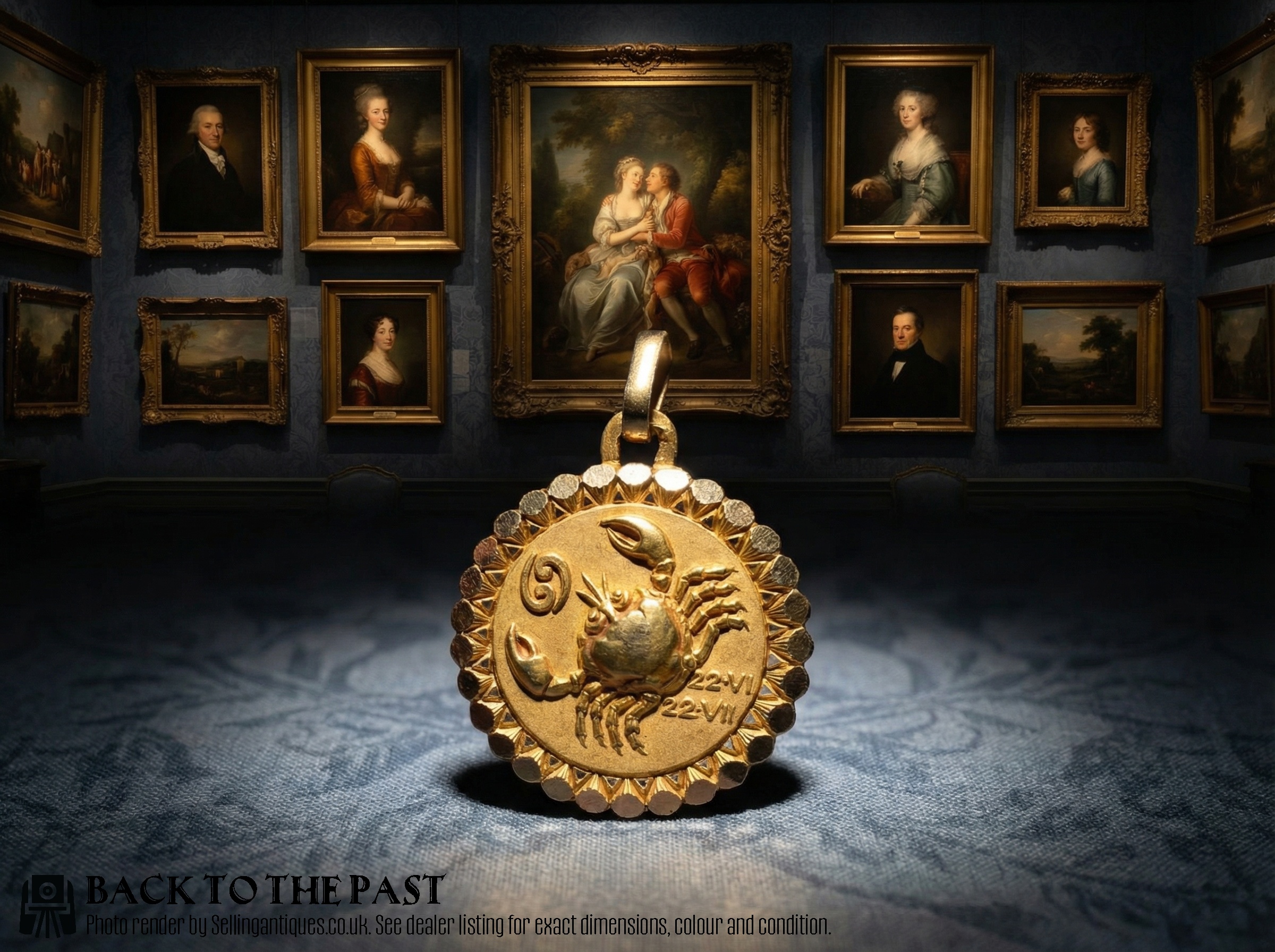
How they were made
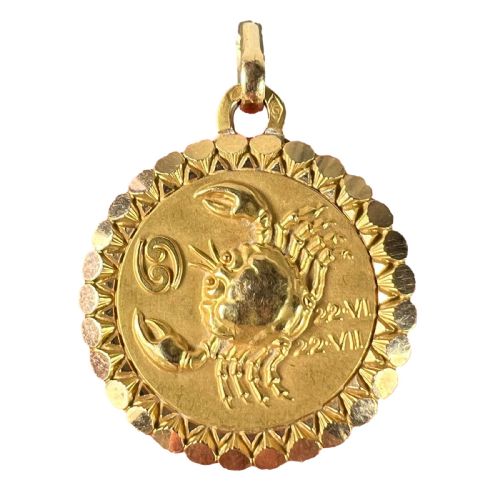
Craftsmen utilised 18-karat yellow and rose gold as the primary medium, shaping the metal through stamping, casting, and hand-engraving to achieve high-relief imagery. The warm tone of the gold forms the structural base for intricate iconography depicting religious figures, floral wreaths, and heraldic motifs.
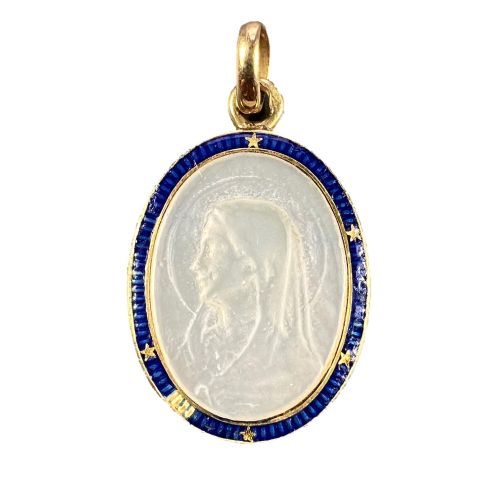
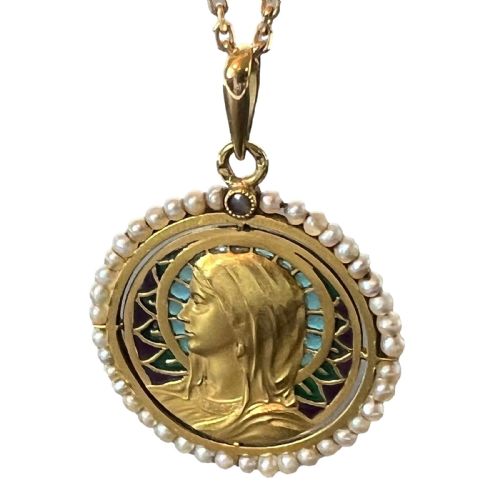
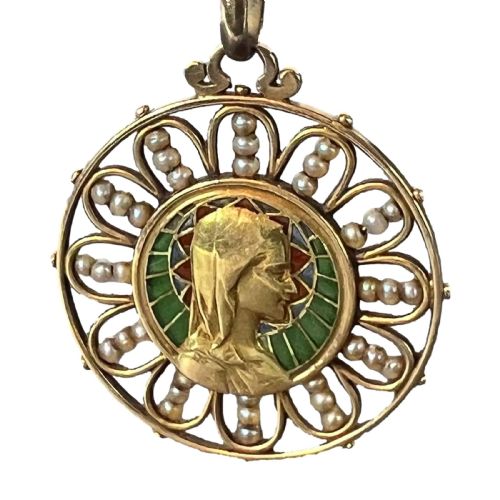
Techniques such as plique-a-jour enamel and the integration of seed pearls or mother of pearl elevate many pendants, introducing translucent colour and shimmering depth behind the golden figures. Jewellers also applied twisted wire frames and subtle giltwood details on related items to enhance the overall texture and visual contrast.
French Gold Medallion Retail Price Guide 2026
Typical asking prices for french gold medallion among the pieces listed under this phrase on Sellingantiques today, from the lower quarter to the upper quarter. They describe what is for sale here now, not the wider market.
Some lucky buyers might even spot a startled deer caught mid-leap on a specialised hunting horn charm.
What varies in quality
The distinction between standard output and finer works rests in the crispness of the artisan's strike and the depth of the hand-chased details on the gold surface. Superior medals display sharply defined facial expressions on figures and immaculate translucent enamel work that catches the light without cloudiness.
Attention to reverse-side engraving and the integration of delicate decorative elements, such as seed pearls or twisted wire borders, mark the difference between mass-produced factory pieces and bespoke outputs from named medallists.
Emile Monier·Paul Brandt·Perroud·Mazzoni·Pageli Perriat·Guilbert·Vernon·Emile Dropsy·Sellier·Rasumny·Ovide Yencesse·Tairac
The French Gold Medallion Glossary
- Plique-a-jour
- An enamelling technique where the enamel is applied in cells without a backing, resembling miniature stained glass that allows light to shine through the transparent colours.
- Giltwood
- Wood that has been coated with a thin layer of gold leaf or gold paint, frequently seen on frames, mirrors, and nineteenth-century salon furniture.
- Medallion
- A large medal or a medallion-shaped ornament, often worn as a pendant or utilised for commemorative and devotional purposes.
- Mother of pearl
- The iridescent internal layer of mollusc shells, carved and polished for use as a luminous background material in decorative charms and jewellery.
- Neoclassical
- A style rooted in the revival of classical antiquity, characterised by symmetry, restraint, and classical motifs visible in late nineteenth-century French design.
French Gold Medallion: Frequently Asked Questions
What is a French gold medallion?
A French gold medallion is a small devotional or commemorative pendant typically struck in 18-karat yellow or rose gold by Parisian workshops.
These pieces frequently feature religious iconography, such as the Virgin Mary or patron saints, alongside intricate enamel and pearl embellishments.
How were these pendants worn?
Owners historically wore these gold pieces suspended from fine metal chains, ribbons, or charm bracelets as personal talismans of faith and protection.
The compact scale allowed them to be kept close to the body beneath garments or displayed openly on ceremonial occasions.
What materials are common in these pieces?
The primary material is 18-karat gold, prized for its rich warmth and malleability in catching fine engraved details.
Craftsmen frequently paired the gold with translucent plique-a-jour enamel, seed pearls, and carved mother of pearl backgrounds.
How do I identify the period of a medallion?
Dating relies on stylistic clues, such as the flowing organic lines of Art Nouveau versus the strict symmetry of Neoclassical revivals.
Many pieces also bear maker marks or hallmarked stamps indicating French provincial or Parisian origin from the late nineteenth and early twentieth centuries.