


Yellow Gold Medallion
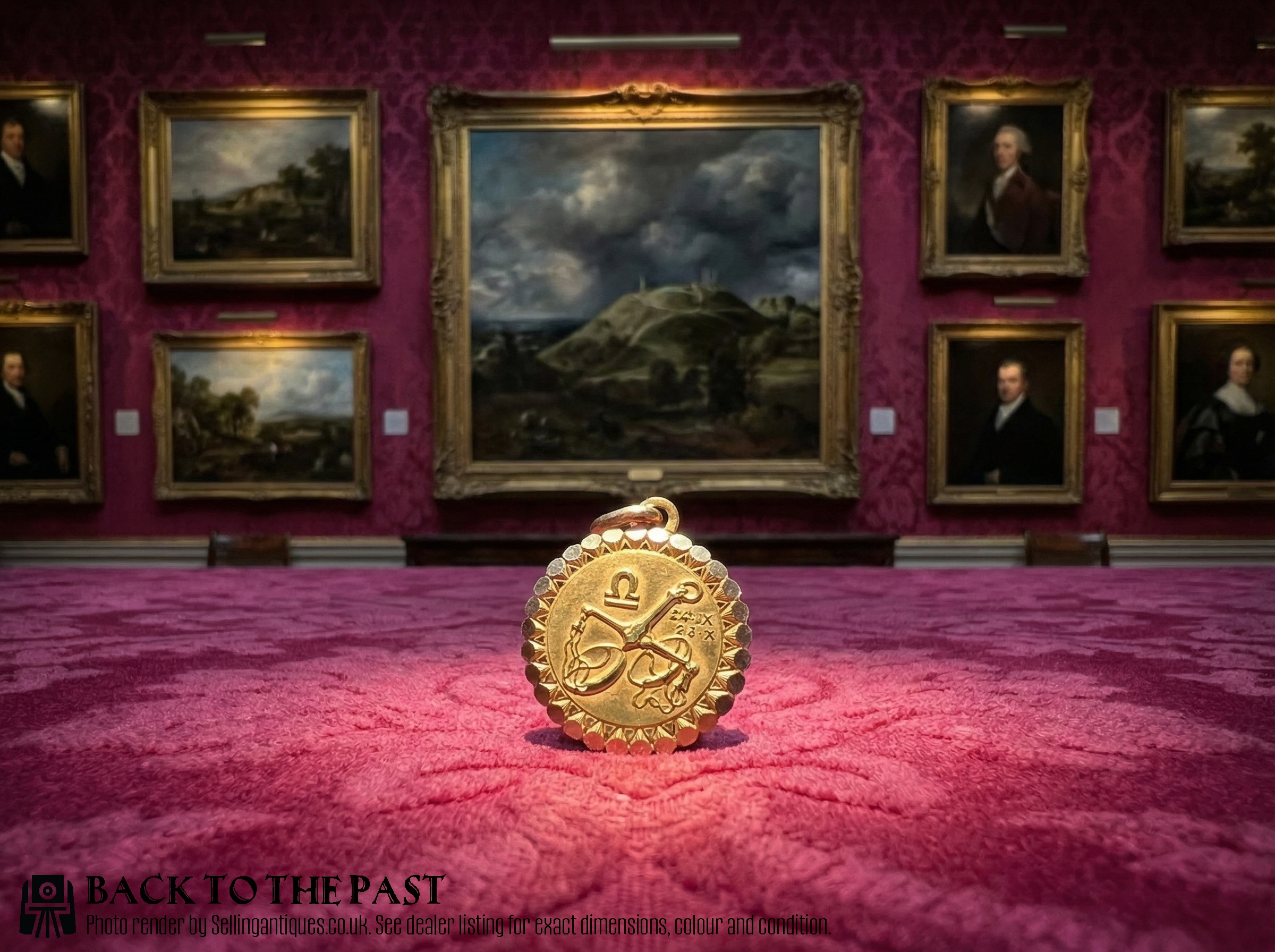
A yellow gold medallion brings together warm metal, devotional figures and intricate enamel work from the late nineteenth and early twentieth centuries.
Yellow Gold Medallion
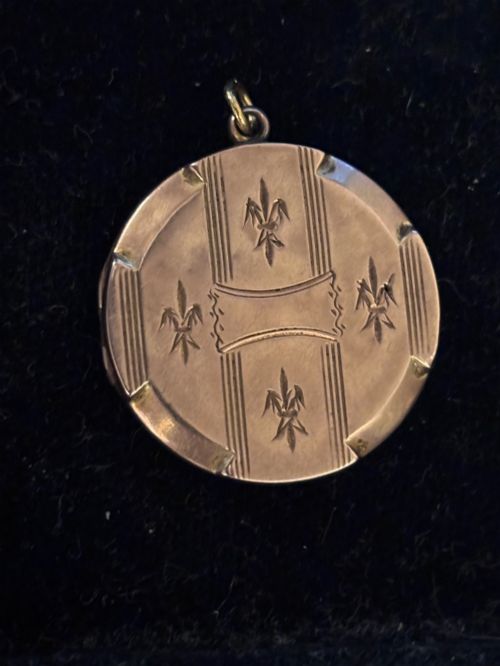
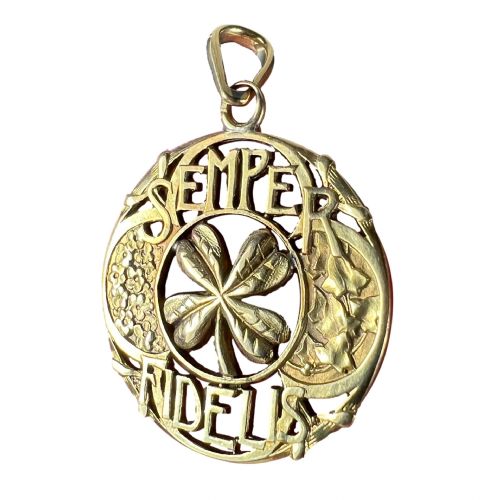
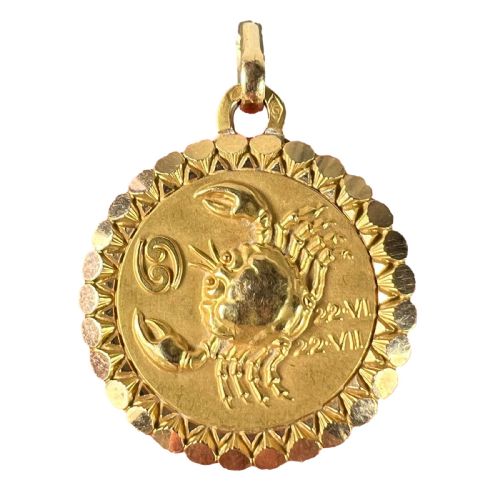
A yellow gold medallion typically takes the form of a pendant, charm, or medal designed to be worn on a chain or ribbon. These pieces span several decades, with a significant concentration originating from France around the turn of the twentieth century. Buyers encounter both secular motifs, such as zodiac signs and lucky clovers, and religious subjects like the Virgin Mary and sacred hearts.
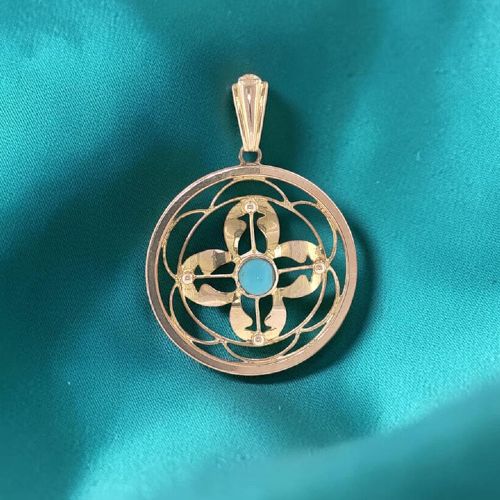
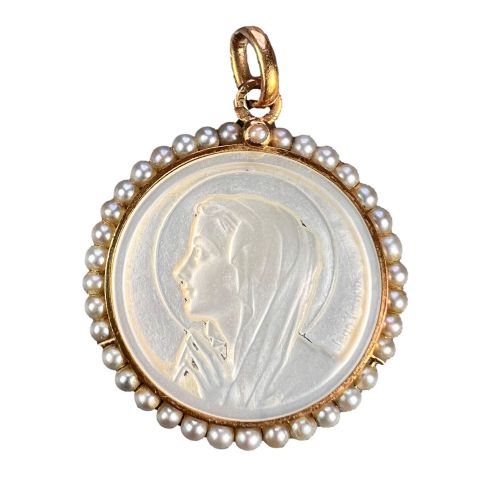
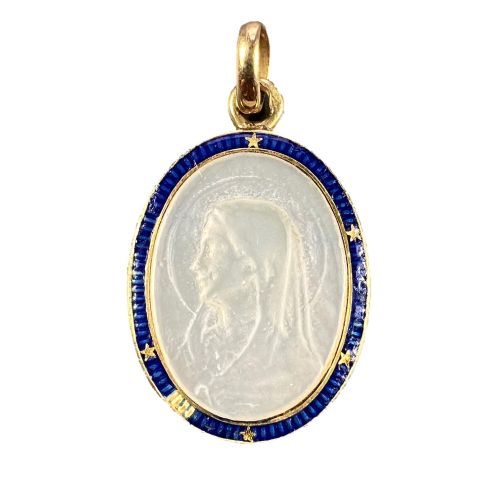
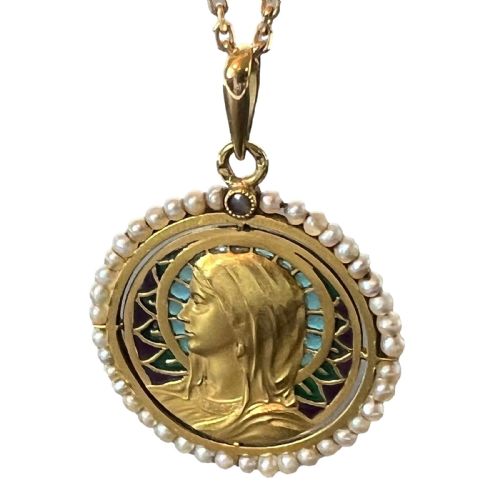
The selection includes specific pendant forms such as lockets, cluster settings, and framed charms using mother-of-pearl or painted panels. Pieces vary from simple circular discs to elaborate shield shapes decorated with floral wreaths, roses, and leaves. French religious medals dominate the selection, often carrying devotional imagery paired with delicate border work.
Materials and Techniques
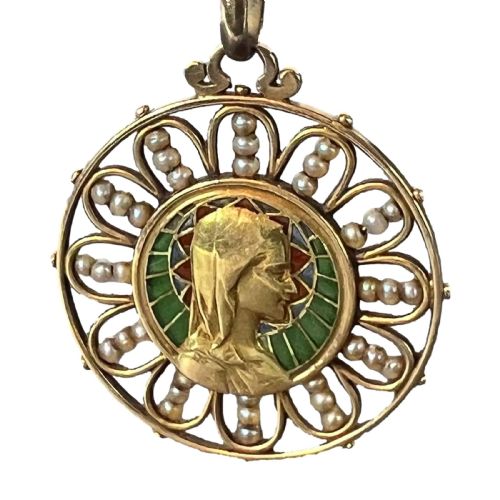
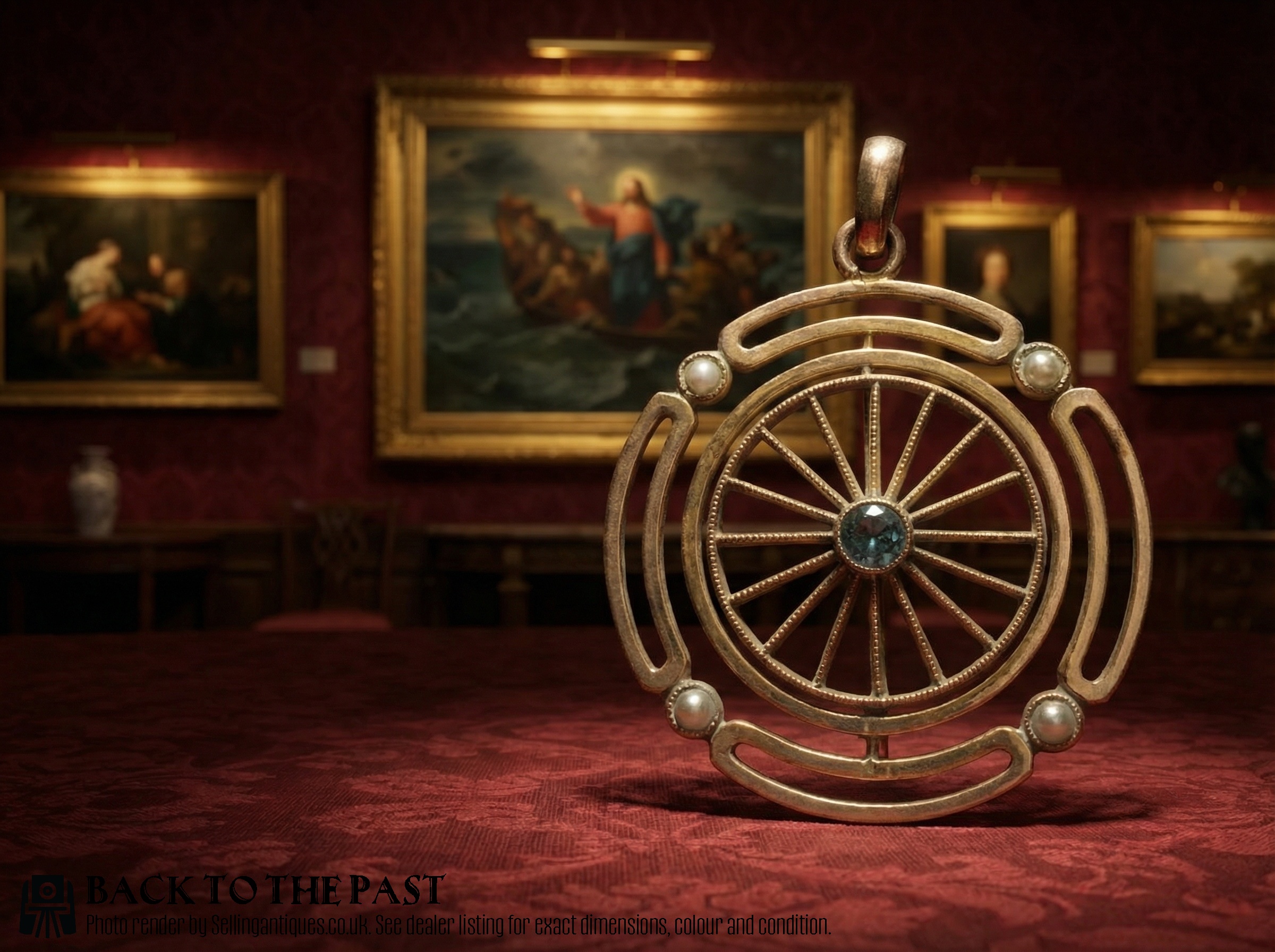
The underlying metal across these pieces is predominantly 18ct or 18K yellow gold, occasionally complemented by white gold or rose gold accents. Jewellers incorporated seed pearls, turquoise, peridot, diamonds, and rubies to highlight central motifs and borders. Mother-of-pearl provides an iridescent backing for carved religious figures and delicate wire frames.
Enamelling techniques play a central role in the decoration, particularly plique-à-jour, which allows light to pass through translucent coloured sections much like stained glass. Artisans also utilised fine twisted wire, beaded glass, and shagreen to add texture and depth to the frames and surrounds of the pendants.
Yellow Gold Medallion Retail Price Guide 2026
Typical asking prices for yellow gold medallion among the pieces listed under this phrase on Sellingantiques today, from the lower quarter to the upper quarter. They describe what is for sale here now, not the wider market.
Materials recorded include 18K yellow gold, enamel, seed pearls, mother-of-pearl, shagreen, peridot, and turquoise.
Craftsmanship and Detail
Quality in a yellow gold medallion rests on the precision of the metalwork and the fineness of the decorative details. Pieces featuring complex plique-à-jour enamel or meticulously hand-carved mother-of-pearl display a higher level of artisanal skill than simpler stamped discs. The clarity of the maker or artist signature stamped into the gold further distinguishes superior examples.
The integration of precious stones, such as well-matched seed pearls or faceted peridots, elevates the overall execution. Superior items maintain crisp definition in the relief work of figures, floral wreaths, and inscriptions, showing little softening across the high points of the design.
Emile Monier·Paul Brandt·Perroud·Emile Dropsy·Sellier·Rasumny·Ovide Yencesse·Tairac
The Yellow Gold Medallion Glossary
- Plique-a-jour
- An enamelling technique where the enamel is applied without a backing, creating a translucent, stained-glass effect that lets light pass through the design. This method requires considerable skill to execute without cracking the delicate metal partitions.
- Medal
- A flat piece of metal struck or cast with commemorative or devotional imagery, often fitted with a loop for suspension. Many examples on this page originate from France and depict religious figures.
- Locket
- A small hinged pendant designed to open and enclose a miniature portrait or lock of hair. Victorian examples frequently combine this function with yellow gold and seed pearl decoration.
- Charm
- A small decorative trinket attached to a bracelet or worn as a pendant on a chain. These often celebrate personal interests, astrology, or protective symbols.
- Seed Pearl
- Very small natural pearls, often half-drilled and glued or pegged onto jewellery settings. They create delicate, luminous borders around central gold medallions.
Yellow Gold Medallion: Frequently Asked Questions
How do I wear a medallion?
These pieces include a loop or bale designed to accommodate a fine chain or ribbon for neck wear. Many also function well as charms suspended from a heavier link bracelet.
Selecting a chain weight that matches the scale of the gold pendant ensures balanced proportions when worn daily.
Are these pieces strictly religious?
While a large portion of the selection depicts the Virgin Mary, saints, or sacred hearts, many examples feature secular subjects. You will find zodiac signs, hunting horns, floral wreaths, and lucky clovers.
Both devotional and decorative pieces share the same period gold craftsmanship and French origin.
What periods do these come from?
The listings span the late nineteenth century through the mid-twentieth century, with a strong emphasis on the Belle Epoque and Art Nouveau eras around nineteen ten. Victorian and Art Deco examples also appear frequently.
Stylistic cues in the metalwork and enamel help distinguish the earlier Victorian pieces from later mid-century designs.
How should I care for antique gold?
Cleaning requires only a soft cloth and warm soapy water to remove everyday oils from the gold and stones. Harsh chemical dips should be avoided, particularly when dealing with enamel or seed pearls.
Store each pendant separately in a lined box to prevent scratching against other items in your collection.