

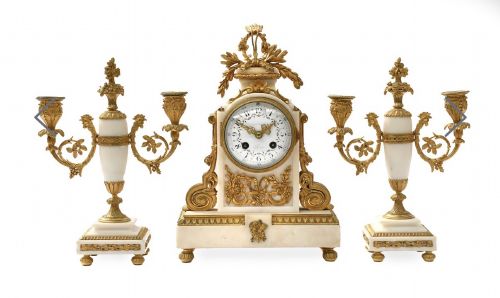

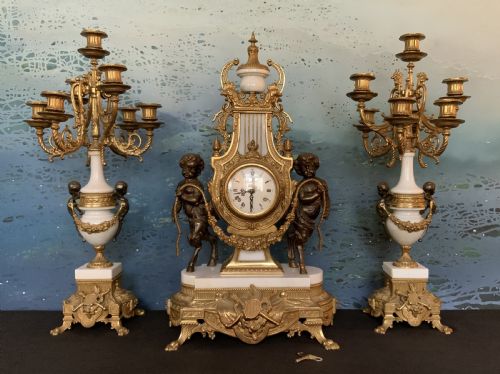
Antique French Garniture Set
An antique french garniture set brings symmetry and grand nineteenth-century presence to a mantelpiece, pairing a central clock with matching ornaments.
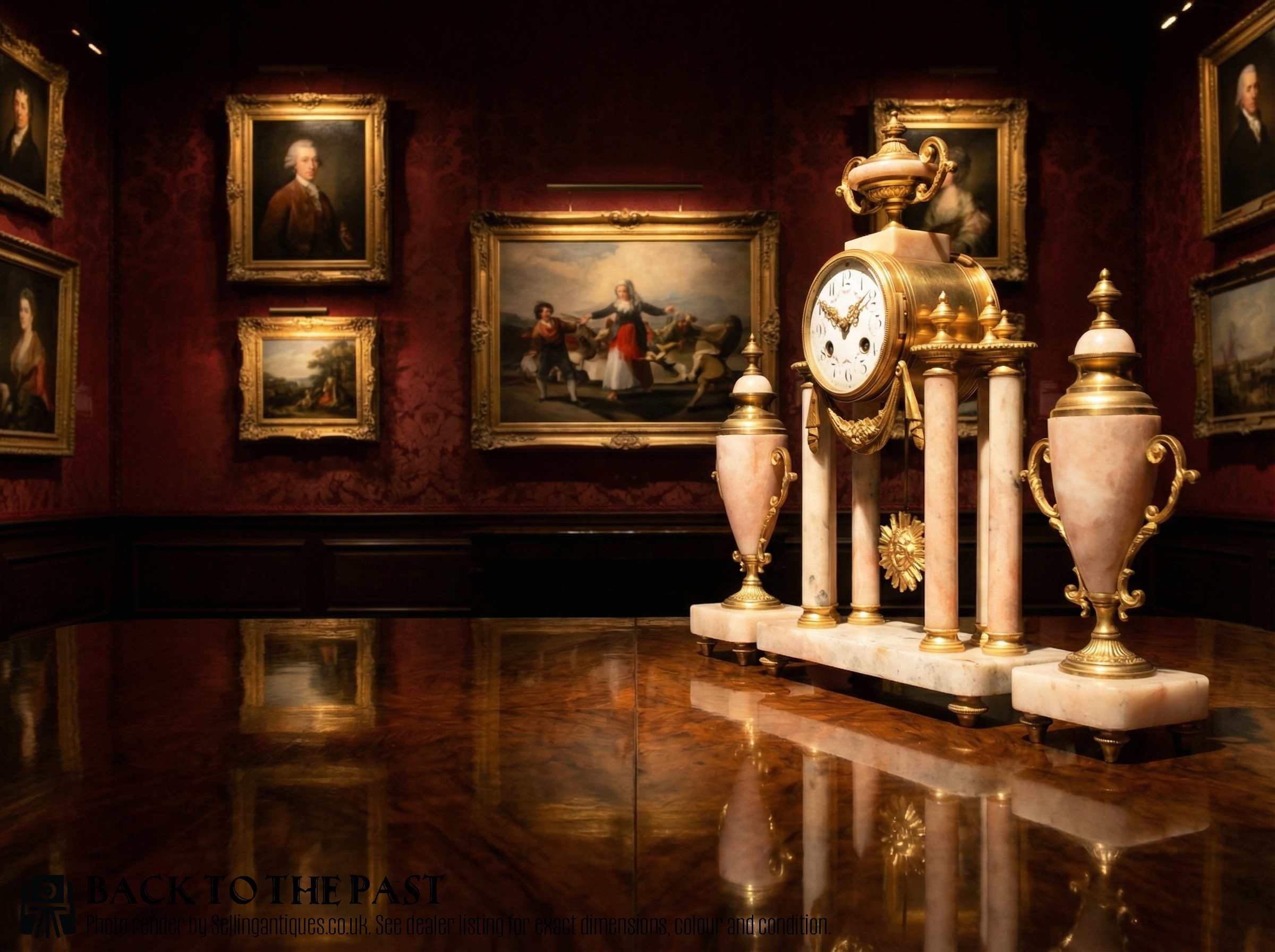
Defining an antique french garniture set
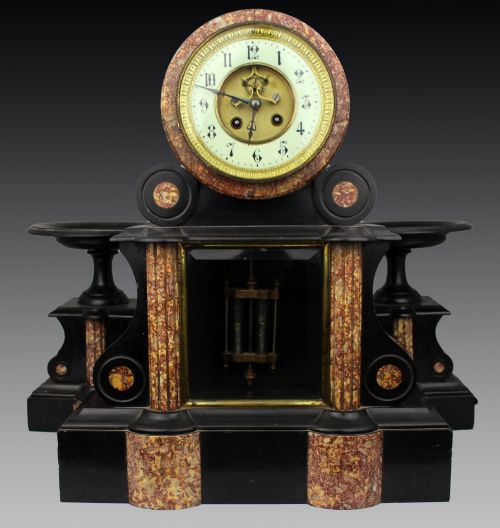
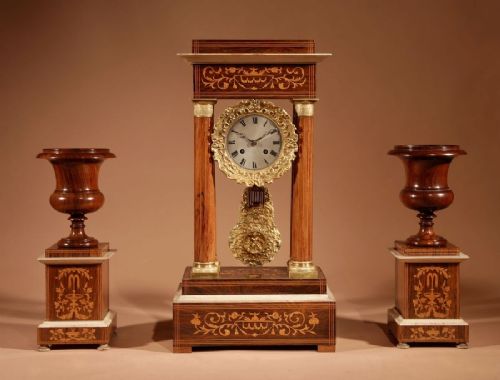
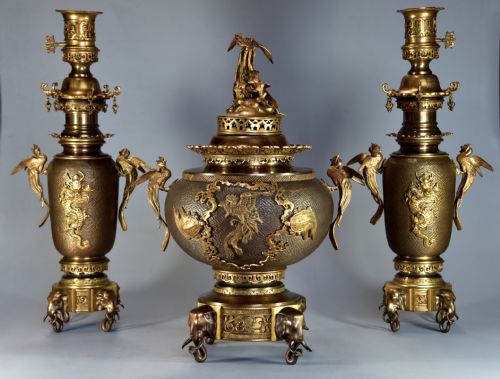
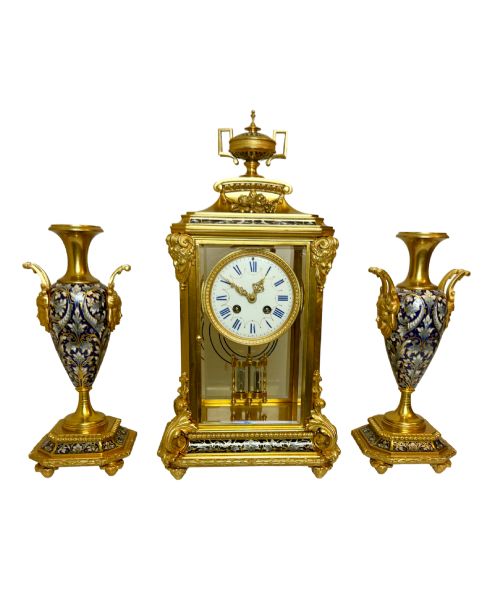
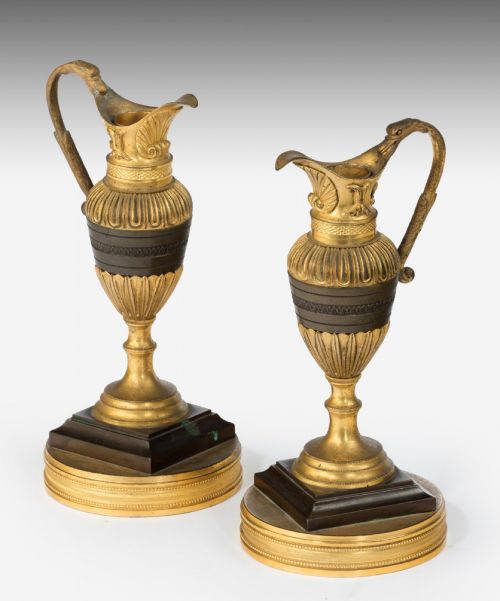
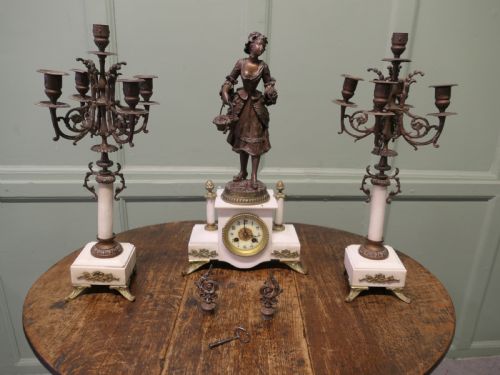
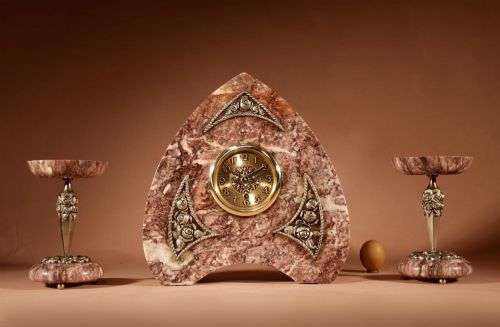
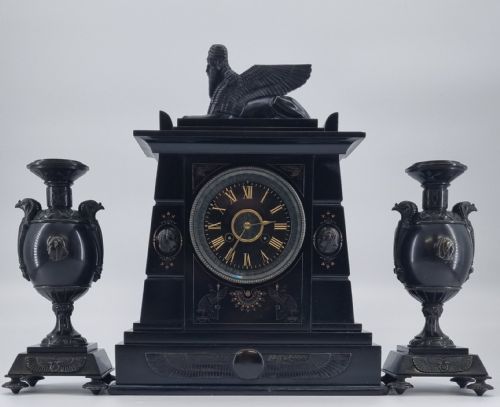
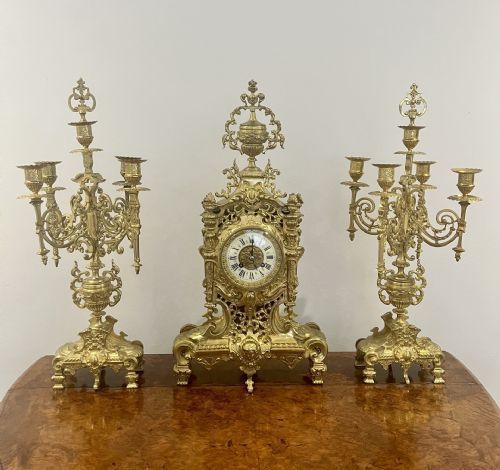
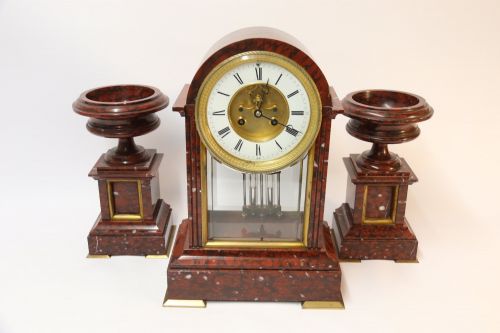
An antique french garniture set comprises a central mantel clock accompanied by matching side pieces such as urns, candelabras or vases designed to create a balanced display.
These arrangements frequently surface from the nineteenth century, including Victorian interpretations and Louis XVI revival designs that emphasise classical ornamentation.
The primary forms appearing across these displays are mantel clocks and complete clock garnitures, often accompanied by matching side ornaments.
Materials and construction
The construction relies on a mixture of cast metal and stone, utilising ormolu, gilt bronze, brass and spelter alongside contrasting white marble, black slate and pink marble bases.
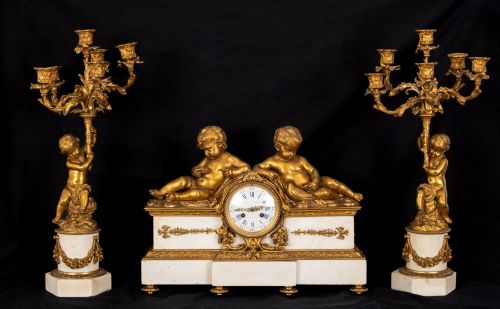
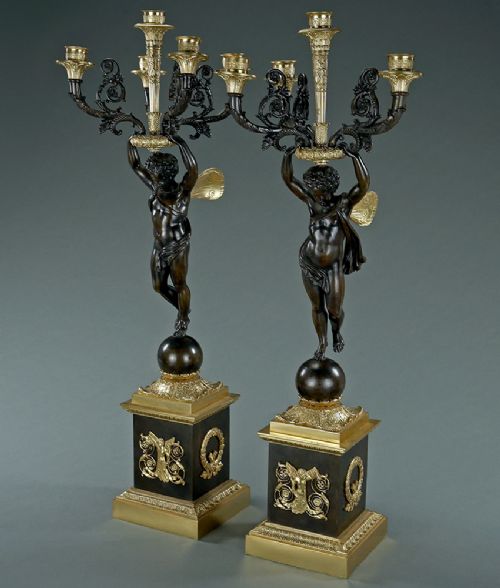
Metal components receive gilding or fine chasing to highlight sculptural details such as cherubs, whilst stone plinths provide solid architectural foundations for the clocks and garniture pieces.
Retail Price Guide 2026
Typical UK retail prices for french garniture set, calculated from the Sellingantiques database of over a million retail prices indexed since 2003. This retail price guide relies exclusively on Sellingantiques data; no external sources or auction records are used, so the figures do not describe the wider market.
Several sets feature cheeky bronze cherubs keeping watch over the mantelpiece.
Judging quality
Quality rests upon the crispness of the cast metalwork and the depth of the gilding applied to ormolu and bronze elements.
Sets featuring finely sculpted cherubs or integrated champleve enamel distinguish themselves from simpler productions by the precision of their ornamentation and the quality of their marble bodies.
The Antique French Garniture Set Glossary
- Ormolu
- Gilt bronze produced by applying a finely ground high-carat gold mercury amalgam to a bronze base. This technique creates a rich golden finish characteristic of refined nineteenth-century French decorative arts.
- Spelter
- A zinc alloy commonly utilised as a less expensive alternative to bronze for sculptural figures. It takes patination and paint well, appearing frequently in decorative clock mounts.
- Champleve
- An enamelling technique where troughs or cells are hollowed out in the metal surface and filled with vitreous enamel powder before firing. This decorative method creates colourful patterns on clock dials and cases.
- Portico clock
- A mantel clock architectural in form, supported by four columns resembling a classical portico. The pendulum often swings visibly within the open central space between the pillars.
Frequently Asked Questions
What is included in a garniture set?
A garniture set consists of a central mantel clock accompanied by matching side ornaments such as urns, vases or candelabras.
These pieces are styled to coordinate perfectly, intended to sit together across a mantelpiece or credenza to create a balanced display.
How do I date an antique french garniture set?
Dating relies on stylistic clues, material combinations and manufacturing techniques recorded across nineteenth-century and Victorian examples.
Louis XVI revival pieces often feature specific classical motifs, whilst materials like black slate, pink marble and gilt bronze point to particular decades of production.
Where should I place a clock garniture?
These sets find their traditional home on the mantelpiece above a fireplace, where the central clock and flanking pieces create a symmetrical arrangement.
They also sit effectively on large console tables, chests of drawers or sideboards where length permits the full spread of the pieces.
Are these sets fragile?
The combination of heavy stone bases and delicate metal ornamentation requires careful handling during placement and relocation.
Components like marble and gilt bronze benefit from stable surfaces and gentle cleaning without harsh chemical polishes.