

Antique French Dining Chairs
Antique French dining chairs bring distinct regional character and formal refinement to a dining room through sculpted wood and period upholstery.
Antique French Dining Chairs
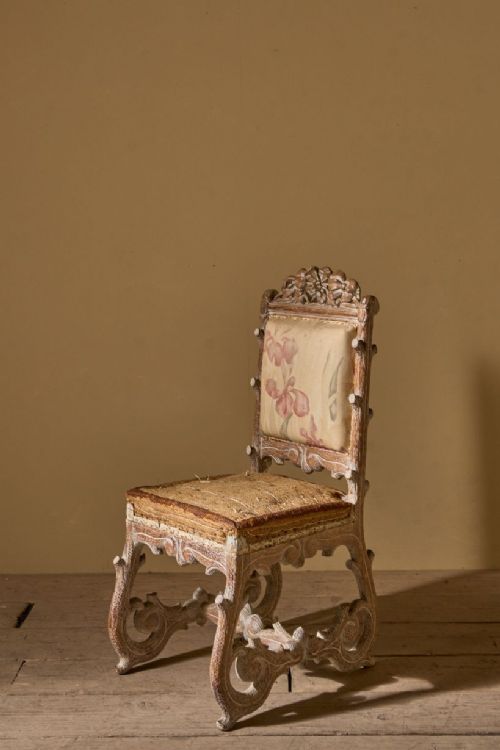
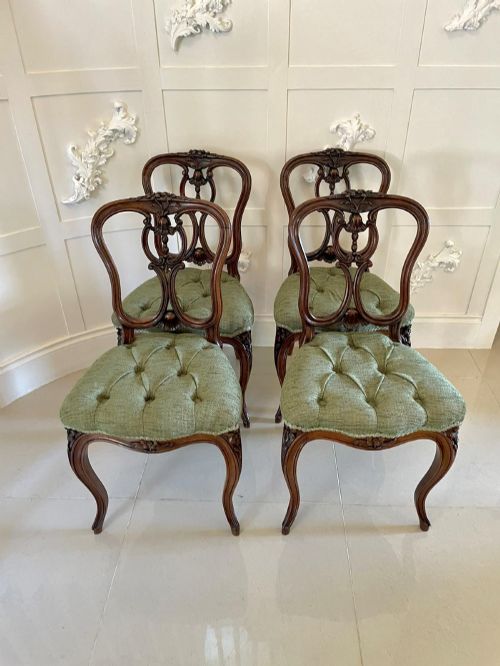
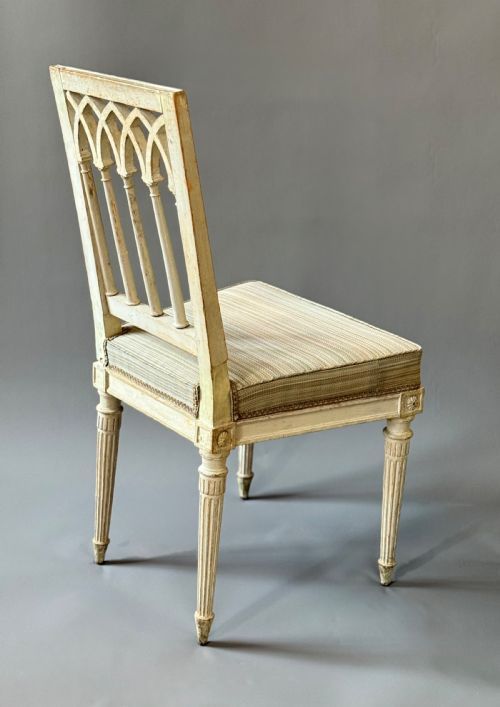
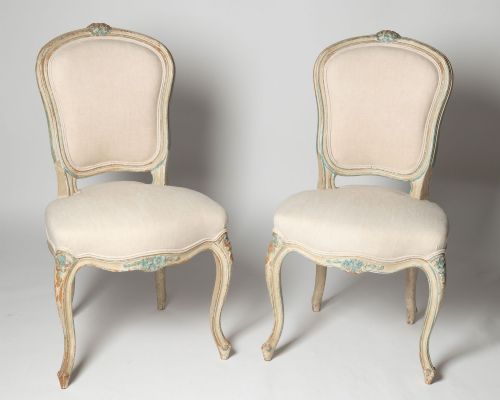
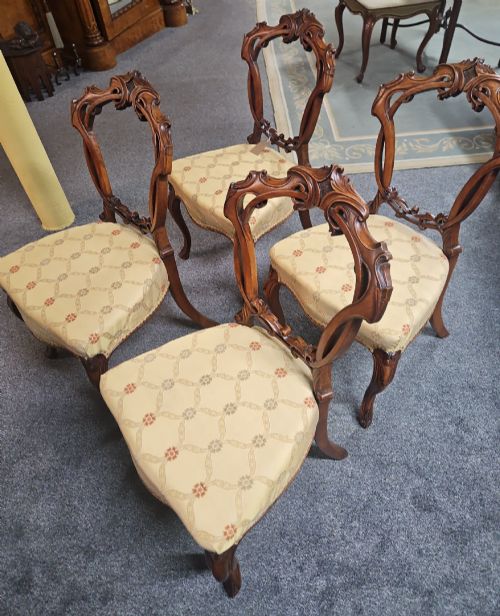
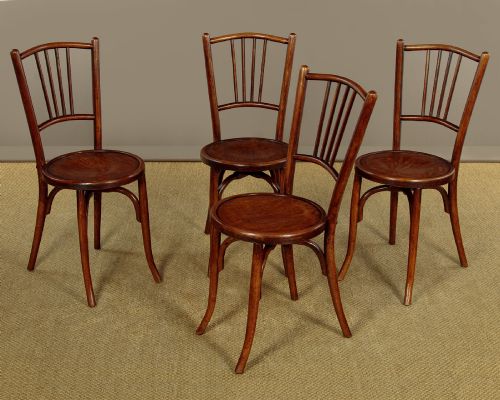
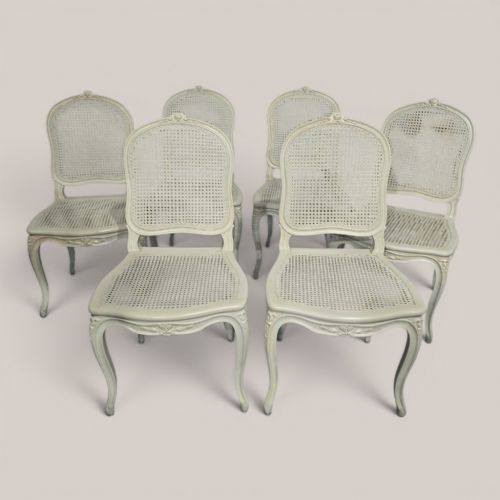
Antique french dining chairs encompass a variety of regional and formal seating from the nineteenth and early twentieth centuries, ranging from rustic ladder-backs to ornate revival pieces. Buyers encounter everything from country oak ladder-back chairs with rush seats to grand walnut sets carved in the Louis XV and Louis XVI styles.
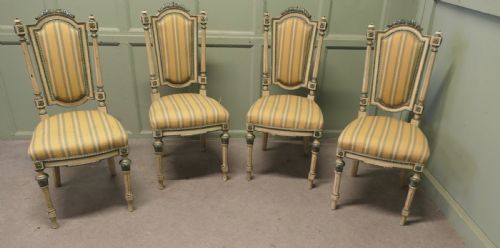
The selection frequently includes provincial pieces alongside formal giltwood and painted salon chairs influenced by neoclassical and baroque revivals. Sets vary from pairs to large groupings of ten or twelve, reflecting the formal dining habits of their original period.
Materials and Construction
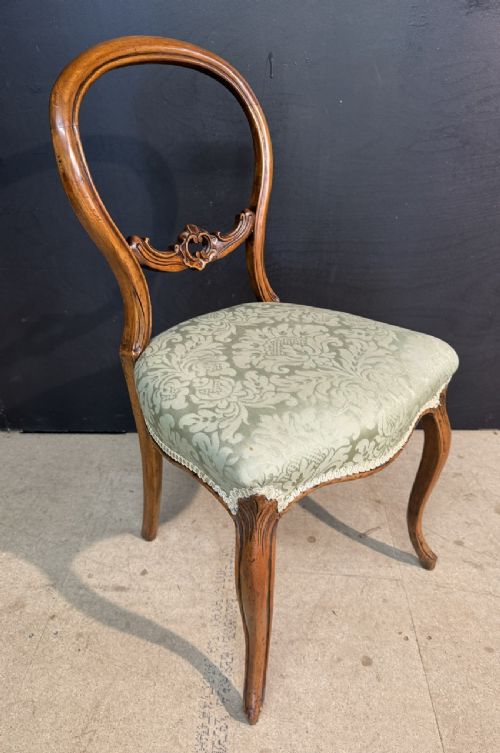
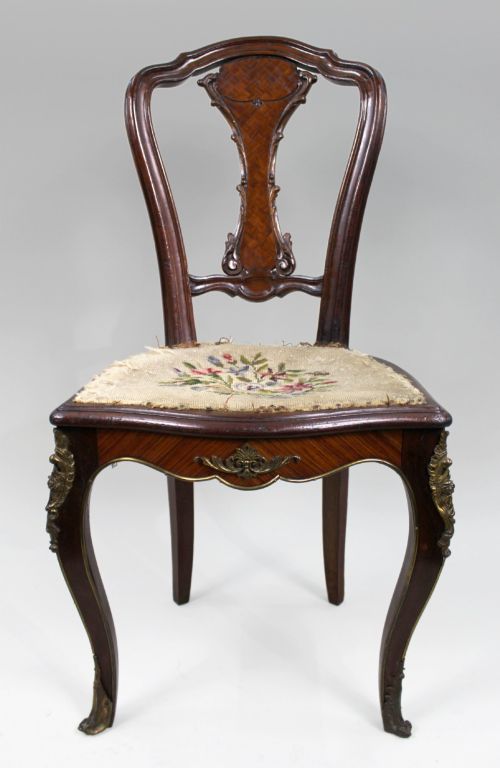
Cabinetmakers utilised sturdy hardwoods such as walnut, oak, beech, and fruitwood to build the structural frames, often joining them with traditional mortise and tenon joints. Carved ornamentation, cabriole legs, and fluted columns display the hand-chiselled work of period artisans.
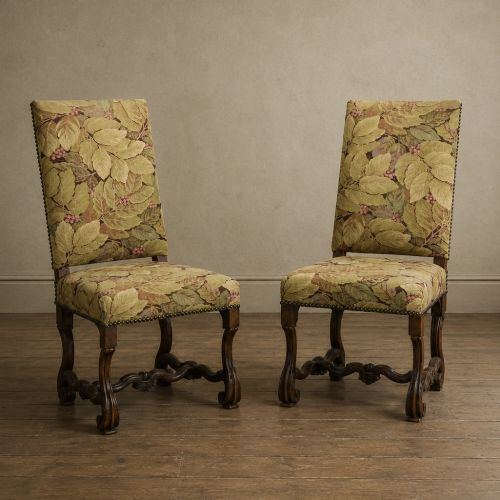
Surface finishes include hand-applied paint, giltwood leaf, and polished wood grains, while seats are traditionally woven from rush or upholstered in silk damask, leather, and woven fabric.
Antique French Dining Chairs Retail Price Guide 2026
Typical asking prices for french dining chairs among the pieces listed under this phrase on Sellingantiques today, from the lower quarter to the upper quarter. They describe what is for sale here now, not the wider market.
Materials span solid walnut, oak, beech, giltwood, paint, and natural rush seating.
Evaluating Quality and Craftsmanship
Quality rests in the crispness of the hand-carved detailing on the crest rail and knees, where deeper, sharper relief indicates superior artisan skill. The integrity of the frame construction and the weight of the timber, particularly dense walnut or seasoned oak, separate robust dining seats from lighter decorative pieces.
Original surface treatments, such as period paint finishes or patinated giltwood, hold greater desirability than later stripping or repainting. Consistency across a matched set further elevates the standing of the furniture.
Codina
The Antique French Dining Chairs Glossary
- Cabriole leg
- A furniture leg that curves outward in a convex arc and tapers inward in a concave arc, mimicking an animal limb. This form appears frequently on Louis XV style seating.
- Rush seat
- A seating surface woven from dried marsh grasses or rushes, commonly found on provincial ladder-back kitchen chairs. It provides a durable and textured platform.
- Giltwood
- Timber coated with a thin layer of gold leaf or gilt paint, utilised to create opulent surfaces on formal revival salon and dining chairs.
- Ladder-back
- A chair back constructed with multiple horizontal wooden slats between the vertical rear uprights. This design characterises regional country seating.
- Ormolu
- Cast bronze mounted details finished in high-gilt, used to embellish mahogany and kingwood frames during the nineteenth century.
Antique French Dining Chairs: Frequently Asked Questions
How do I date antique French dining chairs?
Dating relies upon stylistic markers, timber choices, and construction methods aligned with specific nineteenth and early twentieth-century periods. Revivals of Louis styles often incorporate the technological methods of their actual manufacture date rather than the historical era copied.
Examining joinery and wear patterns helps separate nineteenth-century productions from later twentieth-century interpretations. Cabinetmakers of different decades utilised distinct assembly techniques for stretcher bars and seat rails.
Are ladder-back chairs sturdy enough for daily dining?
Oak and beech ladder-backs with rush seats were built specifically for robust daily use in French country kitchens. Their sturdy hardwood frames withstand regular sitting.
Maintenance involves keeping the rush seating dry and checking the stretcher joints periodically. Simple care preserves the structural integrity for modern dining tables.
What is the difference between provincial and formal styles?
Provincial chairs feature simpler turned or ladder backs, native timbers like fruitwood or oak, and practical rush seating designed for country homes. Formal styles display elaborate giltwood, carved walnut, or mahogany frames with silk damask and ormolu mounts.
Formal versions reflect court aesthetics like Louis XVI and Rococo Revival, whereas provincial pieces embody rural craftsmanship. Both categories offer distinct aesthetic contributions to a dining space.
How do I care for antique painted and gilt finishes?
Painted and giltwood surfaces require gentle dusting with a soft, dry cloth to prevent abrasion of the delicate top layers. Avoiding modern chemical polishes protects the historic finish from degradation.
Keeping the chairs away from direct sunlight and excessive humidity prevents the paint and gold leaf from cracking or flaking. Environmental stability ensures the longevity of the decorative woodwork.