

Antique French Desk Chairs
Antique french desk chairs bring scholarly elegance to a study, blending practical seating with carved walnut, leather, and giltwood.

Antique French Desk Chairs
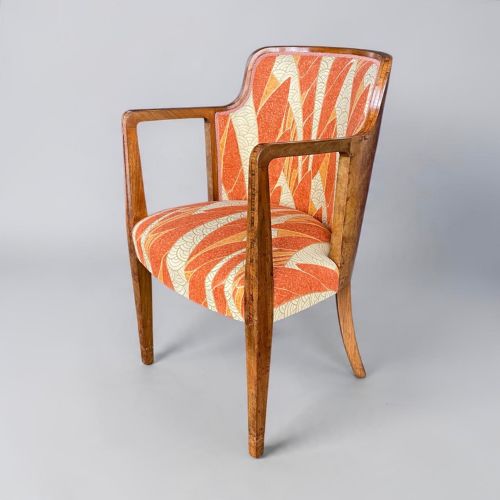
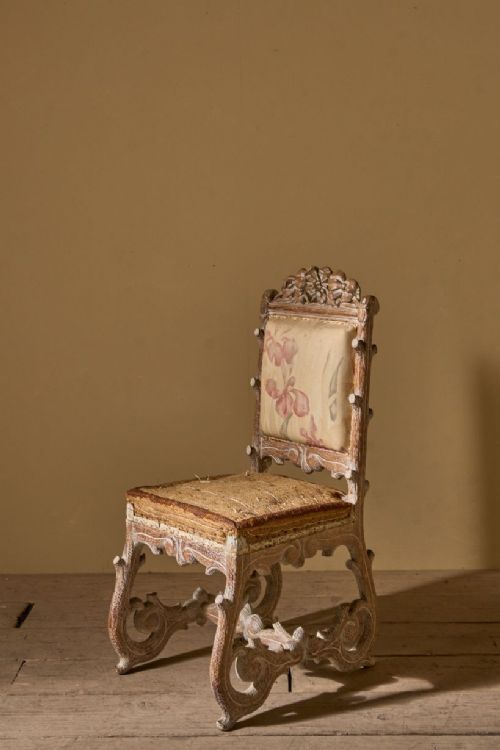
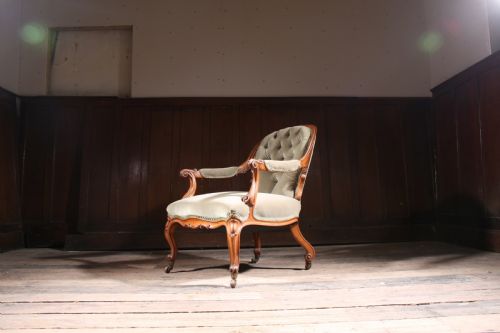
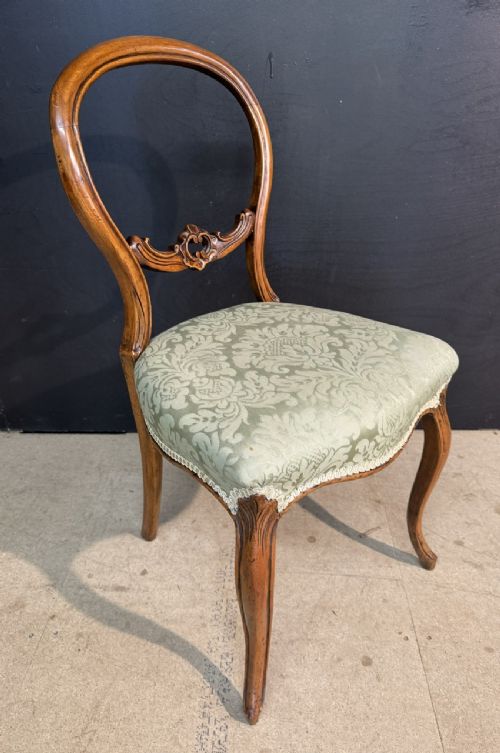
When you search for antique french desk chairs, you encounter seating designed for writing, reading, and study from periods ranging across the eighteenth, nineteenth, and early twentieth centuries. These pieces appear as armchairs, fauteuils, and tub chairs alongside office sets and occasional seating.
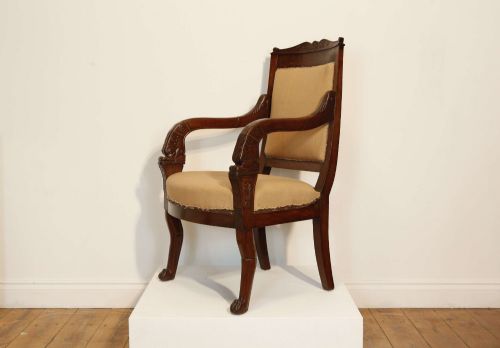
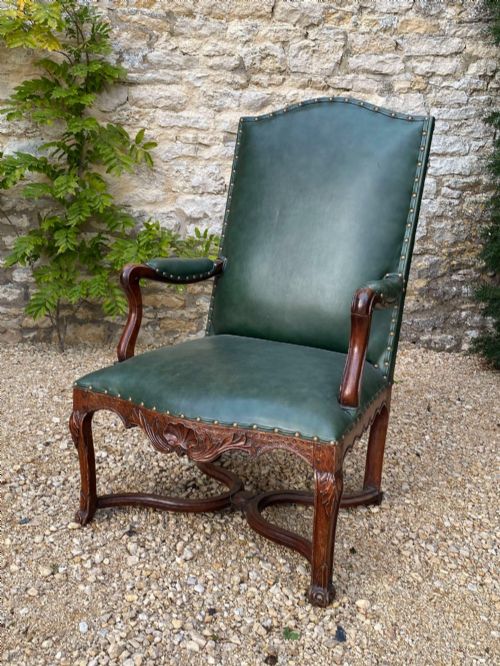
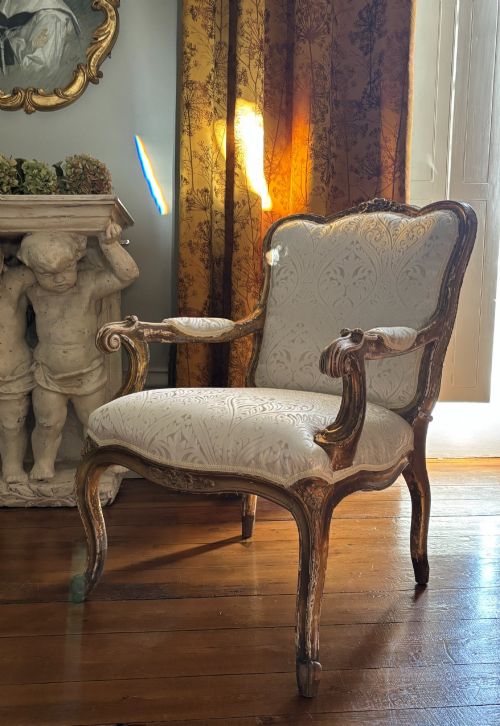
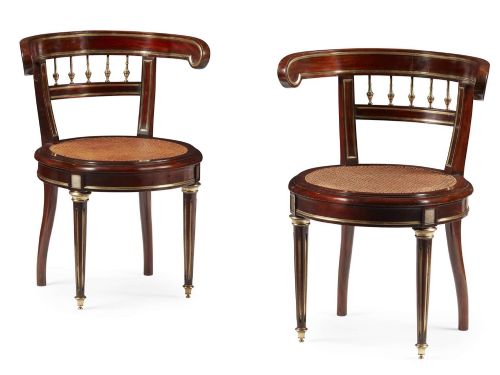
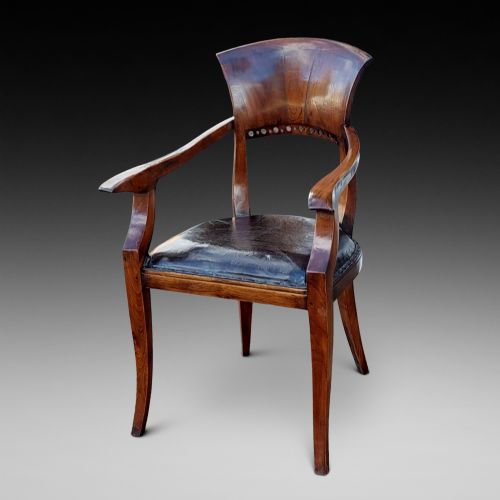
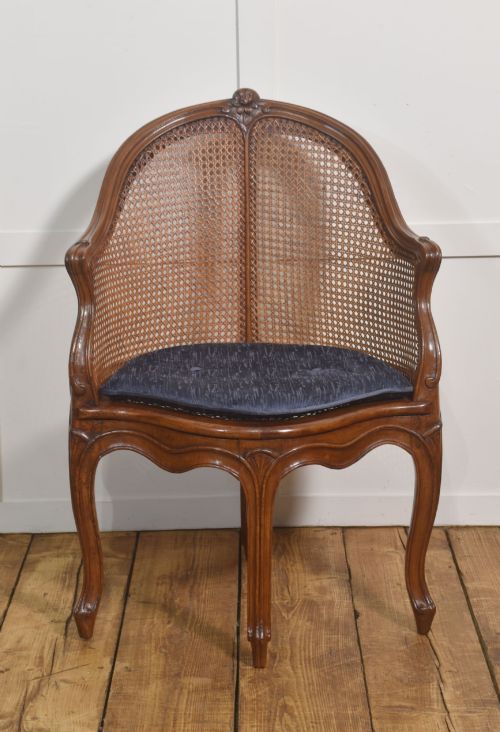
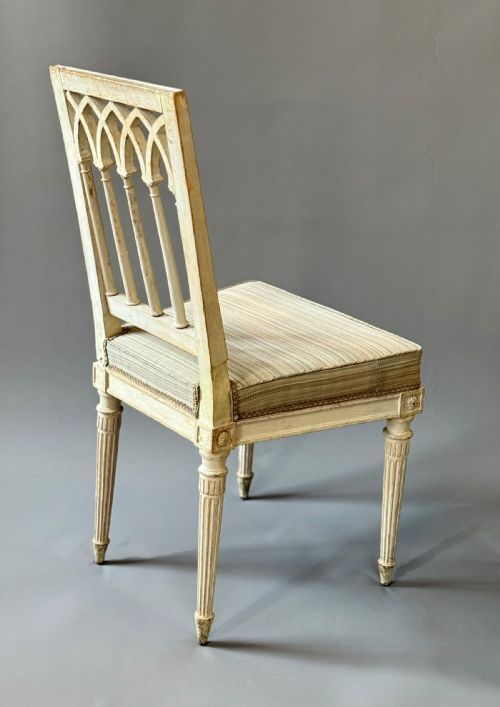
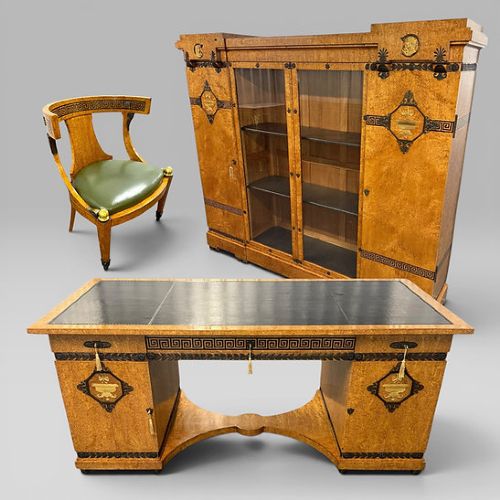
The selections available here lean heavily toward nineteenth-century craftsmanship, including Louis XV style walnut frames, Empire revival mahogany models with ormolu mounts, and dedicated bureau chairs. Forms span from cane-backed tub chairs to leather-upholstered library armchairs.
Makers and workshops of the era produced these seats in varied regional styles such as French Provincial, Neoclassical, and Rococo Revival. A buyer finds both compact vanity chairs and substantial executive library seating.
How they were made
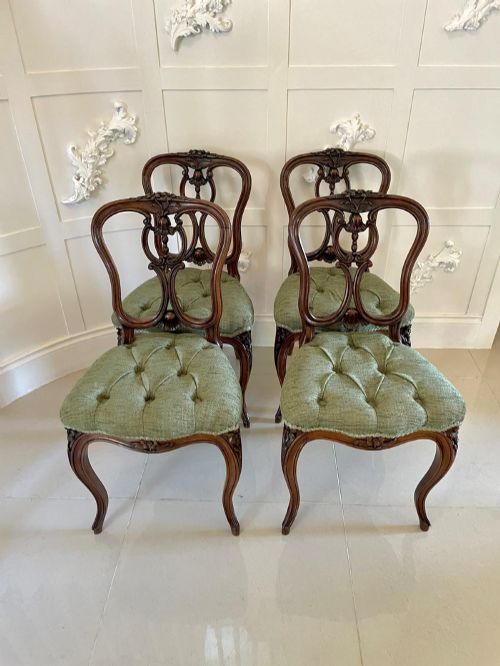
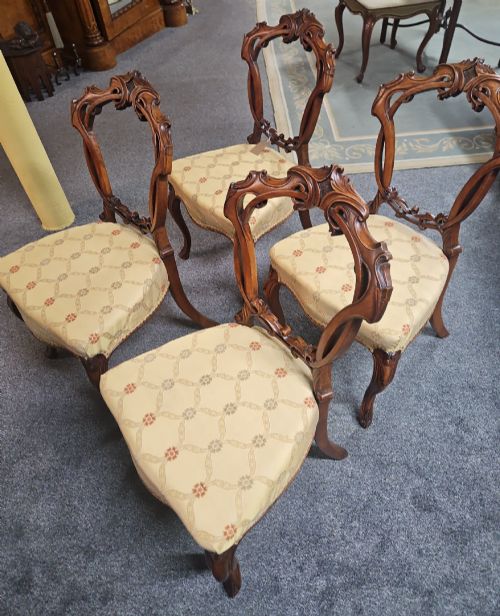
Cabinetmakers utilised hardwoods like walnut, mahogany, kingwood, and rosewood, often shaping the timber into flowing cabriole legs or rigorous neoclassical lines. Carved details frequently featured floral motifs, scroll arms, and structural mouldings.
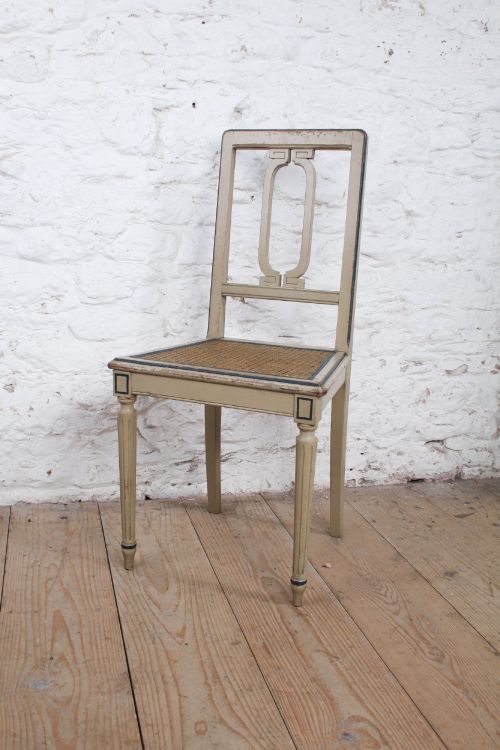
Metal ornamentation played a significant role, with brass and ormolu mounts affixed to mahogany and kingwood structures, particularly on Empire and Neoclassical designs. Caning and painted finishes also appeared alongside traditional upholstery fabrics and leather.
Joinery relied on traditional mortise and tenon construction to withstand daily use at the desk, while surface treatments included French polishing, grey paint, and ebonising.
Antique French Desk Chairs Retail Price Guide 2026
Typical asking prices for french desk chairs among the pieces listed under this phrase on Sellingantiques today, from the lower quarter to the upper quarter. They describe what is for sale here now, not the wider market.
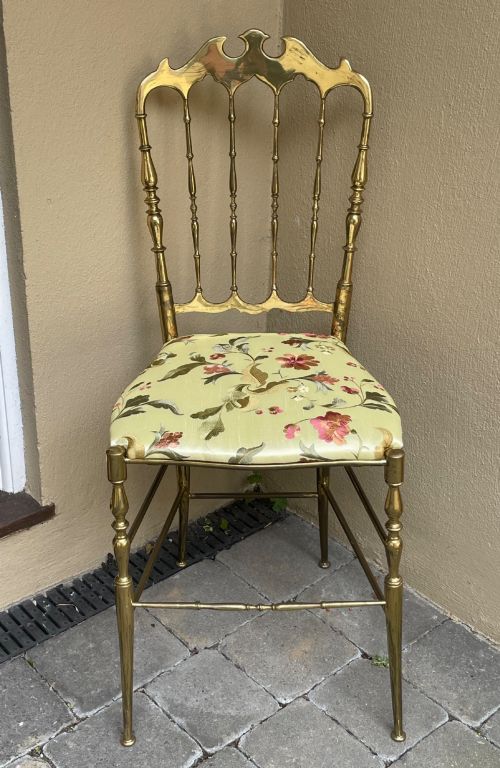
Simulated bamboo side chairs appear among the seating, proving that nineteenth-century makers loved a convincing botanical trick.
What varies in quality
The distinction between ordinary and exceptional antique french desk chairs rests on the crispness of the wood carving and the integration of metal mounts. Superior pieces display deeply carved motifs executed by skilled hands rather than shallow, mechanical stamping.
Materials dictate much of the inherent value, with dense figured mahogany, richly patinated walnut, and fire-gilded ormolu marking out the better examples. Original cane work and period leather upholstery also elevate a piece above standard workshop production.
Mercier Frères·Louis Majorelle
The Antique French Desk Chairs Glossary
- Fauteuil
- An open-arm armchair with upholstered back and seat, typically featuring exposed wooden framing. This form served as a comfortable seat for writing or social discourse.
- Ormolu
- Gilded bronze or brass applied as decorative mounts to furniture frames. It provides metallic contrast against dark woods like mahogany and kingwood.
- Cabriole leg
- A furniture leg that curves out and then in, resembling the leg of an animal. It forms a defining characteristic of Louis XV and Rococo Revival seating.
- Parquetry
- Geometric wood-mosaic work used to veneer flat surfaces on tables and chairs. Master cabinetmakers arranged contrasting timber grains to create intricate patterns.
- Bergere
- An enclosed upholstered armchair with closed sides, often incorporating cane panels. It offers a deep, supportive seat ideal for libraries and studies.
Antique French Desk Chairs: Frequently Asked Questions
What is the difference between Empire and Louis XV styles?
Empire pieces feature rigid symmetry, dark mahogany, and heavy classical brass mounts reflecting Napoleonic taste.
Louis XV items display asymmetrical curves, cabriole legs, and delicate floral carvings that emphasise lightness and fluid motion.
Can I use an antique desk chair daily?
Solid hardwood frames and sturdy joinery make these chairs entirely suitable for regular modern seating.
Ensure the structure remains firm and the leather or fabric upholstery is stable before putting the chair into active daily service.
How should I care for antique wood and leather?
Maintain the timber by applying traditional beeswax sparingly to nourish the grain without building up heavy residues.
Condition leather upholstery gently with specialised saddle soaps or creams to prevent cracking while preserving the historical patina.