


Inlaid Wooden Accent Chairs
These inlaid wooden accent chairs combine decorative skill with practical seating, offering distinctive character for any room.
Inlaid Wooden Accent Chairs
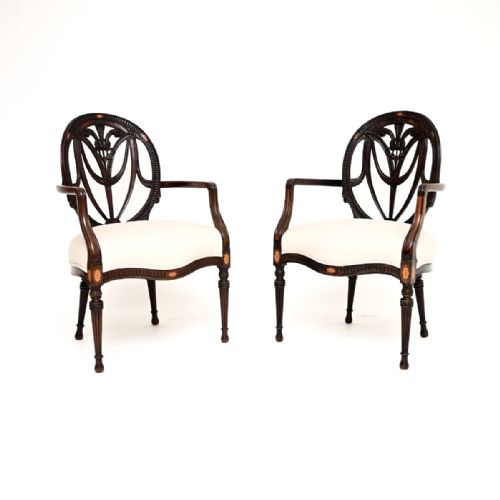
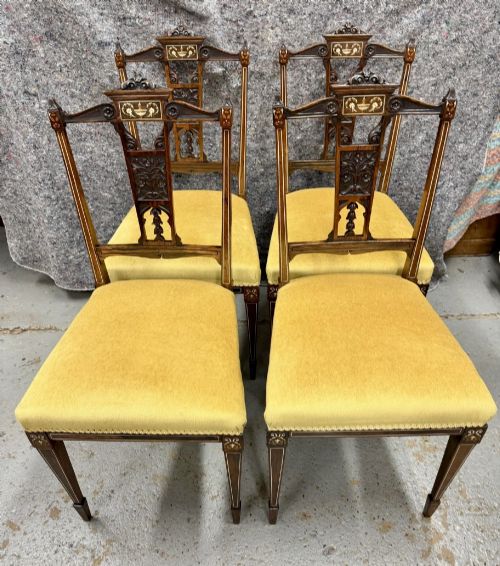
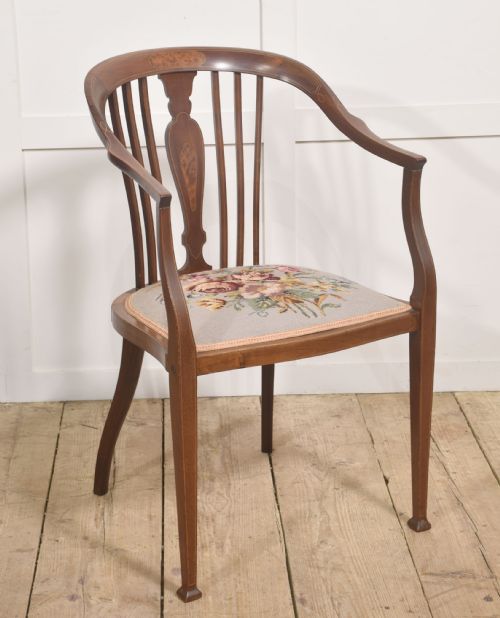
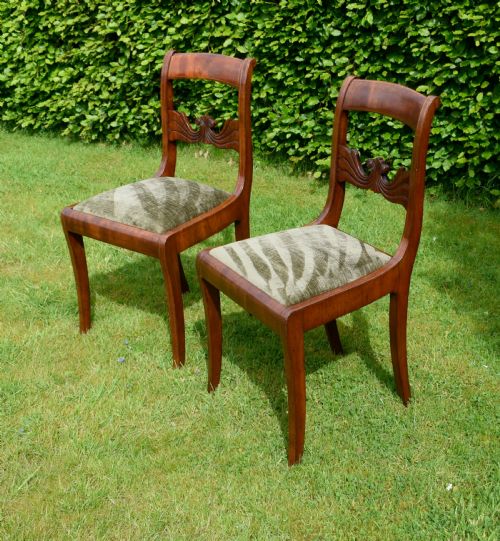
These pieces are inlaid wooden accent chairs, designed to serve as both functional seating and decorative focal points in a room. You will encounter various seating forms here, including armchairs, side chairs, occasional chairs, and rocking chairs.
The selection draws heavily from the Edwardian period and the nineteenth century, alongside specific regional designs. Mahogany and satinwood frequently form the foundation, paired with detailed surface embellishments.
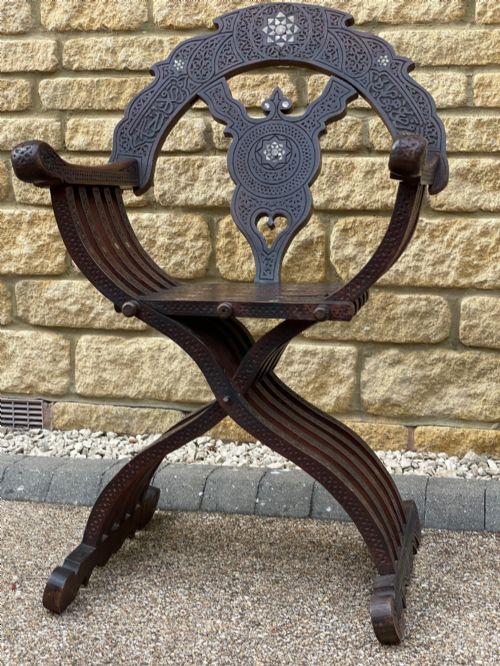
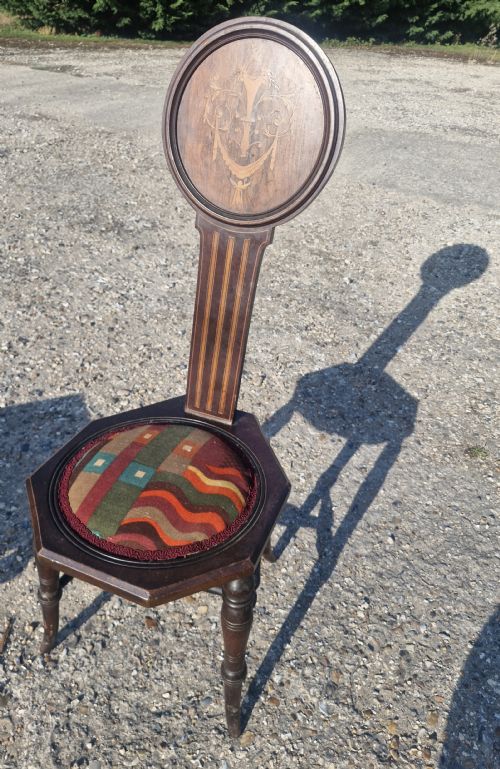
Moorish Revival, Sheraton Revival, and Art Nouveau styles shape the visual identity of these chairs. You will find items intended for bedrooms, morning rooms, and occasional use rather than heavy daily dining.
How they were made
Cabinetmakers utilised primary hardwoods such as mahogany, walnut, and rosewood, often contrasting darker timbers with lighter satinwood inlay. Marquetry and wood inlay techniques create intricate floral, geometric, or scrolling patterns across the backrests and frames.
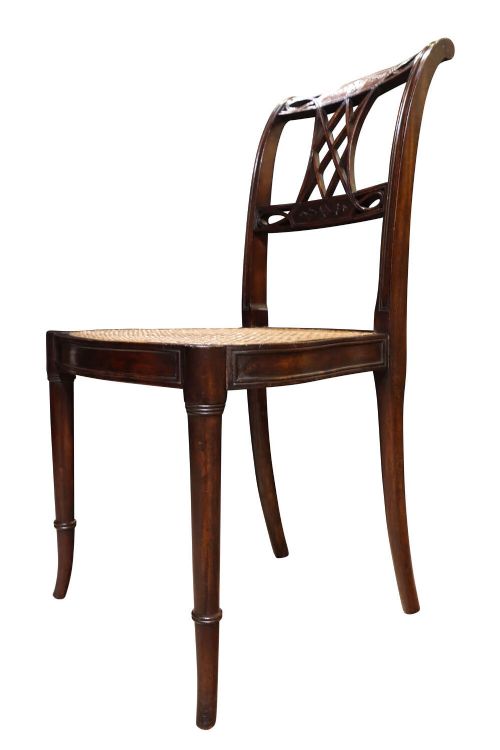
Certain regional workshops incorporated alternative materials, integrating brass, bone, or mother-of-pearl directly into the wooden framework. Cane seating, upholstered pads, and carved elements further complement the inlaid surfaces.
The listings feature mahogany and satinwood timbers across Edwardian and nineteenth-century occasional chairs.
What varies in quality
The precision and complexity of the inlay work dictate much of the piece's distinction, separating simple border lines from elaborate pictorial marquetry. Finer examples display tight, seamless joints where contrasting woods or inlaid materials meet the primary timber.
The choice of cabinet wood and the integrity of the underlying structure also determine overall merit. Chairs that retain balanced proportions, sound joinery, and well-preserved surface detailing stand apart from standard production items.
Shoolbred
The Inlaid Wooden Accent Chairs Glossary
- Marquetry
- A decorative technique applying pieces of veneer to a structure to form intricate pictorial designs. It transforms flat wooden surfaces into ornamental panels using contrasting timbers.
- Satinwood
- A durable, yellowish-gold timber frequently utilised for stringing and inlay work. Its bright colour provides a sharp contrast against darker woods like mahogany.
- Savonarola chair
- A folding chair constructed from multiple curved wooden slats intersecting in an X shape. This historic form appears in regional Syrian and Italian designs.
- Carver armchair
- A wooden armchair, often designed for use at the head of a table or as an occasional seat. These frames frequently feature upholstered elbow rests and decorative back rails.
Inlaid Wooden Accent Chairs: Frequently Asked Questions
Where should I place an accent chair?
These chairs suit bedrooms, hallways, and corners of living spaces where extra seating is useful but heavy furniture is impractical.
Because many feature delicate inlay or cane seats, they function best as occasional furniture rather than primary lounging chairs.
How do I identify an Edwardian chair?
Edwardian pieces often utilise lighter mahogany frames paired with satinwood inlay and slender proportions. They reflect revival styles that draw inspiration from earlier Georgian aesthetics.
Construction methods and timber selection help distinguish these twentieth-century items from genuine nineteenth-century antiques.
What is Moorish Revival style?
Moorish Revival furniture incorporates intricate geometric patterns, often using materials like brass, bone, or mother-of-pearl inlay. These pieces reflect nineteenth-century European interest in Islamic design.
Syrian and regional workshops produced distinctive folding frames and armchairs within this tradition.
How do I care for inlaid wood?
Keep inlaid wooden chairs away from direct sunlight and sudden temperature shifts to protect the veneer and adhesives. Dust the surfaces gently with a dry cloth and avoid harsh chemical polishes.
Maintaining stable humidity prevents the delicate wood inlays from lifting or shrinking over time.