



Antique French Column
Antique french column items bring classical architectural form into interiors, appearing in furniture supports, lighting, and decorative desk models.
Antique French Column
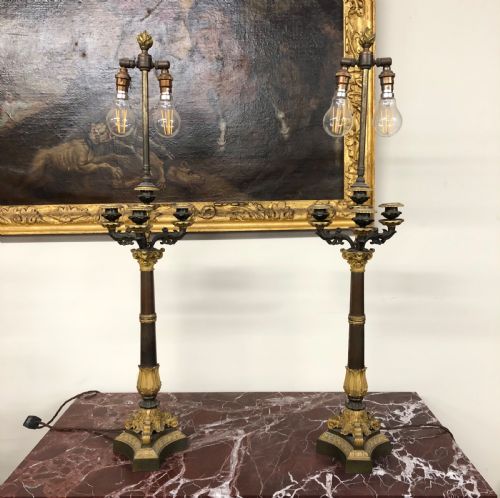
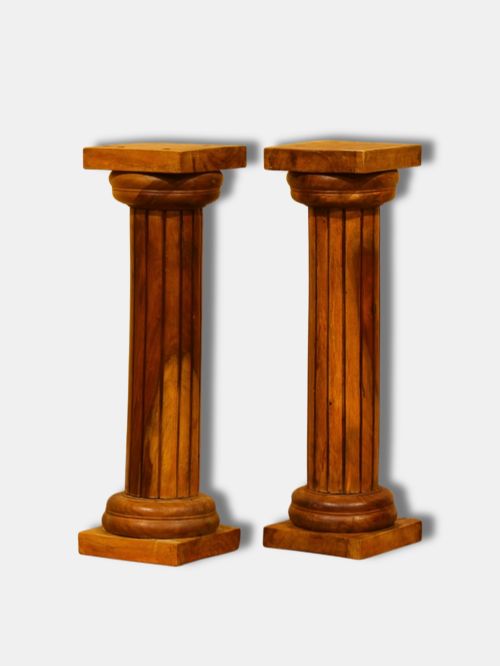
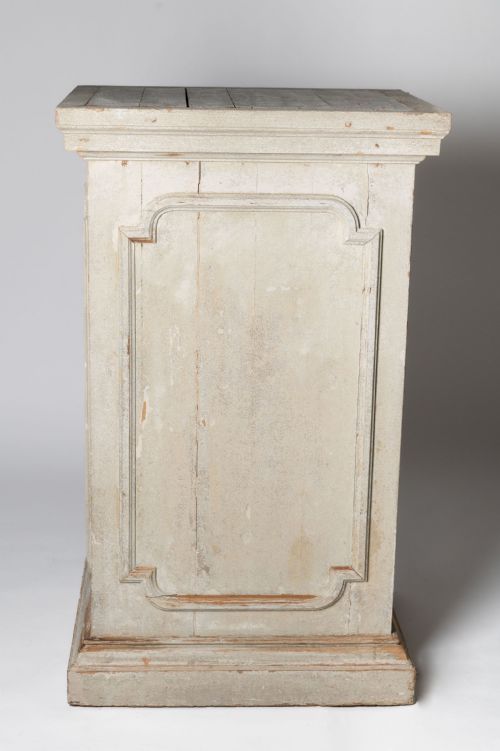
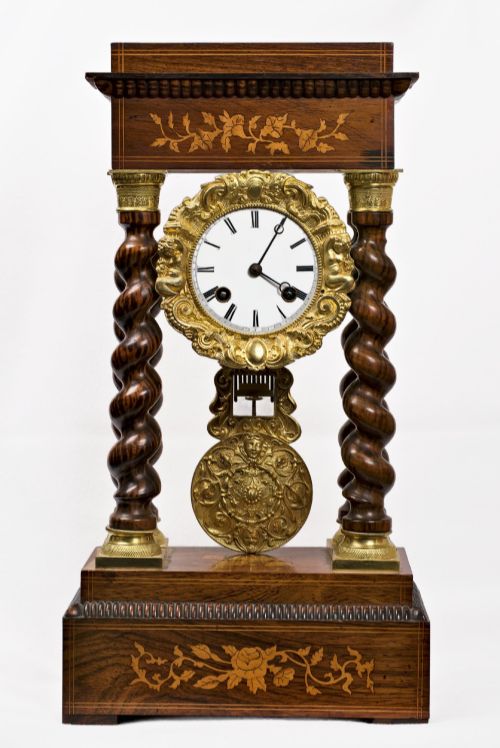
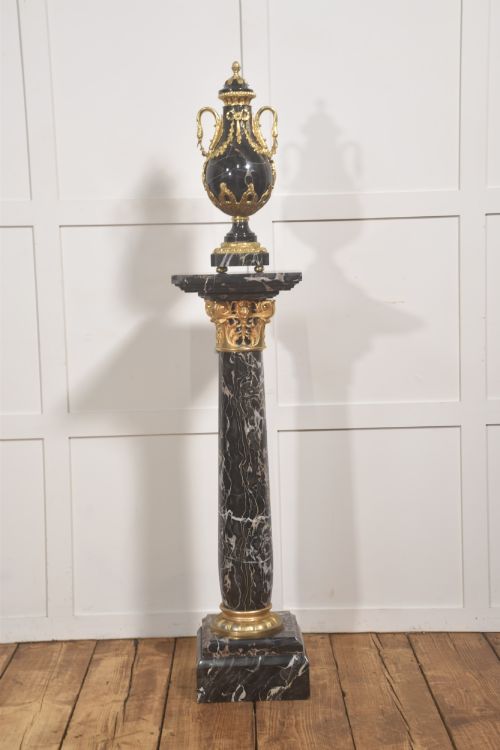
When searching for an antique french column, buyers encounter items ranging from carved wooden display pedestals and plant stands to architectural table lamps and mantel clock garnitures. The category also encompasses Grand Tour bronze models cast in the likeness of historical monuments like the Vendôme Column.
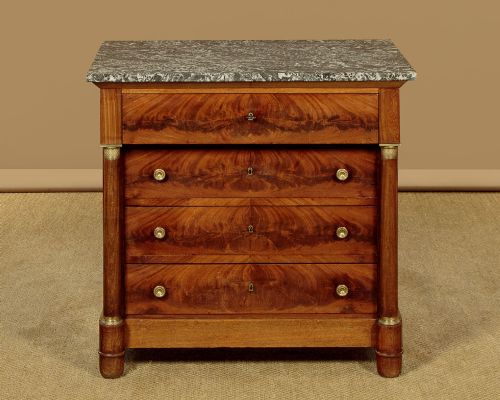
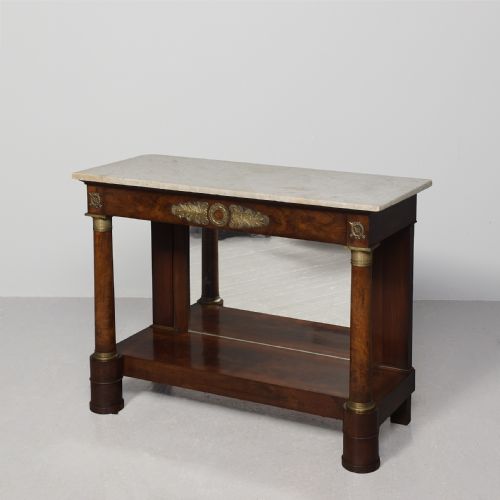
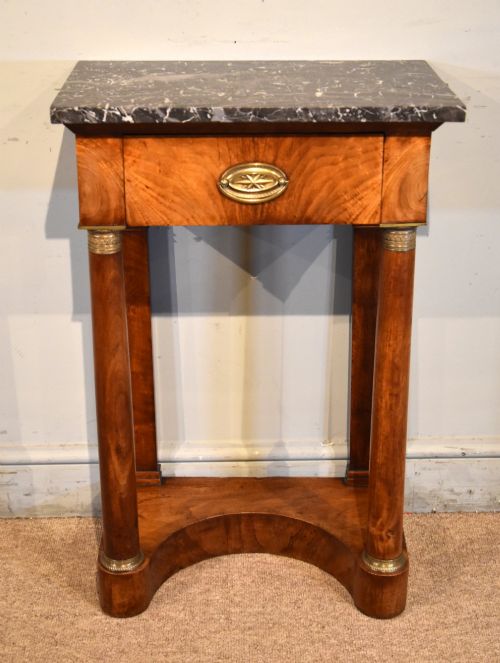
Nineteenth-century examples dominate the selection, crossing stylistic eras from French Empire and Charles X to Neoclassical and French Renaissance Revival. These pieces utilise columnar supports either as structural elements in furniture and portico clocks or as independent display plinths.
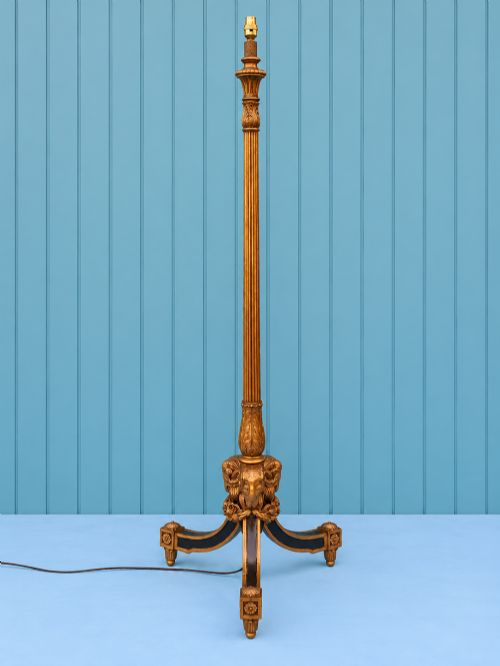
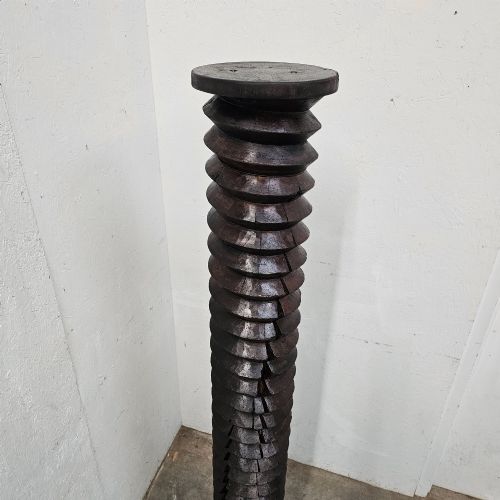
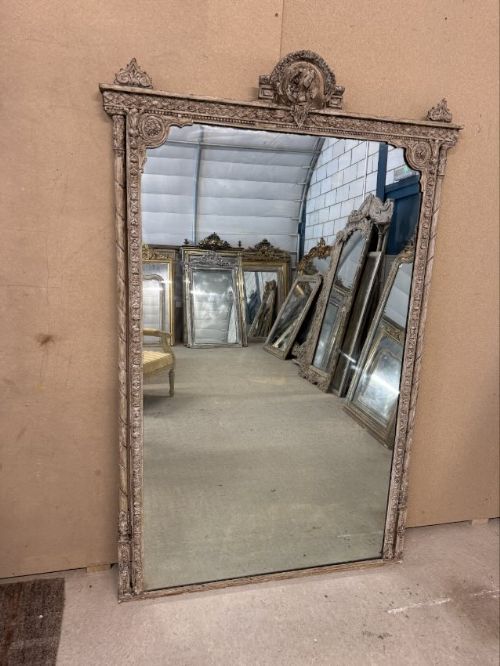
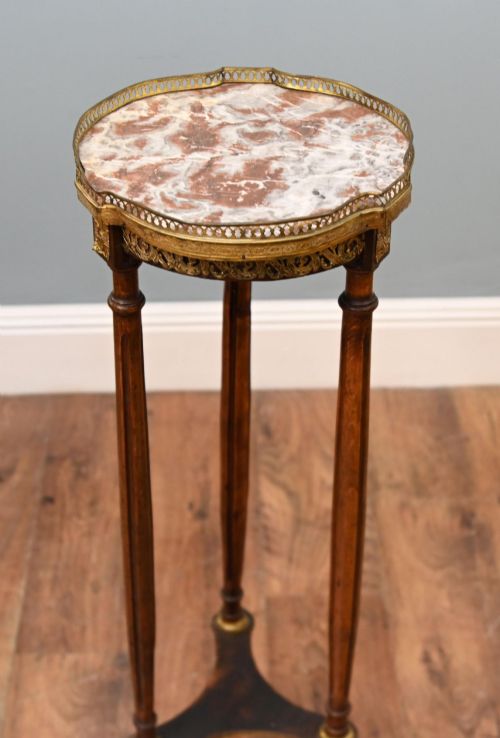
Floor-standing torchieres and small occasional tables frequently employ turned wooden columns, while smaller decorative objects rely on cast metal or stone shafts. Buyers will also find wall mirrors framed by carved wooden column designs.
Materials and construction methods
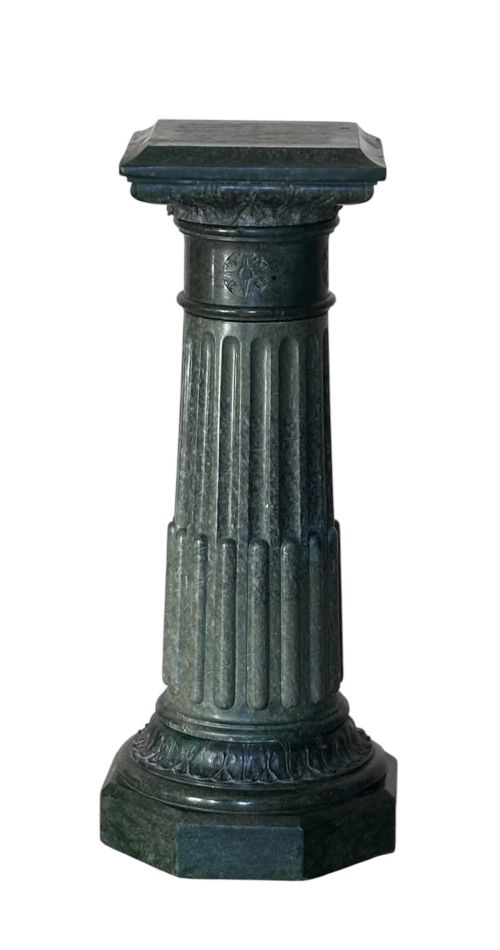
Marble and onyx provide the heavy, solid stone foundations for many column stands and clock bodies, often paired with cast brass or ormolu collars and capitals. Woodwork spans solid mahogany, ebonised timber, oak, and rosewood, sometimes decorated with gilt highlights or inlay work.
Ormolu mounts, cast in bronze and treated with a high-quality gold wash, decorate the tops and bases of stone and wooden shafts. Carved wood and gesso frames form the structural support for column-motif wall mirrors, frequently finished with paint or original gilding.
Antique French Column Retail Price Guide 2026
Typical asking prices for french column among the pieces listed under this phrase on Sellingantiques today, from the lower quarter to the upper quarter. They describe what is for sale here now, not the wider market.
Travellers once packed miniature bronze columns in their luggage to prove they had stood in Paris squares.
Factors determining quality
The precision of the metal casting and the crispness of the carving set fine examples apart from standard decorative pieces. Ormolu components with deep, sharp chasing and heavy mercury gilding demonstrate superior workshop standards compared to lighter, cast-brass alternatives.
The selection of raw materials influences overall merit, with figured timbers, unblemished onyx, and dense marbles representing the higher tier of production. Integrity of surface finish, whether original paint, patinated bronze, or fire gilding, preserves the piece's historical context.
The Antique French Column Glossary
- Ormolu
- A gilded bronze technique utilising finely ground high-carat gold amalgamated with mercury, applied to bronze mounts on clocks and furniture.
- Portico clock
- A mantel clock featuring a architectural case supported by columns, popular during the Empire and Louis Philippe periods.
- Grand Tour
- Souvenirs purchased by travellers in the eighteenth and nineteenth centuries, including small bronze models of famous columns.
- Guéridon
- A small French occasional table supported by a central pillar or column rather than standard side legs.
- Torchiere
- A tall stand or candlestick designed to hold a light source, frequently fashioned with a prominent column shaft.
Antique French Column: Frequently Asked Questions
What periods do these columns come from?
The available pieces primarily date from the nineteenth century, spanning the French Empire, Charles X, and Victorian eras.
Earlier examples from around 1800 and later pieces from the early twentieth century also appear within the selection.
How were column table lamps constructed?
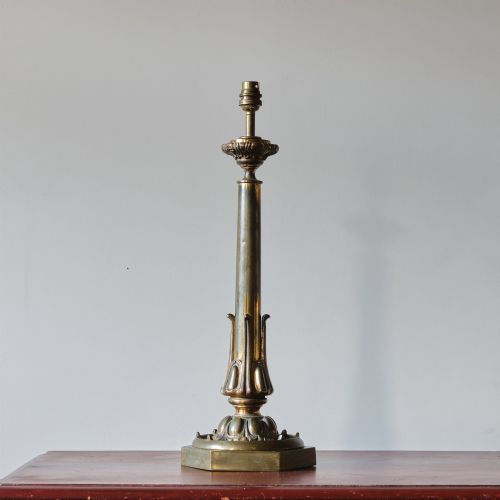
Many lamps utilise converted nineteenth-century candelabras, candlesticks, or miniature architectural columns mounted with electrical fittings.
Materials range from turned timber and ebonised wood to solid marble shafts with cast ormolu collars.
What is a portico clock?
A portico clock is a mantel timepiece built with a distinct architectural case where the dial is suspended beneath a lintel supported by two or more columns.
These clocks frequently incorporate wood veneers like mahogany or rosewood alongside decorative ormolu mounts.
Where were Grand Tour column models made?
Grand Tour models were cast by European foundries for travellers visiting historical sites in France and Italy during the nineteenth century.
They replicate monuments such as the Vendôme Column in bronze or ormolu.