



Antique French Column Stand
An antique french column stand brings architectural presence to a room, serving to elevate sculpture, urns or plants with classical dignity.
Antique French Column Stand
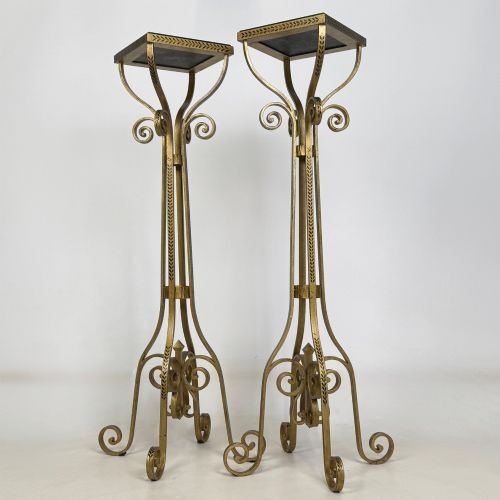
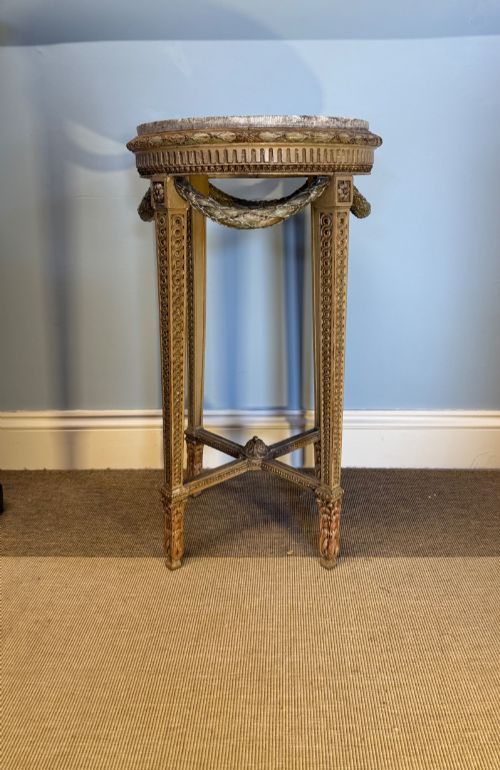
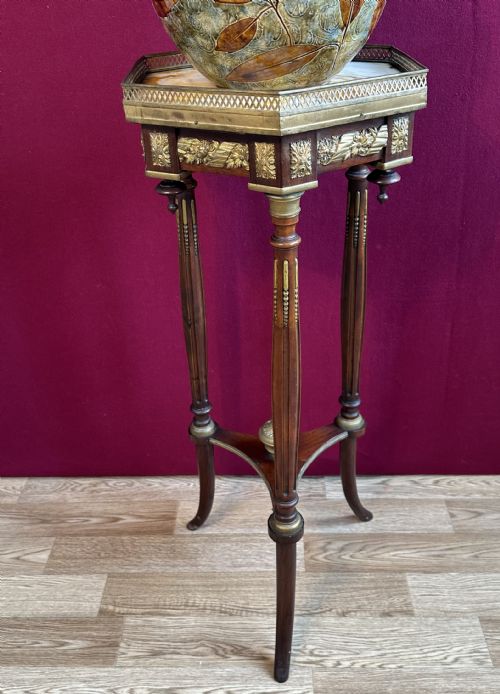
When you search for an antique french column stand, you encounter tall display pieces designed to elevate decorative objects within a room. These forms appear predominantly from the nineteenth century, finished in styles spanning Louis XVI Revival, French Empire, and Neoclassical designs.
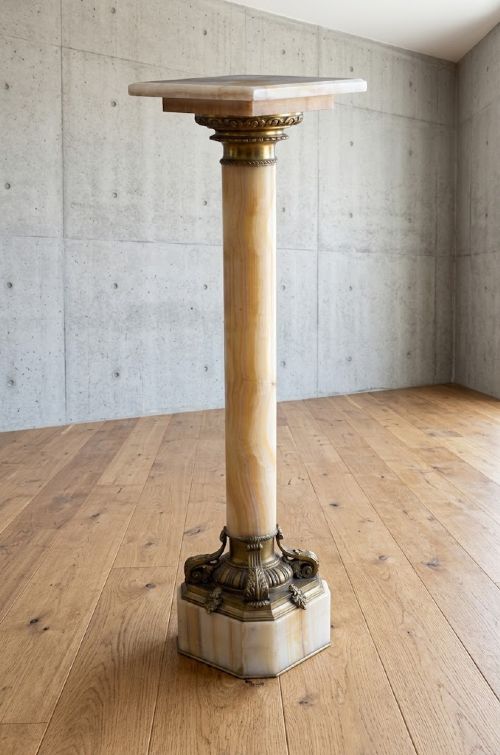
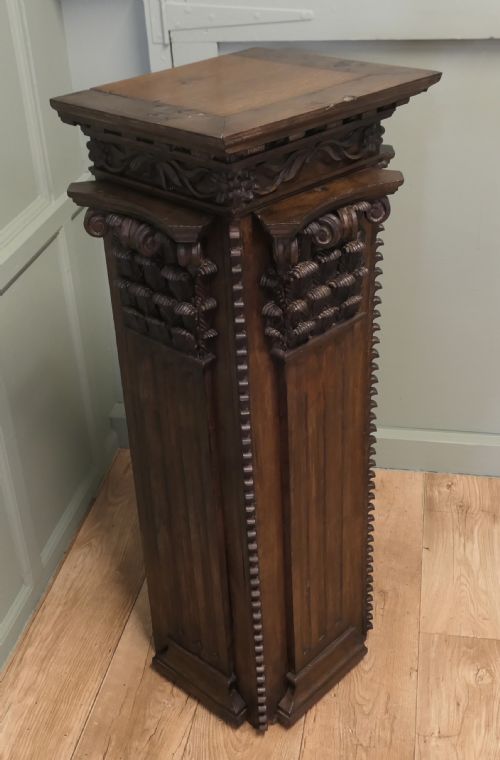
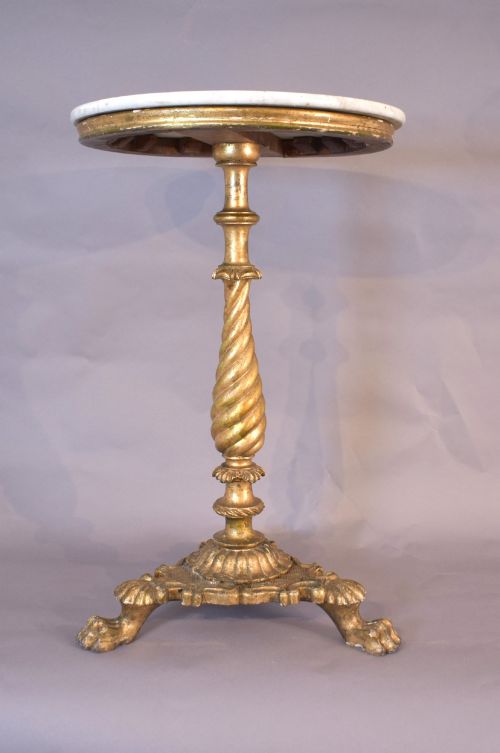
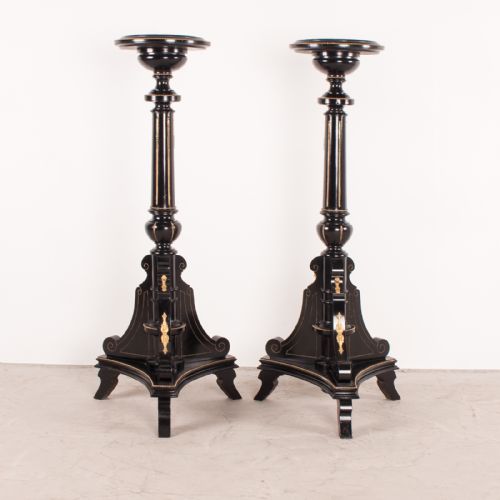
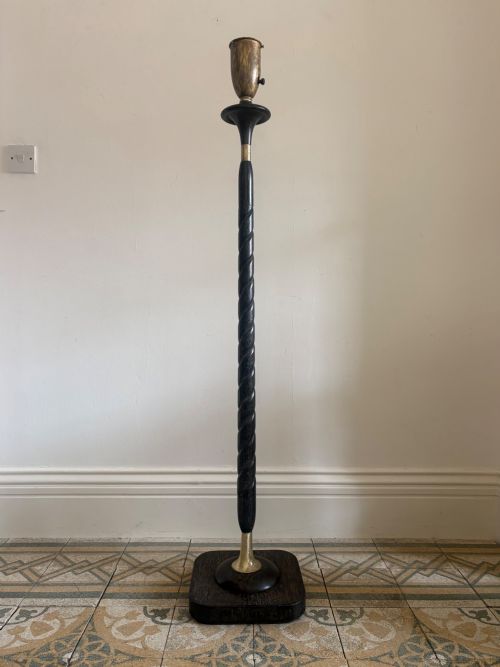
The selections on this page encompass various iterations including marble columns with ormolu collars, onyx plant stands, and carved wooden torcheres. These pieces function as architectural accents, lifting busts, urns, and flora to eye level in a traditional interior.
Materials and construction methods
The construction relies heavily on stones such as marble, onyx, and alabaster, frequently paired with cast metals like brass and ormolu. Artisans shaped these dense materials into monolithic shafts, often securing them with decorative metal collars and bases.
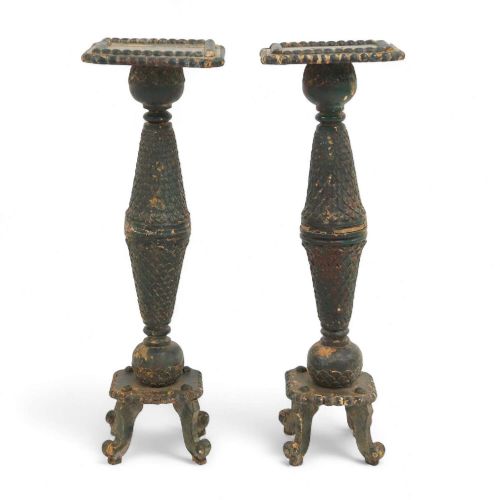
Timber versions employ woods including mahogany, walnut, oak, and kingwood, occasionally enhanced with giltwood, gesso, or painted finishes. Carved details and turned elements demonstrate traditional cabinet-making techniques applied to structural supports.
Napoleon Bonaparte makes a stone-faced cameo appearance on a towering nineteenth-century pedestal.
Distinctions in craftsmanship and materials
Quality reveals itself in the selection of the stone and the crispness of the metalwork mounts. Fine examples feature richly veined marble or unblemished onyx shafts coupled with heavily chased ormolu or cast brass detailing rather than plain pressed metal.
Structural integrity and the depth of surface carving separate standard items from exceptional ones. Solid wood carving, original paint or gilding, and substantial weight indicate superior workshop production.
Marguerite
The Antique French Column Stand Glossary
- Ormolu
- Gilded bronze mounts applied to furniture and decorative columns. This technique creates a bright metallic contrast against dark stone or wood.
- Torchere
- A tall ornamental stand designed to hold a light or display an object. These pieces frequently feature slender columns or tripods.
- Plinth
- The heavy base or lower block supporting a column or bust. It provides stability and visual weight to the structure.
- Vert De Patricia
- A specific green marble variety seen on nineteenth-century French columns. Its distinctive coloration mimics aged patinated copper.
- Vernis Martin
- A type of simulated oriental lacquer developed in France during the eighteenth century. It appears on fine decorative stands and furniture panels.
Antique French Column Stand: Frequently Asked Questions
What were antique french column stands used for?
These tall supports served primarily to elevate decorative objects such as marble busts, bronze urns, and heavy plant pots within grand reception rooms. By raising sculptures above floor level, interiors could display art with greater architectural emphasis.
They also functioned as lighting stands, holding candelabras or lamps to illuminate dark corners of a salon. Their dual role as furniture and architectural pedestals made them popular in formal French interiors.
How do I style a column stand at home?
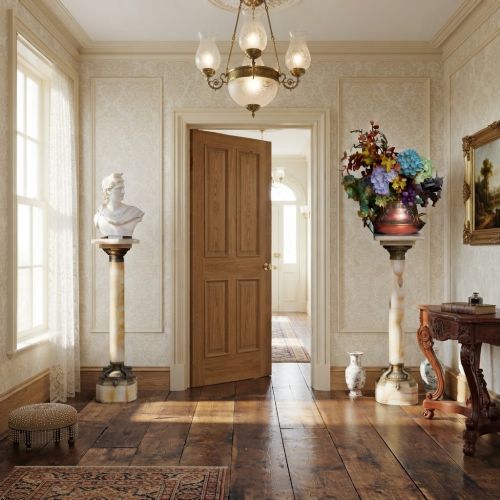
Place a single column in an empty corner to add vertical line and architectural interest to a plain room. Topping it with a heavy ceramic bowl, a trailing plant, or a bronze figure creates an immediate focal point.
Pairs of columns work effectively when positioned symmetrically flanking a doorway, fireplace, or large mirror. Ensure the weight of the object placed on top matches the structural capacity of the stand.
How do I tell nineteenth century pieces apart?
Examine the material combinations and the style of the decorative mounts to determine the period. Nineteenth-century pieces frequently lean towards Louis XVI Revival or Empire aesthetics, utilising heavy verde antique or rouge marble paired with cast ormolu collars.
Look closely at the construction joints beneath the base and the wear on the stone or timber. Hand-chased brass fittings and natural stone variations generally point to nineteenth-century workshop production rather than later reproduction.
Are marble columns heavy to move?
Solid stone columns possess substantial weight due to the density of marble, onyx, and alabaster shafts. Moving them usually requires two people to prevent tipping or damaging the delicate ormolu mounts and stone edges.
The base often contains the heaviest concentration of mass to ensure the tall structure remains stable when supporting a heavy urn or bust on top.