





Neoclassical Wood Pedestals
Neoclassical wood pedestals are architectural supports and display columns derived from classical antiquity, shaped by nineteenth- and early twentieth-century revivals.
Neoclassical Wood Pedestals
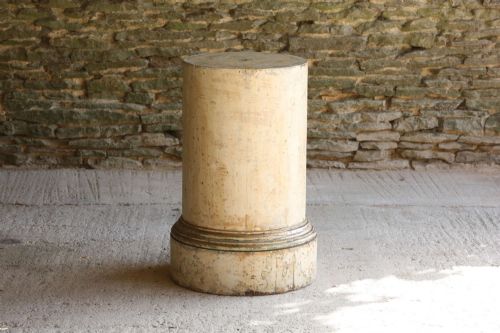
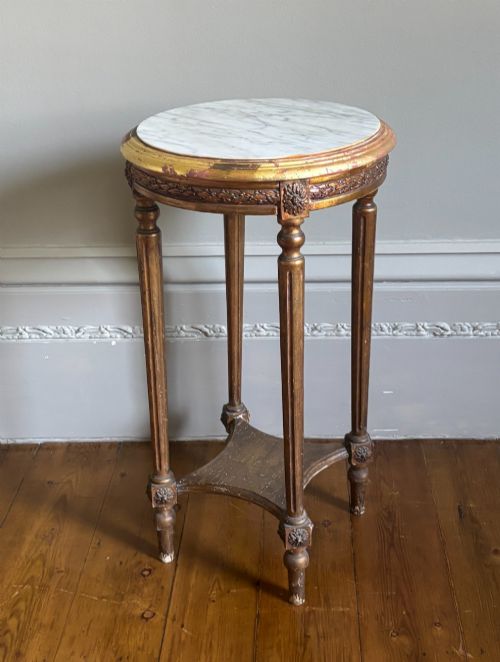
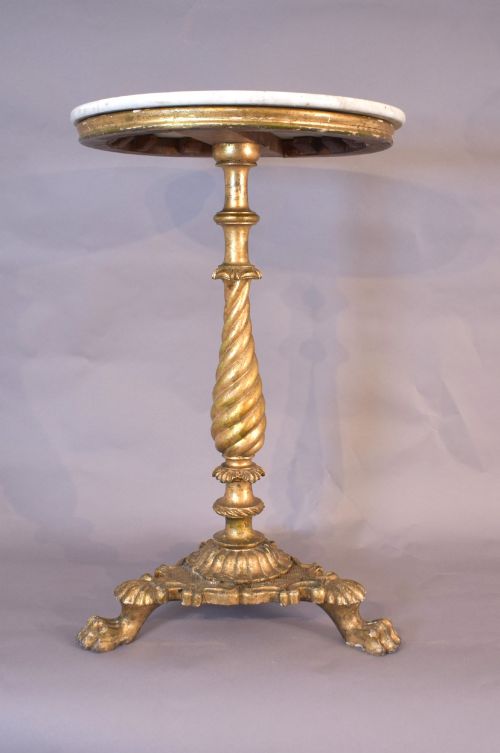
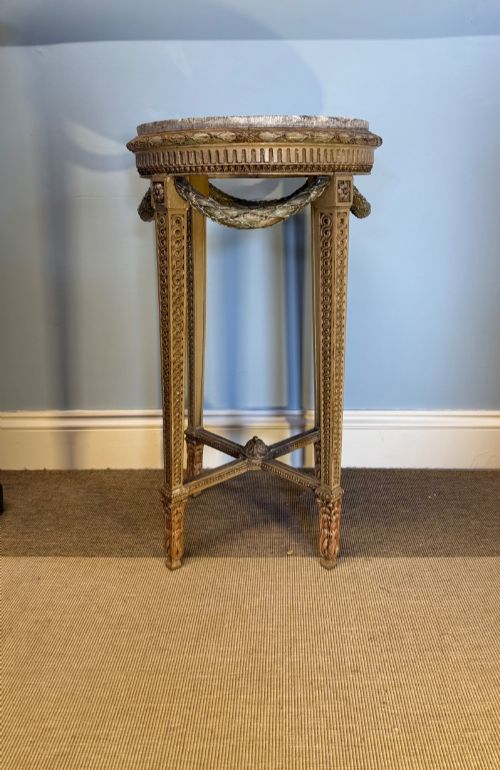
Neoclassical wood pedestals encompass freestanding columns, plinths, and torchères designed to elevate sculptures, urns, or lamps within a room. These pieces reflect the enduring influence of classical antiquity through architectural proportions and restrained ornamentation.
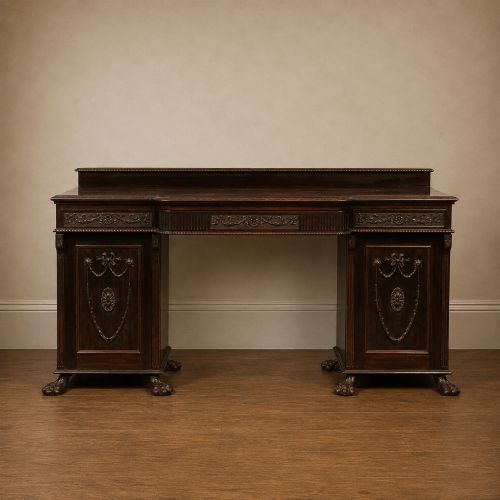
The selection ranges from nineteenth-century Swedish and French Empire examples to later Edwardian and revival pieces. Forms vary from simple circular columns to tripod stands and architectural pedestals.
Makers and workshops often drew upon regional interpretations, producing painted, parcel-gilt, or polished mahogany surfaces. Buyers encounter both single columns and matched pairs intended to create symmetrical displays.
How they were made
Makers constructed these supports primarily in mahogany, birch, and various softwoods destined for painted or gilded finishes. Solid timbers and turned sections formed the core structures, occasionally combined with applied gesso and carved wooden details.
Surface decoration frequently involved faux marble painting, parcel-gilt highlights, or intricate marquetry inlay. Brass and ormolu mounts were added to French Empire and revival examples to accent the timber frames.
Neoclassical Wood Pedestals Retail Price Guide 2026
Typical asking prices for neoclassical wood pedestals among the pieces listed under this phrase on Sellingantiques today, from the lower quarter to the upper quarter. They describe what is for sale here now, not the wider market.
Selected nineteenth-century wood pedestals conceal secret compartments inside their columns.
What varies in quality
The standard of carving and surface finish defines the upper tiers of these pieces. Crisp detail in the acanthus leaves, fluting, or figurative elements separates masterwork joinery from simpler turning.
Material selection and the execution of painted or gilded finishes dictate overall refinement. Authentic period patination and finely fitted joints demonstrate superior craftsmanship across nineteenth- and twentieth-century workshops.
The Neoclassical Wood Pedestals Glossary
- Torchère
- A tall ornamental stand designed to support a lamp or candle. These elevated supports frequently feature tripod bases or slender columns.
- Gesso
- A plaster-like mixture applied to wood surfaces to prepare them for painting or gilding. This material allows for crisp relief moulding before the final finish is applied.
- Ormolu
- Gilded bronze mounts applied to furniture and decorative woodwork. These metal fittings characteristic of French Empire design contrast sharply with dark mahogany timbers.
- Plinth
- The lower square block or base supporting a column or pedestal. It provides stability and grounds the architectural proportions of the piece.
- Parcel-gilt
- Woodwork decorated with partial gilding applied only to specific carved highlights. This technique enhances architectural details against a painted or polished background.
Neoclassical Wood Pedestals: Frequently Asked Questions
What were pedestals used for?
These pieces served primarily to elevate decorative objects, bronze urns, or lamps to optimal viewing heights within classical interiors. They functioned as functional furniture that added architectural dignity to domestic spaces.
In grand reception rooms, paired columns structured the layout and framed doorways or focal points. Their sturdy timber construction supported heavy marble tops and ornamental collections.
How do I style a pedestal at home?
Place a single column in an empty corner or hallway to display a sculptural object, vase, or table lamp. Taller torcheres work well alongside seating areas to introduce vertical line and ambient lighting.
Matched pairs function effectively on either side of a sideboard, fireplace, or doorway for balanced symmetry. Ensure the weight of the displayed object complements the load-bearing capacity and platform diameter of the stand.
How do I tell nineteenth-century pieces apart?
Examine the timber species, joinery methods, and surface preparation beneath any painted or gilded finish. Nineteenth-century examples often display hand-turned wood grain and traditional assembly techniques distinct from later mass production.
Stylistic cues such as French Empire or Regency motifs help narrow the date range alongside underlying material wear. Swedish and German workshop practices also leave distinct technical signatures on the internal framing.