



French Style Pedestal Table
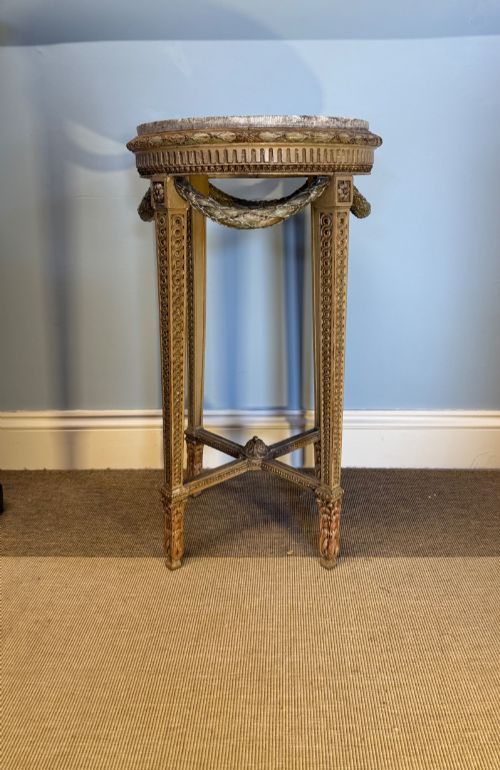
A French style pedestal table brings classical proportion and refined continental flair to a room, whether set as a centre table or placed beside a chair.
French Style Pedestal Table
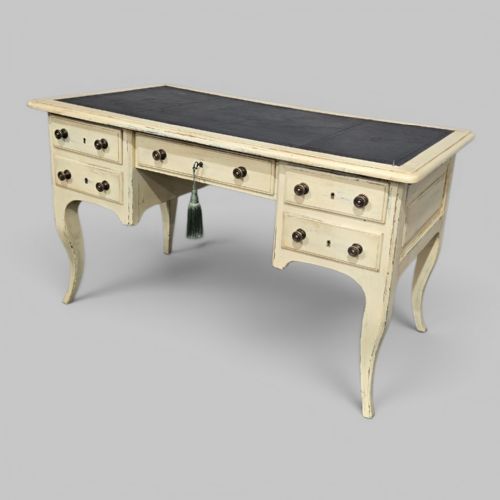
When searching for a French style pedestal table, buyers encounter a variety of forms including round guéridons, occasional tables, centre tables, and desks designed with single central supports or pillar configurations.
The pieces span periods from the nineteenth century through the early decades of the twentieth century, reflecting revival aesthetics such as Louis XVI, Empire, and Rococo styles.
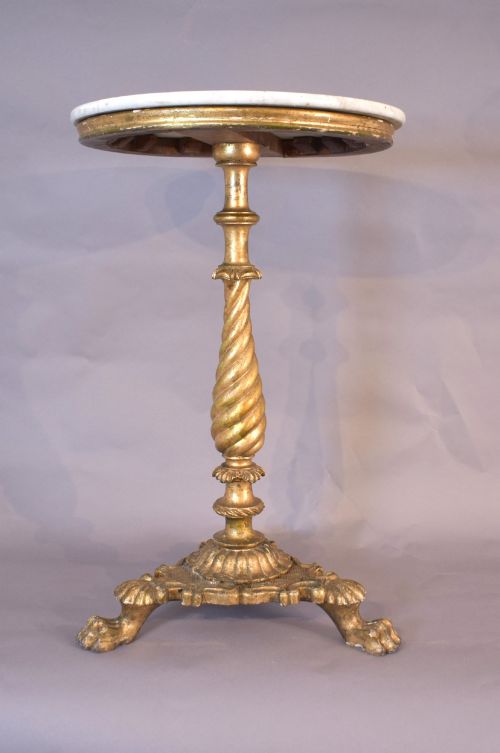
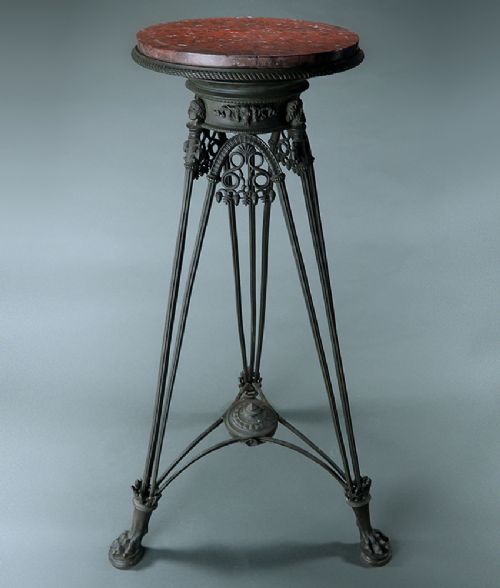
Origins range from formal salons to provincial interiors, utilising traditional formats like tripod bases, column supports, and central pedestals.
How they were made
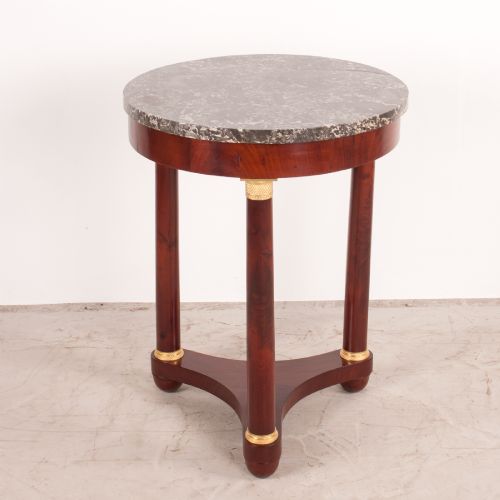
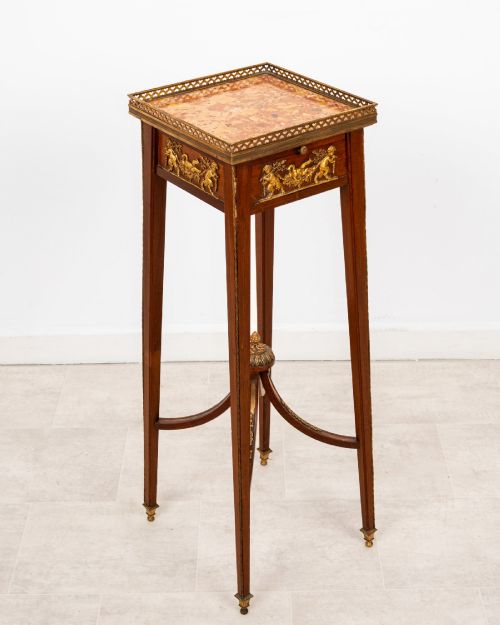
Construction relies heavily on timbers like mahogany, walnut, and kingwood, frequently paired with inset tops of marble or onyx.
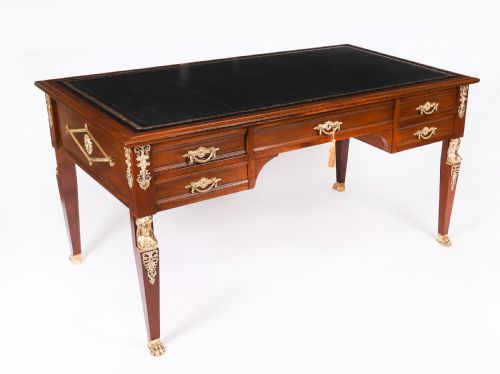
Decorative embellishments incorporate cast or chased ormolu mounts, brass details, and giltwood mouldings, anchoring the continental aesthetic.
Listings feature nineteenth-century and early twentieth-century examples utilising mahogany, walnut, kingwood, marble, and ormolu.
What varies in quality
Quality separates through the crispness of bronze and ormolu casting, the selection of timber veneers, and the integration of stone tops.
Finer examples demonstrate precision in parquetry inlay and structural joinery that maintains stability across a single central pillar.
A Hugnet Paris·Étienne Kohlmann·François Linke·Weisweiler
The French Style Pedestal Table Glossary
- Guéridon
- A small French table supported by a single central column or pedestal, frequently topped with marble. Originating in the seventeenth century, these tables serve as occasional pieces or centre tables.
- Ormolu
- Gilt bronze ornamentation applied to furniture, cast and chased for sharp decorative detail. This technique characterises French Empire and revival pieces.
- Bureau plat
- A flat-topped writing desk, often finished with leather and mounted with ormolu. These desks form part of the formal vocabulary of French interior design.
- Parquetry
- Geometric wood inlay patterns arranged across table tops and cabinet surfaces. Craftsmen utilise contrasting timbers to create decorative motifs.
- Galleried
- Fitted with a raised metal or wooden rim around the edge of the table top. This feature prevents items from sliding off marble surfaces.
French Style Pedestal Table: Frequently Asked Questions
What defines a French style pedestal table?
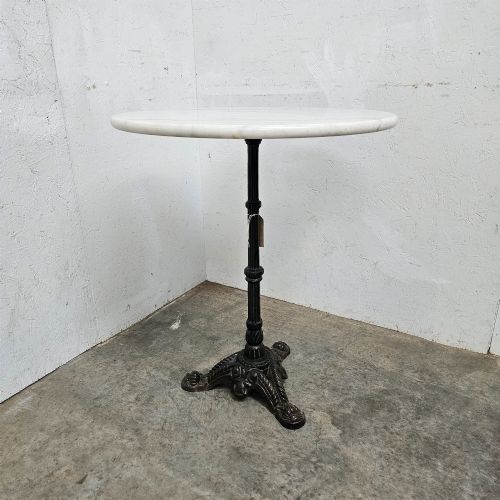
These tables are centred on a single pillar, pedestal, or tripod base rather than four corner legs. They commonly feature round tops made of marble or polished timber.
Origins trace to French design movements including Empire, Louis XVI, and Rococo revival periods, bringing decorative columns and mounts to domestic interiors.
Where should I place a guéridon table?
A guéridon works effectively as a centre table in a hallway or landing where it can be viewed from multiple angles. It also serves as an occasional table beside a seating area.
Because many examples feature marble or onyx tops, they function well for displaying lamps, decorative objects, or plants.
How do I identify an Empire style table?
Empire pieces display classical motifs such as bronze or ormolu mounts, animal details like swan or ram heads, and strong mahogany grains. The structural lines remain formal and symmetrical.
These tables reflect nineteenth-century revivals of classical Roman and Greek aesthetics adapted for continental salons.
Are these tables suitable for daily use?
Solid timber frames and heavy stone tops provide substantial stability for everyday placement. Regular maintenance involves gentle cleaning suitable for polished wood and stone surfaces.
Care should be taken with unsealed marble tops to avoid staining from liquids during daily use.