

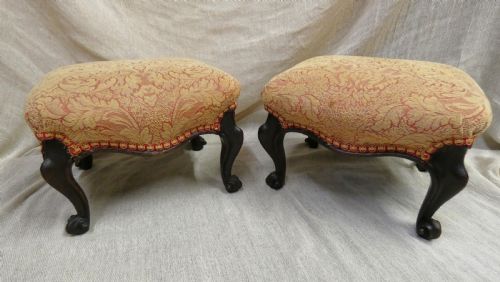


Antique Footrest Pair
An antique footrest pair brings symmetry and low-slung utility to a room, offering paired matching supports crafted in rich timber and textile.
Antique Footrest Pair
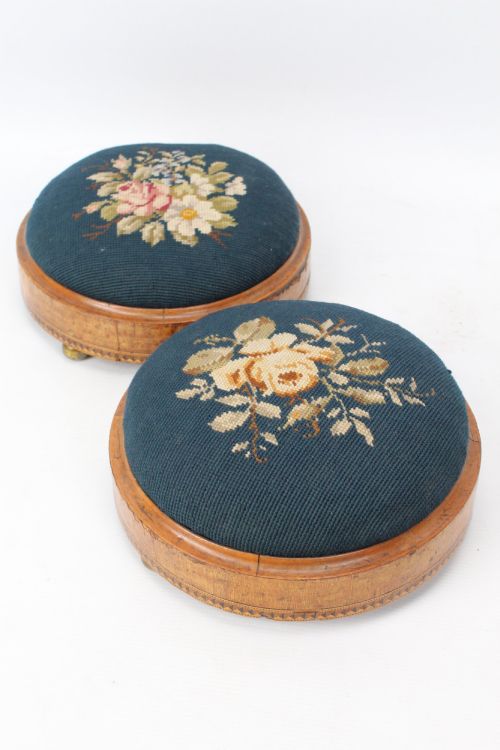
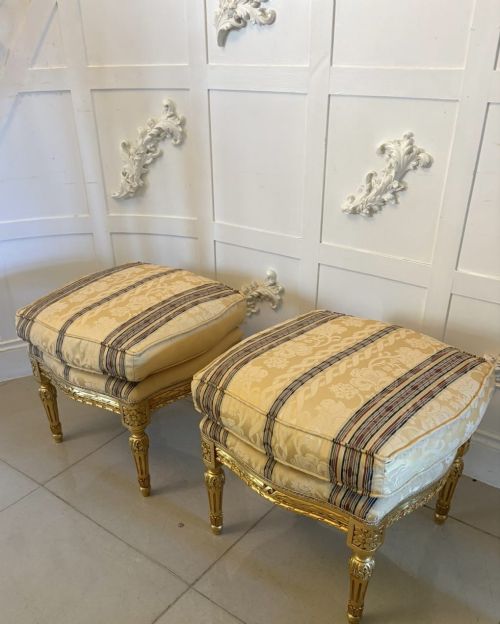
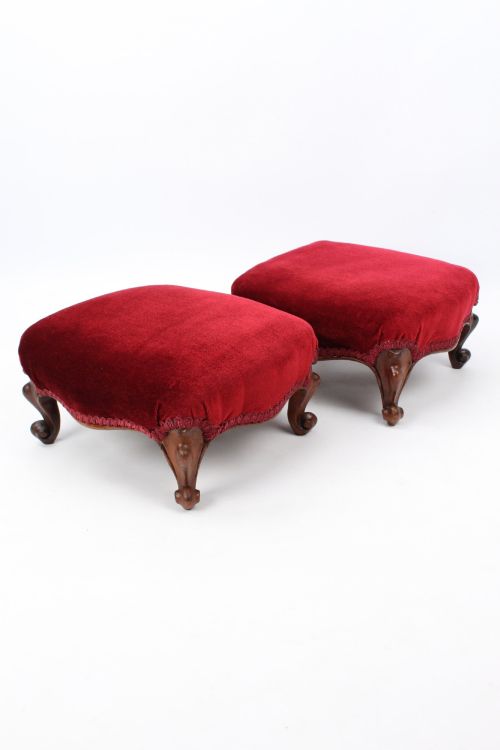
When you search for an antique footrest pair, you find matched sets of low seats designed to support the feet or serve as compact occasional seating. The selections here span the Georgian, Regency, Victorian, and early twentieth-century periods, capturing diverse aesthetic movements across the decades.
Most entries on this page take the form of footstools or small stools constructed from timbers such as mahogany, walnut, rosewood, and pitch pine. Certain items feature carved frames, cabriole legs, or distinctive 'X' frames reflecting revival styles like Queen Anne, Louis XIV, and Rococo.
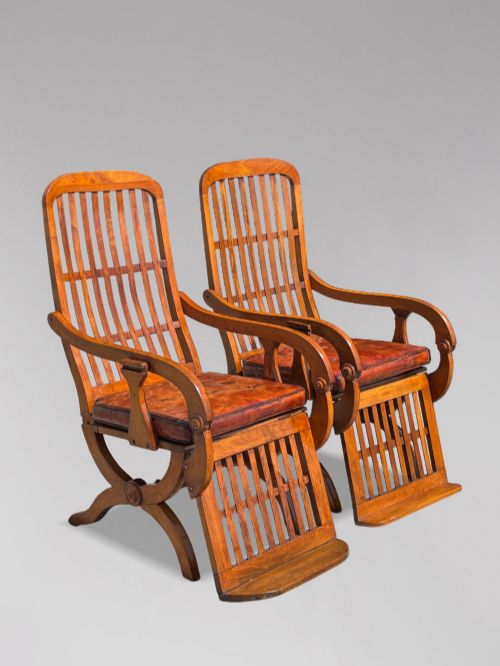
While the majority of examples function purely as footstools, the grouping also encompasses larger reclining armchairs and low stools intended for domestic comfort. These matched pairs provide a uniform visual balance that single pieces simply cannot achieve in a traditional interior scheme.
How they were made
Cabinetmakers constructed these frames using dense hardwoods like mahogany, walnut, and rosewood, employing traditional joinery to ensure stability under daily foot pressure. Carved elements on frames and cabriole legs required skilled hand-chiselling by artisans working within established period traditions.
Upholstery techniques combined sturdy internal webbing or stuffing with top layers of fabric, velvet, leather, or textile. Brass hardware occasionally appeared on specific reclining mechanisms or decorative mounts, adding metallic contrast to the polished timber bases.
Antique Footrest Pair Retail Price Guide 2026
Typical asking prices for footrest pair among the pieces listed under this phrase on Sellingantiques today, from the lower quarter to the upper quarter. They describe what is for sale here now, not the wider market.
Listings span the Victorian, Regency, Georgian, and early twentieth-century eras, constructed from mahogany, walnut, rosewood, and pitch pine.
What varies in quality
Quality rests in the crispness of the timber carving and the architectural proportion of the frame, where fluid cabriole legs or precise 'X' configurations demonstrate superior workshop execution. Dense, deeply figured grain in mahogany and rosewood separates standard production pieces from finer examples.
The integrity of the original timber framing and the sympathetic execution of upholstery work dictate the overall standard. Pieces retaining sophisticated stylistic details, such as Louis XIV or Queen Anne revival motifs, occupy the upper tier of craftsmanship.
The Antique Footrest Pair Glossary
- Cabriole leg
- A furniture leg that curves outward at the knee and inward at the ankle, ending in a graceful foot. This form draws inspiration from animal limbs and frequently appears on eighteenth and nineteenth-century revival pieces.
- X-frame
- A structural base formed by two intersecting diagonal members that create an X shape when viewed from the side. This design provides both rigid support and a classical architectural silhouette.
- Mahogany
- A durable, reddish-brown tropical hardwood prized for its stable grain and ability to take a high polish. Cabinetmakers favoured it extensively throughout the Georgian and Victorian eras.
- Rosewood
- A heavy, dark timber marked by distinctive contrasting grain patterns and rich natural oils. It was selected for high-status decorative items and fine Victorian footstools.
- Revival style
- A design movement that borrows motifs from earlier historical periods, such as Louis XIV or Queen Anne. Makers reinterpreted these classic forms using contemporary nineteenth-century techniques.
Antique Footrest Pair: Frequently Asked Questions
What is an antique footrest pair?
An antique footrest pair consists of two matching low seats or stools designed to support the feet while sitting. They are manufactured from period timbers and upholstered in traditional textiles.
Such matching sets offer symmetry and balance when placed before armchairs or sofas in a traditional interior layout.
How were footstools used historically?
Historically, footstools kept feet elevated away from cold draughty floors in large houses and parlours. They also served as low casual seats for children or guests when room was scarce.
Matching pairs allowed for coordinated placement in formal drawing rooms where visual harmony was paramount.
How do I identify a Victorian footstool?
Victorian footstools often feature dense timbers like mahogany or walnut paired with heavy upholstery such as velvet or needlework. Their frames frequently display revival ornamentation or sturdy cabriole legs.
Construction methods and timber patination help distinguish these nineteenth-century pieces from later reproductions.
How do I care for antique timber frames?
Care for antique timber frames by keeping them away from direct sunlight and sudden temperature changes that cause wood to crack. Dust gently with a dry cloth and occasionally apply appropriate wax polish to nourish the grain.
Avoid using modern chemical sprays that can strip or damage the historic finish.