

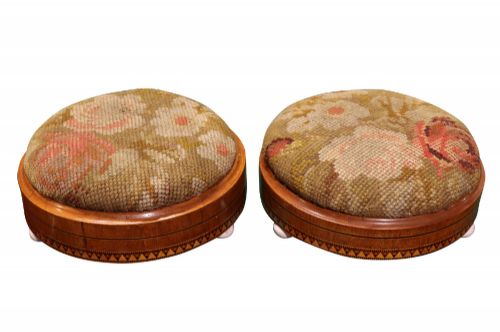


Victorian Floral Ottoman
A victorian floral ottoman brings domestic comfort and tactile pattern to a room, offering a sturdy seat or footrest upholstered in period textiles.
Victorian Floral Ottoman
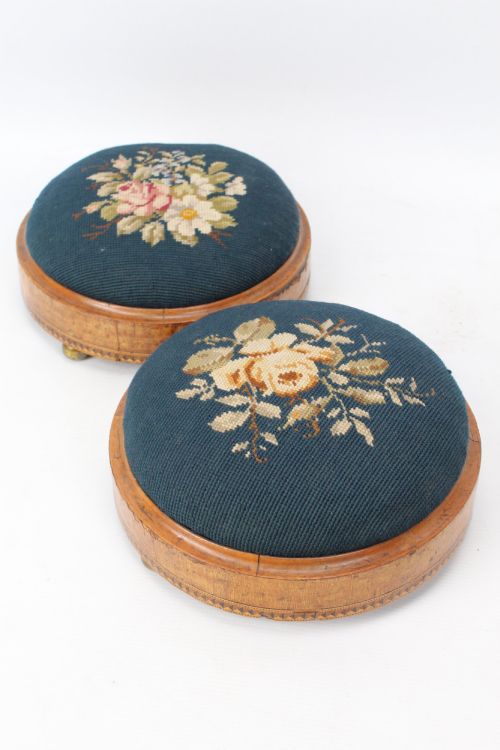
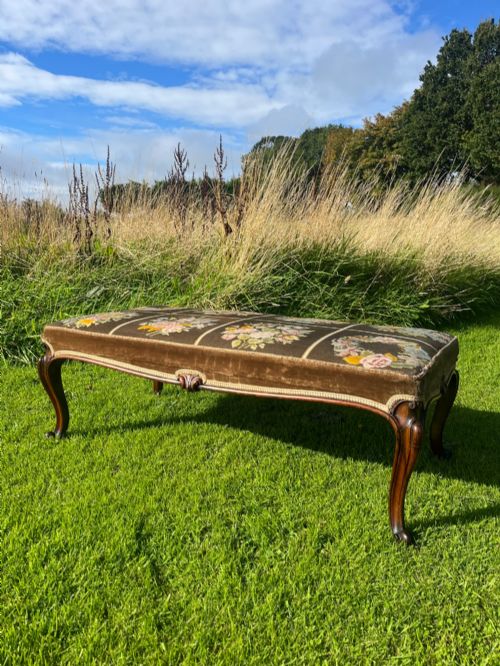
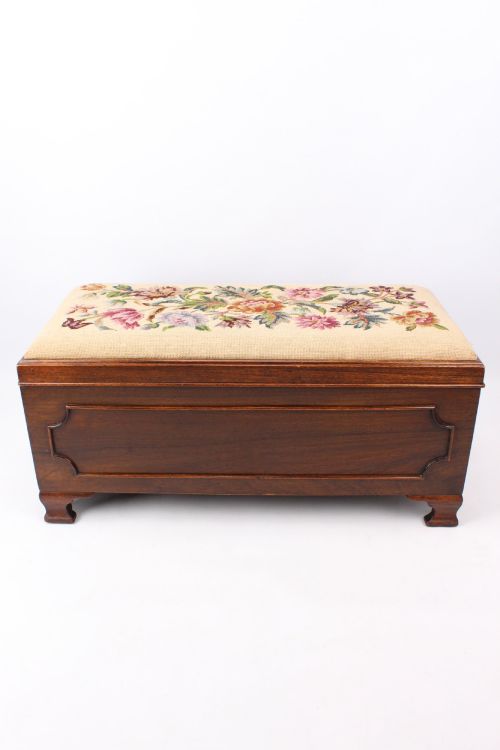
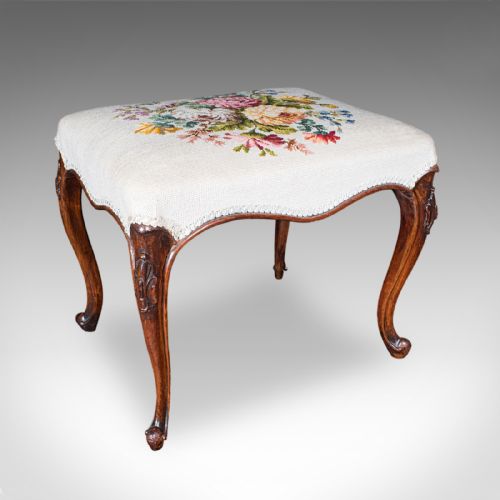
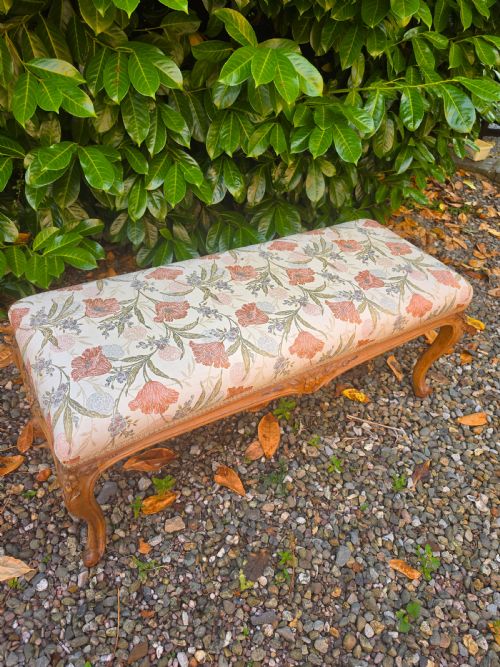
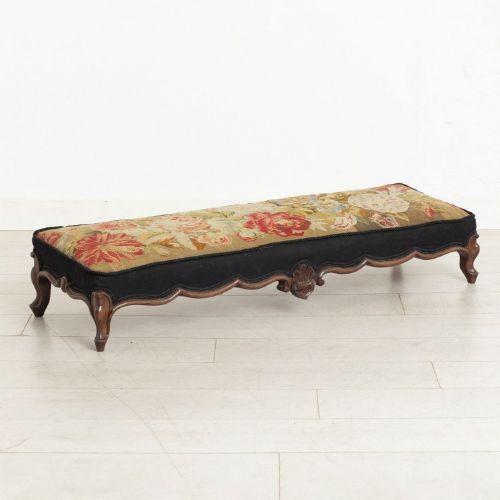
When searching for a victorian floral ottoman, buyers encounter low seating pieces such as footstools, dressing stools, centre stools, and box ottomans designed for nineteenth-century interiors. These items range from compact circular frames to large rectangular and waisted forms, frequently constructed during the mid-nineteenth century.
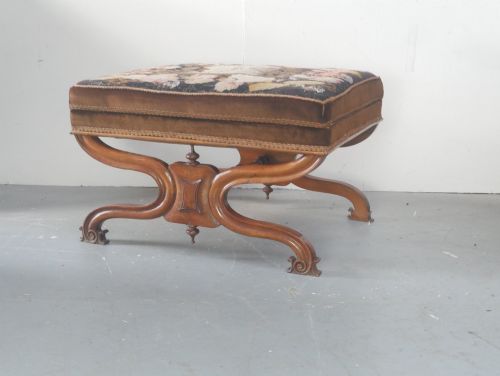
The most common examples on this page are walnut and mahogany stools featuring textile tops, alongside rosewood and ebonized frames reflecting revival designs. Pieces span simple domestic footstools to substantial Scottish Baronial and French revival seating, with certain examples incorporating internal storage.
Makers such as Howard & Sons appear among the listings, alongside pieces attributed to Liberty fabric upholsteries and Anglo Indian workshops. Buyers find variations from small low stools to grand ottomans and daybeds intended for principal reception rooms.
Materials and construction
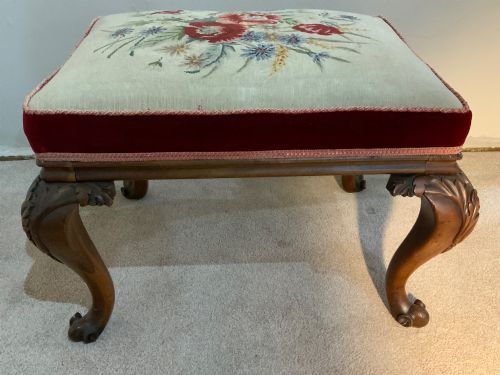
Frames rely on dense timbers including walnut, mahogany, and rosewood, shaped with carved details, cabriole legs, and occasional brass fittings or inlay. These woods provide the structural rigidity required to support frequent daily use.
Upholstery relies on traditional textiles such as needlepoint, tapestry, velvet, wool, and fabric. These surfaces display floral and botanical patterns worked by hand or loom, secured over padded interiors with original or period appropriate webbing.
Victorian Floral Ottoman Retail Price Guide 2026
Typical asking prices for victorian floral ottoman among the pieces listed under this phrase on Sellingantiques today, from the lower quarter to the upper quarter. They describe what is for sale here now, not the wider market.
Some nineteenth-century footstools hide tiny storage compartments beneath their floral needlework tops, perfect for stashing secretive nineteenth-century slippers.
Assessing quality and proportion
Superior examples show crisply carved woodwork, balanced proportions, and substantial timbers such as walnut or rosewood rather than lighter secondary woods. The refinement of the cabriole leg work and the integrity of the frame construction distinguish finer pieces from simpler domestic utility items.
The quality of the upholstery textile also determines distinction, particularly where needlework and tapestry retain tight stitching and rich colour. Original fabric surfaces and fitted storage mechanisms add architectural interest to box ottomans and centre stools.
Howard And Sons·Liberty
The Victorian Floral Ottoman Glossary
- Cabriole leg
- A furniture leg that curves outward at the knee and tapers inward to an ankle, mimicking an animal limb. This form appears frequently on mid-nineteenth-century walnut and mahogany stools.
- Needlepoint
- A type of canvas work embroidery executed with wool yarn, creating dense floral patterns. It forms the primary decorative surface on many nineteenth-century footstool tops.
- Ottoman
- An upholstered seat or footstool without a back or arms, sometimes featuring internal storage beneath a lift-out or hinged top. They serve as versatile seating and resting pieces in reception rooms.
- Tapestry
- A heavy hand-woven or needle-worked textile depicting pictorial or floral scenes. These fabrics define the decorative character of many period French and English footstools.
- Scottish Baronial
- A nineteenth-century architectural and furniture style drawing on medieval Scottish castles. Pieces in this manner often display robust proportions and heavy timber framing.
Victorian Floral Ottoman: Frequently Asked Questions
What is a victorian floral ottoman?
A victorian floral ottoman is a nineteenth-century upholstered seat or footstool featuring textile needlework, tapestry, or patterned fabric. These pieces include low footstools, dressing stools, and box ottomans designed for domestic comfort.
They utilise dense timbers such as walnut, mahogany, and rosewood, often shaped with cabriole legs or decorative carving. The floral textiles provide both visual warmth and tactile texture to period and contemporary interiors.
How were these ottomans used historically?
These seating pieces served as footstools before armchairs or as low seats in dressing rooms and parlours. Box ottomans and centre stools provided functional utility by offering hidden storage for textiles or small items.
Larger daybeds and ottoman stools functioned as flexible seating options within principal reception rooms. Their sturdy timber frames accommodated frequent daily use across nineteenth-century households.
How do I identify a Victorian stool?
Victorian stools are distinguished by their timber selection, construction methods, and characteristic revival styles. Common indicators include walnut or mahogany framing, hand-carved cabriole legs, and traditional upholstery materials like wool needlepoint.
Design influences range from Early Victorian and Rococo Revival to Scottish Baronial aesthetics. Examining the underside reveals period joinery and hand-wrought fixings consistent with nineteenth-century cabinet making.
Are these ottomans comfortable to use?
These pieces provide firm support due to traditional stuffing materials and sturdy timber frames. While period padding differs from modern foam cushioning, they function effectively as footrests or occasional seats.
Their robust construction ensures stability for daily domestic use. Many examples retain supportive spring or webbing interiors beneath their textile upholstery.