


Rosewood Low Stool
These rosewood low stool pieces combine dense dark timber with low frames, offering practical seats and footrests shaped by Victorian and Regency hands.
Rosewood Low Stool
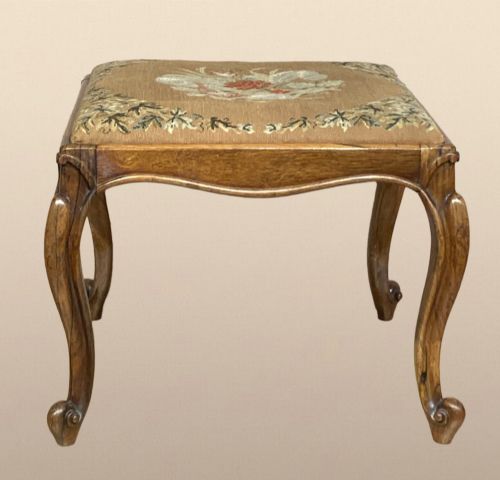
A rosewood low stool serves primarily as a footstool, dressing stool, or window seat designed to sit close to the floor. These items appear most frequently in Victorian and Regency iterations alongside Anglo-Indian and Chinese pieces.
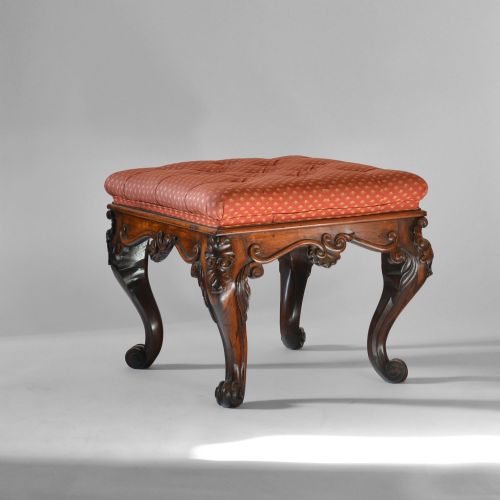
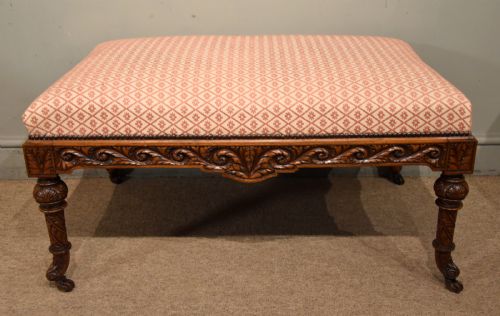
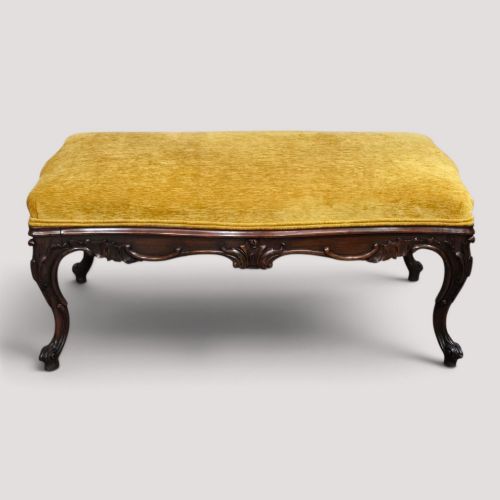
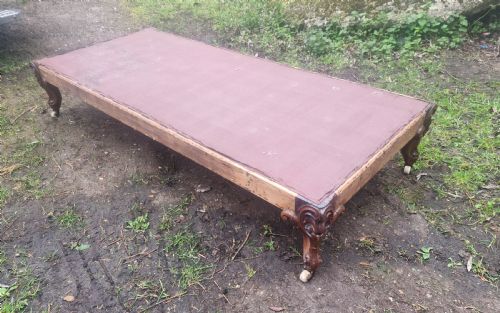
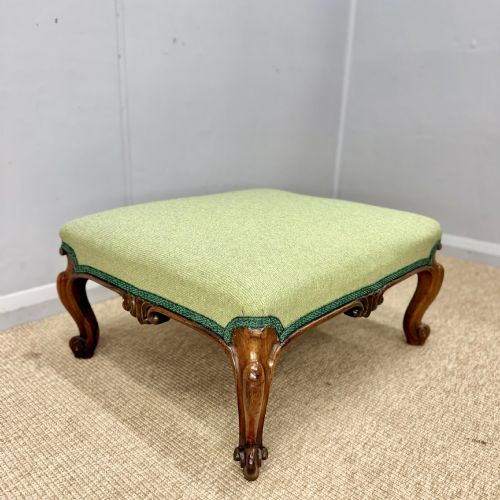
Buyers encounter various formats including oblong, square, and oval shapes, sometimes featuring cabriole legs or lift-out upholstered seats. The selection spans standard domestic forms and distinct regional interpretations.
Origins stretch from Georgian workshops to late nineteenth-century Chinese dynasties and Anglo-Indian studios. This geographic spread brings varied carving traditions and timber treatments into the same category.
What separates the finest examples
Quality rests in the crispness of the carved detail on the rosewood frame and the balance of the proportions. Superior pieces exhibit deeply defined motifs and well-turned cabriole legs that display no awkward transitions.
The choice and execution of the timber grain determine visual depth, with select items showing rich, uniform figuring across the entire surface. Secondary woods and internal framing demonstrate the builder's commitment to durability.
Materials recorded across the inventory include rosewood, hardwood, brass, fabric, tapestry, textile, and wool.
Gillows
The Rosewood Low Stool Glossary
- Cabriole leg
- A furniture leg that curves outward and then tapers inward, mimicking an animal's curving leg. This form appears frequently on Victorian examples.
- Lift-out seat
- A drop-in seat frame that lifts away from the main structure. This design allows easier access for reupholstering.
- Anglo-Indian
- A descriptor for furniture made in India by local artisans using British forms. These items often display dense, intricate carving.
- Regency
- A stylistic period spanning the early nineteenth century defined by classical restraint and refined proportions. Pieces from this era show smooth timber surfaces.
Rosewood Low Stool: Frequently Asked Questions
What is a rosewood low stool used for?
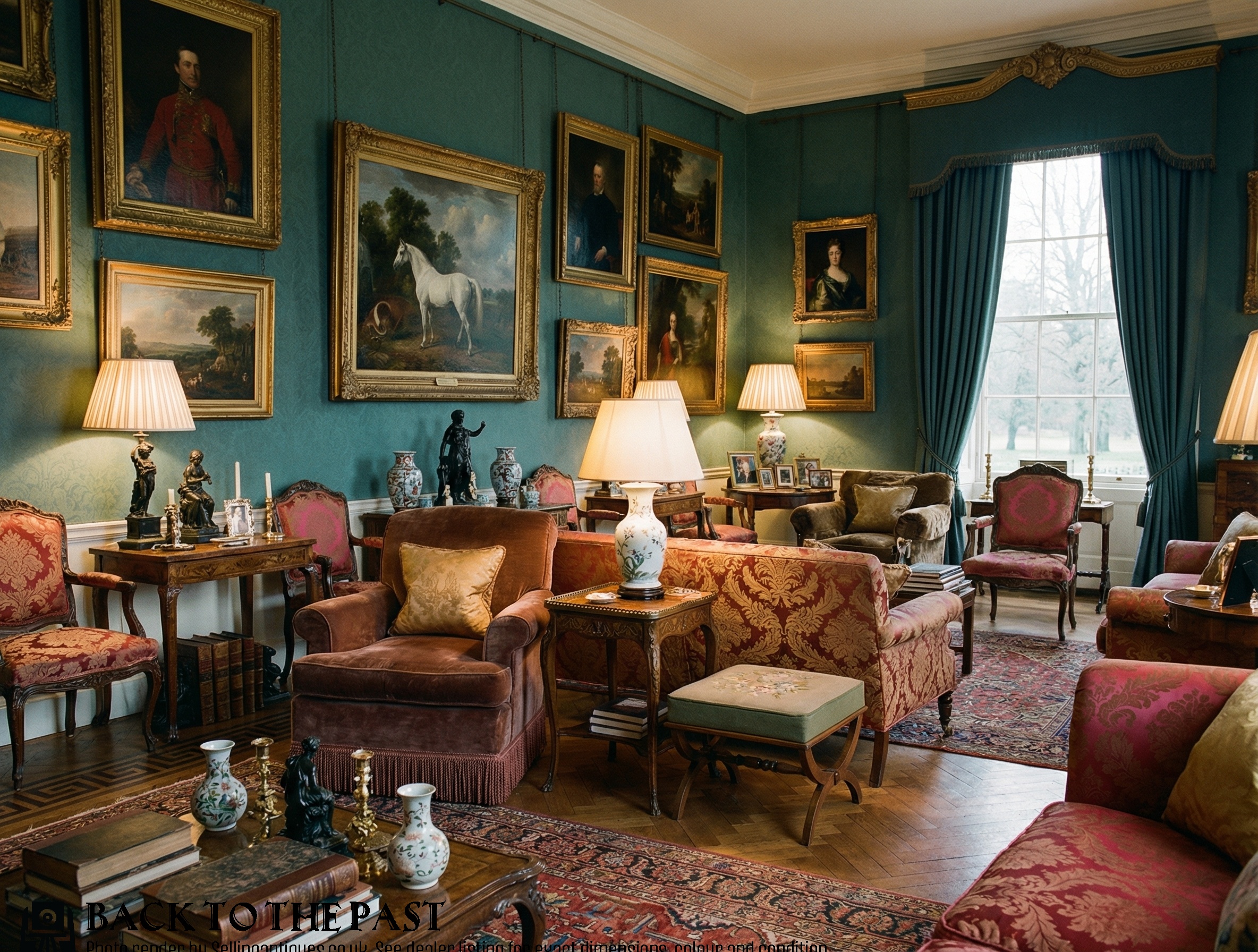
These pieces function primarily as footstools, dressing table seats, or low window benches. Their modest height makes them suitable for placement in front of seating or low tables.
Many examples feature upholstered surfaces designed to match period domestic interiors. Some variations include internal compartments or lift-out seats for specific domestic tasks.
How do I identify a Victorian piece?
Victorian examples often incorporate cabriole legs, heavy carved decoration, and rosewood frames. The upholstery frequently utilises tapestry or patterned textiles.
Construction during this era prioritises solid hardwood framing and substantial padding. Many pieces from this period were designed specifically for dressing rooms or parlours.
Are Chinese and Anglo-Indian pieces different?
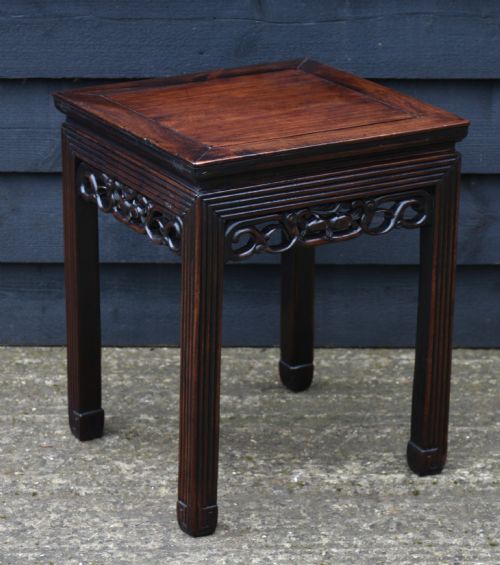
Chinese and Anglo-Indian items utilise dense regional hardwoods like huali alongside rosewood. Their carving styles reflect distinct local traditions rather than European revival aesthetics.
These pieces often feature geometric panels or elaborate floral motifs carved directly into the structural frame. They provide an alternative design aesthetic to standard domestic British furniture.
Can I reupholster a vintage stool?
Reupholstering is common for pieces that have experienced wear over the decades. Many variants feature lift-out seats designed to simplify the replacement of fabric.
Selecting appropriate textiles like wool or tapestry helps maintain the character of the item. Professional re-webbing ensures the internal support remains stable during daily use.