
Antique Folk Art Figure
When you search for an antique folk art figure, you meet carved wood, painted surfaces and vernacular forms shaped by hands working far from academic studios.
Antique Folk Art Figure
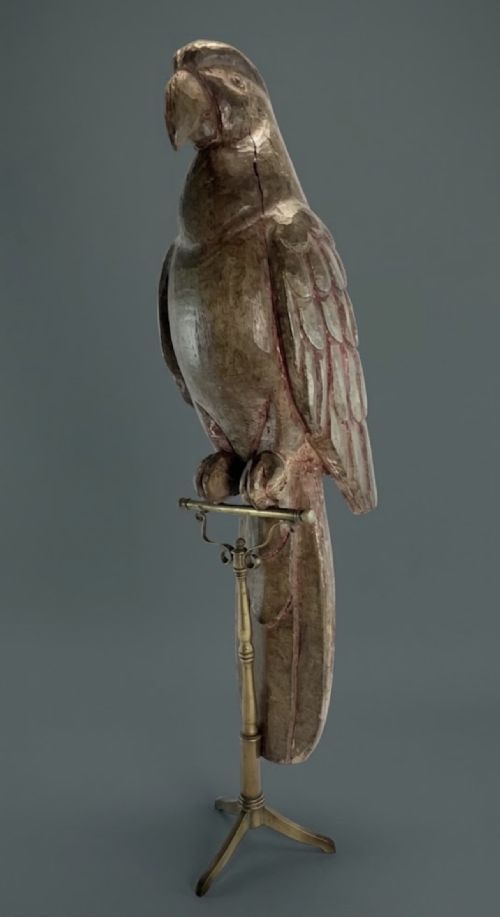
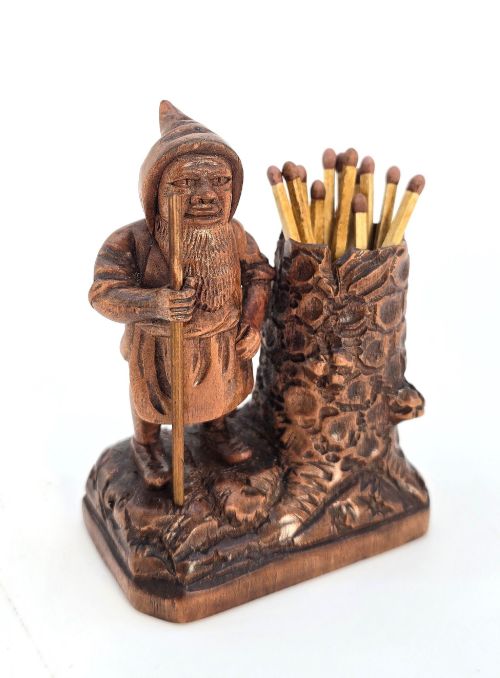
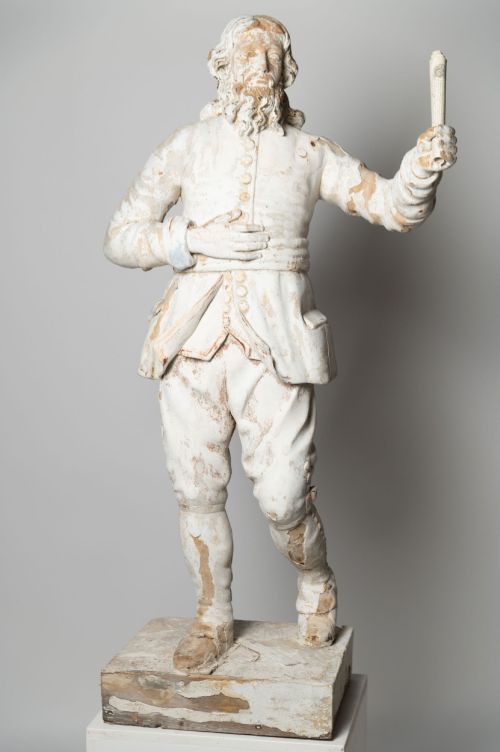
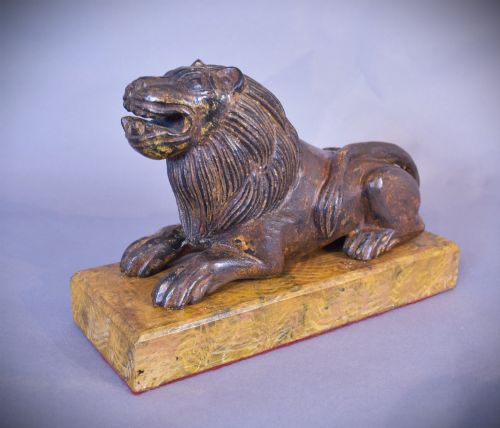
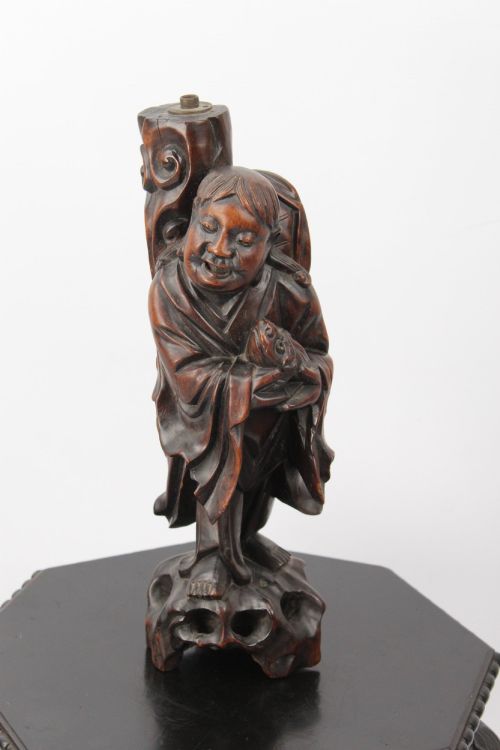
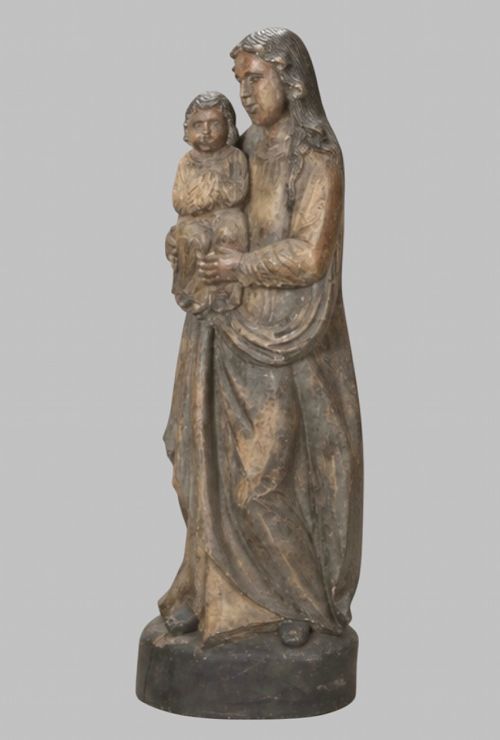
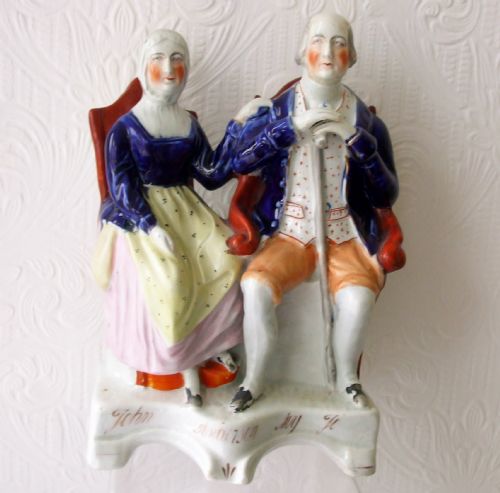
An antique folk art figure represents a diverse group of sculptural objects created outside formal artistic traditions, spanning subjects from saints and noblemen to animals and tradesmen. You encounter pieces originating from workshops, village carvers and domestic settings across the eighteenth, nineteenth and early twentieth centuries.
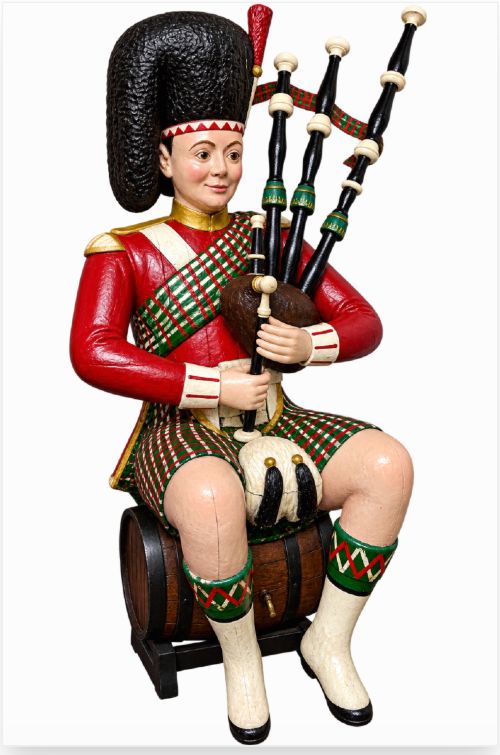
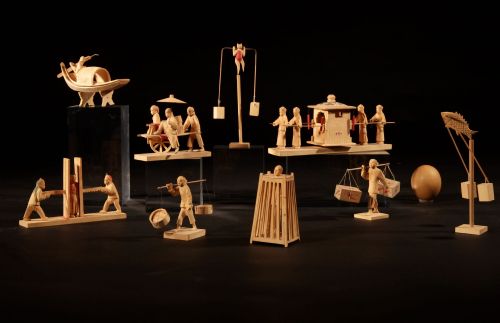
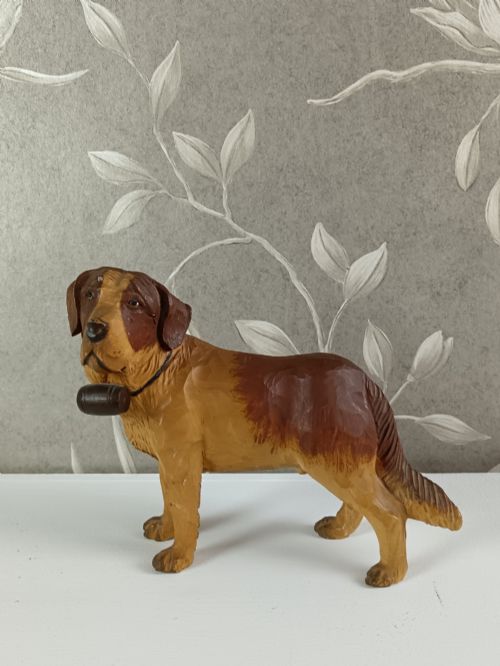
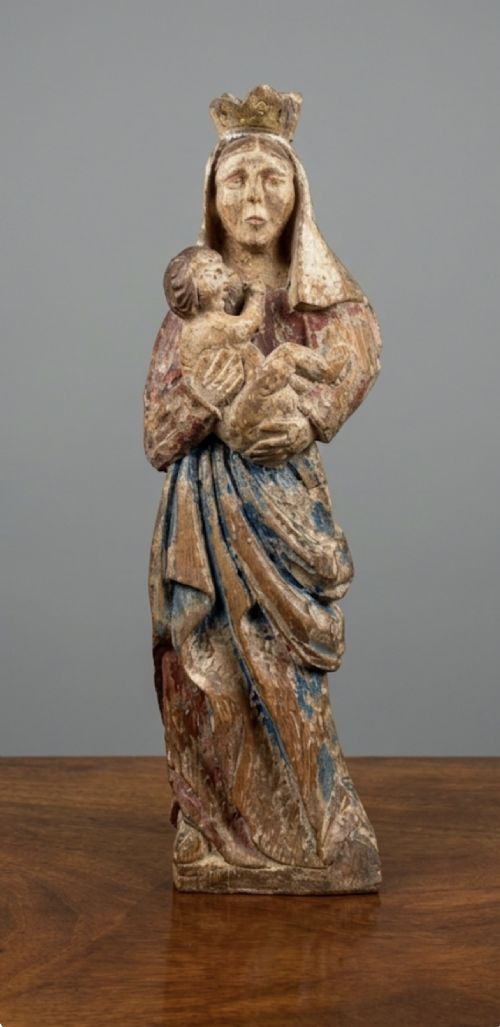
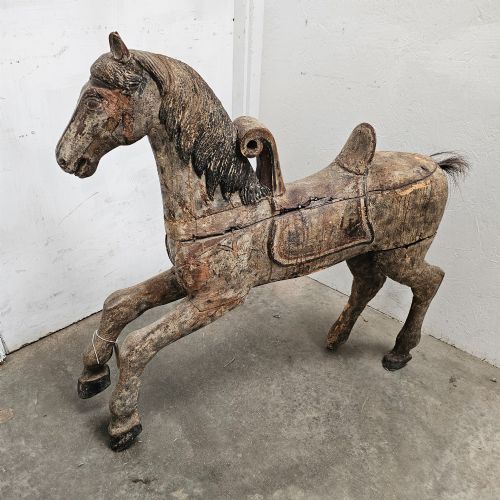
The selections on this page lean heavily towards carved wooden sculptures and painted figures, including carousel horses, animals, devotional carvings and trade signs. These objects served utilitarian, decorative or symbolic roles in homes, shops and rural communities.
How they were made
Maker's hands shaped these pieces primarily from woods such as oak, limewood, walnut, yew burr and hardwood, employing chisels, knives and gouges to carve human and animal forms. Many figures received coats of paint, gesso or collage work to add colour and detail to the carved surfaces.
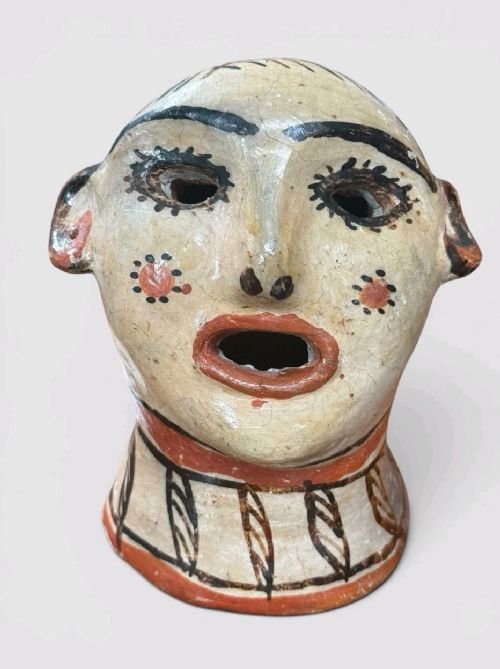
Makers utilised available materials, combining wood with bone, straw, papier-mâché, glass and metal elements depending on the local tradition and the object's intended function. Surface finishes range from natural waxed grain to layered historical paint showing organic wear.
Antique Folk Art Figure Retail Price Guide 2026
Typical asking prices for folk art figure among the pieces listed under this phrase on Sellingantiques today, from the lower quarter to the upper quarter. They describe what is for sale here now, not the wider market.
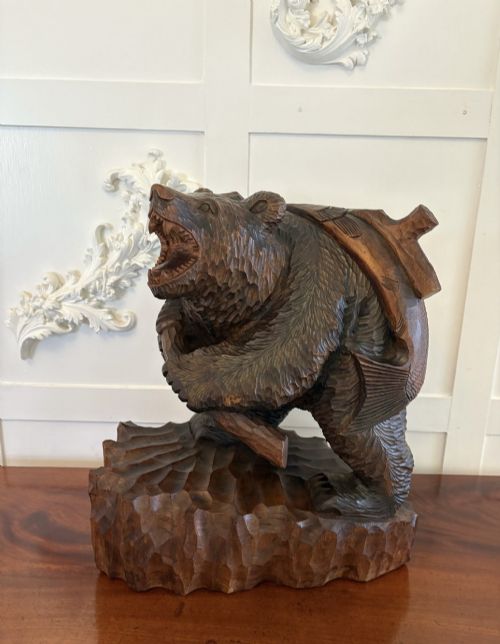
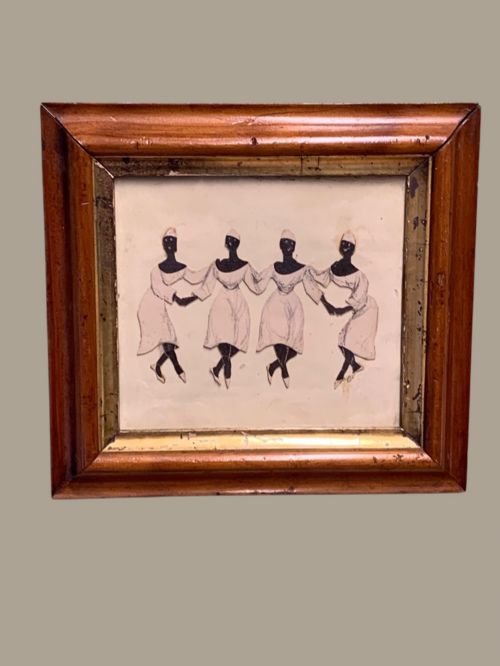
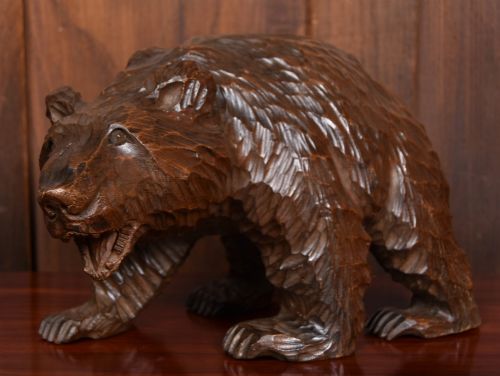
Saint Bernard rescue dogs and dancing African girls share shelf space with carved bears carrying fish.
What varies in quality
The strength of the carving distinguishes the best examples, separating confident anatomical proportion and expressive character from stiff or hesitant execution. Directness of vision and economy of line dictate the visual power of vernacular sculpture.
Original surface preservation heavily influences the standing of a piece, particularly where historical paint, polychrome or patina remains undisturbed by modern intervention. The relationship between the maker's hand and the surviving material tells the true story of the object's age.
The Antique Folk Art Figure Glossary
- Folk art
- Artistic work produced from an indigenous culture or peasant society, characterised by a naive style where traditional rules of proportion and perspective are subordinated to emotional expression.
- Gesso
- A plaster mixture used as a smooth base for painting on wood or other surfaces.
- Dummy board
- A life-sized painted figure of wood or metal designed to deceive the eye into thinking a person is present in a room.
- Limewood
- A soft, pale wood favoured by carvers for its fine, even grain and lack of prominent growth rings.
- Polychrome
- The practice of decorating architectural elements, sculpture or pottery in a variety of colours.
Antique Folk Art Figure: Frequently Asked Questions
What defines an antique folk art figure?
An antique folk art figure is a hand-carved or modelled representation of a person, animal or saint created by self-taught or non-academic makers. These pieces often serve practical functions like trade signs, nutcrackers or devotional objects while displaying vernacular charm.
The materials typically include carved wood, painted surfaces, pottery and mixed media from the eighteenth to the early twentieth centuries. Each piece reflects the local traditions and utilitarian needs of the community where it was made.
How were these figures used originally?
Many figures served as functional shop displays, trade signs or architectural elements intended to attract customers or identify a specific trade. Others held religious significance in domestic shrines or churches as devotional statues of saints and biblical figures.
Some objects functioned purely as decorative sculptures, children's toys or household accessories like match strikers and nutcrackers. Their daily handling and placement in working environments created the distinct wear patterns seen today.
How do I care for wooden folk art?
Wooden and painted figures require stable environmental conditions away from direct sunlight, extreme heat sources and dampness. Maintaining consistent indoor humidity prevents the wood from drying out and cracking over time.
Dusting should be done gently with a dry, soft brush rather than chemical cleaning products or wet cloths. Preserving the fragile historical surface paint relies entirely on keeping moisture and abrasive materials away from the piece.
How can I tell the period of a carved figure?
Dating relies on examining tool marks, timber types, construction methods and the composition of underlying paint or gesso layers. Eighteenth-century pieces often show broader, heavier adze or chisel work, while later nineteenth-century examples may display finer machine-assisted preparation.
Wear patterns, oxidation of the wood and the chemical composition of historical pigments help confirm the age of the piece. Comparing known dated examples and signed works provides a reliable benchmark for stylistic eras.