





Continental Religious Statue
A continental religious statue carries centuries of devotion in carved timber, offering quiet presence and rich historical character to a room.
Continental Religious Statue
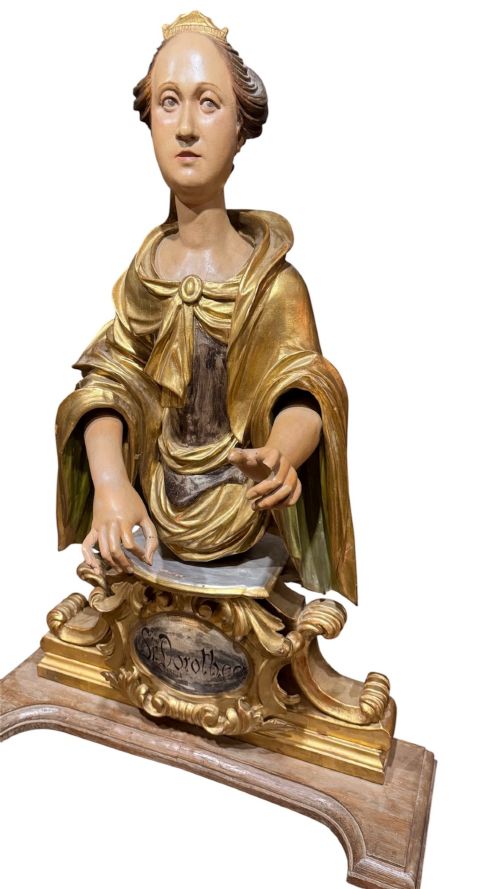
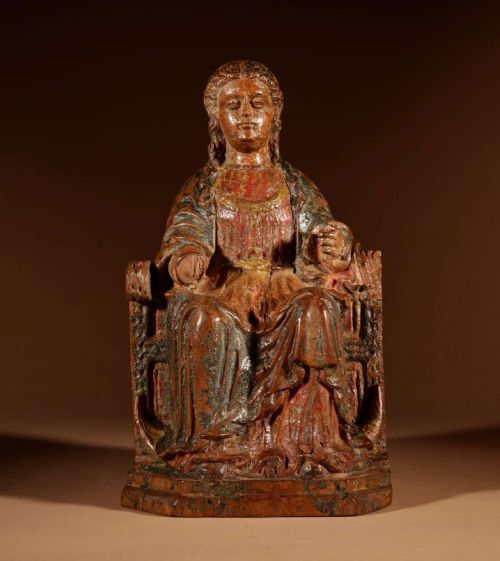
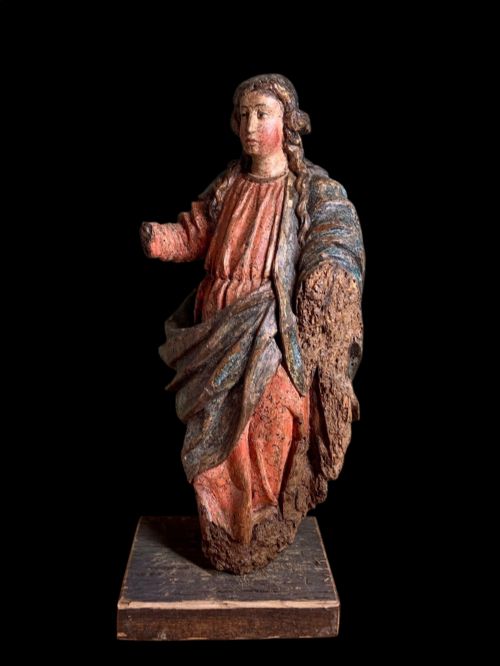
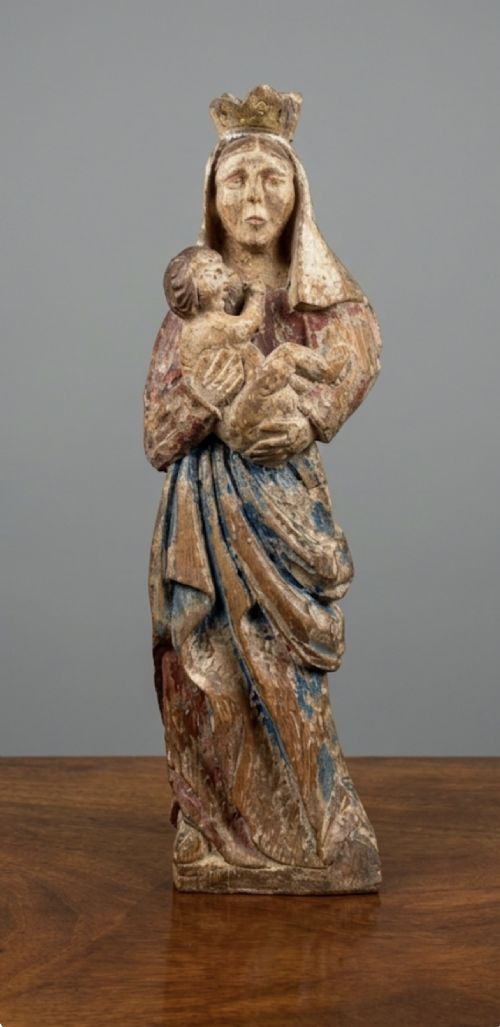
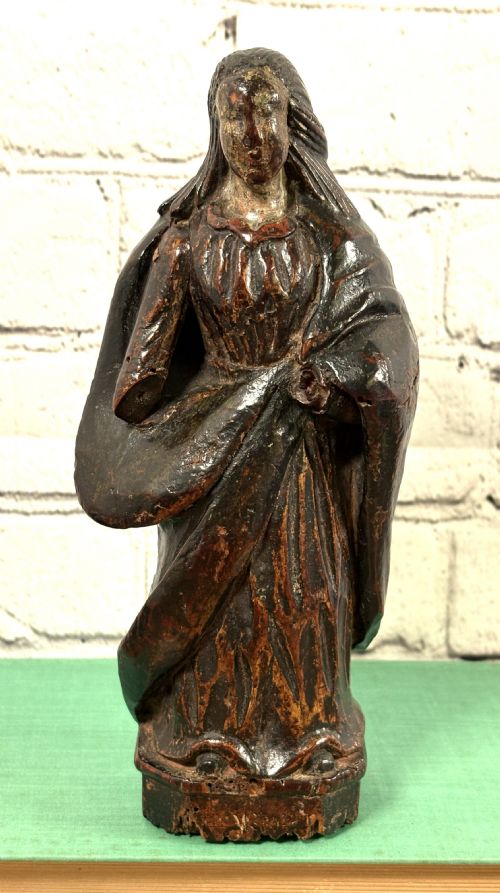
A continental religious statue represents figures such as the Madonna and Child, saints, or angels carved across the fifteenth, sixteenth, seventeenth, and eighteenth centuries. These devotional carvings originate from European workshops and churches, spanning periods from late medieval Gothic through Baroque.
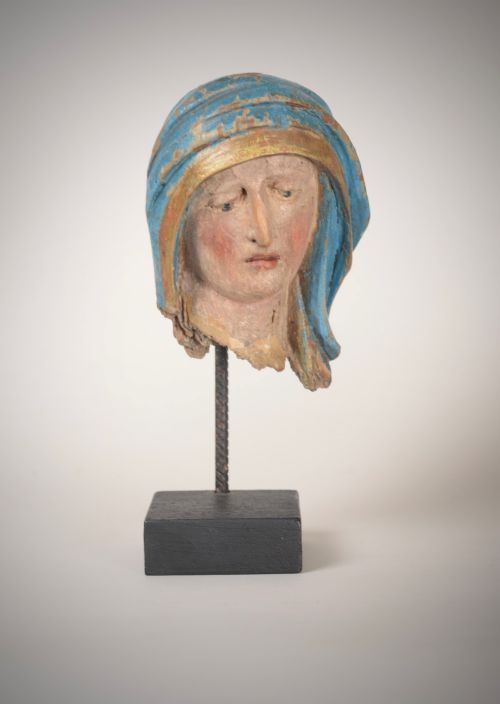
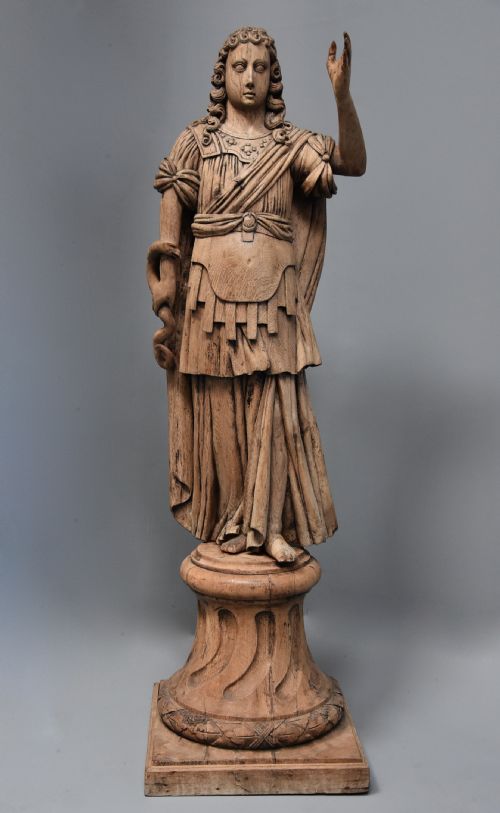
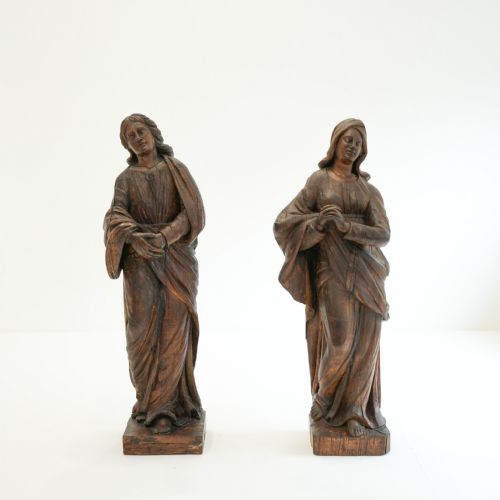
The pieces appearing on this page range from small fragments and individual saint figures to life-size processional works and pairs of angels. Oak, limewood, walnut, and pine provide the primary mediums for these historical sculptures.
Materials and carving methods
Carpenters and carvers shaped dense hardwoods like oak and walnut alongside softer timbers such as limewood and pine with gouges and chisels. Many pieces received an application of gesso to smooth the wood grain before painters added polychrome pigments and gold leaf.
Surviving surfaces often show the interplay of exposed timber beneath remnants of original paint or gilding. Tool marks left by the carver remain visible on the unpainted backs and undersides of figures.
Assessing sculptural execution and surface
Depth of carving and anatomical definition separate exceptional figures from simpler village workshop pieces, particularly in the rendering of drapery folds and facial expressions. Master carvers captured movement and naturalistic posture in limewood and oak.
The survival of original polychrome paint and gold leaf significantly influences the character of a surface. Traces of early pigment add historical depth, whereas later overpainting alters the integrity of the original skin.
The Continental Religious Statue Glossary
- Polychrome
- Painted in several colours. This term describes wooden sculptures decorated with pigments to imitate life.
- Gesso
- A plaster mixture applied to wood. It acts as a smooth base for subsequent gilding and painting.
- Baroque
- An artistic style prevalent during the seventeenth and eighteenth centuries. It is characterised by dramatic movement and dynamic drapery.
- Gilding
- The application of gold leaf to a surface. It highlights specific garments or haloes on sacred figures.
- Santos
- A carved figure of a saint or holy person. These statues frequently served a devotional function in southern European traditions.
Continental Religious Statue: Frequently Asked Questions
Where were these statues originally displayed?
These carvings stood within churches, monastic chapels, and domestic shrines across Europe. They served as focal points for prayer and religious processions.
Larger life-size figures often occupied niches above altars, while smaller works sat in private domestic spaces.
How do I identify the wood used?
Oak and walnut display pronounced grain patterns and weight, common in earlier pieces. Softer timbers like limewood and pine feel lighter and allow for intricate, delicate undercuts.
Examining the unfinishes areas at the back or base usually reveals the underlying timber clearly.
What is polychrome paint?
Polychrome refers to the application of multiple colours of paint directly onto the carved wood or gesso layer. Artisans used natural pigments to render flesh tones, robes, and hair.
Most surviving examples show weathered remnants of these original colours rather than pristine coats.
How should I care for antique wood?
Keep wooden sculptures away from direct heat sources and strong sunlight to prevent the timber from drying and splitting. Stable indoor humidity protects both the wood and any surviving gesso layers.
Dust the surface gently with a dry, soft brush rather than using liquid polishes or cleaners.