
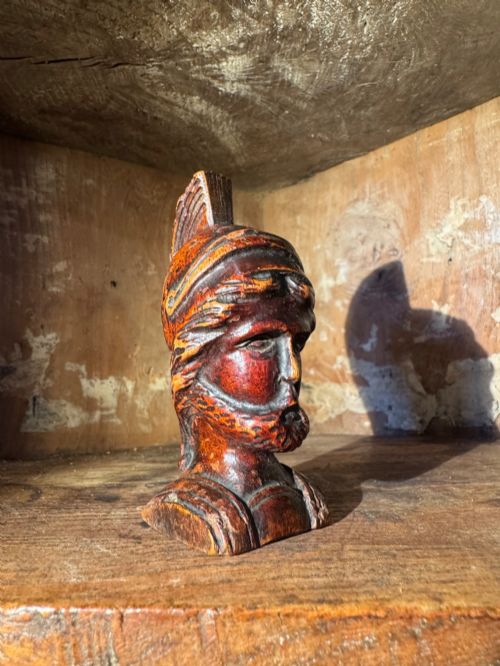

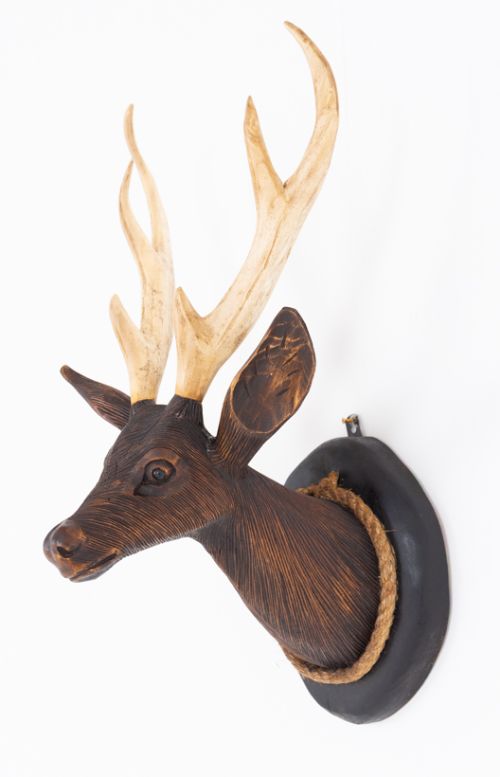
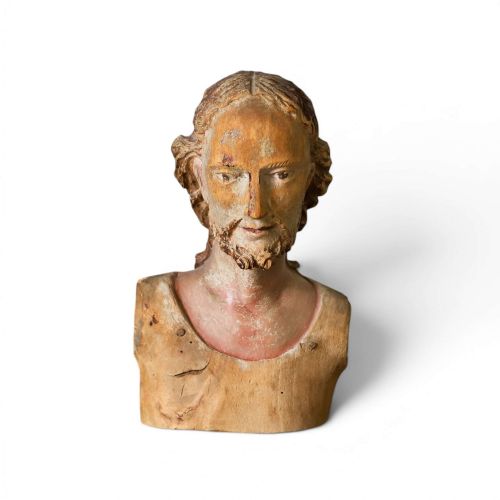


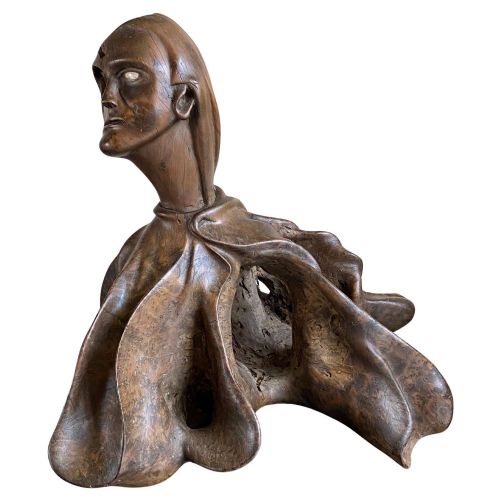


Brown Wooden Bust
A brown wooden bust brings tactile warmth and carved detail into a room, spanning centuries of portraiture and figurative sculpture.
Brown Wooden Bust
A brown wooden bust captures a human head and shoulders, carved from materials like mahogany, walnut, oak, and fruitwood. These pieces range from eighteenth-century Italian religious figures to twentieth-century folk art studies and folk carvings.
Collectors encounter diverse expressions, including polychrome finishes, regional folk pieces, and detailed nineteenth-century portraiture. The selection extends to related architectural elements like caryatids, herms, and display pedestals.
The form crosses multiple aesthetic movements, appearing in Gothic Revival, Baroque, Art Deco, and Black Forest styles. Each item reflects the distinct hand of its maker, whether originating in Britain, Italy, Spain, or Russia.
How they were made
Surface treatment often involved staining, polishing, or applying polychrome paint over gesso to highlight the carved contours. Some regional workshops combined carved wooden foundations with painted details for heightened realism.
Among the carved faces, a dog serves as an inkwell, watching over desks with permanent canine vigilance.
What varies in quality
Depth of relief and anatomical precision separate standard decorative items from masterworks of portraiture. The sensitivity in rendering eyes, expression, and musculature dictates the artistic success of the carving.
The selection of timber grain and the preservation of original surface patination significantly influence the character of the object. Master carvers exploited the natural properties of walnut or pear wood to create subtle textures that lesser pieces lack.
V Ramirez·Boudewijn Tuerlinckx·Laszlo Hoenig
The Brown Wooden Bust Glossary
- Polychrome
- Painted in several colours, often applied over wood or gesso to enhance religious and character sculptures.
- Caryatid
- A carved female figure acting as a structural support pillar, frequently seen in classical and revival architecture.
- Herm
- A carved bust or head atop a tapering pillar, originating from ancient boundary markers.
- Écorché
- A figure drawn, painted, or sculpted showing the muscles of the body without skin, used for anatomical study.
- Treen
- Small handmade wooden household objects and utilitarian wares prized by collectors for their age and material honesty.
Brown Wooden Bust: Frequently Asked Questions
How do I date a wooden bust?
Examine the tool marks left by the carver, as hand-chipped surfaces differ from later machine-tooled items. Tool technology and timber preparation methods shifted noticeably between the eighteenth and twentieth centuries.
Consider the style of clothing, hair, and facial expression depicted in the portrait. These stylistic cues usually align with the prevailing artistic movements of the maker's period.
Where were these carvings made?
Production centres spread across Europe, with significant regional traditions in Italy, Spain, Germany, and Britain. Workshops in specific towns often specialised in particular timber species and religious or secular themes.
Folk art pieces frequently emerged from rural communities where local woodworkers produced items for domestic or architectural use. Trade routes also brought influences from wider colonial regions.
How should I clean my wooden bust?
Dust the surface gently with a soft, dry brush or a microfiber cloth to prevent particle buildup in carved recesses. Avoid using water, domestic sprays, or harsh detergents that can strip the historic polish or crack the timber.
Maintain stable indoor humidity levels to protect the wood from warping or splitting over time. Keep the sculpture away from direct sunlight and heat sources.
Are these busts solid wood?
Most antique pieces are carved from a single block of hardwood or built up from well-seasoned sections. Dense timbers like mahogany, oak, and walnut provided the structural stability needed for detailed carving.
Lighter woods and fruitwoods were also utilised for finer, more intricate facial work. The weight of the object usually reflects the density of the chosen timber.