

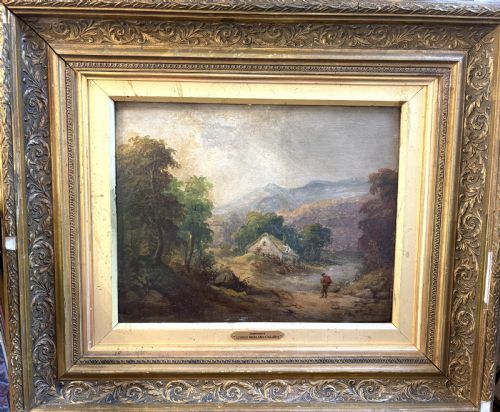


18th Century Painted Board
An 18th century painted board brings original pigment and period timber together, offering a direct record of Georgian and vernacular life.
18th Century Painted Board
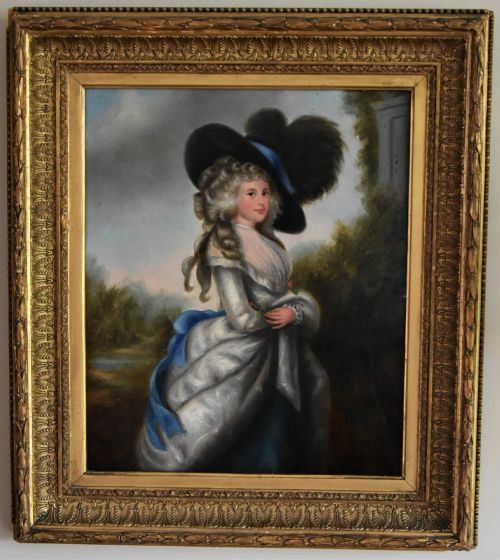
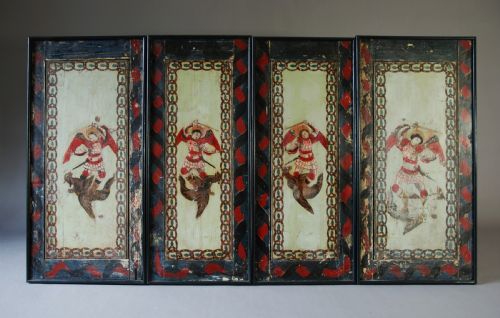
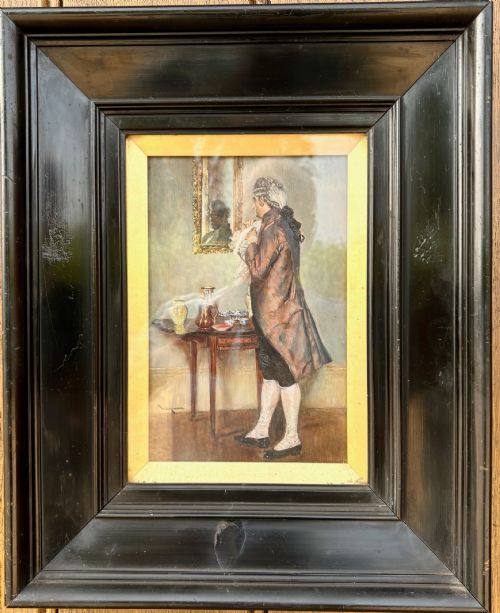
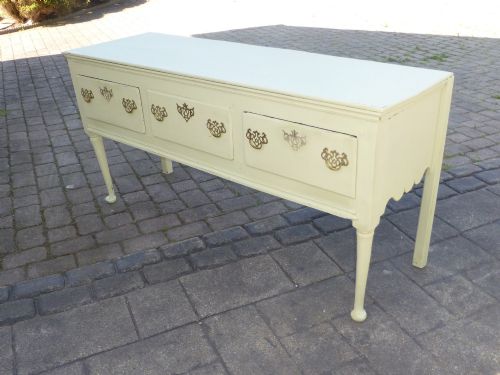
When searching for an 18th century painted board, collectors encounter a diverse group of objects ranging from naive pine panels and oil paintings to architectural dresser bases and life-size dummy boards. The pieces span periods from the Georgian era through to later revivals, capturing utilitarian storage and decorative portraiture alike.
Pine and oak form the primary wooden supports for these works, often finished with original painted decoration or oil pigments that have aged over centuries. Many examples emerge from regional British traditions, including Welsh vernacular pieces and English country workshops.
Domestic furniture such as painted cupboards and dresser bases frequently feature alongside flat panel art and figural dummy boards. Each object demonstrates how functional surfaces were treated with decorative schemes during the eighteenth century.
How they were made
Makers utilised solid timbers such as pine and oak, shaping boards by hand to construct panels, furniture carcasses, and figurative cut-outs. These wooden supports received preparatory layers including gesso before artists applied oil paint and pigment.
Decoration relied on traditional brushwork using oil on board or direct application of paint to wood, yielding both naive religious depictions and refined portraiture. Surfaces developed distinct patinas as layers of pigment bonded with the underlying timber over generations.
18th Century Painted Board Retail Price Guide 2026
Typical asking prices for 18th century painted board among the pieces listed under this phrase on Sellingantiques today, from the lower quarter to the upper quarter. They describe what is for sale here now, not the wider market.
A gentleman accompanied by a painted monkey once greeted unsuspecting visitors from a corner.
What varies in quality
The survival of original painted surfaces distinguishes superior examples from pieces that have undergone later repainting or heavy restoration. Pigments that retain their early tone without extensive overpaint command greater interest.
The sophistication of the brushwork and the clarity of the underlying form dictate the visual impact of each piece. Finely rendered portraits and crisply executed vernacular furniture display a higher grade of craftsmanship than simpler, strictly utilitarian items.
W.D. Almond·George Morland·Balthasar Denner
The 18th Century Painted Board Glossary
- Gesso
- A plaster-like mixture applied to wooden panels or boards to create a smooth surface for painting. It provides a stable white ground for oil pigments.
- Vernacular
- Everyday architecture and furniture built by local craftsmen using regional materials rather than following formal academic styles. Welsh vernacular pieces often utilise native pine and oak.
- Dresser Base
- A low rectangular cabinet featuring drawers or cupboards, used for storage and food preparation in domestic kitchens. Georgian examples frequently display original painted finishes.
- Pigment
- The finely ground natural or synthetic material mixed with oil or binder to create paint. Early formulations produce the characteristic matte finish seen on period boards.
18th Century Painted Board: Frequently Asked Questions
How do I identify an 18th century painted board?
Examine the timber substrate and the composition of the paint layers under magnification to check for age-related cracking and wear.
Period pieces display genuine integration between the pigment and the underlying pine or oak, rather than modern artificial distressing.
Were these boards used outdoors?
These pieces were intended strictly for interior domestic or architectural settings, such as kitchens, halls, and panelled rooms.
Exposure to damp or fluctuating outdoor temperatures damages the wood support and causes the oil paint to flake away.
What is the difference between dummy boards and panels?
Dummy boards are shaped as silhouettes of people or animals to stand independently in a room as decorative trompe l'oeil figures.
Panels are flat rectangular pieces of wood intended to be hung on walls or integrated directly into furniture and architectural joinery.