
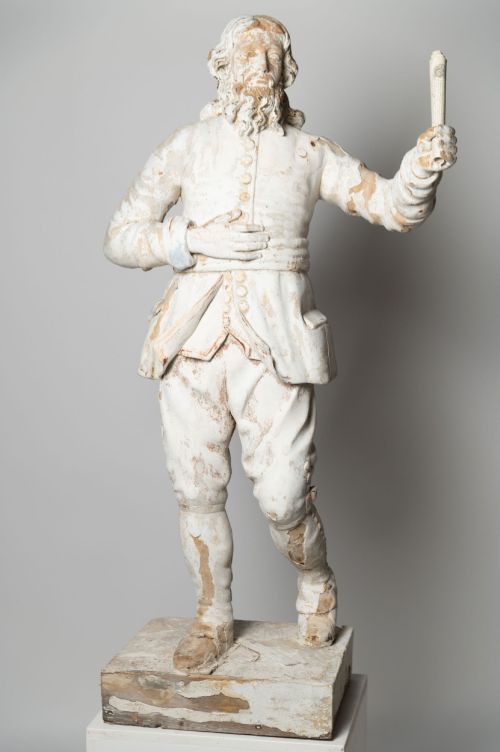
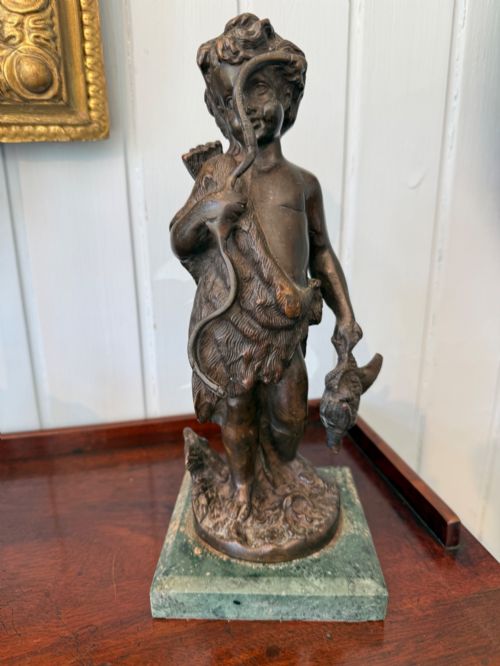

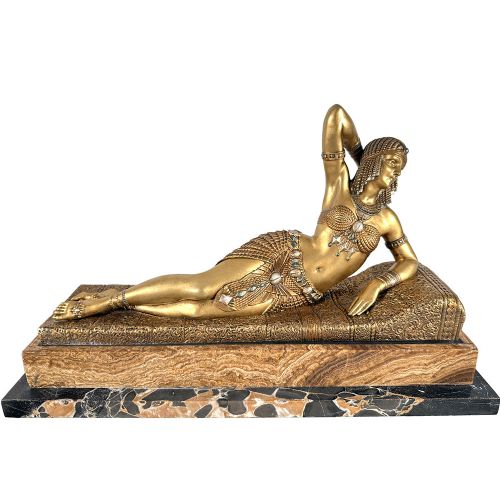


Antique Mantel Decorative Sculpture
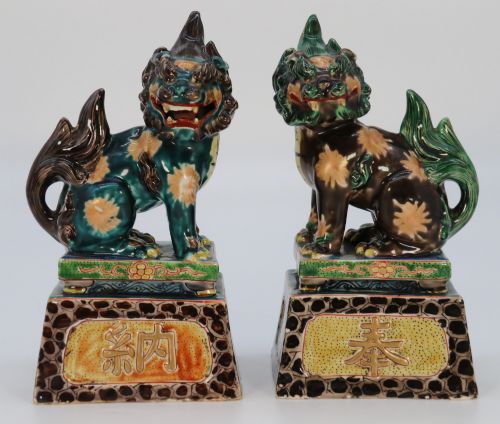
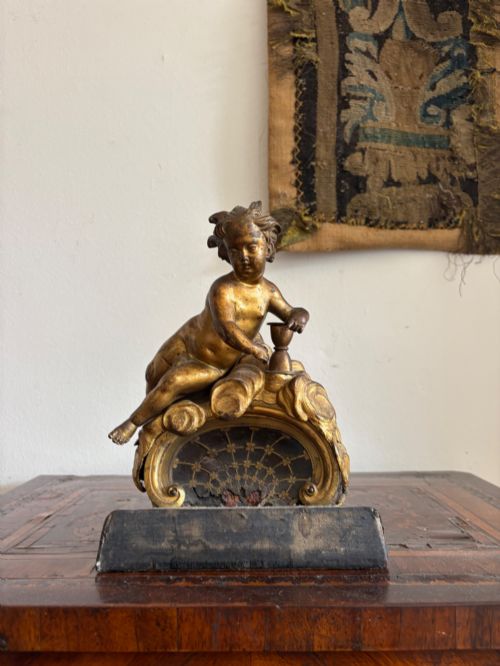
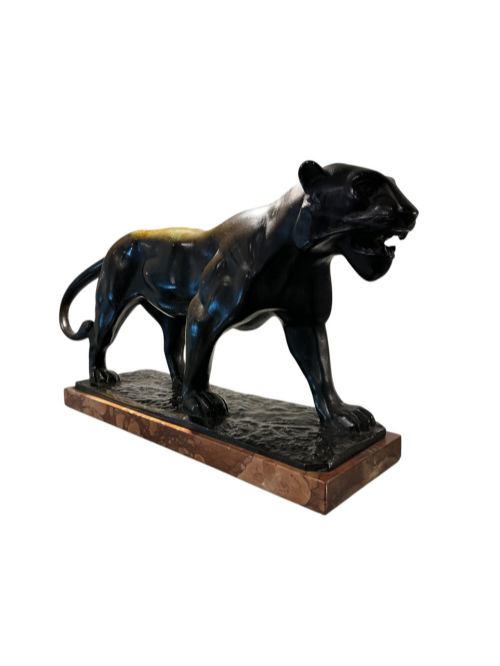
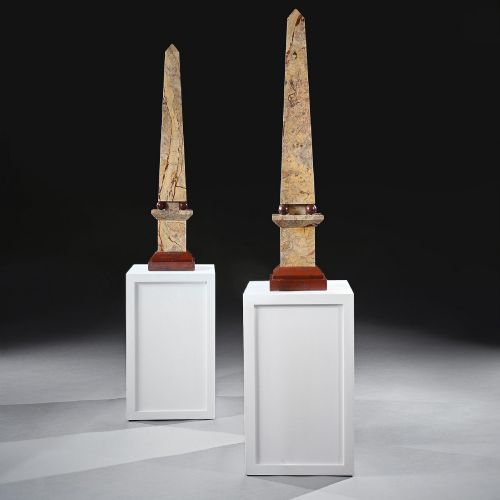
These antique mantel decorative sculpture pieces bring character to a fireplace, spanning bronze figures, marble obelisks, and porcelain figurines.
Antique Mantel Decorative Sculpture
An antique mantel decorative sculpture comprises ornaments designed to sit on a fireplace ledge or surface, appearing in forms such as bronze figures, marble obelisks, and ceramic figurines. Buyers seeking these items encounter works ranging from nineteenth century French gilt bronze mounts to early twentieth century Art Deco animal sculptures and Italian marble pieces.
The selection here includes decorative objects created across various eras, featuring Georgian giltwood carvings alongside Victorian porcelain figures and twentieth century works. These items serve primarily as decorative mantel ornaments, capturing styles from French Rococo and Neoclassical to Art Nouveau and Egyptian Revival.
How they were made
Makers utilised cast bronze, ormolu, and gilt bronze, often mounting metal figures onto solid marble bases to create sturdy decorative objects for domestic display. Others carved natural stones like Portasanta marble, Rosso Antico marble, and Egyptian onyx into geometric forms such as obelisks.
Ceramic and porcelain works involve moulded clay and porcelain bodies finished with glazed details or parian surfaces, seen in figures produced by factories like Royal Worcester and Copeland. Wood carving also appears, exemplified by mid Georgian giltwood pieces shaped into animal ornaments.
Periods represented include the 1800s, Georgian, 19th Century, 1870, 1910, 1920, and 1940.
What varies in quality
Quality rests in the crispness of the casting work and the precision of the hand-chased details on bronze and ormolu pieces, where sharper definition distinguishes superior examples. The selection of materials also dictates worth, particularly with variegated marbles and fine-grained porcelains.
The fidelity of the proportions and the integration between the figural sculpture and its stone or marble base demonstrate the maker's skill. Finer objects retain their original gilding and surface patination without heavy wear or clumsy restoration.
Royal Worcester·Royal Dux·Isidore Jules Bonheur·Japy Freres·Copeland·Charles Korschann
The Antique Mantel Decorative Sculpture Glossary
- Ormolu
- Gilt bronze, typically referring to finely finished bronze ornaments created through a mercury gilding process in French workshops. This technique produced a rich golden finish found on nineteenth century decorative mounts and clock cases.
- Parian
- A fine white ceramic material developed in the nineteenth century to imitate carved marble, frequently used for portrait busts and classical figures. Copeland produced notable examples in this medium.
- Finial
- A relatively small decorative ornament that marks the topmost point of a larger object or architectural feature. These often took the form of cast bronze figures or putti.
Antique Mantel Decorative Sculpture: Frequently Asked Questions
How do I style a mantel sculpture?
Pairing mantel sculptures with architectural elements like marble obelisks creates symmetry and height at either end of a fireplace. Mixing materials such as bronze and porcelain adds textural contrast to the display surface.
Allowing sufficient space around each object lets the detail of the casting or carving remain visible without crowding the mantel ledge.
How do I clean antique bronze?
Dusting gently with a soft, dry brush removes everyday particles without disturbing the underlying surface patination. Avoid using harsh chemical cleaners or abrasive cloths that can strip historical finishes.
Professional conservation advice is recommended if deeper cleaning becomes necessary to address environmental residues.
What periods do these sculptures represent?
The selections span from the Georgian era through the nineteenth century and into the early twentieth century. Art Deco and Art Nouveau styles emerge alongside earlier Neoclassical and Victorian designs.
Each period brings distinct material preferences, moving from giltwood and bronze towards specialised marbles and ceramics.
Are these pieces heavy?
Many mantel sculptures incorporate substantial materials like solid bronze, marble bases, and stone obelisks, giving them considerable weight. This heft helps them remain stable when placed on fireplace ledges and furniture tops.
Checking the weight distribution assists in selecting a safe surface for display.