



Baroque Style Wooden Sculpture
Baroque style wooden sculpture brings dramatic movement and carved ecclesiastical presence into a room, drawing the eye with rich historic craftsmanship.
Baroque Style Wooden Sculpture
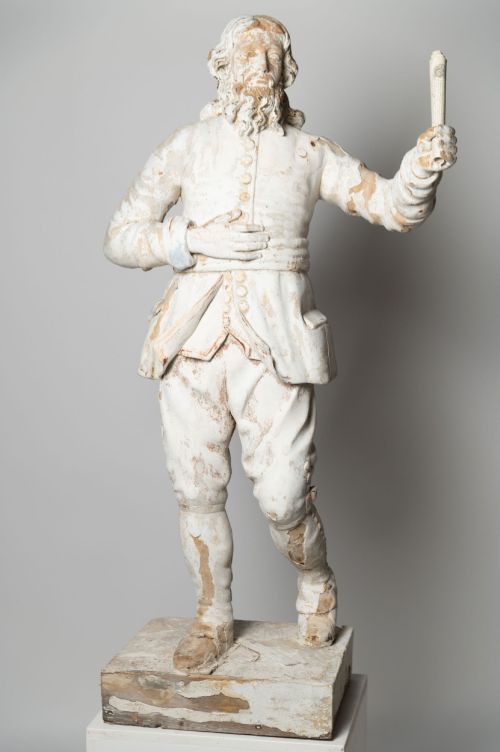
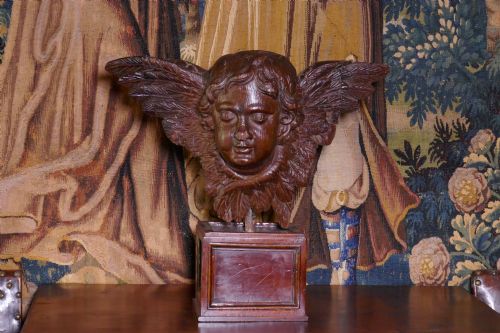
A baroque style wooden sculpture captures the theatrical movement and rich detail characteristic of historic ecclesiastical and domestic art. When you examine baroque style wooden sculpture on this page, you encounter figures ranging from carved noblemen and putti to eagles and saints.
The pieces on offer span the seventeenth, eighteenth, and nineteenth centuries, often manifesting in forms such as wall sculptures, statues, architectural carvings, and console tables. Italian influences and revival periods appear frequently, reflecting the enduring appeal of this dramatic aesthetic.
Buyers will find both single figures, such as a carved cherubic term or a statue of Saint John, and matched pairs of angels or putti. These works served originally as architectural ornaments, religious objects, or grand console table supports, bringing historic depth to contemporary spaces.
How they were made
Makers shaped these sculptures from various timbers including walnut, oak, and general hardwood, employing traditional hand-carving techniques to achieve deep, muscular relief and fluid drapery. The natural grain of the wood provided a warm foundation for subsequent surface treatments.
Many surfaces received layers of gesso before being finished with gold leaf or painted with polychrome pigments. This combination of carved wood, gesso, and gilding or paint created the shimmering, light-catching quality essential to the dramatic visual impact of the period.
Listings feature items spanning the seventeenth to the nineteenth centuries, incorporating walnut, oak, gold leaf, and polychrome paint.
What varies in quality
Surface preservation significantly influences the character of each piece, distinguishing items with intact historic gilding or original polychrome paint from those stripped or heavily refinished over centuries. The crispness of the underlying carved detail remains paramount regardless of subsequent surface treatments.
The Baroque Style Wooden Sculpture Glossary
- Baroque
- A stylistic period originating in the seventeenth century characterised by theatricality, dynamic movement, and exuberant ornamentation. It values emotional intensity and grand scale.
- Putto
- A representation of a plump, naked child, often winged, appearing frequently in art from the Renaissance onwards. These figures add a playful yet classical element to religious and secular works.
- Gesso
- A plaster mixture applied to wood surfaces to prepare them for painting or gilding. It provides a smooth, absorbent ground that holds fine detail.
- Polychrome
- The practice of decorating architectural elements, sculpture, or pottery in a variety of colours. It brings a lifelike vibrancy to carved wooden figures.
- Term
- A pillar tapering downwards, usually supporting a bust or figure rather than a capital. These architectural supports often feature carved human or angelic upper portions.
Baroque Style Wooden Sculpture: Frequently Asked Questions
How should I hang a wall sculpture?
Ensure the wall structure can support the weight of dense hardwood and gesso construction. Utilise secure, professional mounting hardware suited to heavy timber objects.
Position the piece at eye level to fully appreciate the carved depth and surface detail. Avoid placing wooden sculptures in areas subject to direct sunlight or damp conditions.
What is a putto figure?
A putto is a chubby, often winged child figure derived from classical art and frequently seen in religious and secular baroque works. These figures embody a sense of lively movement.
In wooden sculpture, they appear as single figures or in matched pairs supporting architectural elements. Their expressive poses contribute significantly to the theatrical nature of the style.
How do I care for antique wood?
Maintain stable room temperatures and humidity levels to prevent the timber from cracking or warping. Dust gently with a soft, dry cloth without applying modern liquid polishes.
Protect gilded and polychrome surfaces from abrasive cleaning materials. Professional conservation advice should be sought if structural repairs become necessary.